You fed your plant with the best intentions, hoping for lush, green growth, and now its leaves are turning yellow. It’s a frustrating and worrying sight, but don’t panic—this is one of the most common beginner fertilizer mistakes and is almost always fixable. What you’re likely seeing is a classic case of fertilizer burn, where an over-application of nutrients creates a harmful salt buildup in the soil. This damages the delicate root system, preventing your plant from taking up water properly, which manifests as those alarming yellow leaves. The good news is that with the right immediate action and a shift in your feeding routine, your plant can recover and thrive again.
Yellow leaves appearing soon after fertilizing are typically a sign of fertilizer burn, where excess salts in the soil damage roots and block water absorption. The safest first step is to thoroughly flush the soil with water to dilute and wash away the excess fertilizer. This immediate intervention helps stop further damage and gives the roots a chance to recover in a less toxic environment.
Why Fertilizer Turns Leaves Yellow: The Root of the Problem
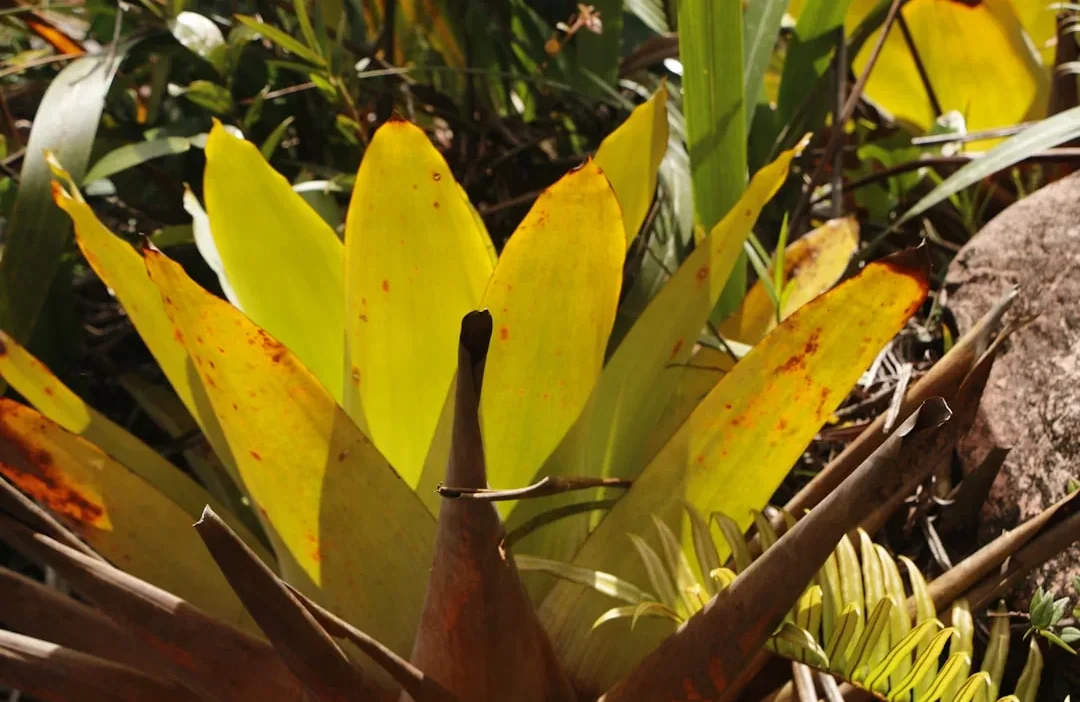
When you see plant leaves turning yellow after feeding, it’s usually a direct result of fertilizer burn. To understand why, think of fertilizer as a concentrated salt. While plants need these nutrients, too much creates a high-salt environment in the soil.
This imbalance causes “osmotic stress.” In simple terms, water moves from areas of low salt concentration (the plant’s roots) to areas of high concentration (the salty soil), essentially pulling moisture out of the roots. This damages the delicate root hairs, a condition literally called root burn. With damaged roots, the plant can’t absorb water or nutrients properly, leading to yellowing (chlorosis), crispy leaf edges, and leaf drop—classic overfertilized plants symptoms.
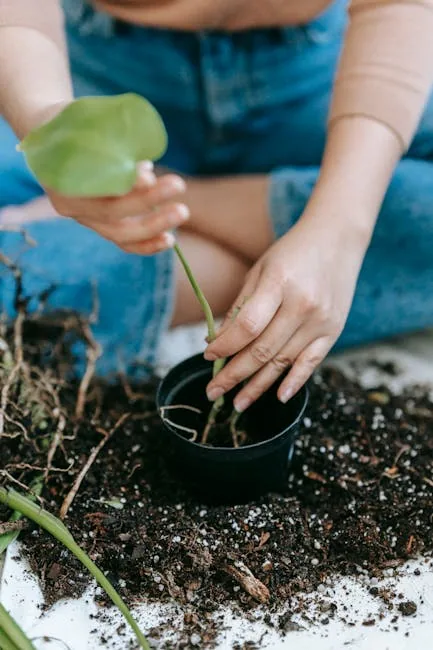
Photo by Teona Swift on Pexels
It’s important to note that this yellowing often appears quickly after feeding, sometimes within days, and may affect newer leaves first. This helps distinguish it from other causes like underwatering (which typically causes drooping and dry, crispy older leaves first) or natural aging (slow, gradual yellowing of the oldest leaves).
Emergency Fix: How to Flush an Overfertilized Plant
If you suspect fertilizer burn, acting quickly is key. The goal is to dilute and wash away the excess salts from the soil. This process is called leaching or flushing.
Step-by-Step Soil Flush
1. Move to a Drainage Station: Take your plant to a sink, bathtub, or outdoors where water can flow freely through the pot and drain away.
2. Water Thoroughly and Repeatedly: Slowly pour room-temperature water over the soil surface. You want to use a volume of water equal to 3-4 times the volume of the pot. For example, flush a 1-gallon pot with 3-4 gallons of water. Let the water run through the drainage holes for several minutes.
3. Ensure Complete Drainage: Let the pot sit until all excess water has stopped dripping from the bottom. This is crucial to prevent root rot from waterlogging.
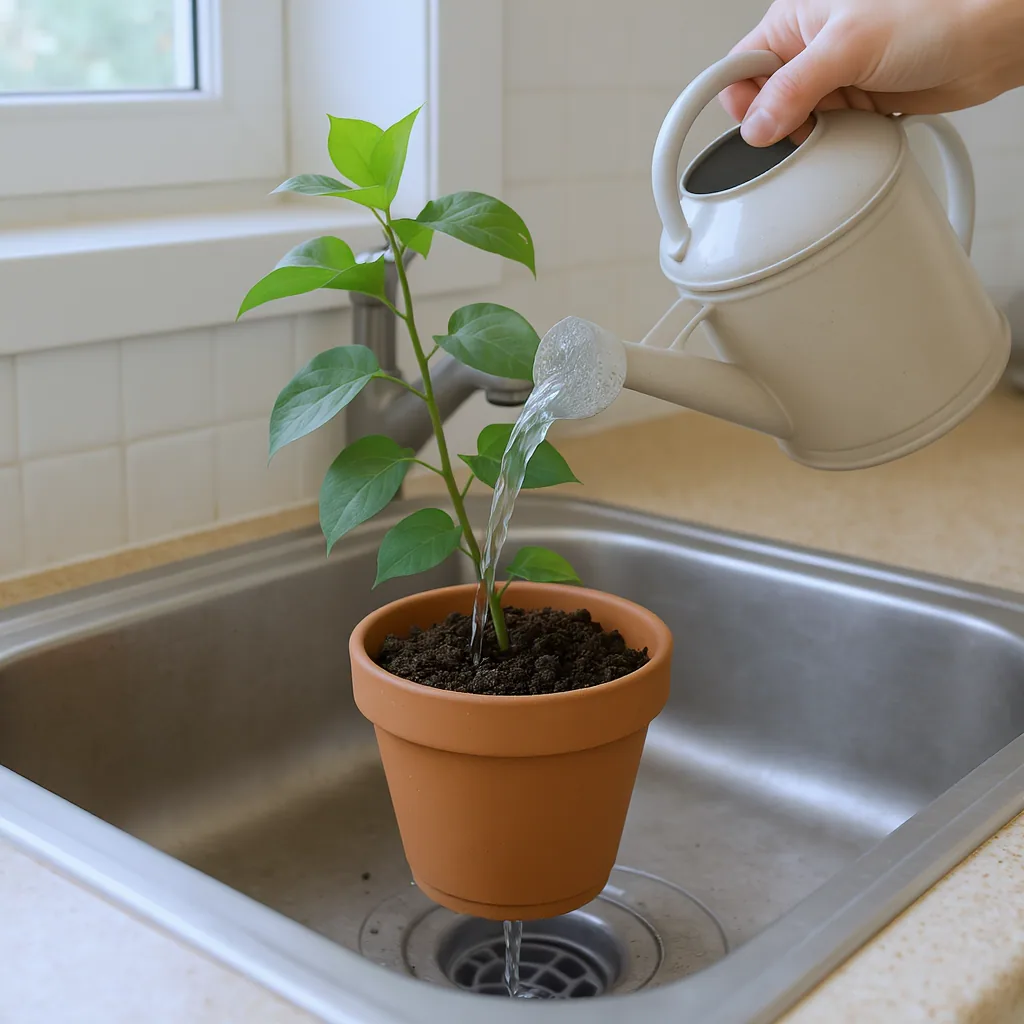
4. Return to Normal Spot: Once fully drained, place the plant back in its usual location. Do not fertilize. The flush won’t reverse damage on already-yellow leaves, but it stops further nutrient burn symptoms and gives the roots a chance to recover.
Aftercare and Recovery: What to Do Next
After the emergency flush, your plant needs a low-stress recovery period. Here’s what to do (and what to avoid) to support healing.
Do:
- Withhold fertilizer completely for at least 6-8 weeks. The plant has enough reserves, and the soil still contains some nutrients.
- Provide bright, indirect light. Avoid moving it to direct sun, which adds stress.
- Water only when the top inch or two of soil is dry. Stick to your normal, careful watering routine.
- Trim off only the most severely damaged, completely yellow or crispy leaves with clean scissors. Leave slightly yellowed leaves; they may still contribute some energy.
Don’t:
- Don’t fertilize again as a “pick-me-up.” This is the most common mistake that compounds the problem.
- Don’t repot immediately unless the plant was severely stressed beforehand. Repotting adds more root disturbance.
- Don’t despair if leaves drop. The plant is shedding damaged parts. Look for signs of new growth in the coming weeks—this is your signal of recovery.
Common Fertilizer Mistakes to Avoid
Most cases of yellow leaves after fertilizing plants stem from a few predictable beginner fertilizer mistakes. Recognizing these can prevent future issues.
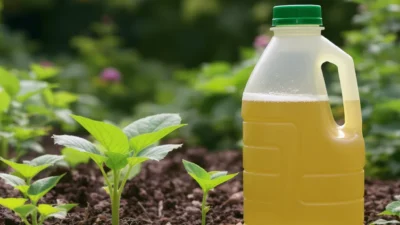
- Using Full Strength: Applying fertilizer straight from the bottle without diluting it. Always dilute liquid fertilizers to at least half-strength, especially for indoor plants.
- Fertilizing Too Often: More is not better. Stick to the recommended frequency on the label (e.g., “every 2 weeks during growth”) and often space it out further.
- Feeding a Dormant or Stressed Plant: Plants that are not actively growing (like in winter) or are stressed from recent repotting, pests, or disease cannot use the nutrients, leading to salt buildup.
- Not Watering First: Applying fertilizer to dry soil can shock roots. Always water your plant lightly with plain water before applying fertilizer solution.
- Misreading Labels: Confusing types (e.g., using a lawn fertilizer on houseplants) or misunderstanding NPK ratios for your specific plant’s needs.
Safer Fertilizing Habits for Healthy Plants
Adopting a “less is more” philosophy is the best way to prevent yellowing leaves from too much fertilizer. Here’s how to build a safer routine.
Start by always diluting liquid fertilizers to half or even quarter strength. You can always fertilize again later if needed, but you can’t easily take excess back. Time your feeding to the plant’s active growing season (spring and summer for most) and stop in fall and winter.
Make the “water-first” rule non-negotiable. Also, consider gentler options. Slow-release fertilizers (like pellets) provide a small, steady nutrient supply and are harder to overdo. Organic amendments like worm castings or compost tea are excellent, low-risk choices for beginners, as they feed the soil biology and are very mild.
Ultimately, observing your plant’s response is the best guide. Healthy growth after a light feeding is your green light. Any sign of distress is a clear signal to pull back. For more detailed guidance on plant nutrition, resources from university agricultural extensions, like this guide from the University of Minnesota Extension, offer science-based advice.
Your Plant Can Bounce Back
Seeing yellow leaves after fertilizing plants is a common hiccup, not a gardening failure. It’s your plant’s clear signal that the feeding routine needs adjustment. By understanding the cause—fertilizer burn—and taking swift action to flush the soil, you’ve addressed the immediate crisis.
Moving forward, let this experience build your confidence. Use those beginner fertilizer mistakes as a learning tool to adopt safer, gentler habits. Remember, plants thrive on consistency and moderation far more than on occasional heavy meals. With a more attentive approach, you’re well on your way to fostering lush, green, and healthy growth.