You bought the seeds, you felt that surge of optimism, you carefully tucked them into the earth… and then, within a few short weeks, your dream garden began to falter. Leaves yellowed, growth stalled, or worse, everything just quietly died. If this has happened to you, you’re not alone—and more importantly, it wasn’t your fault. The most common beginner gardening mistakes are almost never about a black thumb, but about a handful of invisible, pre-planting oversights that set your plants up for failure from day one. This guide isn’t about fixing problems after they appear; it’s a pre-emptive diagnostic tool. We’ll walk through the root causes of why beginner gardens fail early, focusing entirely on the critical fixes you must implement *before* you put a single seed or plant in the ground, turning frustration into a foundation for success.
Most new gardens fail early because of issues that were present before planting: poor soil, incorrect light, haphazard watering plans, and choosing the wrong plants. The safest fix is to pause, assess your site’s sunlight and soil, plan your water source, and then select easy, proven plants that match those conditions.
The Root of the Problem: It’s Usually What You Can’t See
When a new garden struggles, it’s easy to blame pests, weather, or a supposed “black thumb.” But more often, the real cause isn’t something that happened after planting—it’s a condition that was already there, waiting to undermine your efforts. Think of those wilted seedlings or stunted plants as symptoms. The diagnosis? A failure to address the four foundational, invisible factors that every plant depends on: soil, light, water access, and plant selection.
These aren’t minor details; they are the non-negotiable requirements for plant life. Getting just one wrong can trigger a cascade of first garden problems. The good news is that each of these failure points is entirely within your control to fix—but only if you address them before you bring home that flat of beautiful, doomed tomatoes. This shift in mindset, from reactive troubleshooting to proactive preparation, is what separates frustrating common garden failures from a thriving first season.
Failure Point 1: Ignoring Your Soil (The Silent Killer)
You can buy the healthiest plants, water them diligently, and give them perfect sun, but if your soil is poor, none of it matters. Soil isn’t just dirt; it’s a living ecosystem that provides structure, nutrients, oxygen, and water to roots. Planting into compacted, nutrient-dead, or soggy soil is the most common pre-planting oversight.
Imagine planting a thirsty seedling into dense, clay-like soil. Water pools on the surface because it can’t drain, and the roots, deprived of oxygen, essentially drown. Conversely, planting into sandy, fast-draining soil means water and nutrients vanish before the roots can drink them in. The “bag of garden soil” dumped on top is a temporary bandage, not a cure. The roots quickly grow past it into the native soil below, where the real problems lie.
Do this instead: Before you plant anything, get to know your soil. Perform a simple drainage test: dig a hole about a foot deep, fill it with water, and see how long it takes to drain. If it’s still full after 8-12 hours, you have a drainage issue. Do the “squeeze test” to check texture: grab a handful of moist soil, squeeze it, then poke it. If it holds its shape tightly, it’s clay-heavy; if it crumbles immediately, it’s sandy; if it holds a loose shape, it’s ideal loam. For a definitive nutrient and pH analysis, consider sending a sample to your local university extension service. This upfront work tells you exactly what amendments (like compost, peat, or gypsum) your garden truly needs.
Failure Point 2: Guessing About Sunlight (The Energy Shortfall)
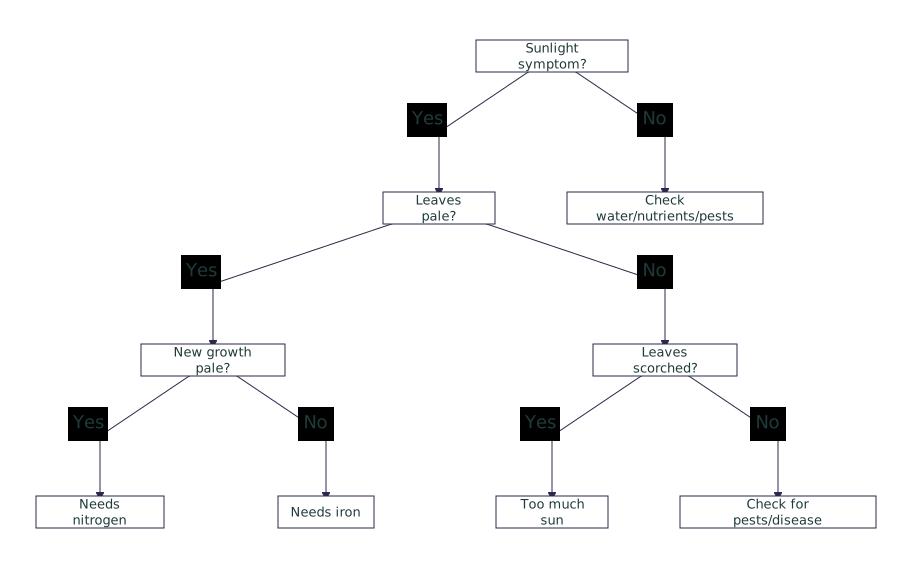
Plant tags aren’t suggestions; they are minimum requirements for survival. One of the most direct answers to “why vegetable gardens die” is a simple energy shortfall. That “full sun” tomato needs a minimum of 6-8 hours of direct sunlight to produce fruit. “Partial sun” often means 4-6 hours. Planting based on a hopeful guess—”This spot looks bright in the morning!”—is a recipe for weak, leggy plants that never flower.
Here’s a classic scenario: You plant peppers in a spot that gets glorious morning sun but falls into deep shade by 2 PM. You might get 5 hours of light, which feels like a lot, but it’s below the “full sun” threshold. The plants survive but look spindly and produce one or two sad peppers, leaving you wondering what you did wrong.
The fix is a sunlight audit. Before the season starts, pick a sunny day and map your intended garden area. Note which areas get sun from 8 AM to noon, noon to 4 PM, and 4 PM to 8 PM. Mark the shady areas cast by fences, houses, or trees. This simple exercise gives you a factual light map. Then, match your plant choices to the reality of your space. Don’t try to force a sun-lover into a shade zone; choose plants that are proven to thrive in the conditions you actually have.
The Safest Pre-Planting Fixes: Your Action Plan
Now, let’s flip the script from diagnosis to prevention. This is your actionable checklist to implement before you buy a single seed or plant. Treating these steps as non-negotiable pre-work is the single best way to prevent garden failure.
- Conduct the Sunlight Audit. As described above, track light for a full day. Label areas as “Full Sun,” “Partial Sun/Shade,” or “Full Shade.”
- Perform the Soil Drainage & Texture Test. Don’t skip this. Know if you’re working with fast-draining sand, slow-draining clay, or something in between. Amend based on your test results, focusing on adding generous amounts of compost to improve any soil type.
- Plan Your Water Source Realistically. Is your hose long enough to reach every bed? Will you remember to water containers every hot afternoon? Set up your system—soaker hoses, drip irrigation, or simply placing containers within easy reach of a watering can—before plants are in the ground and thirsty.
- Choose “Beginner-Proof” Plants. Match plants to your proven conditions. For full sun, try cherry tomatoes, bush beans, zucchini, or herbs like basil and rosemary. For partial shade, try leafy greens (lettuce, kale, spinach), beets, or herbs like parsley and cilantro. Starting with resilient, suited varieties builds confidence.
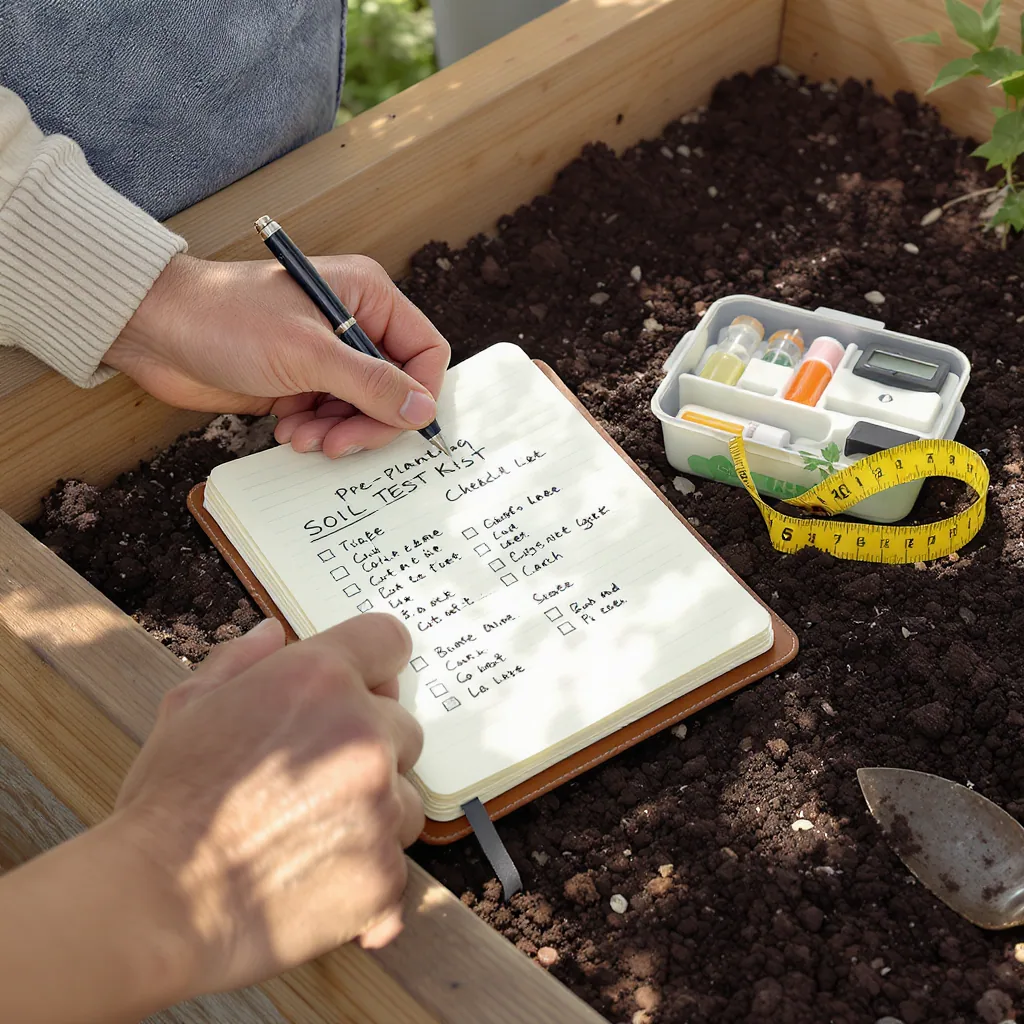
This systematic approach transforms garden troubleshooting from a frantic reaction into a calm, controlled process. You’re not just planting; you’re engineering an environment for success.
Common Mistakes to Swear Off Before You Start
Beyond the big failure points, specific beginner gardening mistakes can sabotage even a well-planned garden. Here are the classic errors to avoid from day one:
- Overplanting / Ignoring Spacing: Those tiny seedlings on the tag grow. Crowding creates competition for light, water, and nutrients, and stifles air circulation, inviting disease. Follow spacing guidelines religiously.
- Planting by Calendar, Not Weather: Just because it’s “planting weekend” doesn’t mean your soil is warm enough. Tender plants like tomatoes and peppers need consistently warm soil and air, not just a passed frost date. Feel the soil; if it’s cold and wet, wait.
- Using Too-Small Containers: A pot that looks big enough for a seedling quickly becomes a root-bound prison. For most vegetables, choose containers at least 12 inches deep and wide. Bigger is almost always better for containers.
- Skipping “Hardening Off”: Taking seedlings straight from a sheltered nursery or indoor grow light to the full outdoor sun shocks them. Acclimate them over 7-10 days by gradually increasing their time outside.
- Buying the Biggest Plant, Not the Healthiest: Avoid leggy, flowering, or root-bound plants. Choose compact, green, sturdy seedlings with white, healthy roots (gently check the bottom of the pot). A smaller, vigorous plant will outgrow a stressed, larger one every time.
Build Your Foundation First
The desire to just start planting is powerful, but true gardening success is built in the quiet phase before the first seed is sown. By reframing your initial effort from planting to preparation—mapping sunlight, testing soil, planning water, and choosing wisely—you address the root causes of early garden failure causes head-on.
This isn’t a delay; it’s the most important gardening step you’ll take. It transforms you from a passive hopeful into an active creator of the right conditions. So, take a breath, put the plant catalog down for a weekend, and go outside with a notebook. Assess your space with these new eyes. When you finally do plant, you’ll do so with the quiet confidence that comes from knowing you’ve already given your garden its best possible chance to thrive.