You’re admiring your garden on a sweltering afternoon when you see it: the once-lush leaves of your hydrangea or maple are now edged in crispy brown, as if someone took a tiny torch to them. That sinking feeling is a universal summer gardener’s worry—the discovery of leaf scorch on garden plants. But here’s the crucial perspective shift: those browned edges are not a death sentence. They’re a clear, fixable stress signal, a plant’s way of saying its water loss has outpaced its roots’ ability to drink. The good news is you can turn this around. Instead of panicking, you can follow a simple, protocol-based approach: first, accurately diagnose the cause (it’s often more than just sun), then apply safer, more effective fixes centered on strategic shade and proper mulching to help your plants recover and thrive.
Leaf scorch happens when a plant loses water faster than its roots can absorb it, often due to intense summer sun, heat, wind, or dry soil. The safest fixes involve providing temporary shade during peak heat, ensuring deep, consistent watering at the soil level, and applying a proper layer of organic mulch to cool the roots and conserve moisture.
What Leaf Scorch Really Is (It’s Not Just Sun)
When you see those crispy brown edges, it’s easy to blame the sun alone. But leaf scorch is more accurately a sign of a water imbalance. It happens when a plant loses water through its leaves (a process called transpiration) faster than its roots can pull it up from the soil. Think of it as the plant sweating itself dry.
This imbalance can be triggered by several environmental stressors working together: intense afternoon sun, high temperatures, drying winds, and even heat reflected off nearby walls or pavement. It’s crucial to understand that this is a symptom of stress, not a specific fungal or bacterial disease. This means spraying a fungicide won’t help and could add more stress. For a deeper dive into plant water transport, resources from university extensions, like this one from the University of Minnesota, offer excellent explanations.
Recognizing this helps you diagnose correctly. True heat stress in plants often shows as wilting or curling leaves before scorch appears, a clear cry for help. The good news? Since the cause is environmental, the fixes are too.
Your Immediate Response Protocol
Don’t panic. Follow this calm, step-by-step protocol to stabilize your plant and stop further damage.
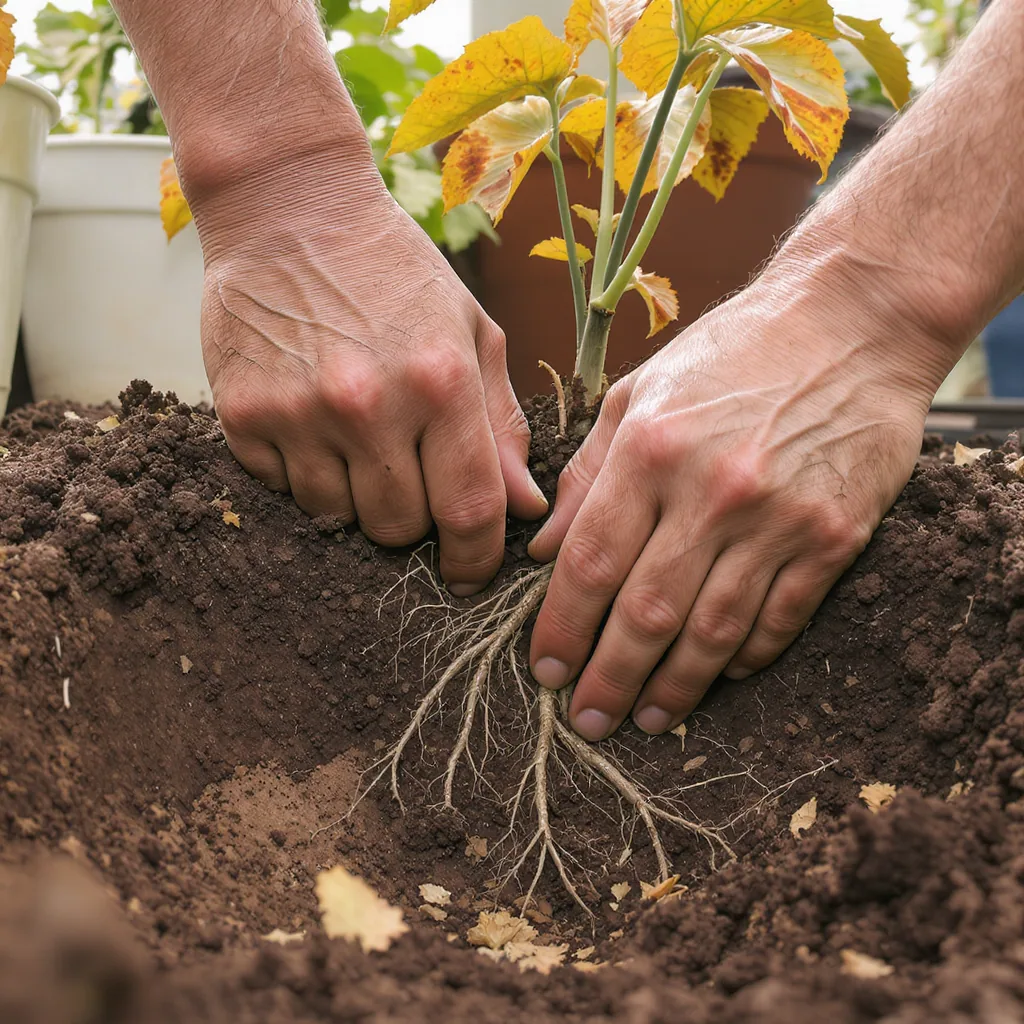
Step 1: Check Soil Moisture Deeply
Don’t just scratch the surface. Push your finger 2-3 inches into the soil near the plant’s base. If it’s dry at that depth, your plant is thirsty at the root level where it counts.
Step 2: Water Slowly and Deeply
This is the core fix for sunburned plant leaves. Apply water directly to the soil at the base of the plant, not over the leaves. Water slowly so it soaks down to the root zone rather than running off. A deep, thorough watering encourages roots to grow downward, making the plant more resilient.
Step 3: Hold Off on Fertilizer
This is a critical rule. Fertilizing a stressed plant forces it to redirect energy into growth when it needs to focus on recovery. It can “burn” tender roots and worsen the situation.
Step 4: Assess for Other Stressors
Look around. Is the plant in a wind tunnel? Were roots recently damaged by construction or digging? Identifying these factors helps you plan longer-term solutions, like installing a windbreak.
Safer Shade Solutions (Not All Shade is Equal)
The goal isn’t to plunge your sun-loving plant into darkness, but to soften the harshest rays, especially during peak afternoon heat. The right shade reduces leaf temperature and slows water loss.
Imagine your hydrangea is baking against a south-facing brick wall. The fix isn’t to wrap it in a dark tarp. That would trap heat and humidity, potentially causing rot. Instead, you want to create temporary, dappled shade that allows for air circulation.
Using Shade Cloth Effectively
Shade cloth is a fantastic tool. A 30-50% density cloth is usually perfect for preventing leaf scorch on vulnerable ornamentals. You can drape it over a simple frame or attach it to stakes, ensuring it doesn’t touch the foliage directly. For a quick fix, an old white bedsheet or a piece of lattice propped up on the sunny side can work surprisingly well.
Strategic Relocation
For potted plants, sometimes the simplest sunburned plant leaves fix is to move them. Relocate pots to a spot that gets morning sun but afternoon shade for a few weeks during the hottest part of summer.
Mulch The Right Way: A Cooling Blanket, Not a Smothering One
This is your best long-term strategy for plant heat stress prevention. A proper mulch layer acts like a insulating blanket for the soil, keeping roots cool and dramatically reducing moisture evaporation.
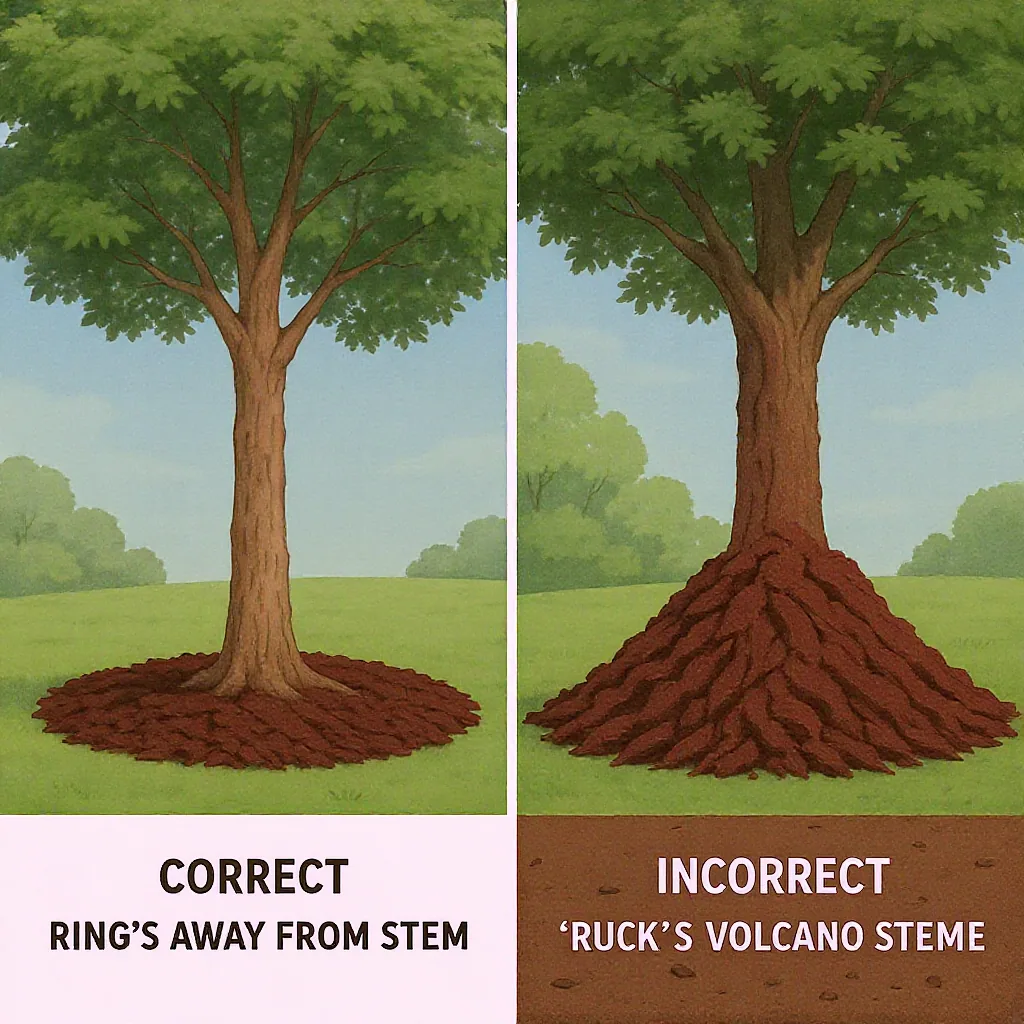
Do: Apply an Organic “Doughnut”
Do use organic materials like wood chips, shredded bark, or straw. Do apply a 2 to 4-inch layer evenly around the plant. Do keep the mulch several inches away from the trunk or main stems, creating a “doughnut” shape. This prevents stem rot and allows for proper air flow. For a great guide on techniques, the University of Maryland Extension has detailed advice.
Don’t: Create a Mulch Volcano
Don’t pile mulch in a cone against the trunk (“volcano mulching”). This is a common killer, inviting pests, disease, and girdling roots. Don’t use plastic or rubber mulch sheets, as they can overheat soil and prevent water and air from reaching the roots. Don’t apply a layer so thick it becomes water-repellent or smothers the soil.
Shifting to Proactive Summer Care
Seeing leaf scorch symptoms is your cue to adjust, not despair. By understanding it as a water-balance issue, you can move from reactive fixes to a proactive care routine. The most resilient gardens are built on habits like morning watering (which gives plants a reservoir for the day), applying a fresh layer of mulch in late spring before the heat hits, and thoughtfully observing how sun patterns change in your space.
Plants are remarkably resilient. With these adjustments to reduce stress and conserve moisture, most will push out healthy new growth. Your role is simply to provide a safer, cooler environment for them to do what they do best: grow.