Does the thought of garden chores feel overwhelming? If you’re a new gardener, you’re not alone. The sheer number of tasks—watering, weeding, pruning, planting—can make it hard to know where to start or what’s truly important each week. The result is often a cycle of weekend overwhelm followed by garden neglect, which saps the joy right out of your new hobby. The secret isn’t more time or expert knowledge; it’s a simple, sustainable rhythm. This weekly garden maintenance checklist is designed to build your confidence by breaking down essential care into a manageable 15-20 minute routine. By focusing on a few key actions each week, you’ll catch problems early, prevent big messes, and watch your garden thrive without the stress.
A simple weekly garden maintenance checklist for beginners focuses on four core areas: checking plant health, tidying up, basic soil care, and quick planning. Spending just 15-20 minutes on this routine each week keeps your garden healthy and manageable. The goal is to perform a quick scan for watering needs, pull a few weeds, deadhead spent blooms, and look for pests, all while keeping your tools handy. This consistent, gentle touch is far more effective than sporadic, heroic efforts.
Your Simple Weekly Garden Checklist
Think of this as your 15-20 minute garden walk. Grab a cup of coffee, put on your shoes, and move through these simple tasks. The goal isn’t perfection—it’s connection and prevention.
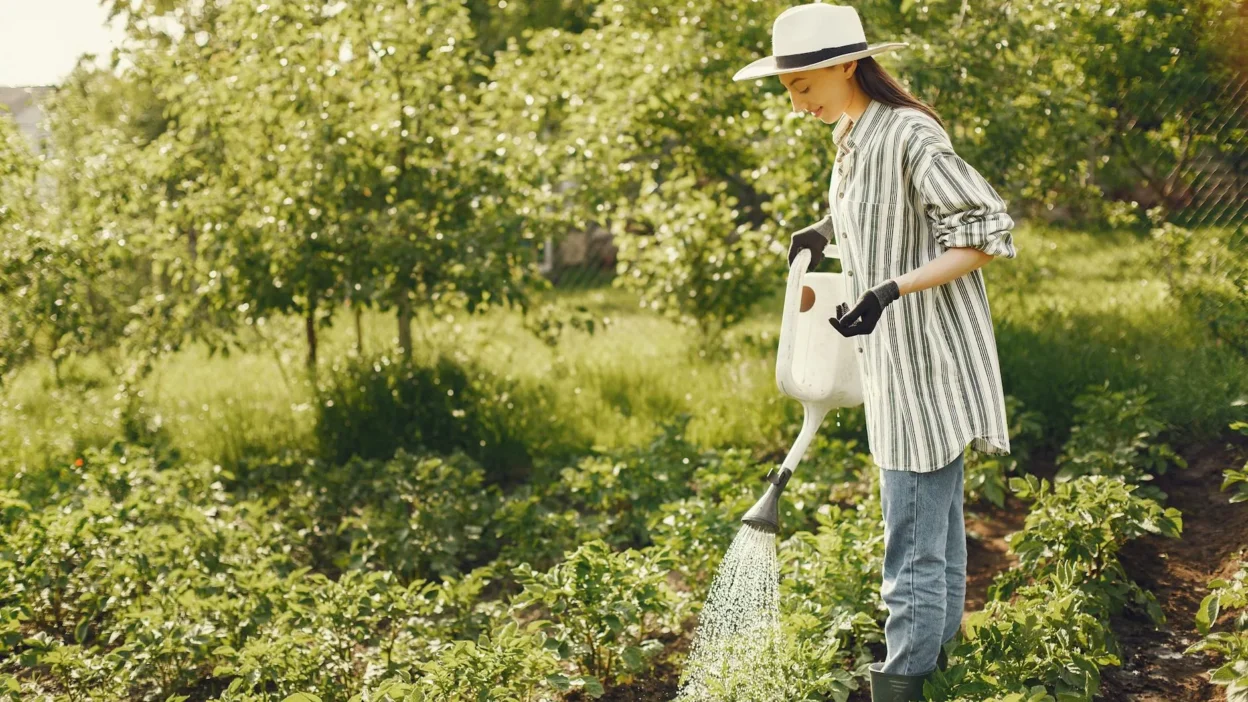
- Do a Quick Watering Check: Don’t just water on autopilot. Stick your finger an inch into the soil near a few different plants. If it’s dry, they need a drink. If it’s damp, you can wait. This simple habit is the cornerstone of a good beginner garden routine.
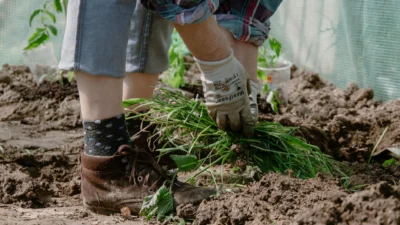
- Weed Patrol (5-Minute Sprint): Don’t try to clear the entire jungle. Spend just five minutes pulling the most obvious, young weeds. Getting them before they set seed saves hours of work later.
- Deadhead Spent Blooms: Snip off faded flowers from annuals and some perennials. This “deadheading” encourages the plant to produce more blooms instead of putting energy into seeds.
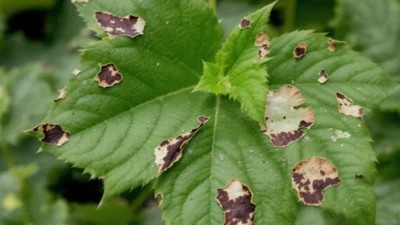
- Pest & Disease Scan: As you water and weed, flip over a few leaves. Look for bugs, holes, or unusual spots. Catching aphids or mildew early makes them easy to manage.
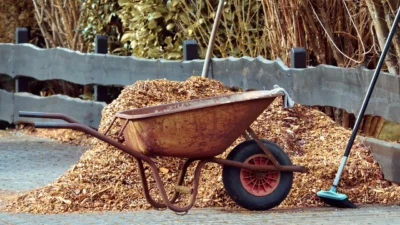
- Tidy Edges & Paths: Use your foot or a quick rake swipe to keep mulch on beds and soil off paths. This neatens the garden’s appearance instantly and helps define your growing space.
- Note What’s Ready to Harvest: Keep an eye on ripe tomatoes, ready-to-pick beans, or herbs that need trimming. Using what you grow is the most rewarding part!
That’s it. A quick, effective garden chores schedule that keeps you in touch with your plants without taking over your weekend.
Why a Weekly Rhythm Works for Beginners
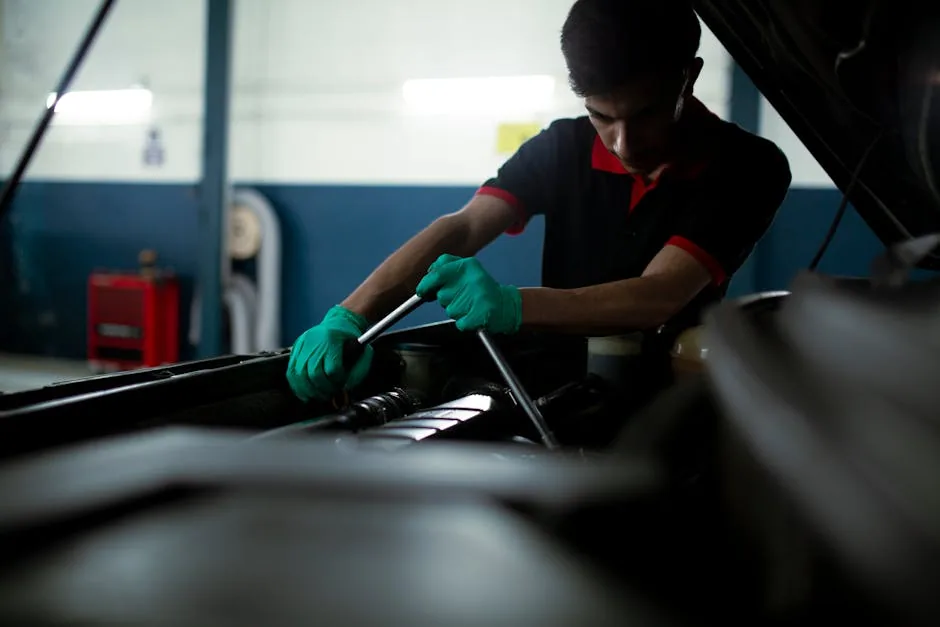
Photo by Fatih Erden on Pexels
For a new gardener, the biggest hurdle is often just knowing when to do things. A daily routine can feel like a chore, and a monthly one leads to overwhelming problems. A weekly cadence hits the sweet spot.
This simple garden upkeep schedule builds a habit through small, manageable wins. Each week, you get the satisfaction of completing a small set of tasks, which builds confidence. More importantly, a weekly visit means you’re far more likely to spot a pest issue when there are just a few aphids, not an infestation, or notice a plant wilting before it’s severely stressed.
It transforms gardening from a daunting “project” into a pleasant, regular part of your week. You stop reacting to crises and start guiding your garden’s growth proactively. This consistent, gentle touch is what makes a beginner-friendly garden maintenance plan sustainable.
Common Beginner Mistakes to Avoid
We all make mistakes when starting out. The key is to learn from common pitfalls so your weekly plant care routine is more effective from the start. Here’s a quick “Do This, Not That” guide.
Don’t water on a strict calendar schedule.
DO check soil moisture with your finger each week. Plants’ water needs change with weather, temperature, and growth stage.
Don’t ignore small weeds, thinking you’ll get them “later.”
DO pull a handful each week during your patrol. A weed that goes to seed can create hundreds of new problems.
Don’t wait to look for pests until you see major damage.
DO make leaf-checking part of your weekly scan. Early intervention often requires just a strong spray of water from the hose.
Don’t try to do everything in one monthly marathon.
DO stick to your short, weekly sessions. Sporadic, heavy efforts are exhausting and less effective than consistent, light care.
Tailoring Your Checklist to the Season
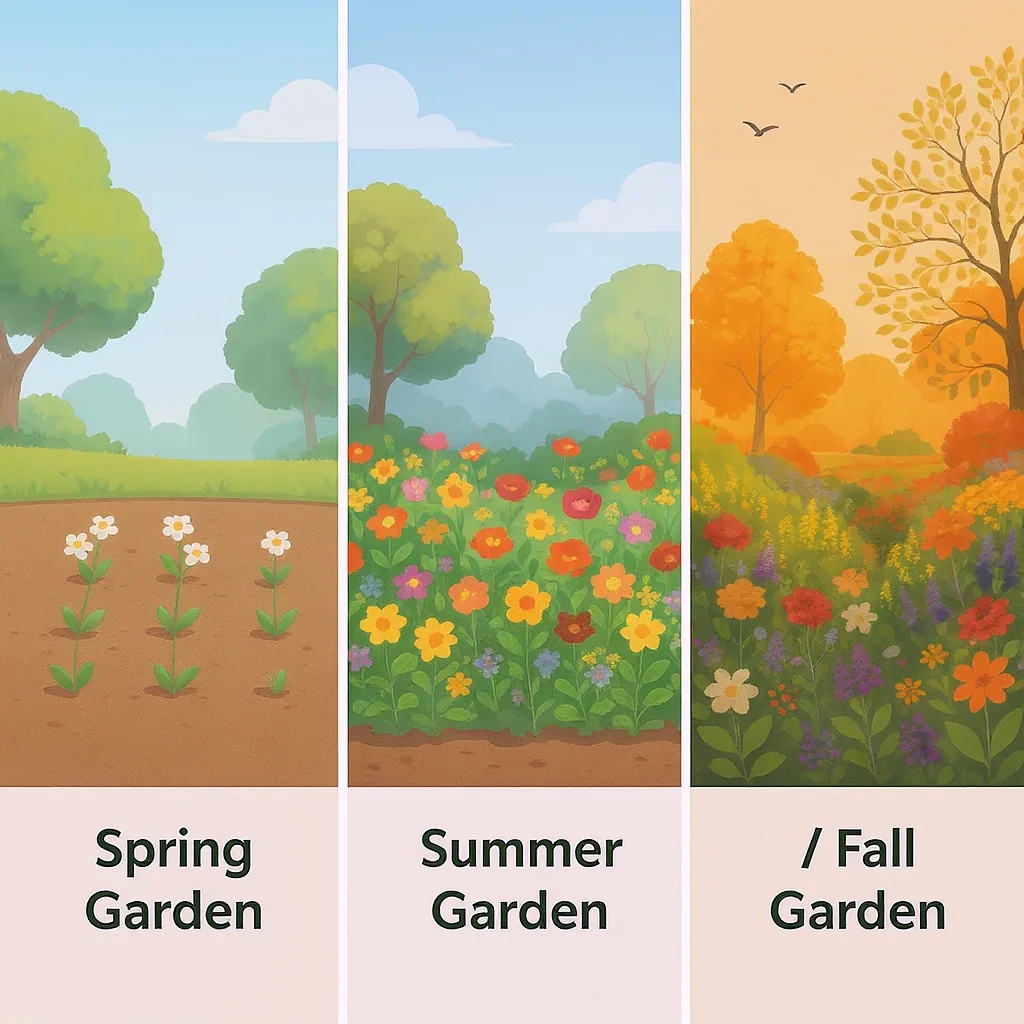
Your core weekly gardening tasks remain the same, but your focus will naturally shift as the year progresses. Here’s how to adapt your routine with the seasons.
Spring: Your weekly check should include a close eye on new seedlings and transplants. Watering is critical for establishing roots, and you might add “check supports for climbing plants” to your list as they start to grow. It’s a season of watching for rapid growth.
Summer: This is peak season for your regular garden chores. Watering checks become paramount during heat waves. Deadheading flowering plants weekly keeps the color show going. Your “pest scan” should be extra vigilant, as insects are most active.
Fall: Shift focus toward preparation and harvest. Add “clear spent annuals” or “note areas for bulb planting” to your weekly notes. Your tidying task might involve raking a few leaves off the lawn or garden beds to prevent smothering plants.
Your Garden, One Week at a Time
The most beautiful gardens aren’t built in a day—they’re nurtured week by week. By adopting this simple checklist, you’re not just maintaining plants; you’re building a rewarding habit and a deeper connection to your outdoor space.
Your decisive next step is this: pick one day this week—maybe a calm Wednesday evening or a Saturday morning—set a 20-minute timer, and walk through the list. Don’t overthink it. Just start. You’ll quickly find that this small, consistent effort is far more powerful and enjoyable than any sporadic weekend marathon.
Now, go enjoy your garden. It’s waiting for you.