You spend a sunny afternoon diligently pulling every weed you can find in your new garden bed, feeling a satisfying sense of accomplishment. But a week later, it looks like you never touched it. This cycle of frustration is the universal rite of passage for every beginner gardener trying to figure out how to stop weeds in a beginner garden for good. The problem isn’t your effort—it’s that weeds are survival experts, and simply pulling them is like playing a game they’re designed to win. This guide cuts through the overwhelm. We’ll first demystify why weeds are so relentless (so you stop feeling like it’s your fault), then give you a straightforward, beginner-safe protocol focused on weed prevention in garden beds. The goal isn’t a one-time purge, but a simple system to keep your garden cleaner with less work.
To stop weeds in a beginner garden, you need to focus on prevention, not just removal. The most effective method combines smothering existing weeds to exhaust their roots and covering bare soil with a thick layer of organic mulch to block light and prevent new seeds from germinating. This two-pronged approach tackles both the existing weed problem and future growth, creating a sustainable, low-maintenance solution.
Why Weeds Are So Good at Coming Back
First, let’s reframe the problem. Weeds returning isn’t a sign you’re a bad gardener; it’s a sign you’re dealing with master survivalists. Understanding their strategies is the first step in learning how to stop weeds in a beginner garden for good. They have three main advantages.
First is the seed bank. The soil in your garden beds is like a vault containing thousands of dormant weed seeds, which can remain viable for years. Every time you dig or till, you bring fresh seeds to the surface where light and air trigger them to sprout. This is why simply pulling weeds often leads to new ones appearing—you’re constantly activating the next generation.
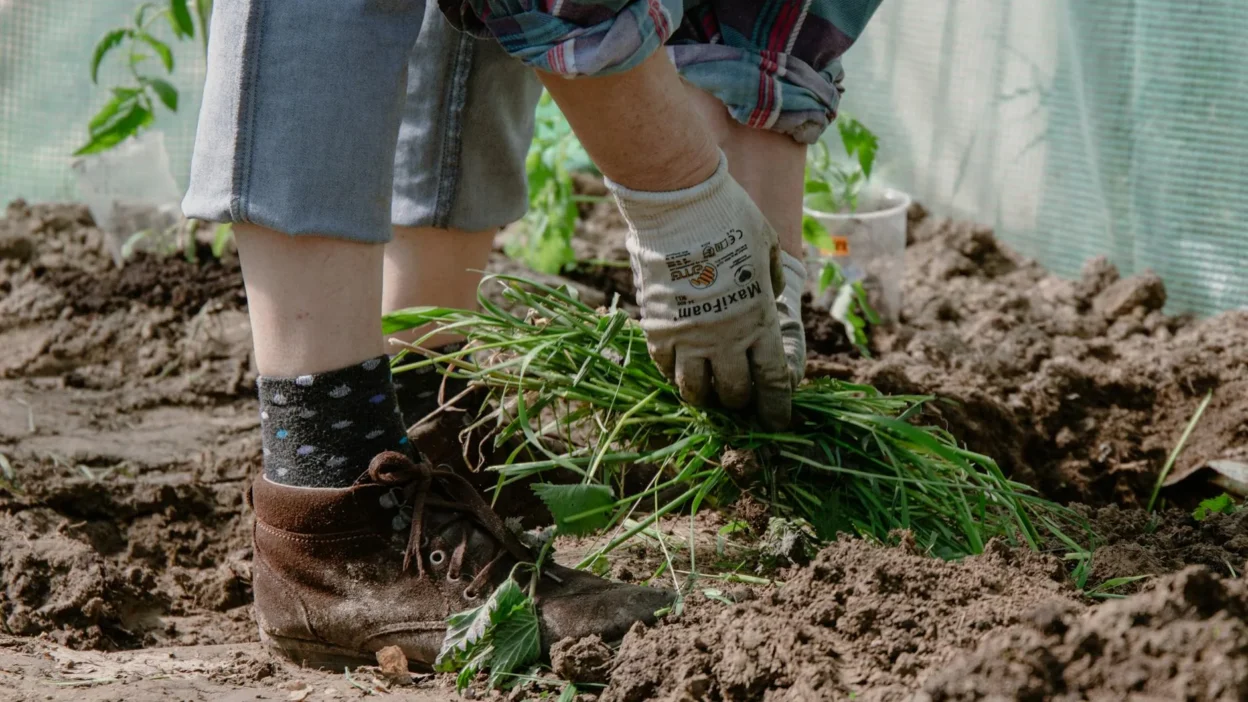
Second, many common weeds have deep or spreading root systems. Dandelions and bindweed, for example, can regrow from a tiny piece of root left in the soil. When you only pull off the top, the plant’s energy reserves underground send up a new shoot, often stronger than before. This makes preventing weeds from returning a different task than just removing what you see.
Finally, weeds are simply faster. They’ve evolved to colonize bare ground quickly, germinating and establishing themselves before your desired plants can. This rapid growth cycle means a small window of opportunity for them can lead to a big problem for you.
The Beginner-Safe Weed Prevention Protocol
Forget complex, back-breaking methods. The most effective weed control for beginners is a simple, three-phase routine. Think of it as putting your garden beds to bed under a cozy, weed-blocking blanket. Consistency with this protocol is far more powerful than any heroic, one-time effort.
Phase 1: Prepare & Smother
Start with a clean slate. For an existing weedy area, mow or cut weeds as short as possible. Then, smother them to exhaust their roots. You can lay down a thick layer of cardboard or 5-6 sheets of overlapping newspaper (avoid glossy pages). Wet it thoroughly to keep it in place. This blocks light, killing existing weeds and their roots naturally over a few weeks. For a new bed, you can skip this step and start with a clean, weed-free surface.
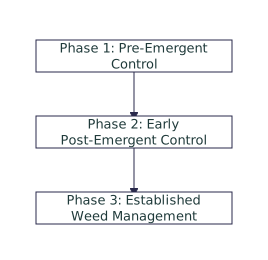
Phase 2: Block with a Barrier
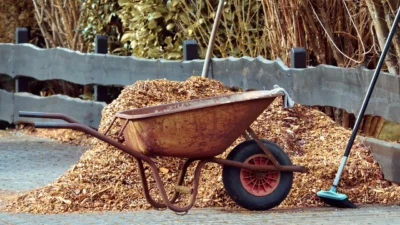
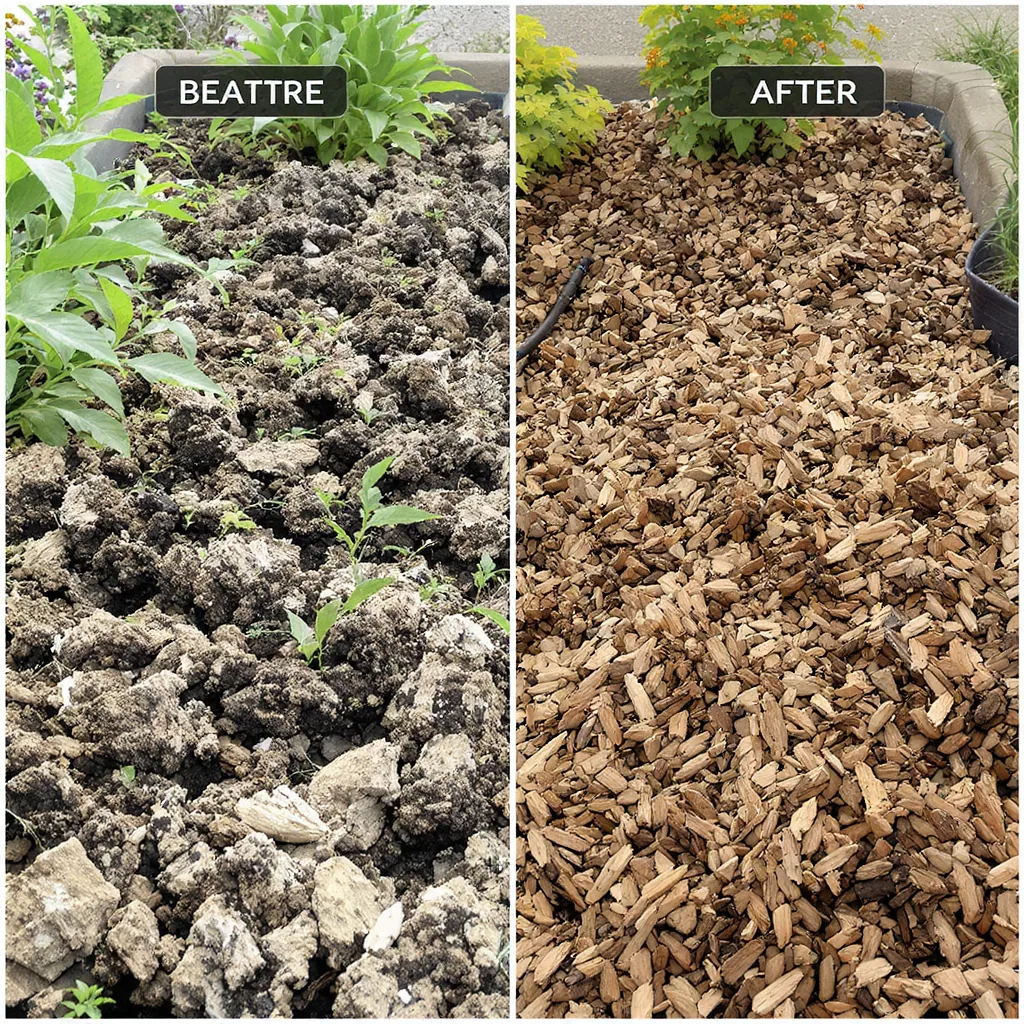
This is the non-negotiable core of long-term weed management. On top of the smothering layer (or directly on cleared soil), apply a thick, uniform layer of mulch. This is your primary weed barrier. A 3-inch (7-8 cm) layer is the magic number—thick enough to block light and prevent germination, but not so thick it suffocates plant roots. Ensure you leave a small gap around the stems of your desirable plants to prevent rot.
Phase 3: Maintain with Minimal Disturbance
Your job now is guardian, not warrior. Avoid digging or turning the soil in your mulched beds, as this brings up new seeds. When the occasional weed does appear (often a seed blown in on top of the mulch), pull it immediately while it’s small and the roots are shallow. Once or twice a season, check the mulch depth and top it up if it has decomposed or thinned, maintaining that crucial 3-inch barrier.
Your Best Tool: Choosing & Using Mulch Right
Mulch is the MVP of weed prevention garden beds. It’s an organic weed barrier that also conserves water and improves soil as it breaks down. But using it wrong is a common reason weeds break through. Here’s a simple guide to getting it right.
Dos for Effective Mulch for Weed Control
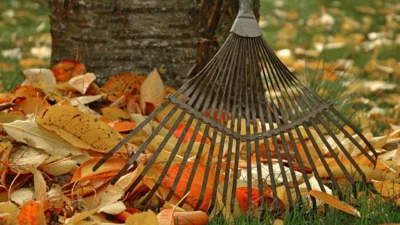
Do use organic mulches like shredded bark, wood chips, straw (for vegetable gardens), or shredded leaves. They block weeds and improve soil health. Do apply it thickly. Aim for a consistent 3-inch layer after it settles. Do reapply annually. Organic mulches decompose, which is good for soil but means you need to top them up to maintain the weed-blocking depth.
Don’ts That Invite Weeds Back
Don’t apply a “dusting.” A thin, 1-inch layer looks nice but does almost nothing to stop weeds. Don’t use “weed barrier” fabric under organic mulch. It often fails as soil and debris build up on top, creating a perfect place for weeds to grow, and it prevents your soil from receiving organic matter. Don’t pile mulch against plant stems or tree trunks (creating “mulch volcanoes”), as this can cause rot and disease.
Common Mistakes That Keep Weeds in the Game
Even with the best intentions, a few easy-to-make errors can sabotage your efforts. Recognizing these pitfalls will help you build a truly weed-resistant garden.
Mulching too thin. This is the #1 mistake. A thin layer lets light through, allowing weed seeds in the soil to germinate. It’s the difference between a locked door and a screen door for weeds.
Disturbing the soil. Frequent digging, tilling, or even aggressive hoeing brings buried weed seeds to the surface where they can sprout. After establishing your beds, adopt a “no-dig” or minimal-dig approach to keep the seed bank buried.
Only pulling the tops. For perennial weeds like dandelions or thistles, pulling just the leaves leaves the taproot intact to regrow. Use a weeding tool to get under and lift out the entire root system.
Being inconsistent. Letting a weed go to seed is a disaster for future weed prevention. One plant can scatter hundreds of new seeds into your mulch and soil. Make quick, regular patrols part of your gardening routine to pull invaders while they’re small and seedless.
Giving up on edges. Weeds often establish first in the untended soil at the edges of beds or along paths, then march inward. Extend your mulch layer or use edging to create a clear, maintained boundary.
Embrace the Routine, Enjoy the Garden
Winning the war against weeds isn’t about finding a single magic solution. It’s about adopting a simple, sustainable system that works with nature, not against it. By understanding why weeds return and consistently applying the prepare-block-maintain protocol, you shift from reactive weeding to proactive prevention.
Focus your energy on building healthy, well-mulched soil that supports your plants and suppresses weeds naturally. This easy garden weed solution saves you time and effort in the long run, leaving you more moments to simply enjoy the beauty and bounty of your beginner garden, weed-free.