You’re standing there with a watering can, looking from your new plant to the sunny window and back again, wondering if you’re about to love it to death or accidentally neglect it. That moment of uncertainty is where every gardener begins, and it’s completely normal. The truth is, mastering the watering and light basics for beginner gardeners isn’t about memorizing a rigid set of rules; it’s about learning a simple, recoverable protocol. This guide frames plant care not as a complex science, but as a series of small, daily observations and correctable actions. We’ll focus on the two non-negotiable pillars—light first, then water—and show you how to weave them into a beginner plant care routine that builds confidence instead of anxiety. Think of it as developing a feel for your plant’s needs through a consistent, gentle check-in, transforming overwhelming chore into a rewarding habit.
For beginner gardeners, the basics of watering and light start with placing your plant in the right light for its type, then watering only when the top inch of soil is dry. A simple daily check of light exposure and soil moisture is more effective than a rigid schedule. Successful care hinges on understanding light needs first, as it drives thirst, and then hydrating based on the plant’s actual condition. It’s a learnable system of observation, not a complex chore.
Why Light Comes First: The Foundation of Plant Health
Think of light as your plant’s food. It’s the energy source that powers everything: growth, flowering, and even how quickly it uses water. Getting the light right is the single most important step in your beginner plant care routine. A plant placed in the wrong light will struggle no matter how perfectly you water it.
Understanding the Three Main Light Types
Forget complex measurements for now. You can assess light with a simple “hand shadow test.” Hold your hand about a foot above where the plant sits on a bright day:
- Bright Direct Light: Sunbeams hit the spot directly. You see a crisp, well-defined shadow. This is for sun-lovers like cacti, succulents, and many herbs.
- Bright Indirect Light: The spot is bright all day, but the sun’s rays never directly touch the leaves. The shadow is soft and fuzzy. This is the sweet spot for most common houseplants like Monsteras, Pothos, and Philodendrons.
- Low Light: The area is dim, with no direct sunlight and a faint, blurry shadow or none at all. Plants like Snake Plants and ZZ plants can tolerate this, but they’ll grow very slowly.
Your first task is to match your plant to a spot that provides its preferred light. Resources like the University of Minnesota Extension’s guide to indoor plant lighting are excellent for looking up specific needs.
The Daily Light Check: Your Morning Routine
Light isn’t static. A sunny morning can turn cloudy, or a tree outside can fill with leaves, changing your plant’s world. This is why a quick, observant check each morning is more valuable than setting a plant and forgetting it. Here’s your 60-second protocol:
- Observe Window Brightness: As you make your coffee or tea, glance at the windows. Is it a bright, sunny day or uniformly overcast? This tells you today’s “light budget.”
- Check for Shadows on Leaves: Look at your plant’s leaves. Are they casting a soft shadow on themselves or the surface behind them? This is a good sign they’re getting enough light.
- Note Plant Posture: Is your plant leaning or stretching noticeably toward the window? This is called “etiolation”—a clear signal it wants more light and you should consider a brighter spot.
This isn’t about taking notes; it’s about building awareness. This simple habit is the cornerstone of effective daily garden care basics.
Watering Wisdom: It’s About the Soil, Not the Calendar
The most common mistake new gardeners make is watering on a schedule—every Sunday, come rain or shine. Plants don’t drink by the calendar; they drink when they’re thirsty, which is dictated by light, temperature, and humidity. Your job is to check the soil’s moisture, not the day of the week.
How to Check for Thirst: The Finger Test
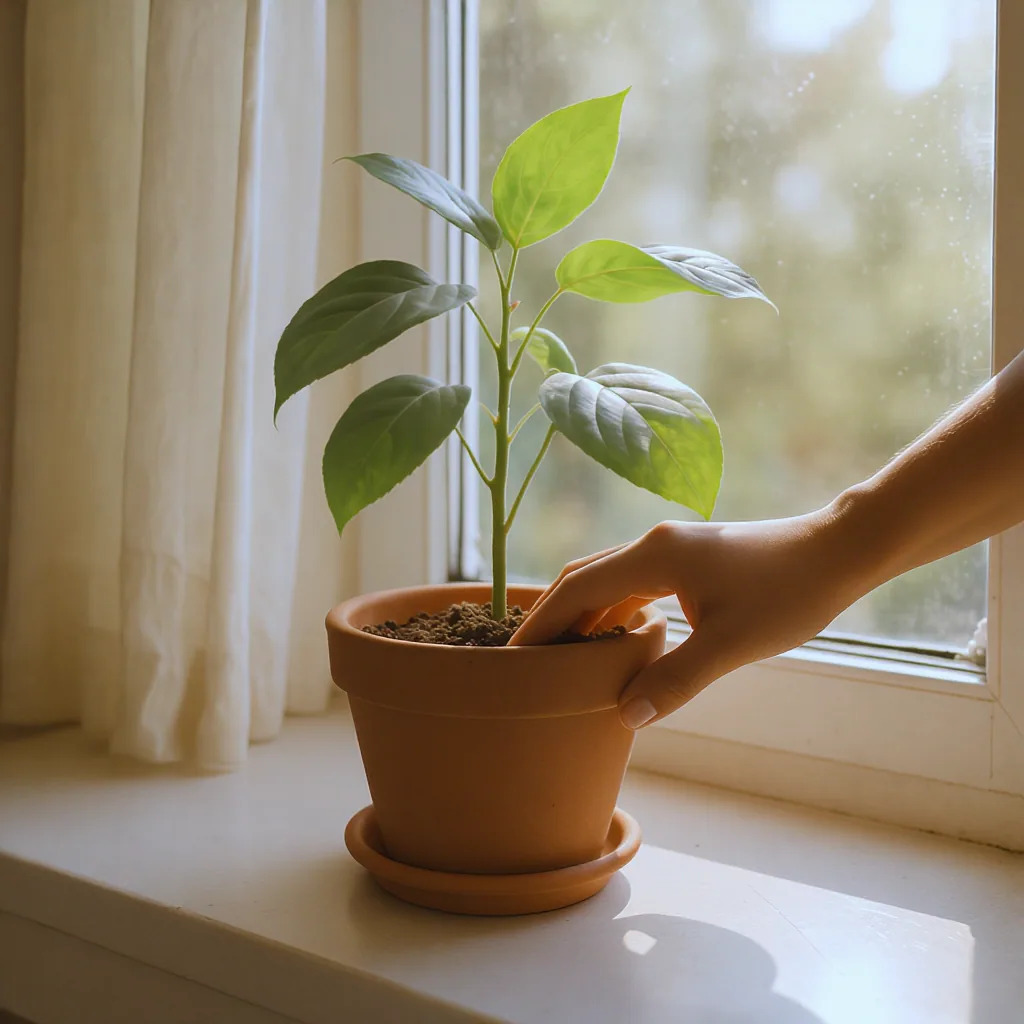
This is the gold standard for a reason. Stick your index finger about an inch deep into the soil (up to your first knuckle).
- If the soil feels dry at that depth, it’s time to water.
- If it feels damp, cool, or moist, wait. Check again in a day or two.
For larger pots or if you dislike dirt under your nails, lift the pot. A dry pot is surprisingly light. A watered pot is heavy. You can also use a simple, inexpensive soil moisture meter as a helpful tool to confirm what your finger feels.
Remember: For most common houseplants, it’s safer to slightly underwater than to overwater. Roots need air as much as they need water, and constantly soggy soil suffocates them.
The Afternoon Watering Protocol: When and How to Hydrate
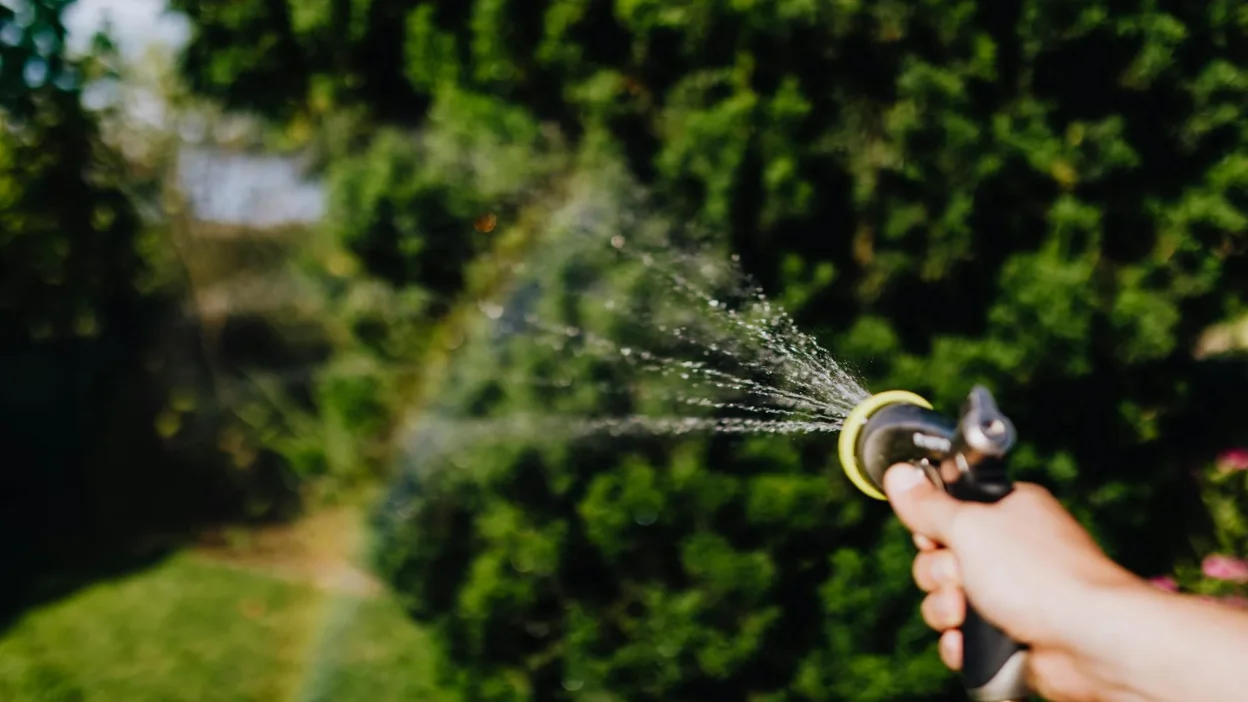
So, the finger test says “dry.” Now what? How you water is just as important as when. Follow this clear set of dos and don’ts to get it right.
Photo by Artem Podrez on Pexels
DO:
- Water in the Morning: This gives leaves time to dry and allows the plant to hydrate before the day’s heat, reducing risk of disease.
- Use Room-Temperature Water: Cold water can shock the roots. Let tap water sit out for an hour if it’s very cold.
- Water Thoroughly Until It Drains: Take your plant to the sink or use a watering can with a long spout. Water evenly over the soil until you see water running freely out of the drainage holes. This ensures the entire root ball gets moisture.
- Let It Drain Completely: Never let your plant sit in a saucer full of water. Empty the saucer after 15-20 minutes.
DON’T:
- Water on a Strict Schedule: Re-check the soil first, every time.
- Use Ice Cubes: This is a gimmick that can damage roots with cold and provides inconsistent moisture.
- Give Just a “Sip”: Light watering only wets the top soil, encouraging roots to stay shallow and weak.
- Ignore the Drainage Hole: Pots without drainage are very difficult for beginners. Always use a pot with a hole.
Connecting the Dots: How Light Dictates Thirst
Now let’s tie it all together. A plant in a bright, sunny window is like a person hiking on a hot day—it’s working hard and will need to drink water more often. The same plant placed in a low-light corner is like someone reading on the couch—its metabolism slows, and its water needs drop significantly.
This is the core insight: your daily plant care schedule is dynamic. The plant you water every 5 days in the sunny summer might only need water every 10-14 days in the gloomy winter. Your morning light check informs the urgency of your afternoon soil check. This connection turns you from a rule-follower into an observant plant caregiver.
Your 5-Minute Daily Care Playbook
Here is the integrated protocol—your simple, non-negotiable playbook for building confidence and healthy plants. Do this quick sequence once a day, ideally in the morning.
Minute 1: The Light Scan. Walk by your plants. Note the quality of light in the room. Is it bright and sunny or flat and grey? This sets your expectation for their activity level.
Minutes 2-3: The Soil Check. Pick 2-3 plants that you suspect might be dry (e.g., the ones in the brightest spots). Perform the finger test. For the others, just a visual scan of the soil surface is fine. You’re not testing everyone every day, just staying connected.
Minute 4: The Leaf Inspection. Glance at the leaves. Are they perky and facing the light? Any yellowing, drooping, or crisp edges? This is your plant’s way of sending you a message.
Minute 5: The Adjustment. Based on your checks, take one small action if needed: rotate a plant for even growth, move a leaning plant closer to the light, or note that a certain plant will likely need water tomorrow.
Pro Tips for Your Playbook
- Keep your watering can filled and nearby to reduce friction.
- If you’re unsure to water, wait one more day. It’s usually the safer choice.
- Talk to your plants? Silly but effective—it forces you to actually look at them.
- Use the weekend for a more thorough check of all plants and a quick wipe of dusty leaves.
Common Beginner Pitfalls (And How to Recover)
Everyone makes mistakes. The key is to recognize them early and know how to correct course. Here are the big ones.
Overwatering (The #1 Killer)
The Mistake: Watering too often, keeping the soil constantly wet. Symptoms include yellowing lower leaves, soft/mushy stems, and soil that never dries out.
How to Fix It: Stop watering immediately. Let the soil dry out completely. For severe cases, gently remove the plant from its pot to check for black, mushy roots (root rot). If present, trim the rotten roots and repot in fresh, dry soil. Going forward, always use the finger test.
Wrong Light Placement
The Mistake: Putting a low-light plant in a scorching south window, or a sun-worshipper in a dark bathroom.
How to Fix It: Research your plant’s actual needs (use that university extension link!). Move it gradually to a better spot over a few days to avoid shock. A sunburned plant won’t heal its crispy leaves, but new growth will be healthy.
Inconsistent Care (Feast or Famine)
The Mistake: Forgetting about the plant for two weeks, then drowning it in guilt-water.
How to Fix It: Implement the 5-minute daily playbook above. Consistency in observation is more important than consistency in watering. Set a daily reminder if you need to.
Misdiagnosis
The Mistake: Seeing yellow leaves and adding more water, when overwatering is the actual cause.
How to Fix It: Always check the soil moisture first when you see a problem. Dry soil + droopy plant = underwatering. Wet soil + yellow plant = overwatering. Let the soil tell you the story.
Reading Your Plant’s Signals: A Beginner’s Guide
Your plant communicates through its leaves and growth patterns. Learning this basic language helps you adjust your care before small issues become big problems. Use this as an educational guide, not a definitive diagnosis—sometimes multiple factors are at play.
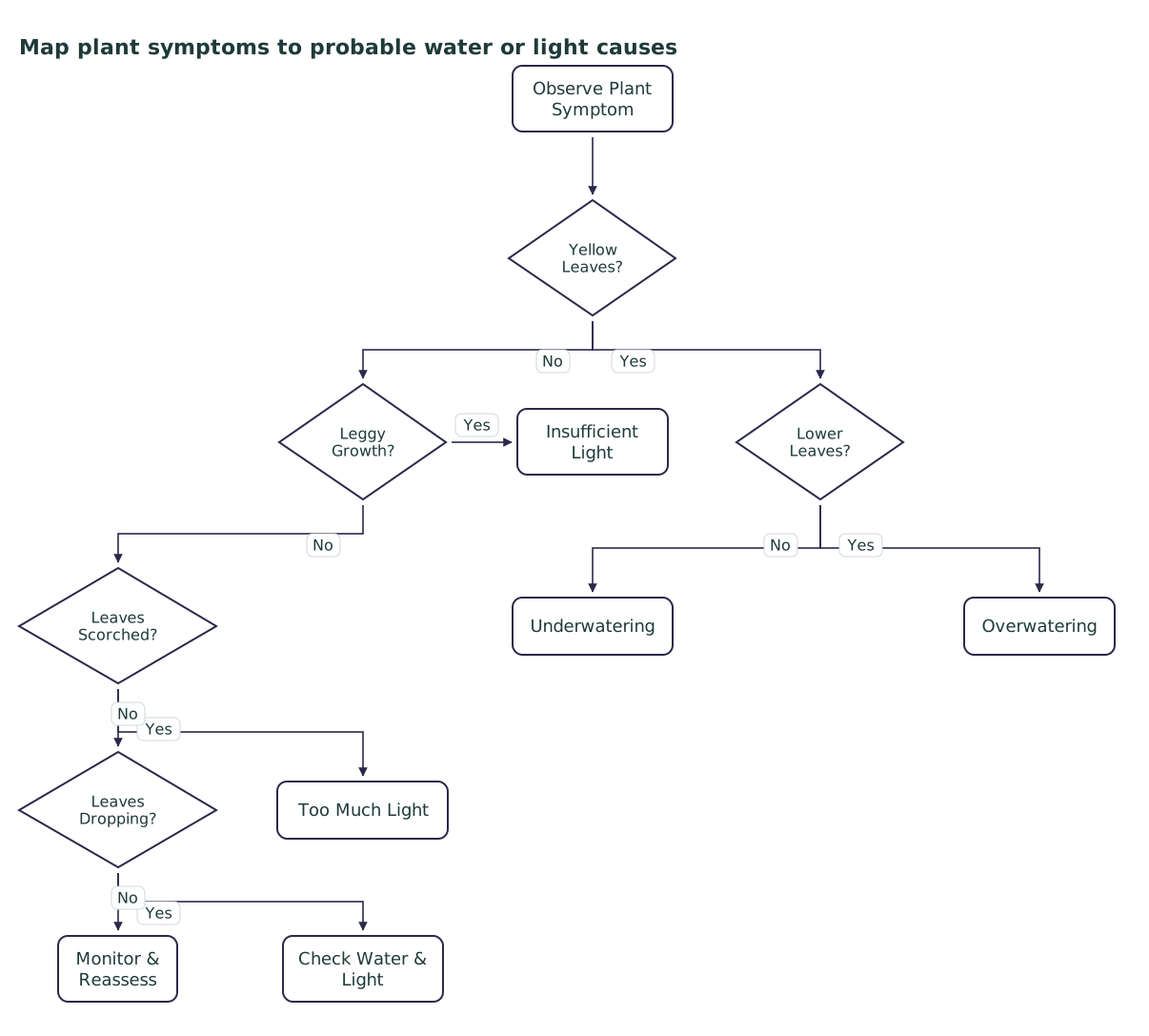
- Yellow Leaves, Especially Lower Ones + Wet Soil: Classic sign of overwatering. The roots are suffocating.
- Droopy, Wilting Leaves + Dry, Pulled-Away Soil: The plant is thirsty and needs a good soak.
- Leggy Growth (Long Stems with Wide Gaps Between Leaves): The plant is stretching desperately for more light. Move it closer to a window.
- Crispy Brown Leaf Edges or Tips: Often a sign of low humidity, but can also be from inconsistent watering (letting the plant get too dry too often) or a buildup of salts/minerals from tap water.
Tools That Help, Not Complicate
You don’t need a shed full of gear. These few affordable tools can remove guesswork and boost your confidence as you learn.
- A Moisture Meter: A simple probe you stick into the soil. It gives a “dry/moist/wet” reading. Great for deep pots or to confirm what your finger feels.
- A Watering Can with a Long, Narrow Spout: This allows you to water the soil directly without splashing leaves and to reach into dense foliage. Control is key.
- A Light Meter App: Many free apps use your phone’s camera to give a rough estimate of foot-candles or lux. It’s not lab-grade, but it helps you quantify “bright indirect light” in your specific space.
Remember, these are assistants. Your own daily observations are the most valuable tool you have.
Building Your Plant Care Confidence
The goal of mastering watering and light basics isn’t perfection—it’s developing a feel for the living thing in your care. You will overwater a plant. You will put one in a spot that’s too dark. These aren’t failures; they’re data points. The simple, repeatable protocol of checking light and then checking soil turns those mistakes into immediate learning.
Resilience in gardening comes from observation and small, correctable actions. Your plant doesn’t need a flawless botanist; it needs a consistent, attentive friend. Trust the process, trust your senses, and remember that every expert gardener killed their fair share of plants on the path to a green thumb.
So, take a breath. Your most powerful tools are already with you: your eyes, your finger, and a willingness to learn. Start tomorrow’s five-minute check with curiosity, not pressure. You’ve got this.
Successful plant care for beginners hinges on two interconnected principles: light first, water second. Place your plant according to its light needs (bright direct, bright indirect, or low), then water only when the top inch of soil is dry to the touch—never on a rigid schedule.
Integrate these into a simple, daily 5-minute routine: scan the light in your space, check the soil moisture of a few key plants, inspect leaves for signals, and make one small adjustment if needed. This consistent observation is your ultimate tool, turning guesswork into a learnable, rewarding habit.
Q: How often should I really water my plants?
A: There’s no universal answer. Water when the top inch of soil is dry, which could be every 4 days for a plant in a sunny window or every 2 weeks for one in low light. Always check the soil first—it’s the most reliable indicator of your plant’s specific thirst.
Q: What does ‘bright indirect light’ actually look like in my home?
A: It’s a spot that feels brightly lit all day, but where the sun’s rays never directly hit the leaves. Near an east-facing window, a few feet back from a south or west window, or in a room with a large, shaded skylight are classic examples. A soft, fuzzy hand shadow is a good test.
Q: Is tap water bad for my plants?
A: For most common plants, tap water is fine. If your water is heavily softened or has very high mineral content, you might see white crust on the soil or brown leaf tips. In that case, using filtered, rainwater, or tap water that’s been left out overnight can help.
Q: My plant is dying. Is it too late to save it?
A: Often, no. Plants are resilient. First, diagnose the issue: check soil moisture and roots. Trim away any dead, mushy roots or completely yellow/brown leaves. Repot in fresh soil if needed, place it in appropriate light, and adjust your watering. Be patient—recovery takes time, but many plants bounce back.
Q: Do I need to mist my plants for humidity?
A: Misting provides only a very temporary humidity boost and can promote fungal issues on leaves if overdone. For humidity-loving plants (like ferns or Calatheas), a pebble tray (a tray with water and pebbles under the pot) or a small humidifier is a more effective and consistent solution.
A related guide is Beginner Gardening Basics.