Feeling paralyzed by the choice between planting vegetables, herbs, or flowers for your first garden? You’re not alone. Standing in a garden center or scrolling through seed catalogs, the sheer number of options can turn excitement into anxiety for a new gardener. The question of what to plant first in a beginner garden isn’t about finding a single “right” answer that works for everyone. It’s about discovering the best fit for *you*—your space, your patience, and your personal “why.” This guide cuts through the overwhelm by comparing the three main paths, not as a test of your green thumb, but as a practical menu of options. Whether your dream is a salad bowl from your backyard, fresh herbs for your kitchen, or a burst of color on your patio, the best starting point is the one that aligns with your goals and sets you up for a confident, rewarding first season.
The best starting point for a new gardener is often a small container herb garden, as herbs like basil, mint, and parsley are forgiving, grow quickly, and provide immediate culinary rewards. However, your choice should ultimately align with your primary motivation: growing food, creating beauty, or having the easiest success. For most beginners seeking a low-stakes, high-reward experience, herbs offer the fastest path to gratification and build essential gardening confidence.
The Core Question: What’s Your ‘Why’ for Gardening?
Before you buy a single seed packet, take a moment to ask yourself the most important question: what’s your primary goal? Your motivation is the best compass for deciding what to plant first in your beginner garden. This isn’t about finding the one “right” answer, but about matching your first project to what will keep you excited and engaged.
Are you dreaming of harvesting your own food? Then a beginner vegetable garden is likely calling your name. The payoff is tangible—a salad or side dish grown by your own hands. Is your goal more about convenience and instant gratification, like snipping fresh herbs for tonight’s dinner? Starting a beginner herb garden offers quick, fragrant rewards with minimal fuss. Or, are you looking to create beauty, attract butterflies, and simply enjoy the process of nurturing something to bloom? A flower garden might be your perfect starting point for the first time.
Identifying your “why” cuts through the noise and makes the choice between veggies, herbs, and flowers much clearer. It aligns your effort with a reward that matters to you personally.
Side-by-Side: Vegetable, Herb, and Flower Gardens Compared
Let’s break down the practical realities. This comparison table lays out the key trade-offs for a new gardener, helping you see which type might fit your current lifestyle, space, and patience level. It’s a quick way to visualize the answer to “what to plant first beginner garden” based on hard facts.
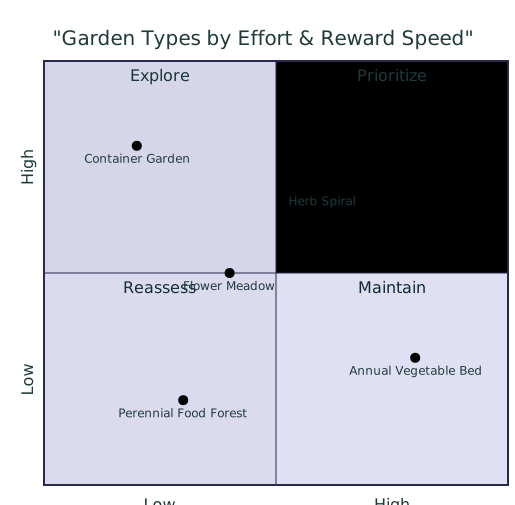
| Criteria | Vegetable Garden | Herb Garden | Flower Garden |
|---|---|---|---|
| Best For | Growers focused on food production & harvest. | Quick culinary rewards & low-maintenance gardening. | Creating visual beauty & supporting pollinators. |
| Space Needed | Moderate to High (raised beds, garden plots). | Very Low (pots, windowsills, small containers). | Flexible (containers to large borders). |
| Startup Cost | Medium-High (soil, amendments, supports, fencing). | Very Low (pot, soil, a few seed packets or plants). | Low-Medium (soil, plants/seeds, maybe fertilizer). |
| Time/Effort | Medium-High (consistent watering, pest monitoring, staking). | Low (forgiving of occasional neglect). | Medium (deadheading, watering, some pest control). |
| Speed to First Reward | Slow-Medium (weeks to months for most crops). | Fast (you can snip and use leaves in weeks). | Medium-Fast (annuals bloom in weeks; perennials take longer). |
| Beginner Difficulty | Medium (more variables like pests, diseases, nutrients). | Easy (resilient plants, simple needs). | Easy-Medium (forgiving annuals are very easy). |
Your Personal Scenario: Which Garden Fits Your Life?
Let’s apply the comparison to some common real-life situations. See which profile feels most like you.
The Apartment Dweller with a Sunny Windowsill
If your outdoor space is limited to a balcony or a bright kitchen window, a container herb garden is your undisputed champion. Herbs like basil, thyme, and oregano thrive in pots, need minimal root space, and provide constant, usable growth. It’s the simplest garden to start when square footage is scarce. A few small flower pots with marigolds or nasturtiums could be a cheerful companion project.
The Suburban Beginner with a Small Raised Bed
You have a dedicated 4’x4′ or 4’x8′ garden bed sitting empty. This is a classic setup for a beginner vegetable garden. You have the space for a few high-yield, rewarding plants. The contained area makes management easier than a large plot. You can mix in some easy flowers at the corners for pest control and color, following companion planting principles.
The Impatient Cook Who Wants Instant Gratification
If your patience runs thin and you want to see (and taste) results quickly, start with herbs. You can buy small plants from a nursery and use them the same day. Watching lettuce or radishes grow can feel fast for a vegetable, but nothing beats the immediate satisfaction of garnishing a meal with your own fresh-cut basil or chives. This fast feedback loop builds confidence for first-time gardener plant selection down the road.
Your First Plants: Top Picks for a Confident Start
Once you’ve chosen your path, success comes from picking the right plants. These are the proven, forgiving champions for each category—your best bets for a rewarding first season.
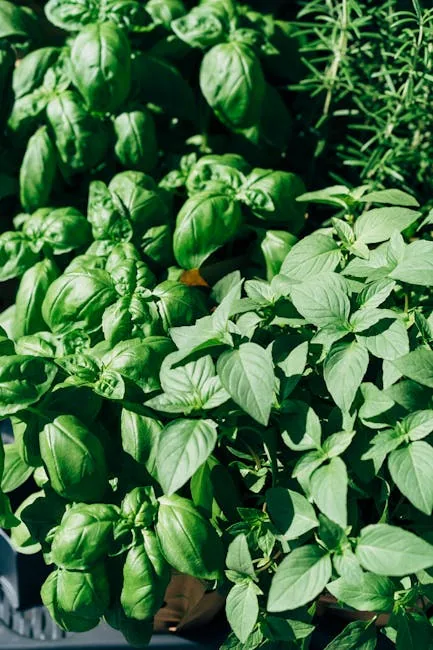
Photo by Markus Winkler on Pexels
Foolproof Vegetables for Beginners
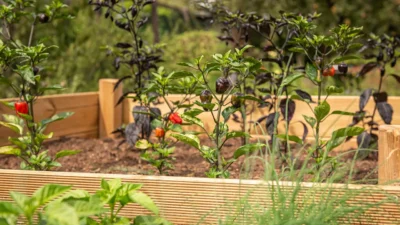
For your first beginner vegetable garden, choose crops that are resilient and productive. Lettuce and other leafy greens grow quickly and can be harvested as “cut-and-come-again.” Radishes are famously fast, ready in as little as 30 days. Cherry tomatoes (like ‘Sungold’) are prolific and more forgiving than large heirlooms; just give them a sunny spot and a stake.
Can’t-Kill Beginner Herbs
For a beginner herb garden, you almost can’t go wrong. Basil is a fast-growing annual that loves heat. Mint is incredibly vigorous (best grown in a container to prevent it from taking over). Chives and parsley are hardy perennials that will come back year after year with little effort.
Easy-Bloom Flowers for Instant Joy
If you want a burst of color with minimal fuss, start with annuals from seed or starter plants. Marigolds are tough, pest-resistant, and bloom all season. Zinnias are incredibly easy to grow from seed and produce loads of cut flowers. Sunflowers are the ultimate confidence-builder—their rapid, dramatic growth is thrilling for any gardener, especially a new one.
Start Where Your Excitement Is
So, what’s the best first garden for beginners? The honest answer is the one that aligns with your personal “why” and feels manageable. There’s a trade-off with every choice: vegetables offer tangible harvests but require more patience and care; herbs provide instant, low-maintenance rewards; flowers deliver beauty and help the ecosystem.
Don’t let the pursuit of a perfect starting point become a barrier. The true victory is simply beginning. Pick one type, choose two or three of the easy plants listed, and get your hands in the soil. The skills you learn—watering, observing, troubleshooting—are completely transferable. The confidence you gain from your first successful harvest or bloom will fuel your gardening journey for years to come.