You’ve nurtured your seedlings for weeks, carefully pricking them out and giving them a new home in the garden or a bigger pot. Then, within hours, they slump. Leaves wilt, stems go limp, and that vibrant green fades to a sickly yellow. It’s a moment of pure gardener’s heartbreak, and it’s called transplant shock in seedlings. Before you panic, know this: it’s a common, often temporary stress response, not a death sentence. This article cuts through the worry to explain exactly why this seedling transplant stress happens and, most importantly, walks you through the safest, most effective beginner fixes. We’ll focus on gentle recovery methods and how to reduce transplant shock in the future, turning a setback into a learning experience for your green thumb.
Transplant shock is a temporary stress response in seedlings caused by root disturbance and a sudden change in environment. The safest beginner fix is to water the plant thoroughly, protect it from direct sun and wind for a few days, and avoid fertilizing until it shows signs of new growth. Your primary job is to provide stable, gentle care and be patient, allowing the plant to redirect its energy to repairing its root system.
What Transplant Shock Really Is (It’s Not Just Wilting)
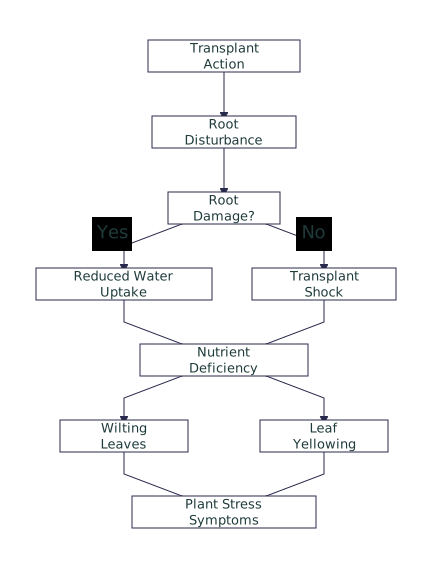
Transplant shock is a temporary, physiological stress response, not a disease. When you move a seedling, its root system is disturbed, and it suddenly faces a new environment. The plant’s immediate priority shifts from top growth to root repair and water uptake. This redirection of energy is what causes the visible symptoms we call transplant shock.
Common signs include wilting (the plant conserves water), leaf drop or yellowing, and a pause in growth. It’s crucial to understand that mild seedling transplant stress is a normal, often temporary setback. The plant isn’t dying; it’s simply reallocating resources to get re-established. Think of it as the plant catching its breath after a big move.
The 4 Main Culprits: Why Your Seedlings Get Shocked
Understanding the causes is the first step to prevention and recovery. Here are the four primary reasons your seedlings suffer from transplant stress.
1. Root Damage
This is the biggest trigger. Tearing fine root hairs during removal or planting severs the plant’s water-absorption network. Pot-bound seedlings with circling roots also struggle to expand into new soil, delaying establishment.
2. Environmental Whiplash
Moving a seedling from a stable indoor setup to the variable outdoors is a massive shock. A sudden increase in light intensity, a drop in humidity, or exposure to wind can overwhelm a plant that hasn’t been gradually acclimated.
3. Water Stress
Both underwatering and overwatering post-transplant are problematic. Dry roots can’t function, while soggy soil suffocates damaged roots, preventing the oxygen they desperately need for recovery.
4. Timing & Technique
Transplanting too early (when seedlings are too small and weak), during the heat of the day, or into improperly prepared soil (too cold, too compacted) forces the plant to work harder from the start.
The Safest Fixes: A Beginner’s Recovery Protocol
If your seedling is showing transplant shock symptoms, don’t panic. The safest approach is a gentle recovery protocol focused on support, not stimulation. Your goal is to reduce stress and create ideal conditions for root repair.
1. Water Deeply and Gently
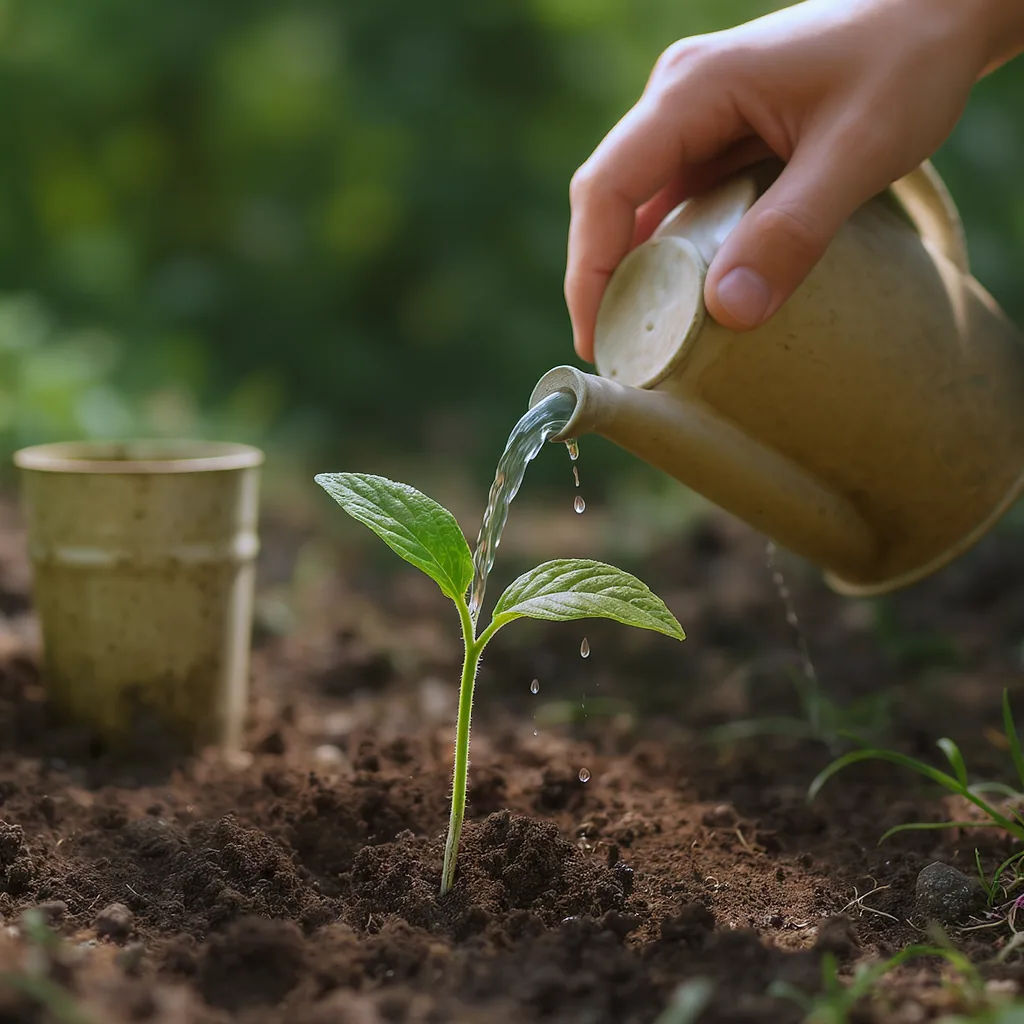
Give the plant a thorough, gentle watering at the base to settle the soil and eliminate air pockets around the roots. Ensure the water drains freely—the goal is evenly moist soil, not a swamp.
2. Provide Temporary Shade
For 3-5 days, shield the seedling from direct, harsh sun. Use a shade cloth, an upturned basket, or simply place it in a naturally shaded spot. This reduces water loss through leaves while roots recover.
3. Shield from Wind
Protect the plant from drying winds, which can worsen wilting. A simple physical barrier, like a board or another pot placed on the windward side, can make a big difference.
4. Hold Off on Fertilizer
This is critical. Fertilizing a shocked plant forces it to process nutrients when its energy is needed elsewhere. Wait until you see clear signs of new growth before even considering a diluted feed.
5. Monitor and Wait
Seedling recovery after transplant requires patience. Resist the urge to poke, prod, or re-pot. Keep the soil consistently moist (not wet) and observe. New growth is the ultimate sign of success.
Common Mistakes That Make Shock Worse
In our eagerness to help, we often make things worse. Avoid these common errors when treating transplant shock.
Don’t overwater. Soggy soil suffocates damaged roots, promoting rot. Stick to a deep watering at transplant, then water only when the top inch of soil feels dry.
Don’t fertilize immediately. As mentioned, this adds chemical stress. Damaged roots can also “burn” easily from fertilizer salts.
Don’t re-pot again. If the plant is struggling, moving it to yet another container causes more root disturbance. Let it recover in place.
Don’t do drastic pruning. While removing a severely damaged leaf is okay, aggressive pruning removes the foliage the plant needs to produce energy for recovery.
Don’t move the plant repeatedly. Find a suitable recovery spot (shaded, sheltered) and leave it there. Constantly shifting it creates more environmental whiplash.
Your Best Defense: How to Prevent Shock Next Time
The ultimate solution for how to reduce transplant shock is to stop it before it starts. A little prep work makes all the difference.
Harden Off Thoroughly
This is non-negotiable. Hardening off seedlings means gradually exposing them to outdoor conditions over 7-10 days. Start with an hour of dappled shade, slowly increasing time and sun exposure. This toughens them up and is the single best way to prevent transplant shock.
Choose the Right Time
Transplant on a cloudy, calm day or in the late afternoon. This gives the plant a cool, gentle night to start settling in before facing the sun.
Master the Technique
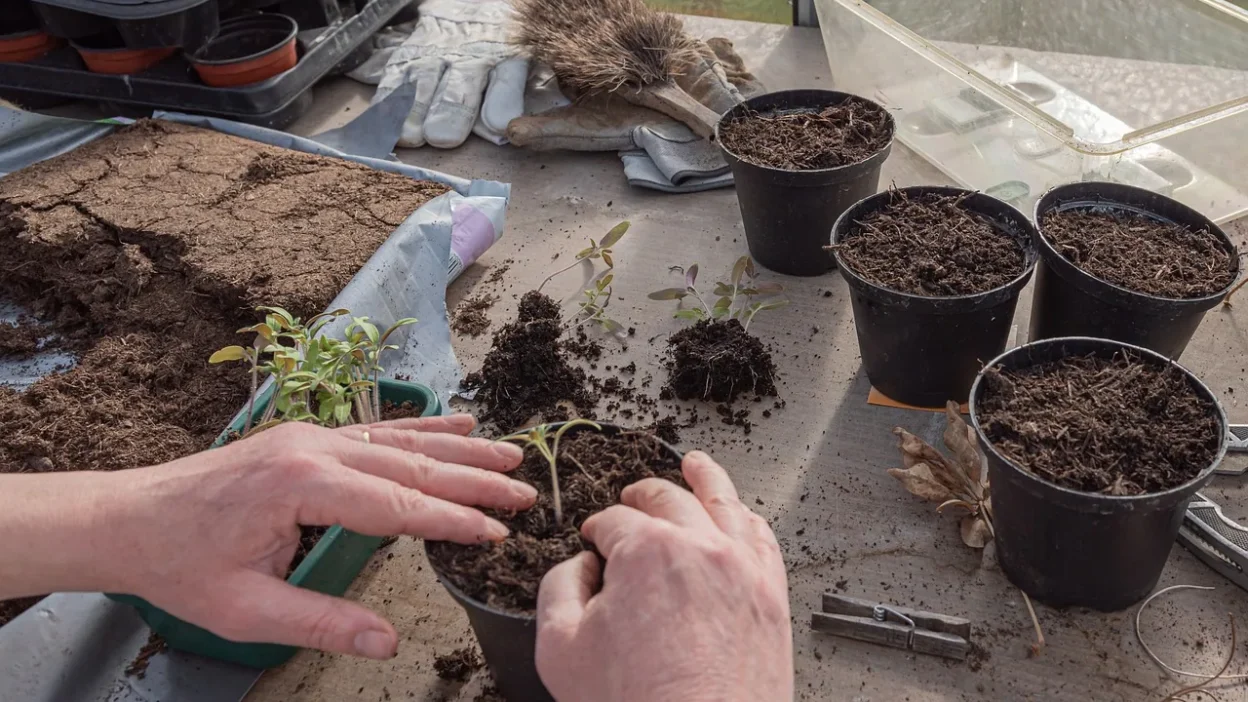
Water the seedling well in its original pot an hour before moving it. Handle by the leaves or root ball, never the stem. Loosen circling roots gently. Plant at the same depth it was growing before, and water in thoroughly to eliminate air pockets. For a detailed guide on the hardening off process, resources from university extension services, like this one from the University of Minnesota Extension, are excellent.
With these proactive steps, you’ll see far less wilting and faster, healthier establishment—transforming transplant day from a crisis into a routine success.
Embrace the Learning Curve
Seeing a wilted seedling after all your care is discouraging, but transplant shock is a common rite of passage, not a gardening failure. View it as your plant communicating its needs. By applying the gentle recovery protocol and, more importantly, focusing on prevention next time, you build essential skills.
Gardening is a partnership with nature, full of small setbacks and big comebacks. Your attention and these simple, safe techniques are the best tools you have. Trust the process, be patient, and you’ll be rewarded by the remarkable resilience of your plants as they settle into their new home and thrive.