You spend hours nurturing your soil and plants, but what about the tools that make it all possible? Most gardeners focus entirely on their green charges, but the real secret to a thriving, efficient garden isn’t just in the soil—it’s in the shed. Neglecting your spades, pruners, and shears is the silent killer of both your time and your budget, leading to rust, dull blades, and frustrating breakdowns. The good news? Learning how to clean and store garden tools properly isn’t a complex chore. It’s a simple, fast routine that protects your investment and ensures your equipment is always ready to perform. This guide will show you the straightforward steps to prevent damage and extend the life of your tools for years, turning basic garden tool maintenance from an afterthought into your gardening superpower.
The best way to clean and store garden tools is to adopt a quick post-use routine: remove soil, wipe with a disinfectant, and apply a light protective oil before storing them in a dry, organized space. This consistent habit prevents rust and wear far more effectively than an annual deep clean. Focus on getting the big dirt off and keeping moisture away, and you’ll save yourself hours of scrubbing and repair down the line.
Your Post-Gardening 5-Minute Cleanup Checklist
This is the single most important habit you can build for garden tool maintenance basics. A quick, consistent post-use routine prevents 90% of the problems that ruin tools. Don’t save it for a weekend project—do this right after you finish gardening, before you go inside.
Photo by Mateusz Feliksik on Pexels
1. Knock Off Loose Soil & Debris
Use a stiff brush, a putty knife, or even a stick to scrape off the big chunks of mud and grass. Doing this while the soil is still slightly damp makes it easier. The goal is to remove the bulk of the material before you add any water.
2. Scrub with Soapy Water
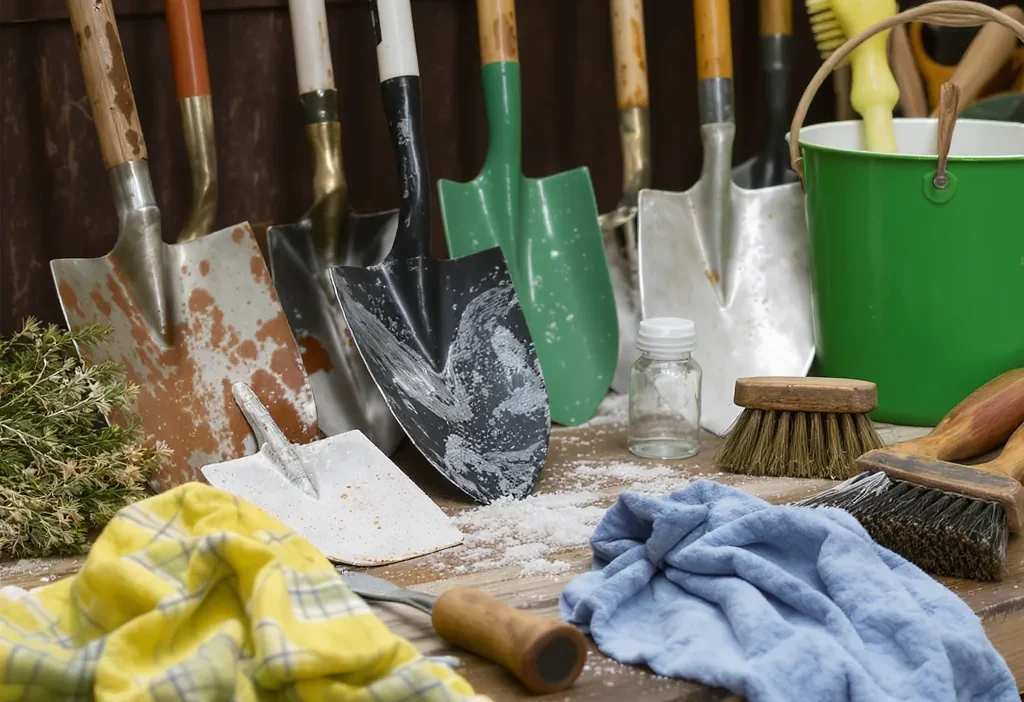
Fill a bucket with warm water and a squirt of dish soap. Use your stiff brush to scrub every surface of the tool—blades, handles, and joints. Pay special attention to crevices where gunk builds up. For pruners and shears, open and close them in the soapy water to work it into the pivot point.
3. Rinse and Dry Thoroughly
Rinse with clean water from a hose or a second bucket. This is the critical step to prevent rusty garden tools: you must dry every part completely. Use an old towel or rag and get the tool bone-dry. Don’t just shake it off and call it good; moisture left on metal is rust waiting to happen.
4. A Quick Disinfectant Wipe (For Disease Prevention)
If you’ve been pruning diseased plants or are moving between different garden beds, a quick wipe with a disinfectant is wise. Dip a cloth in a solution of 70% isopropyl alcohol or a diluted bleach mix (1 part bleach to 9 parts water) and wipe down the blades. This prevents spreading fungal or bacterial issues.
5. Apply a Light Protective Oil
Finally, take a rag with a few drops of machine oil (like 3-in-1 oil), mineral oil, or even a light coating of WD-40, and wipe it over all metal surfaces. This creates a barrier against moisture. For wooden handles, a quick rub with boiled linseed oil a few times a season keeps them from drying and cracking.
The Right Way to Sharpen and Deep-Clean Blades
While the 5-minute routine handles daily grime, cutting tools need occasional TLC to stay effective and safe. A dull blade tears plant tissue instead of cutting it cleanly, which can harm your plants. Here’s how to perform basic garden tool maintenance on edges.
Sharpening Pruners, Shears, and Shovels
You don’t need fancy equipment. A simple hand file or sharpening stone works for most tools. The key is to match the existing angle of the bevel (usually 20-30 degrees). Hold the tool securely and push the file along the edge in one direction, away from your body, 5-10 times. Check for a slight burr on the opposite side, then lightly file it off. Always wear gloves.
Deep Cleaning Sap and Rust
Sap can glue pruners shut. To remove it, soak a cloth in rubbing alcohol, paint thinner, or a commercial sap remover and scrub the blade. For light surface rust, use fine steel wool or a wire brush soaked in white vinegar. Scrub gently, then rinse, dry, and oil immediately. For heavy rust, you may need a specialized rust dissolver, but prevention is always easier than the cure.
Storing Tools So They’re Ready for Next Season
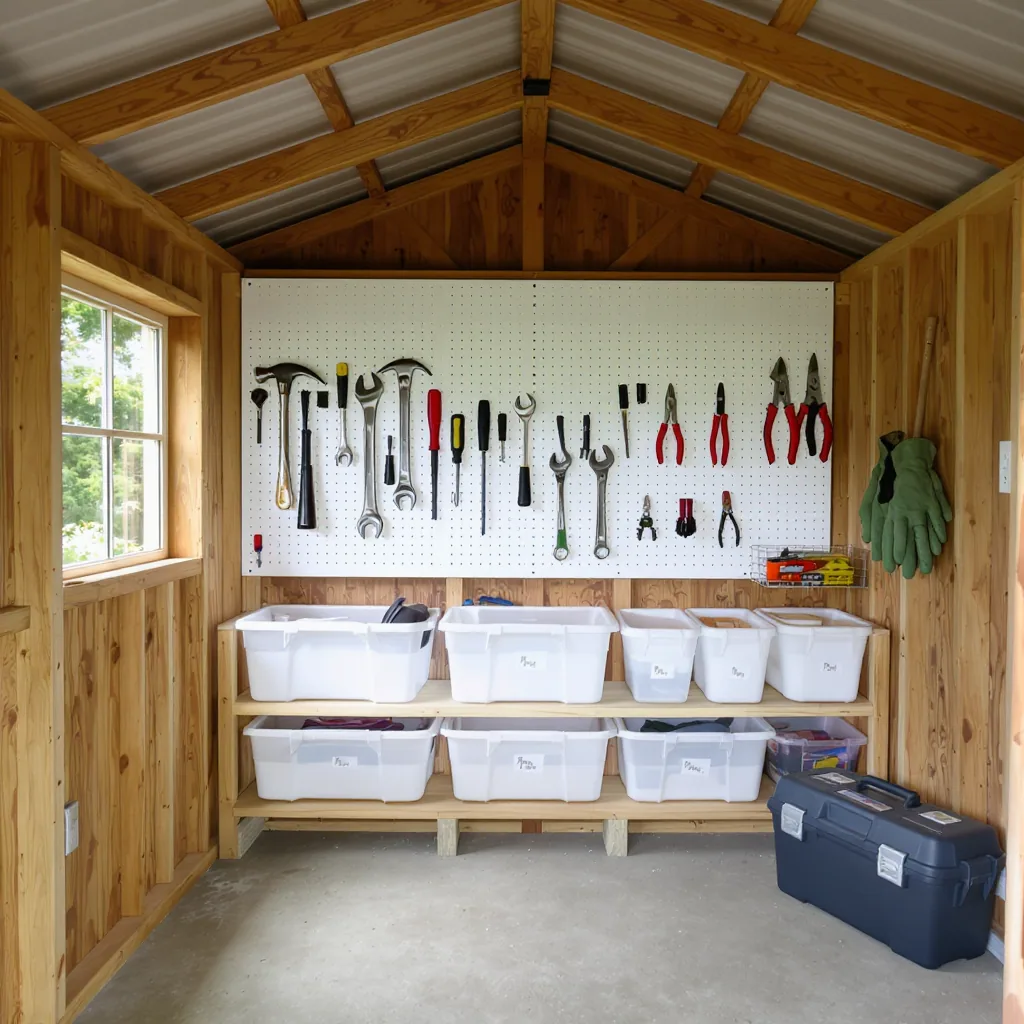
Proper storage is where you win the long-term battle for tool longevity. A chaotic, damp corner of the garage is a tool’s worst enemy. Here’s how to set up a storage system that protects your investment.
DO:
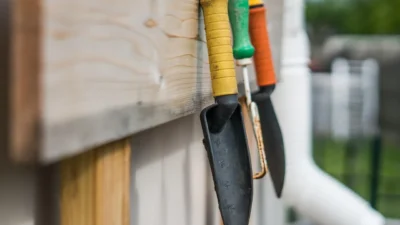
- Hang tools up. Use a pegboard, wall hooks, or a slatwall system. This keeps blades off concrete floors (which draws moisture) and prevents handle damage.
- Control moisture. In a damp shed, use a dehumidifier or toss a few silica gel packs into your tool chest. Good airflow is your friend.
- Coat metal before long storage. For winterizing, apply a heavier coat of oil or use a rust-inhibitive spray like Fluid Film. For shovel and spade blades, storing them plunged in a bucket of sand mixed with motor oil is a classic, effective trick.
- Keep them organized. You’re more likely to put a tool away properly if it has a designated spot.
DON’T:
- Leave tools wet. Never put a damp tool away, even overnight.
- Pile them in a corner. This dings blades, cracks handles, and traps moisture between tools.
- Store in original packaging. Cardboard and plastic wrap trap humidity against the metal.
- Ignore the environment. An uninsulated, leaky shed will undo all your cleaning work. Aim for a dry, stable space.
Common Tool Care Mistakes (And How to Fix Them)
Even with good intentions, it’s easy to slip into habits that shorten your tools’ lives. Here are the most frequent errors and the simple corrections to get back on track.
Mistake 1: Putting Tools Away Wet. This is the #1 cause of rust. The fix is immediate and non-negotiable: make drying the final step of your gardening session. Keep an old towel by the door.
Mistake 2: Never Sharpening Blades. Dull tools require more force, are dangerous, and harm plants. The fix: Schedule a sharpening session twice a year—once in spring and once before winter storage. It takes 10 minutes per tool.
Mistake 3: Using Tools for the Wrong Job. Using pruners to cut wire or a shovel as a pry bar can chip or bend metal. The fix: Use the right tool for the task. Keep a cheap pair of wire cutters handy.
Mistake 4: Storing in Cardboard or Plastic. These materials hold moisture against the metal. The fix: Remove all packaging. If you need to cover tools for dust, use a breathable canvas cloth.
Mistake 5: Ignoring Wooden Handles. Dry, cracked handles can splinter and break. The fix: Once or twice a year, sand down any rough spots and apply a coat of boiled linseed oil to nourish the wood.
Treat Your Tools Like the Partners They Are
Ultimately, learning how to clean and store garden tools isn’t about adding another chore to your list. It’s about respecting the equipment that makes your gardening possible and protecting the money you’ve invested in it. A well-maintained tool feels better in your hand, works more efficiently, and lasts for decades—often becoming a trusted heirloom.
Your decisive next step is this: After your very next gardening session, before you walk inside, take 90 seconds. Grab the rag you keep with your oil bottle, wipe the soil off your trowel and pruners, give them a quick oily pass, and hang them up. That single, small act is the foundation of a lifetime of reliable tools.