You’ve got the seed packets. You’ve got the vision of lush, productive rows. But when you look at your garden plot, all you see is a patch of lumpy, weedy, seemingly lifeless dirt. That moment of excitement crashing into the reality of the work ahead is a universal gardener’s experience. The good news? That feeling of overwhelm is completely unnecessary. Transforming that patch into a thriving, ready-to-plant bed isn’t about guesswork or backbreaking labor—it’s about following a simple, systematic soil prep checklist before planting. Think of it as the single most important investment you can make in your garden’s future; getting this foundation right is what separates struggling plants from vigorous, productive ones. This guide cuts through the complexity and gives you a clear, actionable plan to prepare your soil for vegetables, herbs, or flowers, so you can turn that moment of hesitation into confident action.
The best way to prepare your garden soil is to follow a systematic checklist: clear the area, test your soil, loosen and amend it with organic matter, and create a fine, level seedbed. This foundational work of pre-planting soil preparation ensures your plants have the nutrients, drainage, and structure they need for strong starts. By methodically working through these steps, you address the root causes of common garden problems before a single seed is sown, setting the stage for a successful season.
Your Essential Soil Prep Checklist
This is your core, step-by-step guide for preparing soil for garden beds. Follow these five steps in order to build a perfect foundation for your seeds and seedlings.
1. Clear & Define the Area
Start with a clean slate. Remove any weeds, rocks, old plant debris, and litter. If you’re establishing a new bed, use a garden hose or string to outline its shape. This step prevents future competition and gives you a clear workspace for the real work of pre planting soil preparation.
2. Test Your Soil (Simple Methods)
Don’t guess—test. The easiest method is the squeeze test: grab a handful of moist (not wet) soil and squeeze it. If it forms a tight ball that doesn’t crumble when poked, it has too much clay. If it falls apart immediately, it’s too sandy. For more detail, a simple pH and nutrient test kit from a garden center can reveal if your soil is acidic or alkaline and what major nutrients it lacks.
3. Loosen the Soil (Digging vs. No-Till)
Roots need air and space to grow. For new in-ground beds, use a shovel or garden fork to turn the soil to a depth of about 8-12 inches, breaking up large clods. For established beds or a no-till approach, simply use a digging fork to aerate the soil without inverting it. This soil conditioning for new plants is non-negotiable for healthy root development.
4. Amend Based on Your Test
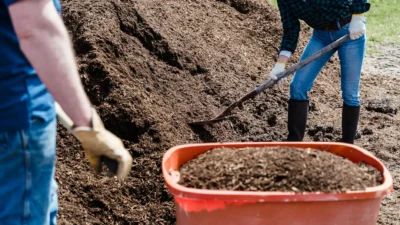
This is where you “feed” your soil. Based on your test results, mix in amendments. For almost all gardens, adding 2-4 inches of well-rotted compost or aged manure is the single best thing you can do. It improves drainage in clay, water retention in sand, and adds nutrients. For pH adjustment, garden lime raises pH (for acidic soil), while sulfur lowers it (for alkaline soil).
5. Level and Create a Fine Tilth
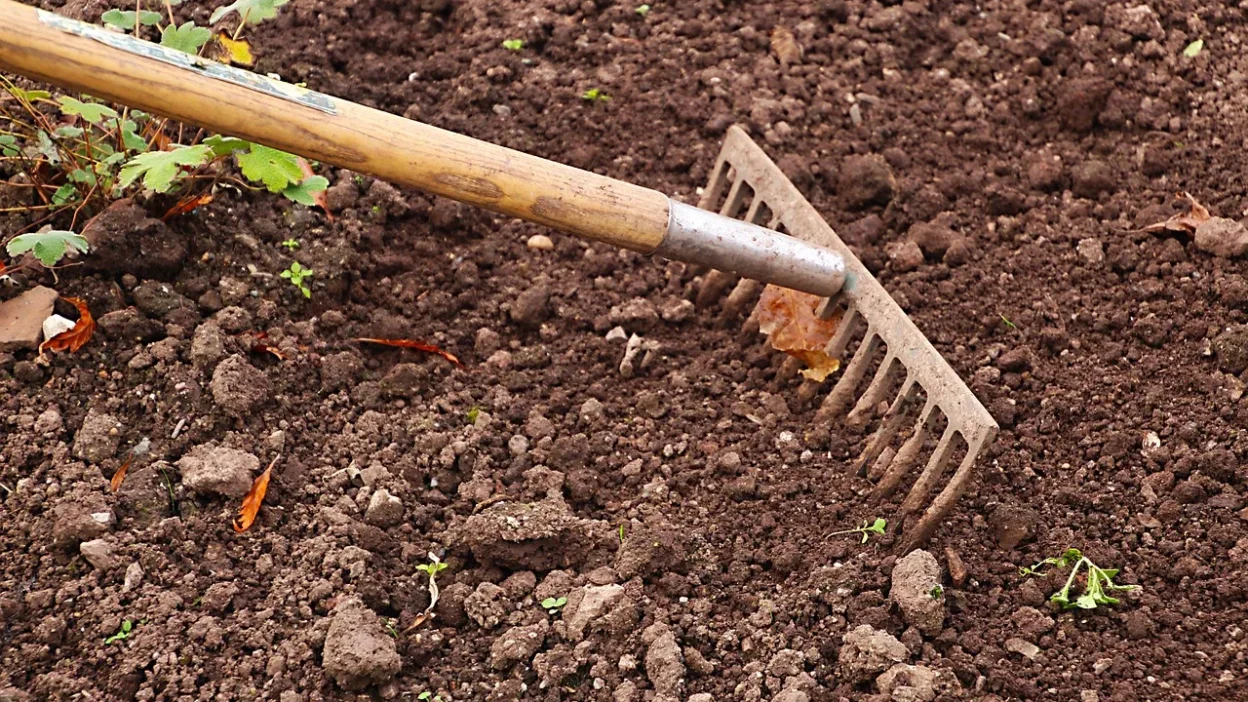
Finally, use a rake to level the soil surface and break any remaining clumps into small, crumbly pieces—this is called a “fine tilth.” It’s the perfect texture for sowing small seeds and ensures even water penetration. Your bed preparation before planting is now complete.
Tailoring Prep for Your Garden Type
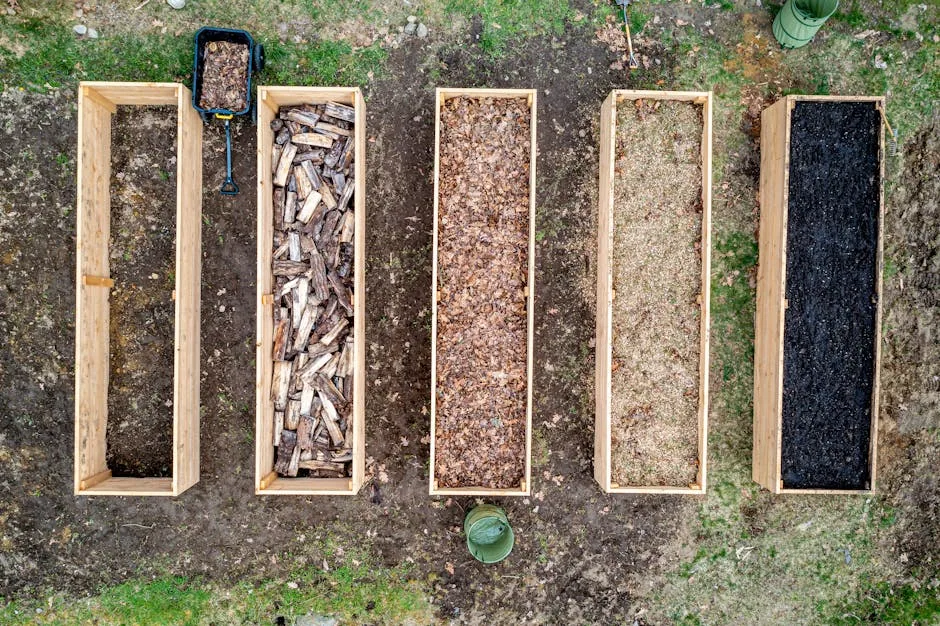
Photo by Skyler Ewing on Pexels
The core checklist applies everywhere, but your approach will shift slightly depending on your garden’s setup. Here’s how to adapt your garden soil preparation checklist.
For a New In-Ground Bed
Follow the checklist exactly as written. The focus here is on improving the native soil. The digging step is crucial to relieve compaction and integrate amendments deeply. This is the most labor-intensive option but creates a permanent, fertile area.
For a Raised Bed
You’re starting with a blank canvas. Skip the deep digging step. Instead, fill your frame with a high-quality soil mix, often a blend of topsoil, compost, and aeration material like coarse sand or perlite. The goal of preparing soil for garden beds like these is to create ideal conditions from day one. Simply loosen the mix with a fork, level it, and you’re nearly ready to plant.
For Pots & Containers
Your entire soil prep steps for vegetables or flowers happens at the potting mix selection stage. Never use garden soil in containers—it compacts. Always use a fresh, high-quality potting mix designed for containers. It provides the right balance of drainage, aeration, and water retention. Fill your pot, lightly fluff the mix, and moisten it before planting.
Soil Prep Do’s and Don’ts
Keep this quick-reference list handy to steer your work in the right direction.
DO:
- Do add compost every single year. Soil is a living system that consumes organic matter.
- Do let freshly amended soil settle for a few days, or water it lightly, before planting seeds.
- Do work the soil when it’s moist, like a wrung-out sponge, not when it’s soggy or bone dry.
- Do wear gloves, especially when handling store-bought amendments like lime or manure.
DON’T:
- Don’t work soil when it’s wet. This destroys soil structure and creates hard clods as it dries.
- Don’t skip the soil test if your plants struggled with growth or color last season.
- Don’t mix sandy soil into clay soil (or vice versa) hoping to “balance” it. Amend both with organic matter instead.
- Don’t walk on your prepared beds, as this re-compacts the soil you just loosened.
Common Soil Prep Mistakes to Avoid
Even with a good checklist, it’s easy to slip up. Here are the key pitfalls that can undermine your pre-planting garden soil work.
1. Planting in Compacted Soil. This is the most common error. Roots can’t penetrate hard, un-loosened earth, leading to stunted, stressed plants. Always break up the soil to at least shovel-depth for in-ground planting.
2. Guessing with Fertilizer. Adding a high-nitrogen fertilizer “just in case” can burn young roots and seedlings. A soil test tells you what’s actually needed, or you can rely on gentle, nutrient-rich compost to feed plants slowly and safely.
3. Using “Hot” or Weedy Amendments. Manure that isn’t fully aged (at least 6 months) can contain high salt levels and ammonia that harm plants. Similarly, compost that hasn’t reached a high enough temperature can be full of weed seeds. Source your amendments from reputable suppliers.
4. Rushing the Process. Good getting soil ready for seeds takes a little time. Trying to dig, amend, and plant all in one frantic afternoon often leads to poor soil texture and uneven amendment mixing. Spread the work over a couple of days if you can.
Your Foundation for a Thriving Garden
Think of this soil prep checklist before planting not as a chore, but as the most important investment you can make in your garden’s future. The hour or two you spend on these foundational steps pays dividends all season long in the form of stronger plants, better yields, and far fewer headaches with pests and disease.
You don’t need to do it all perfectly. Start by simply clearing your chosen area. Then, take it one step at a time. By following this systematic approach to pre planting soil preparation, you’re not just working the dirt—you’re building a vibrant, living ecosystem ready to support whatever you choose to grow.