If you’re new to gardening, you’ve probably spent hours dreaming about the perfect tomatoes or the most vibrant flowers. Here’s the counterintuitive truth most beginners miss: the real secret to a thriving garden isn’t found at the plant nursery. It’s hidden in the ground beneath your feet. Obsessing over plants while treating soil as an afterthought—just “dirt” to stick them in—is the single biggest myth that sets new gardeners up for frustration. In reality, soil is a complex, living city teeming with billions of organisms, and understanding this ecosystem is your first and most important job. This guide will cut through the overwhelming jargon around soil compost and fertilizer basics for beginners, transforming confusion into clear, actionable steps. We’ll reframe your entire approach, showing you how to build a fertile, living foundation that does most of the hard work for you, naturally.
For new gardeners, the most critical step is to stop thinking of soil as just dirt and start building it with organic matter like compost. This creates a living, fertile foundation that feeds plants naturally and reduces reliance on synthetic fertilizers, which are best used as targeted supplements, not a cure-all. Focus first on enriching your soil’s health; a vibrant ecosystem below ground solves most common problems above ground, making gardening simpler and more sustainable from the start.
Myth #1: Soil is Just Dirt – The Living Truth Beneath Your Feet
Let’s start by shattering the biggest misconception: your garden bed is not filled with inert “dirt.” It’s a bustling, living city. Thinking of it as just dirt is like looking at a smartphone and seeing only a piece of plastic and glass. The magic is in the complex, interconnected life inside.
Healthy soil is a precise mixture of just five things: mineral particles (sand, silt, clay), water, air, organic matter, and living organisms. The minerals are the city’s infrastructure—the buildings and roads. The organic matter (decaying leaves, plant roots, compost) is the food, fuel, and housing for the residents. And those residents? They are the billions of bacteria, fungi, protozoa, and earthworms that form the soil food web. They break down organic matter, make nutrients available to plants, fight diseases, and create the crumbly structure that roots love.
This is the core of soil health for new gardeners. When you nurture this living ecosystem, you’re building a resilient foundation that supports your plants in ways no bag of fertilizer ever could. Your first job as a gardener is to become a steward of this hidden world.
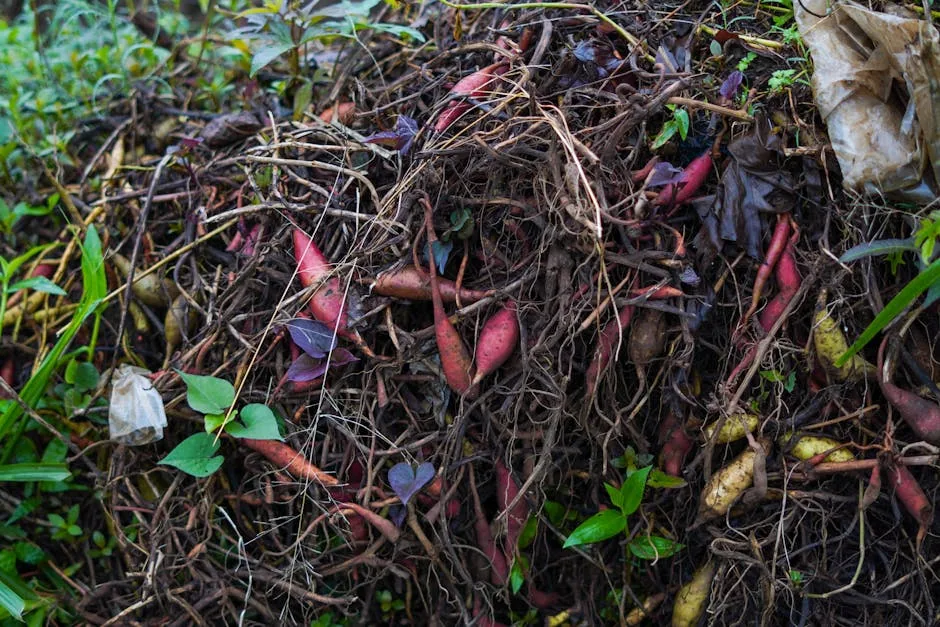
Photo by Robbi F on Pexels
The Compost Confusion: Black Gold vs. Garden Waste
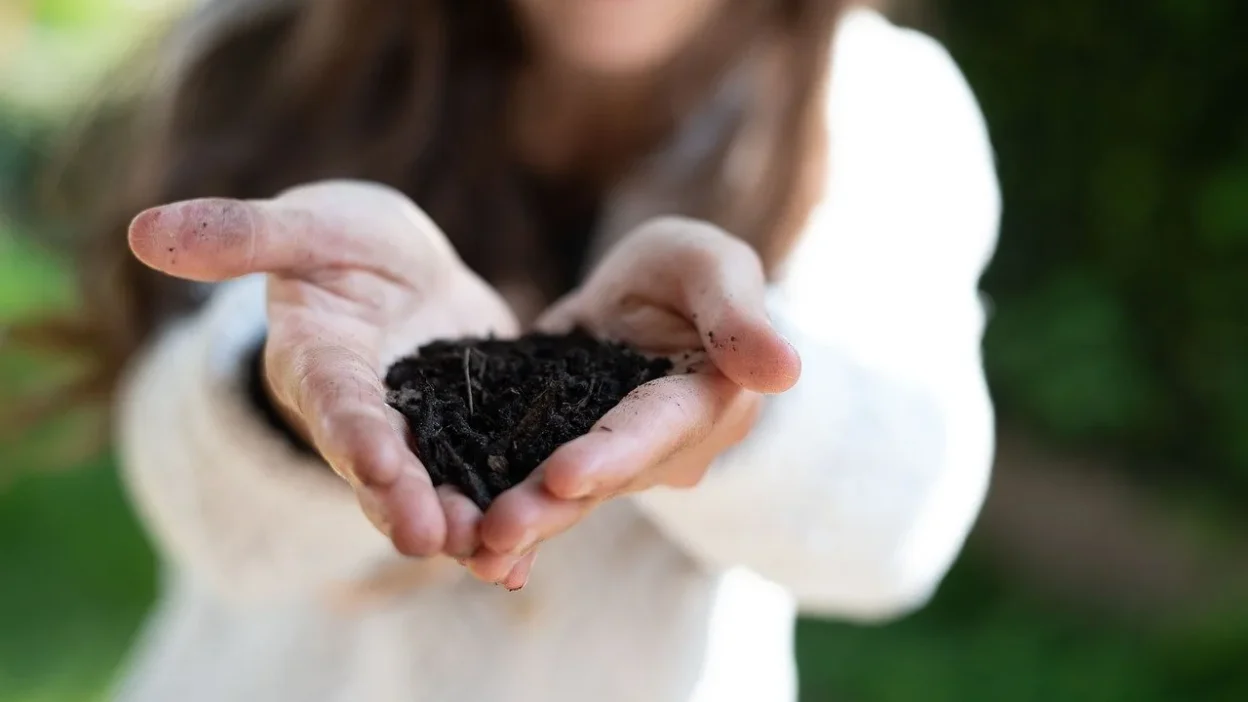
Compost is the single best thing you can add to your garden, but it’s often misunderstood. It’s not just a pile of old banana peels and grass clippings. True compost is the finished product of decomposition—a dark, crumbly, earthy-smelling material often called “black gold.” It’s the result of a microbial feast.
How Compost Happens (The Simple Science)
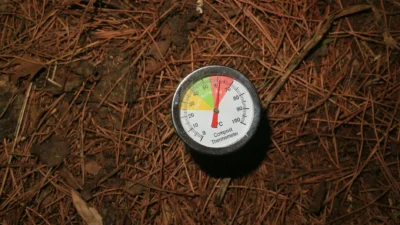
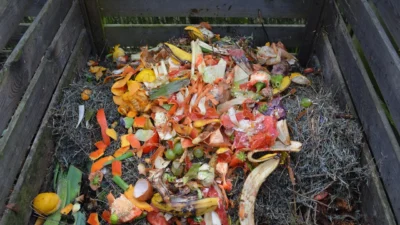
The process hinges on balancing “greens” (nitrogen-rich materials like vegetable scraps, fresh grass) and “browns” (carbon-rich materials like dried leaves, cardboard). Microbes eat this mix, generating heat as they work. You don’t need a chemistry degree; just aim for a rough mix of about 2 parts browns to 1 part greens by volume. Turn the pile occasionally to add air, and keep it as moist as a wrung-out sponge.
Compost vs. Other Stuff: A Critical Distinction
It’s crucial to differentiate compost from similar materials:
- Compost is finished and stable. It won’t burn plants and is a gentle soil conditioner.
- Mulch (like wood chips) is applied on top of soil to suppress weeds and retain moisture. It decomposes slowly into compost.
- Raw Manure is “hot”—it can burn plant roots and may contain pathogens. It must be aged or composted before use.
For composting basics for beginners, start small. A simple pile or bin works. Do mix your materials, and don’t add meat, dairy, or oily foods which can attract pests. The goal is to feed the soil’s residents, and they’ll repay you tenfold.
Fertilizer Demystified: Plant Food or Soil Supplement?
If compost is a long-term investment in soil health, fertilizer is a short-term nutrient boost. It’s a concentrated source of essential elements, primarily Nitrogen (N), Phosphorus (P), and Potassium (K). You’ll see these represented as three numbers on a bag (e.g., 10-10-10).
What the N-P-K Numbers Mean (The Quick Guide)
Think of these macronutrients by the plant parts they support most:
- Nitrogen (N): For green, leafy growth. A deficiency often shows as yellowing leaves.
- Phosphorus (P): For strong root development and flowering.
- Potassium (K): For overall plant health, disease resistance, and fruit quality.
A simple mnemonic: “Leaf, Root, Flower/Fruit.”
Organic vs. Synthetic: A Difference in Delivery
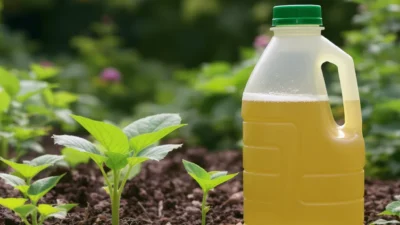
This is a key concept in understanding garden fertilizer. Organic fertilizers (like bone meal, fish emulsion) are derived from once-living things. They generally need soil microbes to break them down, feeding the soil ecosystem as they release nutrients slowly. Synthetic fertilizers are manufactured, water-soluble salts that deliver nutrients directly to plant roots, fast.
The critical takeaway? Compost feeds the soil life, which then feeds the plant. Fertilizer feeds the plant directly. Synthetic fertilizers can give plants a quick fix but do nothing to build long-term soil structure or biology. They’re a supplement, not a foundation.
Your First Soil & Fertility Action Plan
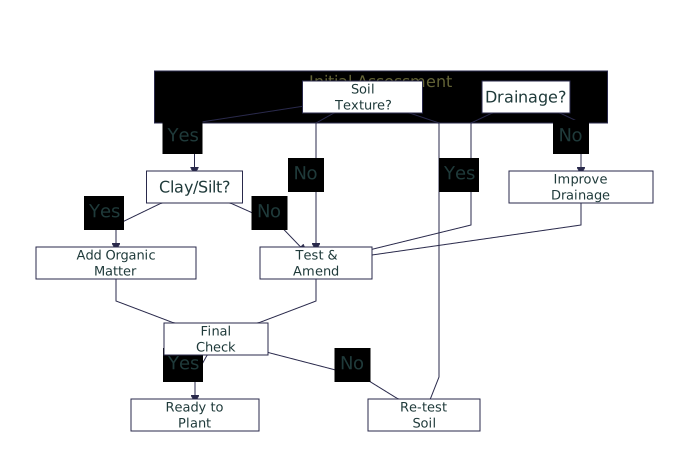
Feeling overwhelmed? Let’s translate this into a simple, sequential plan. Follow these steps in order for a solid start to building fertile soil.
Step 1: Observe & Do a Simple Test
Before you add anything, get to know your soil. Grab a handful. Is it sticky (clay), gritty (sandy), or crumbly (loamy)? For a classic home test, put soil in a jar with water, shake, and let it settle into layers of sand, silt, and clay. Also, note how water drains after a rain. This observation is your baseline.
Step 2: Add Compost Generously
This is almost always the right first move. Spread a 2- to 4-inch layer of finished compost over your garden bed and gently mix it into the top 6-8 inches of soil. For containers, mix 1 part compost with 2 parts potting mix. This single act improves texture, adds beneficial life, and provides a slow-release nutrient bank.
Step 3: Assess Plant Needs Before Fertilizing
After planting, watch your plants for a few weeks. Are they growing vigorously with deep green leaves? Hold off on fertilizer. Lush, healthy growth is a sign your soil is already providing. Reaching for fertilizer first is a common rookie error.
Step 4: Fertilize Thoughtfully & Safely
If plants show specific signs of hunger (like stunted growth or pale leaves), choose a fertilizer that matches the need. Always follow label rates—more is not better and can “burn” plants and harm soil life. When in doubt, use half the recommended dose. For a long-term, gentle approach, lean toward organic options that support the soil ecosystem you’re building.
Common Pitfalls & How to Sidestep Them
We all make mistakes, especially when starting out. Here are the most common stumbles in garden fertility basics and how to avoid them.
1. Using Fertilizer as a Cure-All
The Mistake: Seeing a yellow leaf and immediately pouring on fertilizer. Many problems (overwatering, poor drainage, pests) mimic nutrient deficiencies.
Do Instead: Investigate first. Check soil moisture, look for bugs, and review your watering habits. Fertilizer should be your last suspect, not your first.
2. Under-Compacting (Not Adding Enough Organic Matter)
The Mistake: Adding a tiny sprinkle of compost once and expecting miracles. Soil building is an ongoing process.
Do Instead: Make adding compost an annual ritual. A 1-2 inch top-dressing each spring or fall works wonders for maintaining fertility.
3. Ignoring Soil pH
The Mistake: Assuming your soil’s acidity/alkalinity is fine. If the pH is too high or too low, plants can’t access nutrients, even if they’re present.
Do Instead: Consider a simple pH test kit or send a sample to a cooperative extension soil testing lab. It’s an easy check that solves many mysteries.
4. Treating All Plants the Same
The Mistake: Giving heavy-feeding tomatoes and light-feeding herbs the same fertilizer regimen.
Do Instead: Group plants with similar needs. Leafy greens love nitrogen, while root crops need less nitrogen and more phosphorus. Tailor your approach.
5. Using “Hot” or Unfinished Amendments
The Mistake: Tilling fresh grass clippings or raw manure directly into a bed, which can decompose violently, generating heat and ammonia that harm roots.
Do Instead: Always compost these “hot” materials first until they are dark, cool, and crumbly.
Beyond Basics: Listening to Your Garden
The ultimate goal of learning these soil compost and fertilizer basics for beginners isn’t to follow a rigid recipe. It’s to develop a relationship with your garden. Your plants are constantly giving you feedback on their soil environment.
Pale green or yellowing older leaves often whisper a need for nitrogen. Purplish tints or poor flowering might hint at a phosphorus shortage. Stunted growth despite good care could point to compacted soil or poor drainage, not a lack of food. This is the heart of practical nutrient management in gardens—observation.
Move from being a technician who applies products to an ecologist who supports a system. Start each season by observing, then add compost, then watch and respond. This shift in mindset—from forcing growth to facilitating it—is what separates a beginner from a confident gardener. Your soil is alive; learn its language, and it will tell you everything you need to know.
Start From the Ground Up
Mastering your garden’s soil and fertility isn’t a one-time task you check off a list. It’s the fundamental journey of gardening itself. By choosing to focus on the living foundation beneath your feet, you’re opting for the sustainable, resilient, and deeply rewarding path.
You now know the critical difference between building a system with compost and supplementing it with fertilizer. You have a simple action plan and you’re aware of the common pitfalls. This knowledge empowers you to move beyond guesswork and fear.
So here is your decisive next step: This weekend, skip the plant nursery. Instead, visit a local compost supplier, or find a corner to start a small compost pile. Get your hands in the “black gold.” The true mark of a gardener isn’t a perfect tomato; it’s a handful of vibrant, life-filled soil. Start there, and everything else grows from it.
Let’s recap the core shifts in thinking that will set you up for success. First, soil is a living ecosystem, not dirt—your job is to nurture its billions of beneficial organisms. Second, compost is your primary tool for building this system; it improves structure, feeds life, and provides slow-release nutrients. Third, fertilizer is a targeted supplement, not a foundation; use it sparingly to address specific plant needs only after building soil health.
Your actionable plan is simple: 1) Observe your soil’s texture and drainage, 2) Generously incorporate finished compost annually, 3) Monitor plant health and let them tell you what they need, and 4) If fertilizing, choose wisely and follow instructions to avoid harm. Avoid the common trap of reaching for fertilizer first or neglecting to add enough organic matter each season.
Q: Can I just use fertilizer and skip compost?
A: You can, but you’ll miss the point. Fertilizer feeds the plant directly but does nothing to improve soil structure, water retention, or microbial life. It’s like giving an athlete an energy drink instead of a balanced diet and training. Compost builds long-term health and resilience, reducing your need for fertilizer over time.
Q: How do I know if my compost is ready to use?
A: Finished compost is dark brown, crumbly, and smells like fresh earth—not sour or like rotting garbage. The original materials should be unrecognizable. A simple test: seal a small, moist sample in a plastic bag for a few days. If it smells bad when opened, it needs more time to decompose.
Q: What’s the easiest way to test my soil at home?
A: The jar test for texture is great (sand/silt/clay layers). For a rough pH idea, use vinegar and baking soda: if soil fizzes with vinegar, it’s alkaline; if it fizzes with baking soda (mixed with water), it’s acidic. For precise nutrient and pH analysis, a mail-in test from a university extension service is affordable and highly recommended.
Q: Are organic fertilizers always better than synthetic ones?
A: “Better” depends on your goal. Organic fertilizers generally feed soil life and release nutrients slowly, improving soil health over time. Synthetic fertilizers give plants a fast, precise nutrient hit but don’t benefit soil biology. For building long-term garden fertility, organic options align better with the goal of a living soil ecosystem.
Q: How often should I add compost to my garden?
A: As a general rule, add a 1- to 3-inch layer of compost to your garden beds at least once a year, ideally in the spring or fall. For intensive vegetable gardens or poor soil, you can add it both seasons. For established perennial beds or lawns, a lighter top-dressing every year or two is sufficient.
To explore this further, check Watering, Light, and Daily Care Basics for Beginner Gardeners.