Think of starting a garden in a small space like solving a compact, living puzzle. The challenge isn’t a lack of pieces, but knowing which ones fit together for your specific balcony, patio, or windowsill. Success hinges on matching the right plants, containers, and techniques to your unique micro-environment—something that often trips up beginners who try to apply traditional gardening rules. This guide cuts through the confusion by explaining the core principles of small space gardening for beginners, focusing on the ‘why’ behind what works. We’ll move past generic balcony garden ideas for beginners to give you a practical toolkit for turning your limited square footage into a thriving, productive green corner, while steering you clear of the most common pitfalls from day one.
For beginners, small-space gardening works best when you focus on three key principles: matching plants to your available light, using containers with proper drainage and adequate size, and starting with easy, high-yield crops like herbs, leafy greens, and dwarf tomatoes. Avoid the temptation to overcrowd pots or overcomplicate your setup. Success comes from choosing compact varieties suited to containers and understanding that a small space requires more attentive, but simple, care.
The Science of Small: Why Space Changes Everything
Gardening in a pot on your balcony or a planter on your windowsill isn’t just a scaled-down version of backyard gardening. It’s a different game with its own rules, governed by a few key scientific principles. Understanding these “whys” is what separates a thriving container garden from a disappointing one.
The most critical factor is root volume. In the ground, roots can spread out to seek water and nutrients. In a container, they hit a wall. The soil volume you provide directly dictates the maximum size and health of your plant. A large plant in a tiny pot will become “root-bound,” stunting its growth. This is why choosing compact plant varieties and appropriately sized pots is non-negotiable for urban gardening in small spaces.
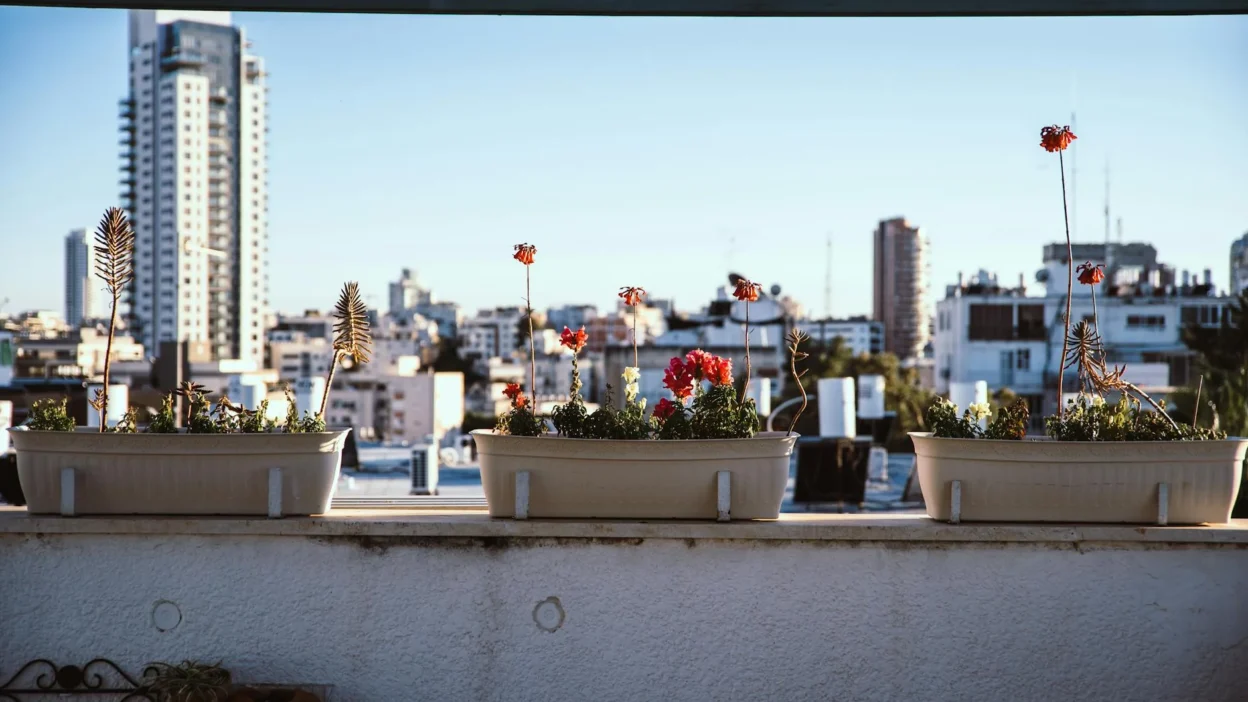
Next, consider the microclimate. A sunny balcony can be much hotter and drier than a shaded garden bed, as walls and railings reflect and radiate heat. This leads to faster evaporation, meaning your potting mix dries out quicker. Conversely, a sheltered corner might stay damp and promote mold. Paying attention to these unique conditions—your specific light, wind, and heat—is a core part of apartment gardening basics.
What Works: The Beginner’s Small-Space Toolkit
Armed with the “why,” let’s focus on the “how.” These are the proven, effective strategies that set you up for success from your first planting.
Do: Prioritize Light and Choose Plants Accordingly
This is rule number one. Observe your space for a full day. How many hours of direct sun does it get? Match your plants to this reality. Herbs like basil and rosemary need 6+ hours. Leafy greens like lettuce and spinach can manage with 3-4. Don’t fight your light conditions; work with them.
Do: Invest in Quality Containers and Soil
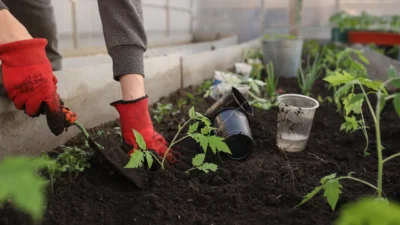
Your container is your plant’s entire world. Drainage holes are mandatory to prevent root rot. Size matters—a 5-gallon bucket is great for a dwarf tomato, while a 6-inch pot is perfect for herbs. Skip garden soil, which compacts in pots. Use a lightweight, fluffy “potting mix” designed for containers. It holds moisture and nutrients while allowing roots to breathe.
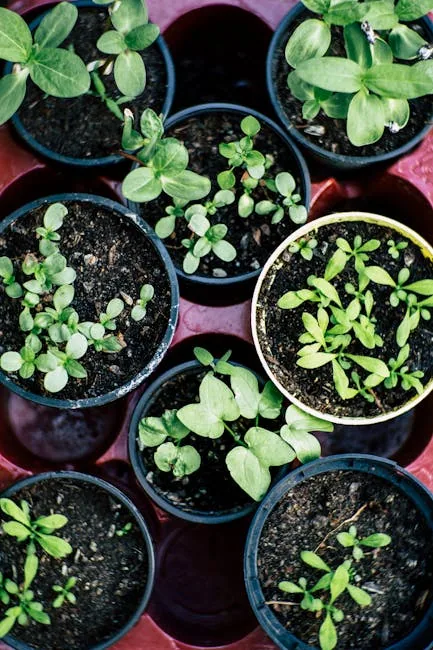
Photo by Markus Spiske on Pexels
Do: Focus on High-Yield, Compact Plants
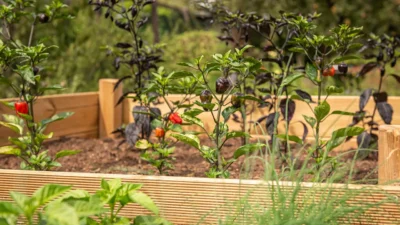
Start with fast-growing, productive plants that give you a quick win. This is the heart of practical balcony garden ideas for beginners. Think leafy greens (lettuce, kale, arugula), herbs (basil, cilantro, mint), and dwarf or “patio” varieties of vegetables like cherry tomatoes, peppers, and bush beans. These are bred specifically for small spaces.
Do: Go Vertical
When floor space is limited, grow upward. Use wall-mounted planters, hanging baskets, or a simple trellis for climbing plants like peas, pole beans, or cucumbers. Vertical gardening basics are simple: secure your structure well and ensure it can handle the weight of wet soil and mature plants.
What Doesn’t Work: Pitfalls to Sidestep from Day One
Knowing what to avoid is just as important as knowing what to do. These common missteps can quickly discourage a new gardener.
Don’t: Overcrowd Your Containers
It’s tempting to pack in more seeds or seedlings, but plants need space for air circulation and root growth. Overcrowding leads to competition for light and water, resulting in weak, spindly plants that are more susceptible to disease. Follow the spacing guidelines on seed packets, even if it feels too sparse.
Don’t: Use the Wrong Soil or Skip Drainage
Heavy garden soil or dense, cheap “dirt” will suffocate roots in a container. Similarly, a pot without a drainage hole is a death sentence for most plants, creating a swampy environment. Always use potting mix and ensure water can freely escape.
Don’t: Choose the Wrong Plants for Your Setup
Aspiring to grow a giant pumpkin or a full-sized sweet corn stalk on a tiny balcony garden setup is a recipe for frustration. Avoid large, sprawling plants (like zucchini) or slow-growing ones that tie up precious space for a single harvest (like traditional asparagus). Stick with the compact, quick-turnaround winners.
Don’t: Be Inconsistent with Watering
Small containers dry out fast, especially in sun and wind. Letting the soil become bone dry and then flooding it stresses plants. The goal is consistently moist soil, like a wrung-out sponge. Check your pots daily by sticking your finger an inch into the soil. This simple habit is more valuable than any fancy gadget for growing food in apartments.
Your Space, Your Plan: A Simple Decision Flow
Let’s make it personal. Your gardening journey starts with one simple assessment. Follow this logical flow to choose plants that will actually thrive in your specific conditions.
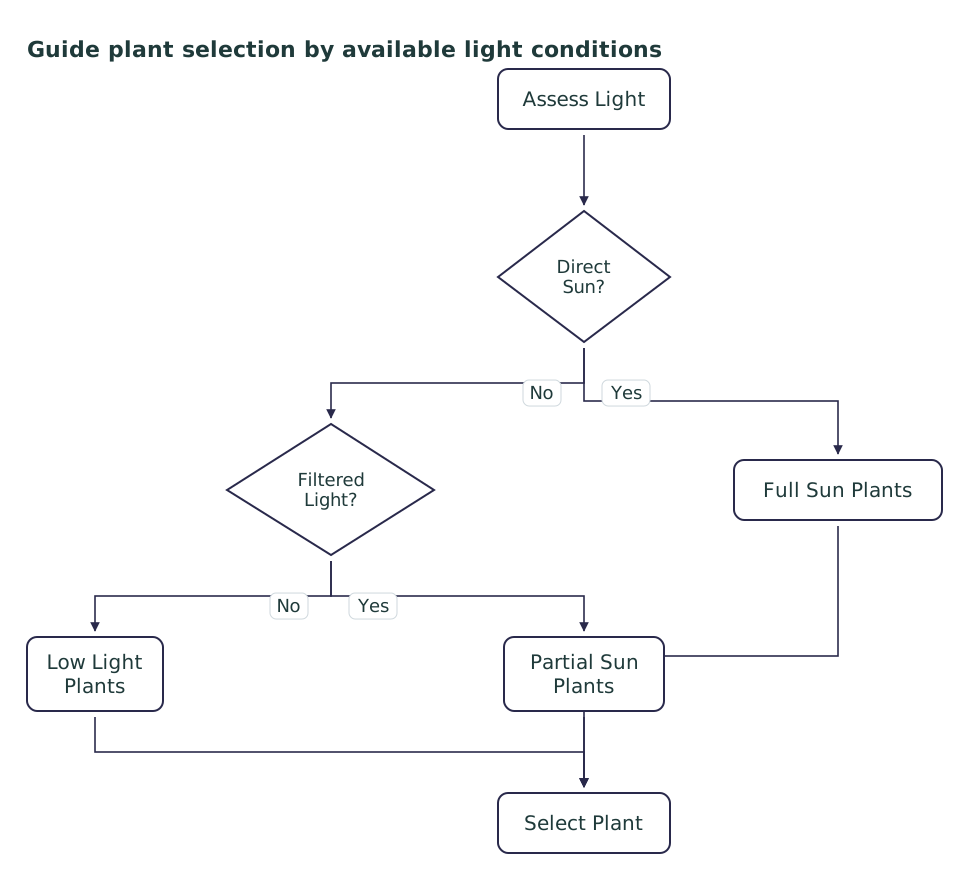
Start by assessing your light. This is your primary constraint. Once you know your category, you can select from proven plant groups.
If you have Full Sun (6+ hours of direct light): You have the most options. Focus on fruiting plants like cherry tomatoes, peppers, eggplant, cucumbers (on a trellis), and most herbs (basil, rosemary, oregano). They need that intense energy to produce.
If you have Partial Sun/Shade (3-6 hours of direct light): This is ideal for leafy greens. Plant lettuce, spinach, kale, Swiss chard, and herbs like parsley, cilantro, and mint. These plants often “bolt” (go to seed) in too much heat, so some afternoon shade can be beneficial.
If you have Bright Indoor Light (a very sunny south-facing window): You can successfully grow a windowsill herb garden with plants like basil, chives, and thyme. Leafy greens like microgreens or baby lettuce can also work. For more detailed guidance on indoor plant care, resources like your local university extension service (like this guide from the University of Minnesota) offer reliable, science-based advice.
Start Small, Grow Confidently
The most successful small-space garden often begins with a single pot of basil or a window box of lettuce. Embrace that constraint. View your limited area not as a restriction, but as a focused canvas that encourages creativity and careful choice. Celebrate the first leaves you harvest, even if it’s just a handful.
Mistakes are inevitable—a dried-out herb, a leggy seedling—but they are simply data points. Each one teaches you more about the unique microclimate of your own space. The core principles of light, container, and plant selection are your compass. Trust them, start with a simple plan, and let your confidence grow alongside your plants.