If you’re new to gardening, you’ve likely heard that fertilizer is essential, but the sheer number of choices can feel paralyzing. You might think the “best” fertilizer is a complex science problem about NPK ratios and soil pH. Here’s the counterintuitive truth: the best fertilizer for a beginner has less to do with your plants and everything to do with you. The real choice between slow-release and liquid fertilizer for beginners is a simple lifestyle decision. It boils down to whether you want a “set-it-and-forget-it” solution or enjoy the ritual of hands-on care. This isn’t about finding a perfect universal answer; it’s about matching a tool to your schedule, your memory, and how you want to interact with your garden. Let’s cut through the noise and make this choice refreshingly straightforward.
The best way to choose between slow-release and liquid fertilizer as a beginner is to honestly assess your gardening style. If you’re busy, forgetful, or growing in containers, slow-release granules are your best bet for consistent, low-maintenance feeding. If you enjoy hands-on care, want rapid results, or are growing heavy-feeding vegetables, liquid fertilizer offers precise control and a quick nutrient boost. Your schedule and attention span are the real deciding factors.
The Core Difference: Set-It-and-Forget-It vs. On-Demand Feeding
Let’s cut through the jargon. For a beginner, the choice between slow-release and liquid fertilizer boils down to one simple trade-off: convenience versus control. Understanding this core difference is the first step in deciding what works best for you.
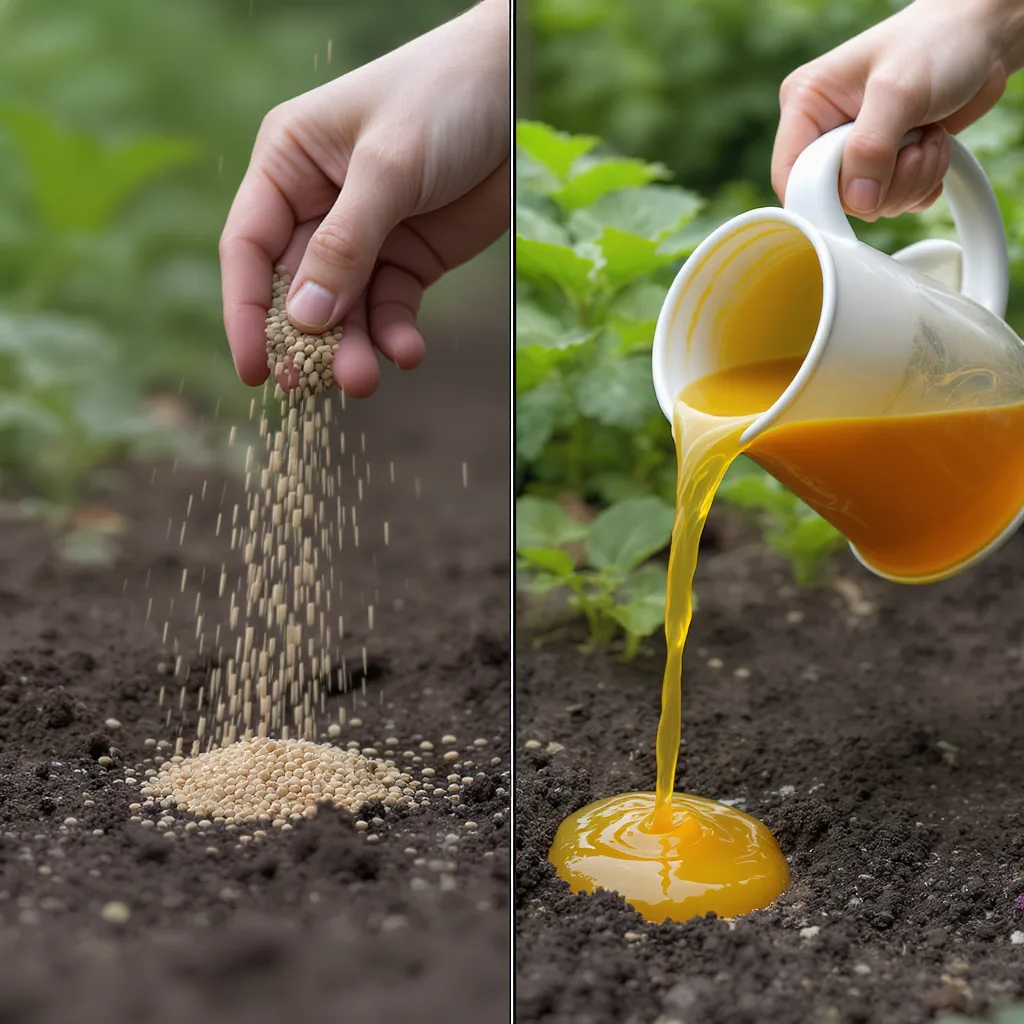
Slow-release fertilizer (often called granular or controlled-release) comes as small pellets or spikes. You mix them into the soil or sprinkle them on the surface at the start of the growing season. They are designed to break down gradually, releasing nutrients to plant roots over weeks or even months. It’s a long-term investment in your plants’ health with minimal ongoing effort from you.
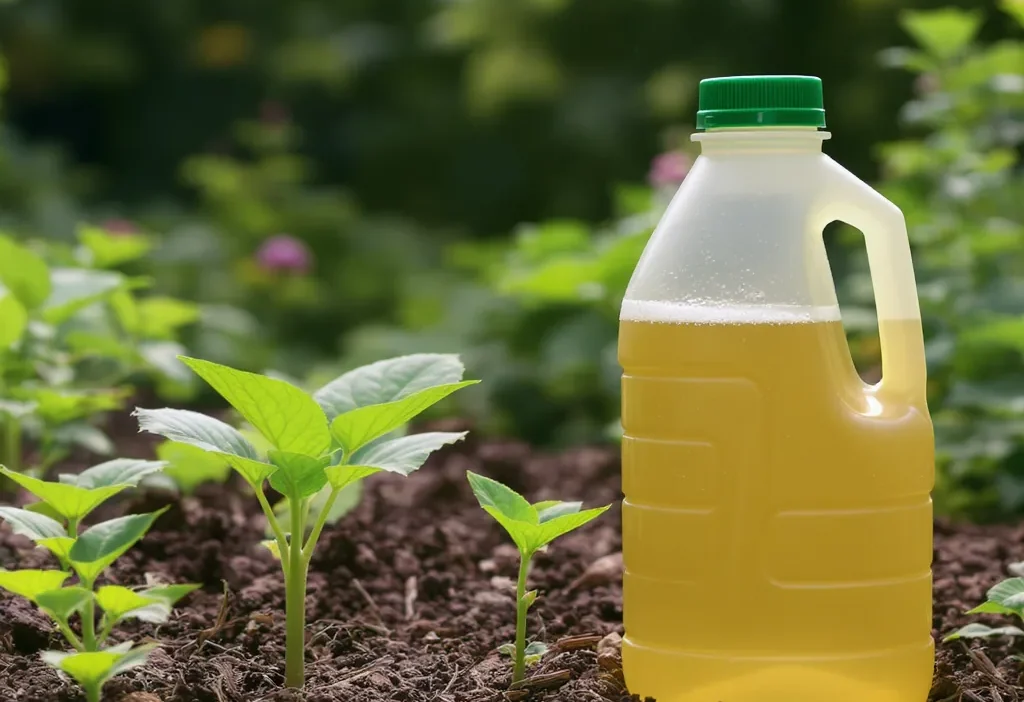
Liquid fertilizer (or water-soluble fertilizer) is a concentrated solution you mix with water. You apply it directly to the soil around your plants, typically every 1-2 weeks. The nutrients are immediately available, giving plants a quick boost. It’s a short-term tool that requires more frequent attention but offers precise, on-demand feeding.
To make this comparison crystal clear, here’s a quick-reference table:
| Feature | Slow-Release Fertilizer | Liquid Fertilizer |
|---|---|---|
| How It Works | Nutrients release slowly over weeks/months. | Nutrients are immediately available to roots. |
| Best For | Busy or forgetful gardeners; container plants; long-season feeding. | Hands-on gardeners; rapid growth phases; heavy-feeding vegetables. |
| Ease of Use | Very high (apply once, then forget). | Moderate (requires regular mixing and application). |
| Frequency | Once every 2-6 months. | Every 1-2 weeks during the growing season. |
| Risk of Burn | Lower (if applied correctly). | Higher (if over-concentrated or applied to dry soil). |
Your Gardening Personality: Which Type Are You?
The best easy fertilizer for new gardeners isn’t a specific brand—it’s the one that matches your lifestyle. Ask yourself these simple questions to find your fit.
Are You a “Set-It-and-Forget-It” Gardener?
If you answered “yes” to any of these, lean toward slow-release granules:
- Do you often forget to water your plants on schedule?
- Is your schedule too packed for weekly garden chores?
- Do you want to fertilize just once at the start of the season and be done?
- Are you growing low-maintenance flowers, shrubs, or herbs?
Are You a “Hands-On, Quick-Results” Gardener?
If these sound like you, liquid fertilizer might be your match:
- Do you enjoy weekly check-ins with your plants, noticing subtle changes?
- Are you growing vegetables like tomatoes or peppers that need a steady nutrient supply for big harvests?
- Do you want to see a visible “greening up” or growth spurt quickly?
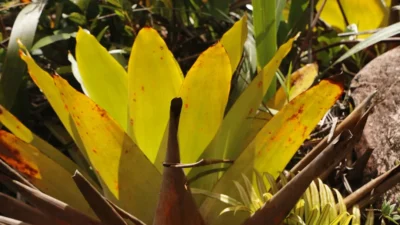
- Are you troubleshooting a specific nutrient deficiency (like yellowing leaves)?
Your honest answers here are more important than any gardening rule. This self-assessment is the heart of the slow release vs liquid fertilizer beginners decision.
Scenario Spotlight: Matching Fertilizer to Your Garden
Let’s apply the personality test to real-life situations. Seeing the ideal choice in action makes it click.
Scenario 1: The Busy Patio Gardener
Your Garden: A few pots with herbs, petunias, and a small patio tomato plant on an apartment balcony.
Best Choice: Slow-release fertilizer. Mix a granular formula into your potting soil at planting time. It will feed your containers consistently all season with zero extra work, which is perfect for a low-maintenance, small-space garden. It’s the ultimate easy fertilizer for new gardeners in containers.
Scenario 2: The Aspiring Veggie Grower
Your Garden: Your first raised bed or in-ground plot dedicated to tomatoes, peppers, cucumbers, and lettuce.
Best Choice: Liquid fertilizer or a combination. Heavy-feeding vegetables like tomatoes benefit immensely from the consistent, readily available nutrients in a liquid fertilizer for vegetables. You can apply it every 1-2 weeks as they flower and fruit. For a simpler start, you can also use a slow-release base at planting and supplement with liquid feeds during peak growth. Resources like this guide from the University of Minnesota Extension offer great vegetable-specific advice.
Scenario 3: The Forgetful Houseplant Parent
Your Garden: A collection of indoor pothos, snake plants, and a fiddle-leaf fig.
Best Choice: Slow-release spikes or granules. Poke a fertilizer spike into the soil of each pot every few months. It eliminates the guesswork and prevents the feast-or-famine cycle that comes with forgetting to feed, making it a foolproof option for indoor greenery.
Pro Tips & Pitfalls to Skip as a Beginner
Success with either type comes down to avoiding a few common traps. Here’s how to get it right from the start.
Getting Slow-Release Right
- Do: Apply it at planting time or early in the season. Mix granules into the top few inches of soil or potting mix.
- Don’t: Over-apply. More is not better and can damage plants. Always follow the package rate for your container or garden size.
- Pro Tip: Write the application date on your calendar or a plant tag. This helps you remember when it’s time to reapply months later.
Getting Liquid Fertilizer Right
- Do: Dilute it properly. “Weekly, weakly” is a good mantra—using a half-strength dose weekly is often safer than a full-strength dose monthly.
- Don’t: Fertilize dry soil. Always water your plants with plain water first to moisten the roots, then apply the liquid fertilizer solution. Applying to dry soil can cause root burn.
- Pro Tip: Use a dedicated watering can or jug for fertilizing to avoid mixing chemicals and to make the process a simple ritual.
The Universal Pitfall: Fertilizer Burn
The biggest mistake for any beginner is thinking “if a little is good, a lot is better.” This leads to fertilizer burn, where excess salts damage roots, causing brown leaf tips and wilting. Whether using granular fertilizer for beginners or liquid, always start with the recommended amount on the label. You can always add more later, but you can’t take it back.
Your Simple Next Step
Choosing between slow-release and liquid fertilizer isn’t a complex science exam. It’s a practical decision about your time and attention. If you value simplicity and consistency, grab a bag of slow-release granules. If you crave involvement and rapid results, pick up a bottle of liquid feed.
The best way to learn is to try. Go look at your calendar, then look at your plants. Pick one type that aligns with your reality this season and use it. Gardening is a practice, not a perfect test. Your plants—and your schedule—will thank you for choosing the tool that fits your life.