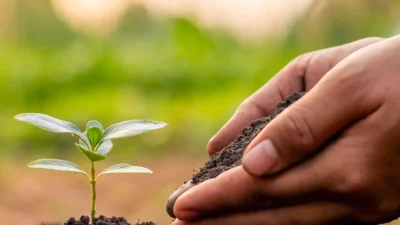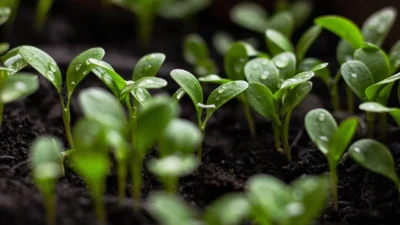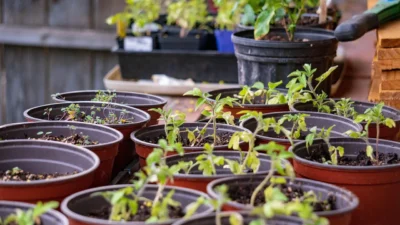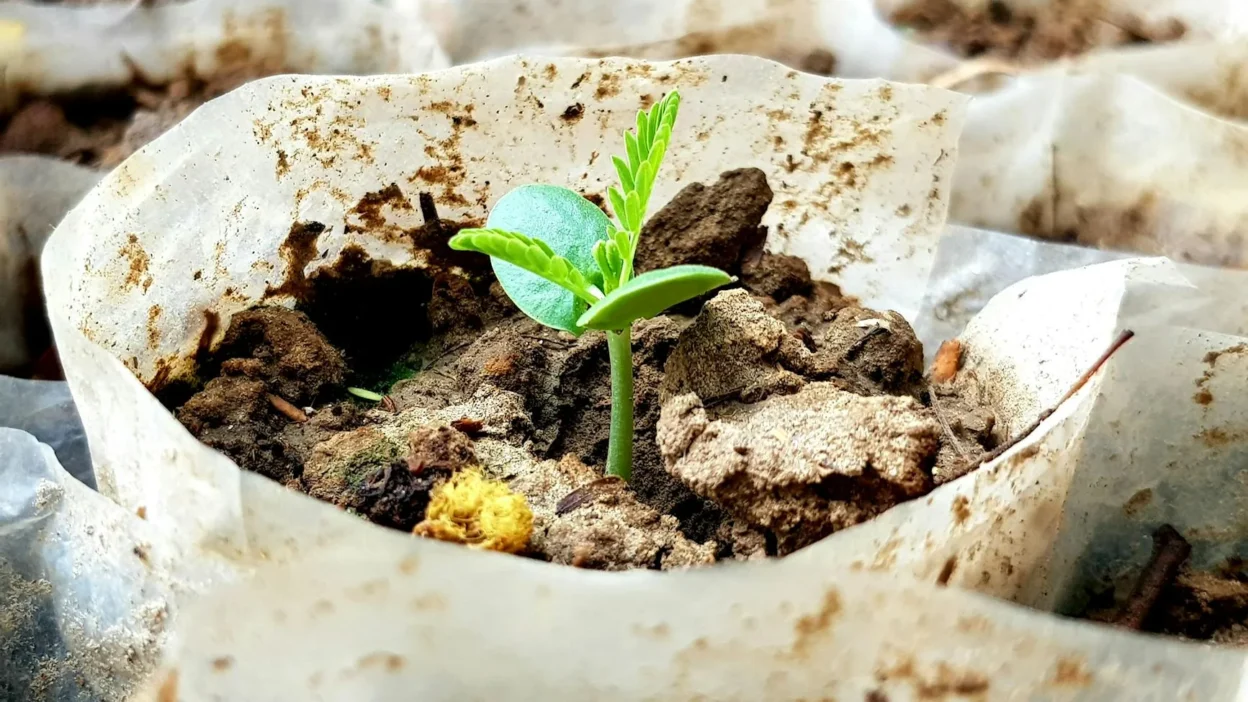
If you’re new to gardening, you might think the choice between seeds and seedlings is a simple one: buy the little plants for instant gratification and guaranteed success. But here’s the counterintuitive truth many experienced gardeners know—the “easiest” path isn’t always the most rewarding, and for a beginner, the smartest strategy often involves a bit of both. This decision is less about right versus wrong and more about understanding a series of personal trade-offs: your time, your patience, your space, and your budget. This guide is designed to cut through the overwhelm and help you make the perfect beginner planting choices for your unique situation. We’ll break down the core differences between starting from seed vs transplants, not with jargon, but with clear, practical scenarios so you can start your garden with confidence, whether you have a sprawling backyard or a sunny windowsill.
For beginners, the best choice often isn’t one or the other, but a strategic mix. If you’re short on time and want quick results, start with a few reliable seedlings like tomatoes and peppers. To learn the full cycle and save money, add easy direct-sow seeds like beans, lettuce, or radishes to your plan. This hybrid approach gives you early success and valuable gardening experience.
The Core Trade-Offs: Time, Money, and Control
Let’s break down the fundamental choice between starting from seed vs transplants into three simple categories. Understanding these trade-offs is the key to making a confident beginner planting choice that fits your life.
Time: Weeks of Nurture vs. Minutes of Planting
This is the biggest difference. Growing from seed is a project. It requires weeks of indoor care—sowing, watering, providing light, and monitoring—before your plant even sees the garden. You’re investing time upfront for a later payoff. Buying seedlings, however, is nearly instant gratification. You skip the fragile baby phase and plant a robust young plant directly into its final home. Your time investment shifts from nurturing to planting.
Money: Pennies for Potential vs. Dollars for Certainty
A packet of seeds costs a few dollars and can contain dozens, even hundreds, of potential plants. The cost of seeds vs plants is heavily skewed in favor of seeds. A single seedling, however, often costs $3-$5. You’re paying for the nursery’s time, space, and expertise. For the price of six tomato seedlings, you could buy seeds for 20 different vegetables. The financial risk is also inverted: with seeds, you risk a small amount of money on a larger potential failure; with seedlings, you risk more money per plant, but on a more certain outcome.
Control: Full Lifecycle vs. Head Start
Growing from seed gives you complete control from day one. You choose the exact variety (heirloom, hybrid, rare colors), control the growing medium, and avoid any pesticides used by commercial growers. It’s the ultimate learning experience. Seedlings offer control from the midpoint. You choose a healthy plant and control its future, but its early life—how it was watered, fertilized, or stressed—is already determined.
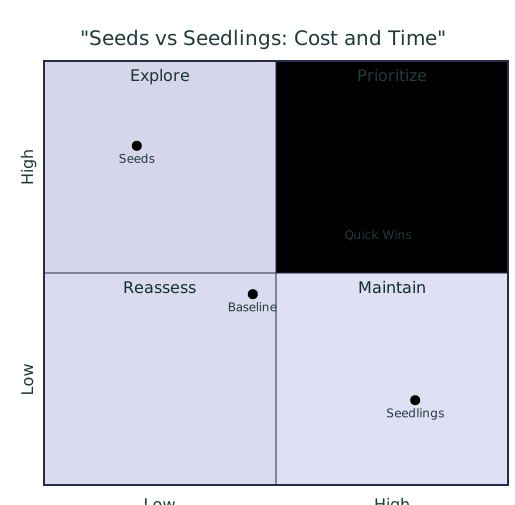
| Factor | Seeds | Seedlings (Transplants) |
|---|---|---|
| Cost | Very Low (pennies per plant) | High ($3-$5 per plant) |
| Time to Harvest | Long (adds 4-12 weeks) | Short (head start of 4-12 weeks) |
| Skill Level | Medium to High (requires careful attention) | Low (easier to establish) |
| Control & Variety | Maximum (1000s of choices) | Limited (what the store carries) |
| Space Needed | Indoor seed-starting area required | Only final garden space needed |
| Best For | Learners, budget gardeners, variety seekers | Busy beginners, small-space gardeners, impatient growers |
Your Personal Gardening Profile: A Quick Self-Check
Before you buy anything, ask yourself these quick questions. Your honest answers will point you toward the right balance for your first garden.
How much time can you dedicate weekly? Be realistic. If you can spare 10-15 minutes a day for checking seedlings under a light, seeds are viable. If you only have time for weekend watering, lean toward seedlings.
What’s your indoor space like? Do you have a bright, sunny windowsill that gets 6+ hours of light? Or a spot where you could set up a simple grow light? If not, starting seeds indoors will be a struggle, making seedlings the pragmatic choice.
What’s your budget for plants? Are you experimenting with a tight fund, or are you okay spending more for a quicker, easier result?
What’s your primary goal? Is it to harvest a handful of tomatoes and herbs? To learn the full process of how plants grow? Or simply to add green beauty to a patio? Your “why” dramatically shapes your “how.”
Scenario-Based Recommendations: What to Choose When
Let’s apply those trade-offs. Here are clear, actionable beginner planting choices for common situations.
The Time-Crunched Apartment Gardener
You have a sunny balcony but little time and no indoor seed-starting space. Your goal: quick greens and herbs.
Recommendation: Go heavy on seedlings for longer-season crops, and use seeds for fast, foolproof fillers.
- Buy as Seedlings: One tomato plant, one pepper plant, basil, rosemary.
- Direct-Sow as Seeds: Lettuce mix, radishes, and bush beans in containers. They sprout fast and grow quickly.
The Patient Learner with a Backyard
You have a small garden plot, a bit of patience, and a desire to learn. Your goal: experience and a diverse harvest.
Recommendation: Embrace seed starting for new gardeners for most things, but use seedlings as a safety net.
- Start Indoors from Seed: Tomatoes, peppers, broccoli, flowers like marigolds.
- Direct-Sow in Garden: Carrots, beets, peas, spinach, zucchini.
- Buy as Seedlings (just in case): One or two tomato plants as backup if your seeds struggle.
The “I Just Want One Tomato Plant” Gardener
Your ambition is small and specific. You want a single, successful crop with minimal fuss.
Recommendation: This is the clearest case for buying a seedling. Skip the months of indoor care. Go to a reputable nursery, pick a healthy, stocky tomato plant (not a tall, leggy one), plant it well, and focus your energy on helping it thrive.
Your First-Garden Starter Kit
If you’re still unsure, this hybrid blend offers the highest chance of success and learning:
- Buy 3 Seedlings: A tomato, a pepper, and a basil plant. This gives you instant garden presence and a likely harvest.
- Plant 3 Seed Packets: Radishes (sprout in 3-5 days), bush beans (easy and productive), and lettuce (you can cut and come again). This teaches you sowing, watering, and the magic of germination.
The Hybrid Path: Why ‘Both’ Is Often the Smartest Answer
For most new gardeners, the winning strategy isn’t an either/or decision on seeds vs seedlings for beginners. It’s a “yes, and” approach. Combining both methods gives you the best of both worlds: early success and deep learning.
Use a few reliable seedlings as your “anchor plants.” They provide quick rewards, build confidence, and ensure you’ll have something to harvest even if your seed experiments falter. Then, supplement with easy-to-grow seeds. They’re cost-effective, teach you the fundamental cycle of life in the garden, and let you try fun varieties you’d never find as transplants.
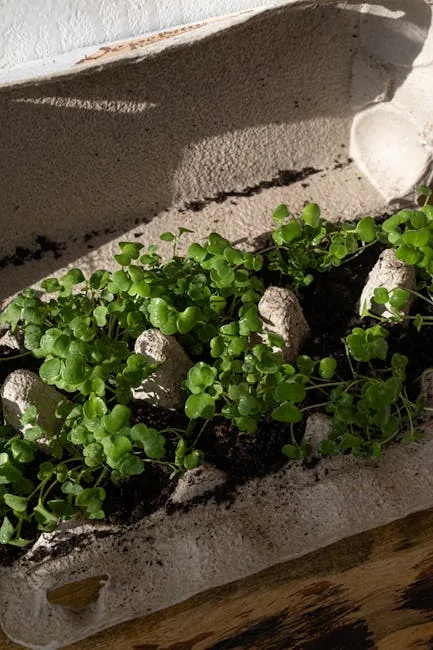
Photo by Ron Lach on Pexels
Best Beginner Seedlings (Buy These)
- Tomatoes & Peppers: They need a long, warm season to fruit. A head start is crucial in most climates.
- Herbs like Basil, Rosemary, Thyme: Seeds are tiny and slow-growing; a seedling gets you to usable herbs much faster.
- Broccoli, Cauliflower, Cabbage: These cool-season crops benefit from a precise transplant timing that’s easier with a seedling.
Easiest Seeds to Direct-Sow (Plant These Right in the Garden)
- Beans & Peas: Large seeds, fast germination. Just poke them in the soil.
- Lettuce, Spinach, Arugula: Grow quickly and can be harvested at almost any size.
- Radishes: The ultimate beginner seed—they sprout in days and are ready in weeks.
- Zucchini & Cucumbers: Grow so vigorously from seed that starting indoors is often unnecessary.
- Sunflowers & Nasturtiums: Big, easy flowers that bring instant joy.
Common Pitfalls to Sidestep From Day One
Knowing what typically goes wrong can help you avoid frustration. Here are the top mistakes for each path.
Seed-Starting Slip-Ups
- Planting Too Deep: A classic error. Most seeds need only a light covering of soil. A good rule is to plant a seed twice as deep as it is wide. Tiny seeds like lettuce often just need to be pressed into the surface.
- The “Overwater Love Kill”: Soggy soil rots seeds and causes “damping off,” a fungal disease that kills seedlings. Water gently to moisten, not saturate, and ensure your containers have drainage holes.
- Starting Too Early (or Too Late): Check your local frost dates. Starting tomatoes indoors in January leads to leggy, stressed plants by May. A resource like the USDA Plant Hardiness Zone Map can help you time things right.
- Not Enough Light: On a windowsill, seedlings stretch desperately toward the sun, becoming weak and leggy. If you lack strong, direct light, a simple, inexpensive grow light is a game-changer.
Seedling Selection & Care Stumbles
- Buying the Leggiest Plant: At the garden center, bypass the tallest seedling. Choose the stockiest, greenest one with multiple sets of leaves. Compact growth indicates good light and health.
- Skipping “Hardening Off”: This is non-negotiable. Seedlings grown in a sheltered nursery need a 7-10 day transition period to acclimate to outdoor sun, wind, and temperature. Start with an hour of shade, gradually increasing exposure. Planting directly from store to full sun can scorch and stunt them.
- Ignoring the Root Ball: Gently loosen the roots before planting if they’re wound tightly around the pot (root-bound). This encourages them to grow outward into your garden soil.
- Planting at the Wrong Depth: Unlike seeds, most seedlings (except tomatoes) should be planted at the same depth they were in their pot. Burying the stem can cause rot.
Your Garden, Your Rules
The debate between starting from seed vs transplants isn’t about finding the one “right” answer. It’s about choosing the right tools for your specific season of life and learning. There’s no gardening police who will fault you for buying a seedling instead of nurturing a seed for eight weeks.
The most important step is the first one. Use the trade-offs to guide you, pick a scenario that feels closest to your own, and make a plan. Maybe it’s three seedlings and two seed packets. That’s a perfect start. The confidence you gain from that first small success will fuel your curiosity for seasons to come.
So, make your choice, grab your seeds or seedlings, and get something in the soil this weekend. That’s how every great garden begins.
Choosing between seeds and seedlings comes down to balancing three core trade-offs: Time (weeks of care vs. instant planting), Money (low cost/high potential vs. higher cost/more certainty), and Control (full lifecycle vs. a head start).
Assess your personal profile—your available time, indoor space, budget, and primary goal. For most beginners, the smartest path is a hybrid: buy a few reliable seedlings (like tomatoes and herbs) for quick success, and directly sow some easy seeds (like lettuce, beans, and radishes) to learn the process and save money. Avoid common pitfalls like overwatering seeds or skipping the hardening-off process for seedlings.