If you’re a first-time gardener, you’ve probably heard that starting seeds indoors is a complex science requiring a mini greenhouse, specialized lights, and a green thumb. It’s a pervasive myth that stops many beginners before they even begin. The reality is far more encouraging: successful indoor seed starting for beginners hinges less on expensive gear and more on avoiding a handful of common, easily corrected mistakes. This guide cuts through the confusion with a clear, practical look at what actually works—and what doesn’t—so you can nurture your first seedlings from tiny specks into robust plants ready for the garden, all without feeling overwhelmed.
Here’s how to start seeds indoors successfully as a beginner: focus on providing consistent warmth and bright light immediately after germination, use a simple sterile seed-starting mix, and avoid overwatering. Skip the fancy gadgets and complex fertilizers at first; your priority is mastering moisture control and preventing ‘damping off’ disease. Choose easy-to-grow seeds like tomatoes, basil, or marigolds for your first attempt to build confidence.
Myth: You Need a Fancy Indoor Greenhouse Setup
Many beginners believe successful indoor seed starting basics require a mini laboratory of equipment. The reality is far simpler. What truly works is a stable, clean environment that provides warmth, moisture, and light. You can achieve this without a significant investment.
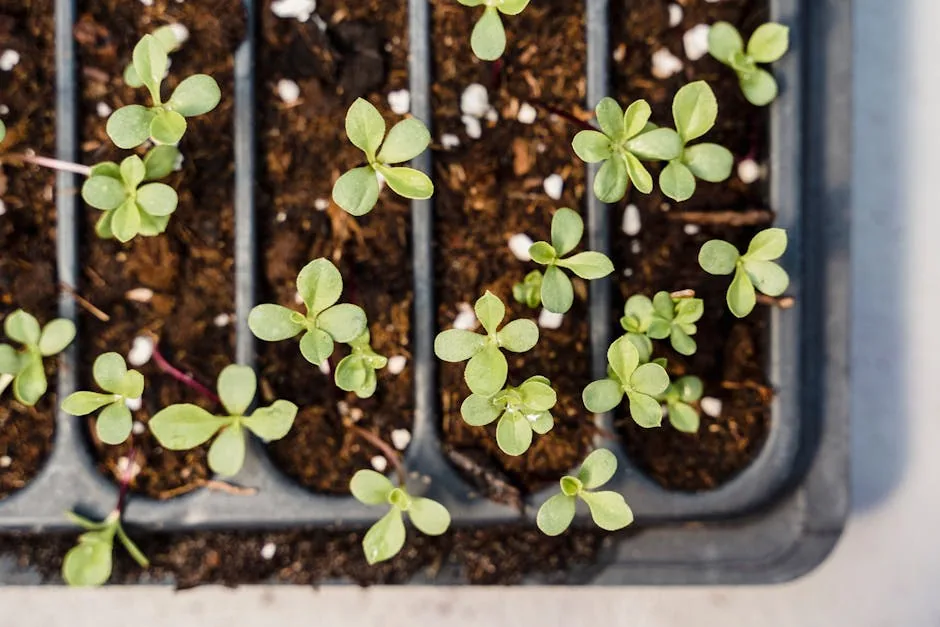
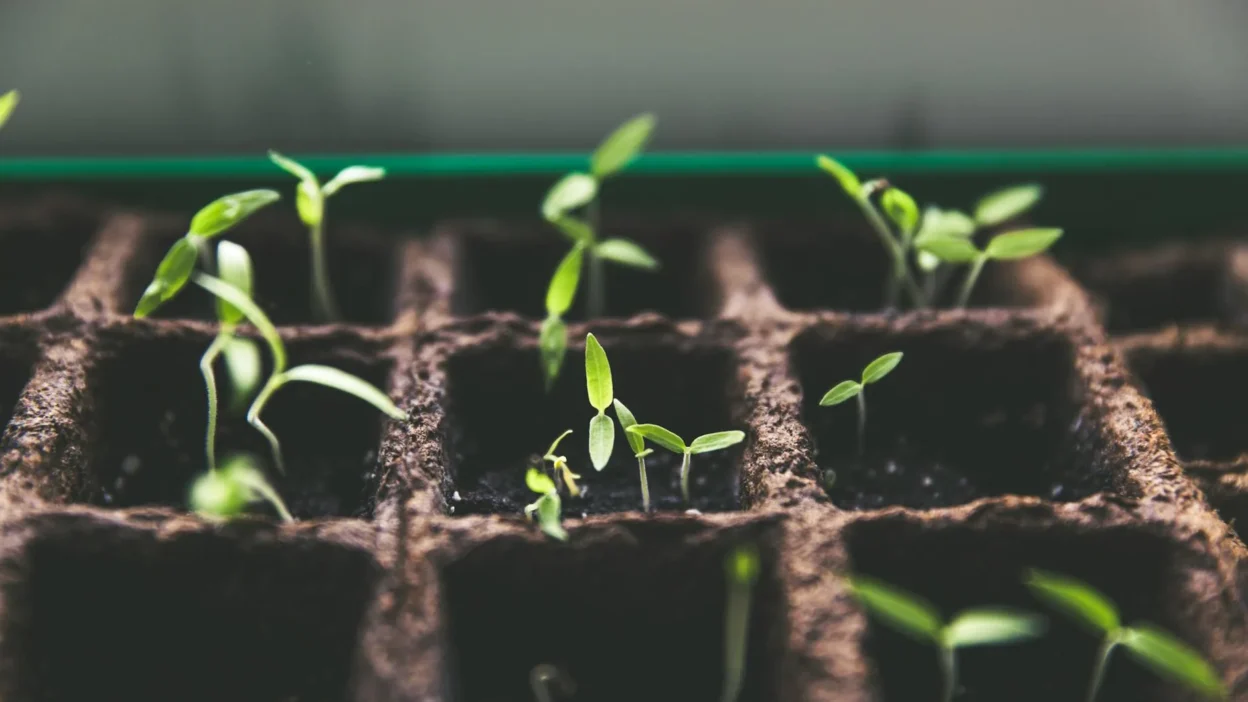
Photo by Greta Hoffman on Pexels
What Works: The Simple, Effective Approach
Your goal is to mimic spring conditions. A bright, south-facing windowsill can work, but a simple fluorescent or LED shop light hung just a few inches above your trays is more reliable for consistent growth. For containers, basic plastic cell trays or even clean yogurt cups with drainage holes are perfect beginner seed trays. A clear plastic dome or a loosely tied plastic bag over the top maintains crucial humidity until seeds sprout.
What Doesn’t: Overcomplicating Your First Try
Avoid the temptation to buy a full-spectrum LED panel or a heated propagation mat for your first batch of seeds. Without a thermostat, a heat mat can cook delicate roots. Also, never use garden soil or heavy potting mix in your containers; it compacts easily and can harbor diseases. The core of starting seeds inside is mastering the basics, not the gear.
The Biggest Beginner Mistake: Loving Your Seedlings to Death
Enthusiasm is your greatest asset, but it can lead to the most common seed starting mistakes: over-care. Seedlings are resilient yet delicate, and their needs are specific. Success hinges on a few key “dos and don’ts” for seedling care for beginners.
Do This for Healthy Seedlings
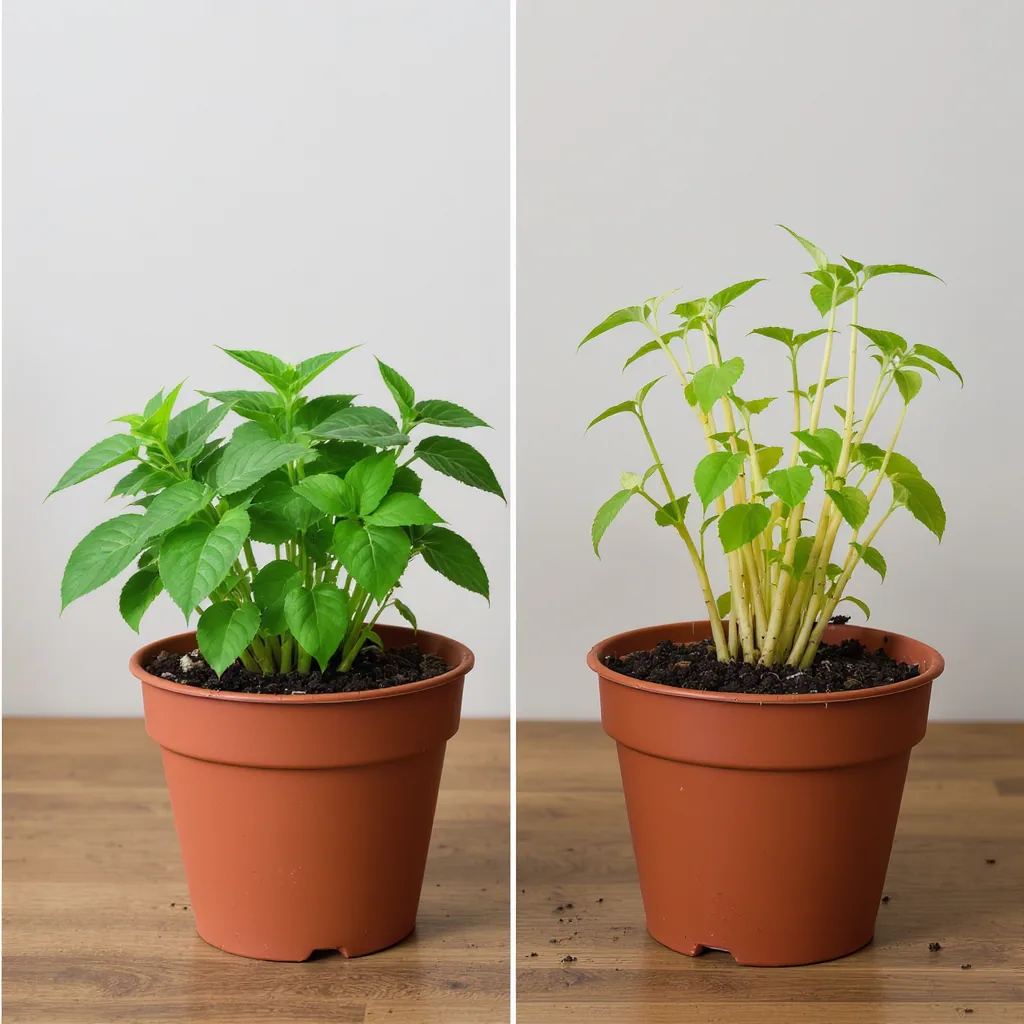
Do water from the bottom. Place your tray in a shallow dish of water and let the mix wick moisture upward. This encourages deep roots and keeps the seed surface dry, preventing disease. Do provide intense light, immediately. As soon as sprouts appear, get them under your light source for 14-16 hours a day, keeping it just 2-3 inches above the leaves to prevent leggy, weak growth. Do let the surface dry slightly between waterings. The mix should feel like a damp sponge, not a soaked one.
Avoid These Common Pitfalls
Don’t water on a schedule. Check soil moisture daily with your finger instead. Don’t assume a windowsill is enough light in early spring; weak, stretched seedlings are a sure sign they’re light-starved. Don’t fertilize until the seedlings have developed their first set of “true leaves” (the leaves that appear after the initial seed leaves). And crucially, don’t let seedlings sit in constantly soggy soil, as this is the primary cause of “damping off,” a fatal fungal disease.
A Realistic First-Timer’s Shopping List (And What to Skip)
Let’s make your first trip to the garden center focused and budget-friendly. Imagine you have about $50. Here’s how to spend it wisely to set yourself up for success with beginner indoor gardening, and what to leave on the shelf for now.
Buy These Essentials:
- Seed-Starting Mix: This is a sterile, soilless blend of peat, coir, and vermiculite that’s light and perfect for tiny roots. It’s different from potting soil. A reputable brand like those recommended by university extensions is a safe bet.
- A Pack of Cell Trays or Peat Pots: Choose a simple 72-cell tray or a few biodegradable peat pots. They provide structure and make transplanting easier.
- A Small Bag of Vermiculite: Perfect for lightly covering fine seeds like lettuce or petunias, which need light to germinate.
- One or Two Packets of Easy Seeds: Build confidence with fast, forgiving growers like zucchini, sunflowers, or nasturtiums.
Skip These For Now:
- Liquid Fertilizer: Your seed-starting mix and the seeds’ own energy provide enough food for the first few weeks.
- Heating Mats: Most common seeds germinate fine at room temperature (65-75°F). Save this for later attempts with heat-loving plants like peppers.
- Specialty Kits with Wicks or Self-Watering Systems: These add complexity. Master manual watering first to understand your plants’ needs.
- Ten Different Seed Varieties: Start small. Managing one or two types is less overwhelming and lets you learn the process.
Your First 14 Days: A Simple Success Timeline
Knowing what to expect removes anxiety. Here’s a straightforward timeline for the critical first two weeks after you sow, focusing on observation and simple actions.
Days 1-5: The Waiting Game
After planting, your job is to provide consistent warmth and moisture. Keep the tray covered with your dome or plastic bag in a warm spot (on top of the fridge often works). The mix should stay evenly moist but not wet. No light is needed yet. Patience is key; germination times vary even within the same tray.
Days 5-10: First Signs of Life
The moment you see the first sprouts, act. Remove the cover immediately to allow air circulation and prevent mold. Move the tray directly under your light source. This is the single most important step to prevent weak, leggy seedlings. Continue to monitor moisture closely.
Days 10-14: Tending Your Tiny Garden
If multiple seeds sprouted in one cell, you must thin them. Snip off all but the strongest seedling at the soil line; don’t pull, as this disturbs the roots of the keeper. Now is also a good time to introduce gentle air circulation. A small fan on low, placed nearby (not directly blowing), strengthens stems and further prevents disease. Your indoor seed setup is now fully operational.
You’ve Got This
Starting seeds indoors for beginners isn’t about having a mythical green thumb or expensive gear. It’s about understanding a simple biological process and avoiding a handful of common, well-intentioned errors. By focusing on bright light, careful watering, and a sterile start, you set the stage for success.
The real joy comes from watching a tiny seed you planted transform into a robust plant. So, start small, pick an easy seed, and embrace the learning process. Your confidence will grow right alongside your seedlings.
Q: What are the easiest seeds for a beginner to start indoors?
A: Tomatoes, basil, marigolds, zinnias, and sunflowers are all robust, fast-growing, and forgiving, making them perfect for a first attempt. Their relatively large seeds are easy to handle, and they germinate reliably under basic indoor conditions.
Q: How often should I water my seedlings?
A: Water only when the top of the mix feels dry to the touch. It’s better to check daily than to water on a schedule. Bottom-watering is best to avoid disturbing seeds and preventing disease. The goal is consistent, moderate moisture, not constant wetness.
Q: Do I really need a grow light?
A: If you have a very bright, south-facing window, you might manage. However, for consistent, sturdy growth and to prevent leggy seedlings, a simple fluorescent or LED shop light placed close to the plants is a worthwhile investment for most beginners. It guarantees your plants get the energy they need, regardless of the weather.