So, you’ve built or bought your first raised bed—congratulations! Now comes the big question that can feel surprisingly daunting: what on earth do you put in it? Are you more worried about the cost of filling your raised bed, or the time it takes to get it right? For a first-time gardener, choosing a raised bed soil mix for beginners often feels like a high-stakes decision. The good news is, you’re not choosing between “good” and “bad,” but between two perfectly valid paths: the convenience of a pre-mixed bag or the hands-on control of mixing your own fresh components. This guide cuts through the confusion by comparing these two approaches head-to-head, focusing on the practical tradeoffs of cost, effort, and results so you can make a confident choice and get your garden growing.
For most first-time gardeners, a high-quality bagged raised bed mix is the best choice—it’s ready to use, reliably balanced, and eliminates guesswork. If you have multiple large beds, access to bulk materials, and more time, mixing your own fresh soil can save money and offer superior long-term results. Start with the bagged beginner raised bed mix for simplicity and guaranteed success in your first season.
The Bagged Mix Path: Convenience First
If your top priority is getting your garden started quickly and correctly with minimal fuss, the bagged mix path is for you. Think of it as the “plug-and-play” option for your raised bed. You buy bags of a pre-mixed, ready-to-use soil blend specifically formulated for raised bed gardening. This is often the best soil for raised beds for a first-timer because it eliminates guesswork.
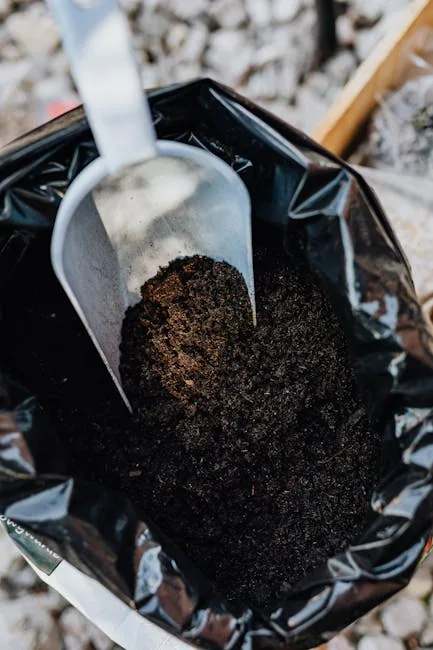
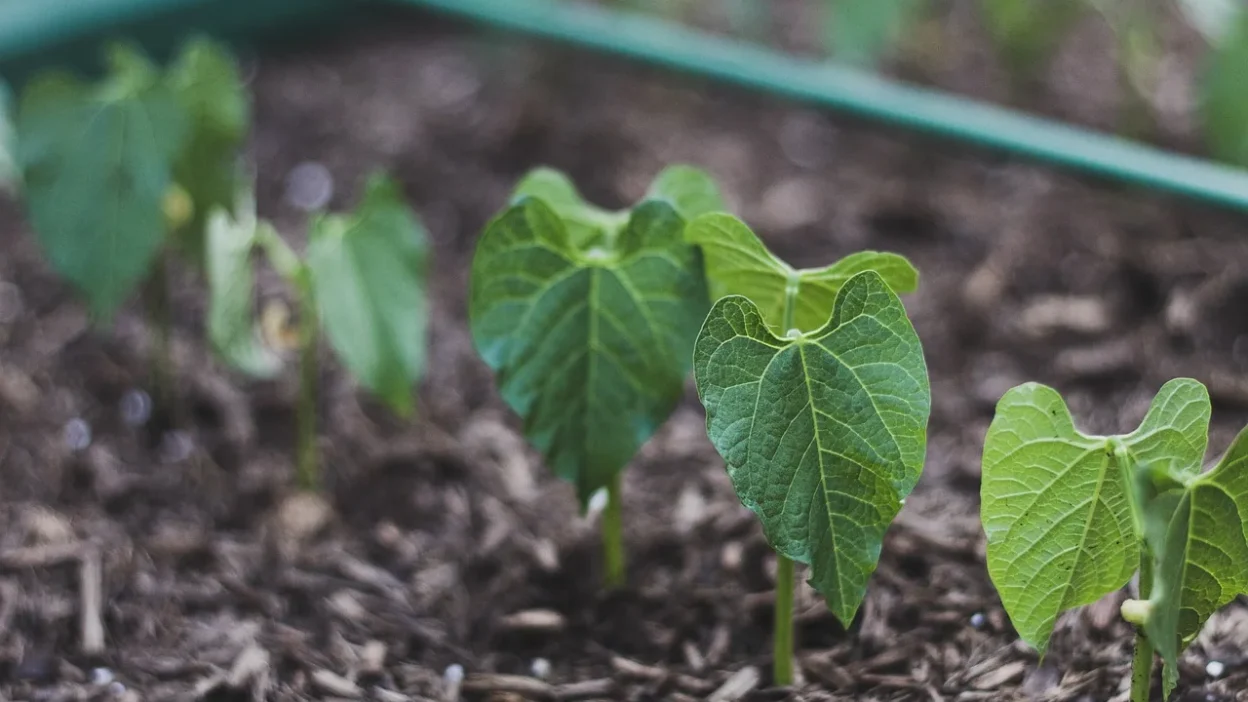
Photo by www.kaboompics.com on Pexels
What to Look For in a Bagged Mix
Not all bagged soils are created equal. A high-quality bagged garden soil mix designed for raised beds will typically list ingredients like compost (for nutrients), peat moss or coconut coir (for moisture retention), and perlite or vermiculite (for aeration and drainage). Avoid bags labeled just “topsoil” or “garden soil,” as these are often too dense for a raised bed container environment. Your local garden center is a great resource for selecting a reputable brand.
The Tradeoff: Cost vs. Time
The main drawback is cost. For one or two small beds (4’x4′ or 4’x8′), the total price of enough bags is manageable. But for larger or multiple beds, the cost can add up quickly. The tradeoff, however, is immense time and labor savings. You skip the sourcing, hauling, and mixing. You simply open the bags, pour, and plant. For a beginner, this reliability and instant start are often worth the premium, making it a top contender for a reliable beginner raised bed mix.
The Fresh Mix Path: Control and Customization
This path is for the gardener who enjoys a hands-on approach, has access to bulk materials, and is thinking about the long-term health of their garden from the start. Instead of buying pre-mixed bags, you source individual components in bulk and blend them yourself. This DIY raised bed soil approach gives you ultimate control over what goes into your garden.
The Classic Recipe and Its Parts
A standard, easy-to-remember recipe for a fresh soil mix for gardening is the 1:1:1 ratio: one part compost, one part topsoil, and one part aeration amendment.
- Compost: Provides nutrients and organic matter. Source from a trusted local supplier or your own pile.
- Topsoil: Provides mineral content and structure. Purchase “screened topsoil” from a landscape supply yard.
- Aeration Amendment: Perlite, vermiculite, or coarse sand. This is critical for preventing compaction and ensuring roots get oxygen.
Mixing this yourself allows you to adjust the recipe based on what you’re growing. For example, root crops might prefer a bit more sand.
Effort and Scale
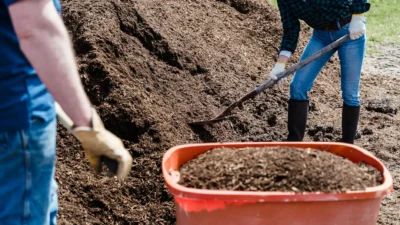
This path requires more upfront work. You need to calculate volumes, find a bulk supplier (like a landscape center), transport the materials (often requiring a truck), and physically mix them—a tarp and a shovel are essential tools. The payoff is significant cost savings at scale and a deeper understanding of your soil’s composition. It’s a fantastic project if you have multiple large beds to fill.
Side-by-Side Comparison: Key Factors for Your Choice
Let’s break down the core differences between the two paths. This table highlights the practical tradeoffs you’re making, moving beyond features to real impact on your time, wallet, and garden.
| Factor | Bagged Raised Bed Mix | Fresh DIY Soil Mix |
|---|---|---|
| Upfront Cost & Effort | Higher cost per cubic foot, but very low effort. Buy, carry, pour. | Lower bulk material cost, but high effort in sourcing, hauling, and mixing. |
| Long-Term Value & Soil Health | Good starting point. May require adding more compost in subsequent seasons. | Excellent foundation. You control quality from the start, often leading to richer soil. |
| Consistency & Reliability | High. Every bag is the same, offering a predictable, weed-free environment. | Variable. Depends entirely on your source quality and mixing accuracy. |
| Customization & Control | Low. You get the blend the manufacturer created. | High. You can tailor the mix for specific plants (e.g., more sand for carrots). |
| Best For (Scenario) | First-timers, small beds (1-2), urban gardeners, or anyone short on time. | Gardeners with large/multiple beds, access to bulk supplies, and a willingness to learn. |
Making Your Decision: A Simple Guide for Beginners
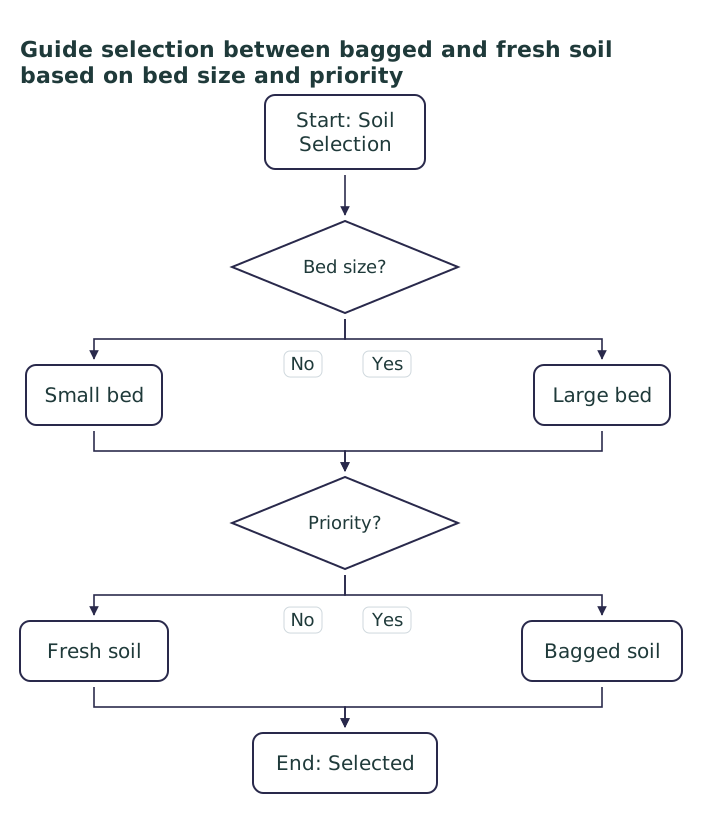
Still unsure? Use these straightforward decision points to guide your choice. There’s no wrong answer, only the right one for your current situation.
Choose the Bagged Mix Path If…
- You have 1-2 small raised beds (under 32 square feet total).
- Your time and convenience are more valuable than maximizing budget.
- You lack easy access to bulk soil suppliers or a vehicle to transport materials.
- You want a guaranteed, consistent start with zero mixing hassle.
Start with a premium bagged mix labeled for raised beds or vegetables. It’s the simplest way to ensure success in your first season.
Consider the Fresh Mix Path If…
- You are filling 3 or more large beds (the bulk savings become substantial).
- You have a truck or can have bulk materials delivered (e.g., a cubic yard of compost).
- You enjoy DIY projects and want to understand the “why” behind your soil.
- You have specific plants in mind and want the ability to tweak your soil recipe.
Begin by researching local landscape supply yards for compost and topsoil. Remember, your first garden doesn’t have to be perfect—it just has to get started. Both paths can lead to a bountiful harvest.
Start Simple, Grow Confident
The choice between a bagged mix and a fresh DIY blend isn’t about one being universally better. It’s about how you, as a new gardener, choose to allocate your resources: money, time, and mental energy. For most people just starting out, the certainty and simplicity of a quality bagged mix are invaluable—they remove a major barrier to getting your first seeds in the ground.
Success in that first season builds the confidence to experiment later. Next year, you might decide to amend your bagged soil with homemade compost or even try mixing a fresh batch for a new bed. Gardening is a journey of learning. By choosing the path that best fits your life right now, you’re not taking a shortcut; you’re taking the smartest first step.