You’ve got your seeds, your soil is ready, and then you freeze. That tiny seed packet in your hand offers no comfort, just a cryptic instruction: “sow ¼ inch deep.” Is that a suggestion? A strict rule? What about the bigger seeds, or the ones so small they look like dust? For a beginner gardener, figuring out how deep to plant seeds can be the single biggest source of anxiety, and for good reason. Get it wrong, and you’re not just wasting a seed—you’re wasting weeks of hope, waiting for a sprout that never comes because it was buried too deep or left as a snack for birds. This simple, foundational step is where many first-time gardens fail before they even begin. Let’s cut through the confusion with a clear, no-jargon protocol that turns guesswork into a reliable routine.
A good rule of thumb for planting seeds is to bury them 2 to 3 times their width. For seedlings, the goal is to plant them at the same soil level they were growing in their nursery pot. Sticking to these basics prevents the most common germination failures. Trust this simple guideline, and you’ll solve most beginner dilemmas about correct depth for planting seeds.
The Golden Rule: How Deep to Plant Seeds (Plain English)
Let’s cut through the confusion. The single most useful guideline for how deep to plant seeds is this: bury them 2 to 3 times their width. That’s it. This simple rule of thumb works for the vast majority of seeds and is the perfect starting point for any beginner.
Why does this work? Think of a seed as a tiny battery pack. It contains just enough stored energy to push its first shoot (the hypocotyl) up through the soil to reach sunlight. If you plant it too deep, it uses all its energy trying to get to the surface and dies before it ever sprouts. If you plant it too shallow, it might not have enough soil contact to stay moist or could be eaten by birds. The “2-3 times width” depth gives it the perfect balance: enough soil to retain moisture and anchor it, but not so much that it can’t make the journey.
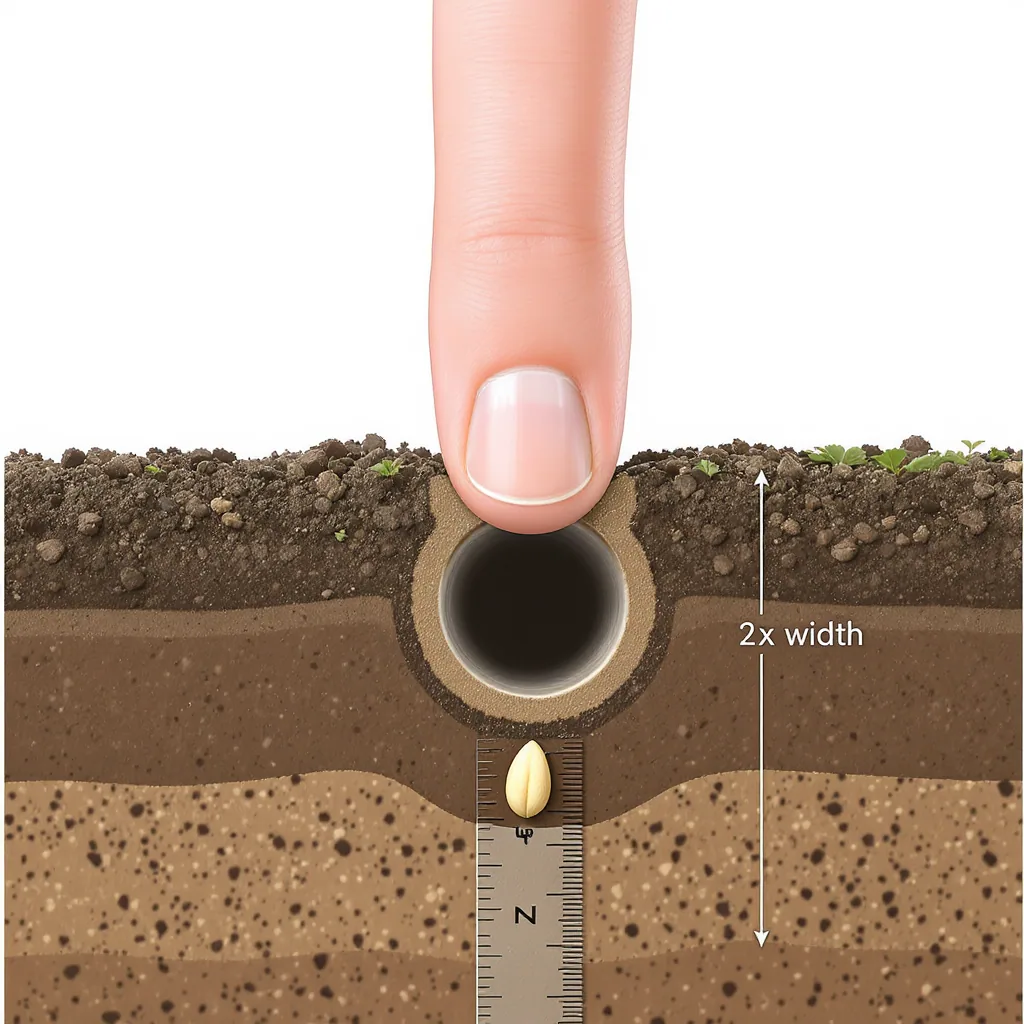
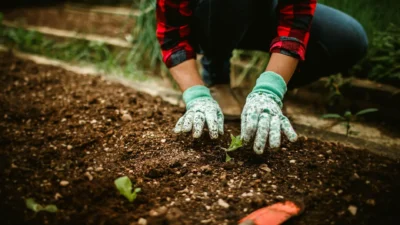
In practice, this means tiny seeds like lettuce or carrots are barely covered—a light sprinkle of soil is plenty. A pea or bean seed, which is much larger, gets planted about an inch deep. Your finger is a great tool for this. Make a hole to the correct depth, drop the seed in, and gently cover it. Don’t pack the soil down hard; a light pat is all you need.
The Seedling Exception: Getting Transplants Right
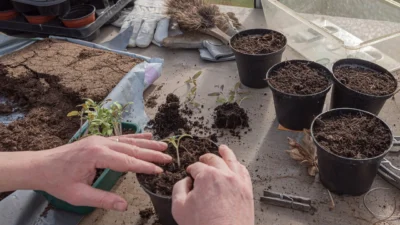
Once a seed has sprouted and become a seedling, the rules change. For transplants, the core principle is different: planting seedlings depth is all about matching the soil line. Your goal is to set the seedling into the garden at the same depth it was growing in its nursery pot or cell.
Look for the faint line on the stem where the soil used to be—that’s your guide. Burying the stem deeper than this original line can suffocate the crown (where the stem meets the roots) of many plants like lettuce, peppers, and herbs, causing them to rot. There are two famous exceptions to this rule. Tomatoes can and often should be planted deeper, as they develop roots all along their buried stems, creating a stronger plant. The same goes for leggy seedlings (those stretched tall and thin from lack of light); you can bury part of the weak stem to help support them.
When transplanting, always handle seedlings gently by their leaves, not their fragile stems. For more detailed guidance on the best time to transplant specific vegetables, resources like your local university’s cooperative extension service offer excellent, region-specific calendars.
Your Quick-Reference Planting Depth Guide
Think of this as your at-a-glance seed planting depth chart basics. Keep this list handy when you’re heading out to the garden with your seed packets.
- Tiny Seeds (e.g., Lettuce, Carrots, Petunias): Simply press into the soil surface or cover with a mere 1/8 inch of fine soil or vermiculite. They need light to germinate.
- Small to Medium Seeds (e.g., Radishes, Beets, Spinach): Plant about 1/4 to 1/2 inch deep.
- Medium Seeds (e.g., Beans, Peas, Cucumbers): Plant about 1 inch deep. This is a classic example of the “2x width” rule.
- Large Seeds (e.g., Squash, Corn, Sunflowers): Plant 1 to 1.5 inches deep. Their large energy stores can push through deeper soil.
- Seedlings & Transplants: Plant so the soil line on the stem matches the new garden soil level. (Exception: Bury tomato stems and leggy seedlings deeper).
3 Common Depth Mistakes (And How to Fix Them)
Even with the best rules, it’s easy to slip up. Here are the most frequent errors beginners make with planting depth and what you can do about them.
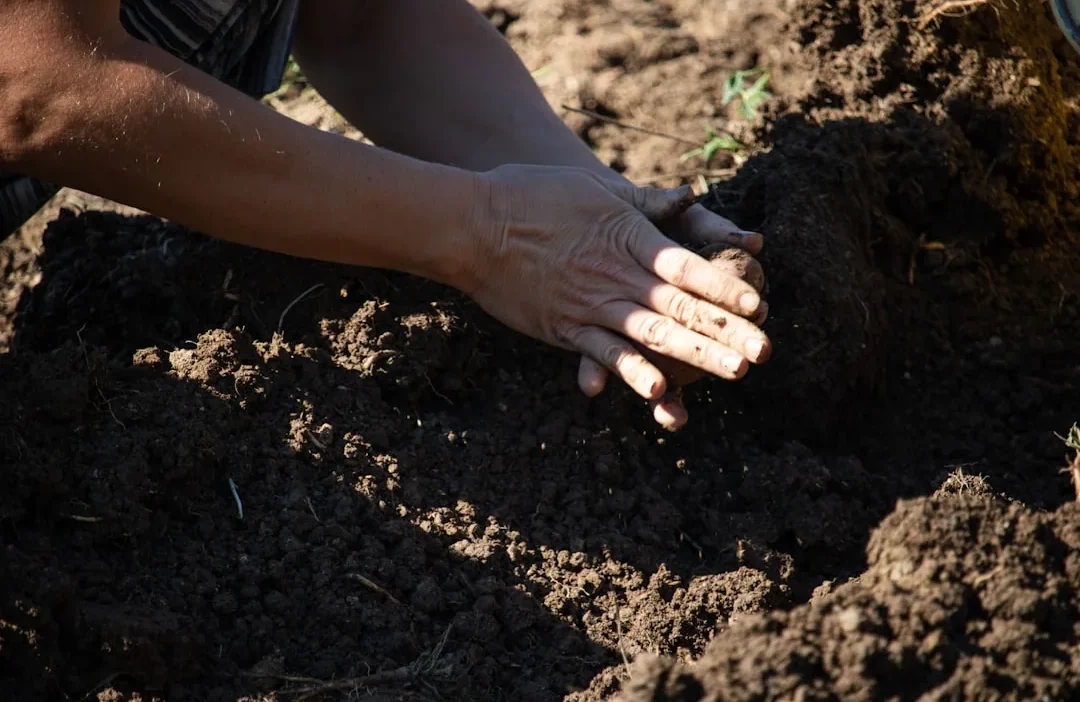
1. The “Out of Sight, Out of Mind” Error (Planting Too Deep): This is the number one cause of seeds that never come up. You pat a bit too much soil over that tiny seed, and it simply can’t reach the surface. The Fix: If you suspect seeds are buried too deep, you can sometimes gently scrape away a little soil from the area with your finger. Mostly, you’ll need to wait the full germination time and then re-sow if nothing appears. Next time, measure with your finger nail or a ruler.
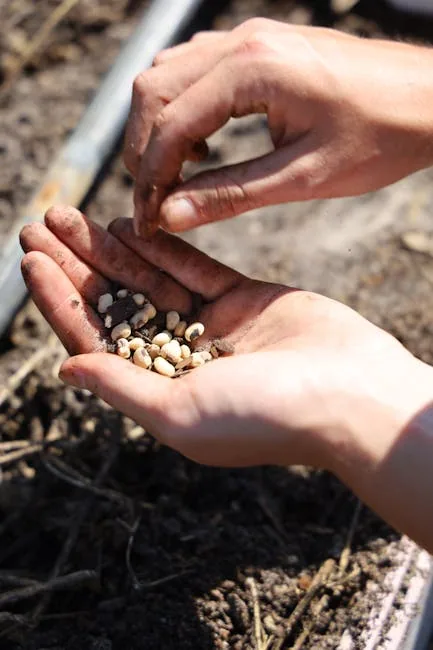
Photo by Joice Rivas on Pexels
2. The Bird Buffet Error (Planting Too Shallow): Seeds left on or very near the surface can dry out in hours or become a quick snack for birds and insects. The Fix: If you see seeds exposed after watering, sprinkle a thin layer of soil or compost over them. For future rows, ensure a proper, light covering.
3. The Tomato Trap (Applying Tomato Rules to Everything): Learning that tomatoes like deep planting is a breakthrough, but then applying it to peppers, broccoli, or flowers is a recipe for stem rot. The Fix: Remember the soil line rule for most seedlings. Only tomatoes, tomatillos, and the stems of leggy seedlings appreciate a deeper burial.
Trust the Process, Watch Your Garden Grow
Getting the depth right isn’t about perfection; it’s about giving your plants a solid foundation. By sticking to the simple “2-3 times width” rule for seeds and the “match the soil line” guideline for seedlings, you eliminate the most common reason for germination failure. Don’t overthink it or get lost in complex charts for every single plant—these basics cover 95% of what you’ll grow.
The best teacher is your own garden. Take note of what sprouts well and what doesn’t. That observation is how you move from following rules to understanding your own soil and microclimate. Mastering this one fundamental skill of correct depth for planting seeds builds confidence and sets the stage for everything else you’ll learn as a gardener. Now, go get those seeds in the ground.