You’re holding a plant with a single, sad, yellowing leaf, and that initial spark of excitement has fizzled into a quiet defeat. You watered it, you gave it a sunny spot—what did you do wrong? If this sounds familiar, take heart: that feeling isn’t a sign you lack a green thumb. It’s simply a sign that no one showed you the planting basics for beginners gardening actually requires. Success isn’t about innate talent; it’s about building a simple, supportive home for your plants. This beginner garden planting guide cuts through the overwhelm and shows you that thriving greenery comes from mastering a few core principles, not complex rituals. We’ll walk you through the absolute essentials, from decoding your light to choosing the most forgiving plants, so you can swap that anxiety for the deep satisfaction of watching something grow.
Beginner gardening success starts with choosing resilient plants suited to your environment and mastering a few fundamentals: proper light, consistent watering in good soil, and simple tools. Focus on building a routine, not perfection. Your goal is to match an easy-to-grow plant to your specific space and establish a basic, consistent care ritual—overcomplication is the real enemy.
Your Gardening Toolkit: The 5 Non-Negotiable Essentials
Before you bring home a single plant, let’s gather your gear. Think of this not as a shopping spree, but as assembling a simple, effective kit. Overcomplicating your toolkit is a common first stumble. You truly only need five things to start your beginner garden planting guide on the right foot.
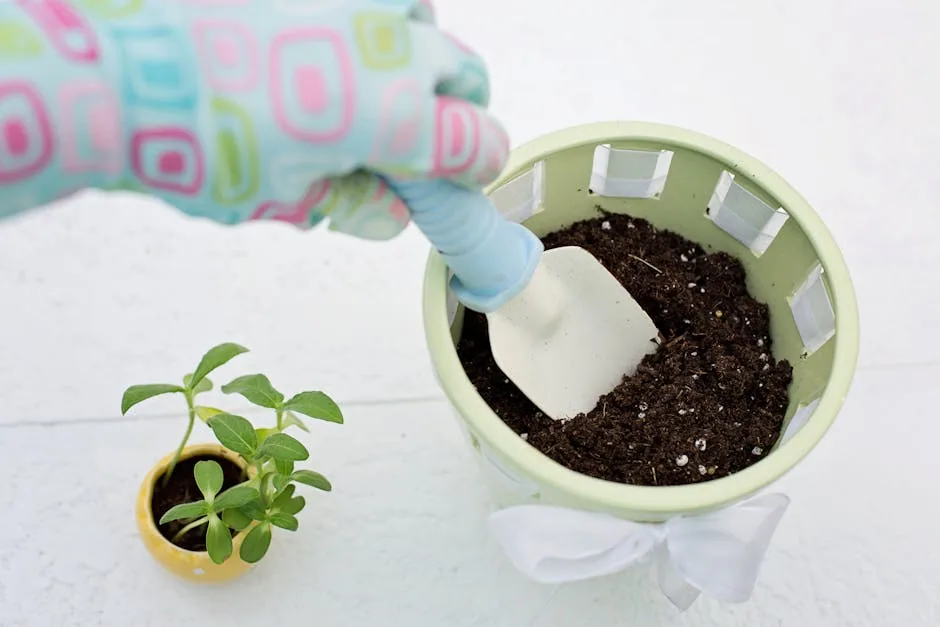
Photo by Jill Wellington on Pexels
The 5 Must-Haves
- A Container with Drainage: This is non-negotiable. A hole in the bottom lets excess water escape, preventing root rot. A simple plastic or ceramic pot is perfect. Saucers catch the runoff.
- Quality Potting Mix: Do not use soil from your yard. For containers, you need a fluffy, well-draining potting mix. It’s engineered to hold moisture and air around roots in a confined space. A reputable brand’s all-purpose mix is a great start.
- A Hand Trowel: This small shovel is for scooping soil, making holes, and moving plants. It’s your main digging tool.
- Pruners or Sharp Scissors: Clean cuts are crucial for removing dead leaves or trimming overgrown stems. Dull blades can crush plant tissue.
- A Watering Can with a Long Spout: This gives you control, directing water to the soil (not the leaves) and allowing for a gentle, thorough soak.
With these items, you’re equipped for 95% of gardening basics for starters. One final “tool” is learning to read a plant tag—it tells you the plant’s light and water needs, its mature size, and is your first step in matching a plant to your space.
The Light Decoder: Matching Plants to Your Space
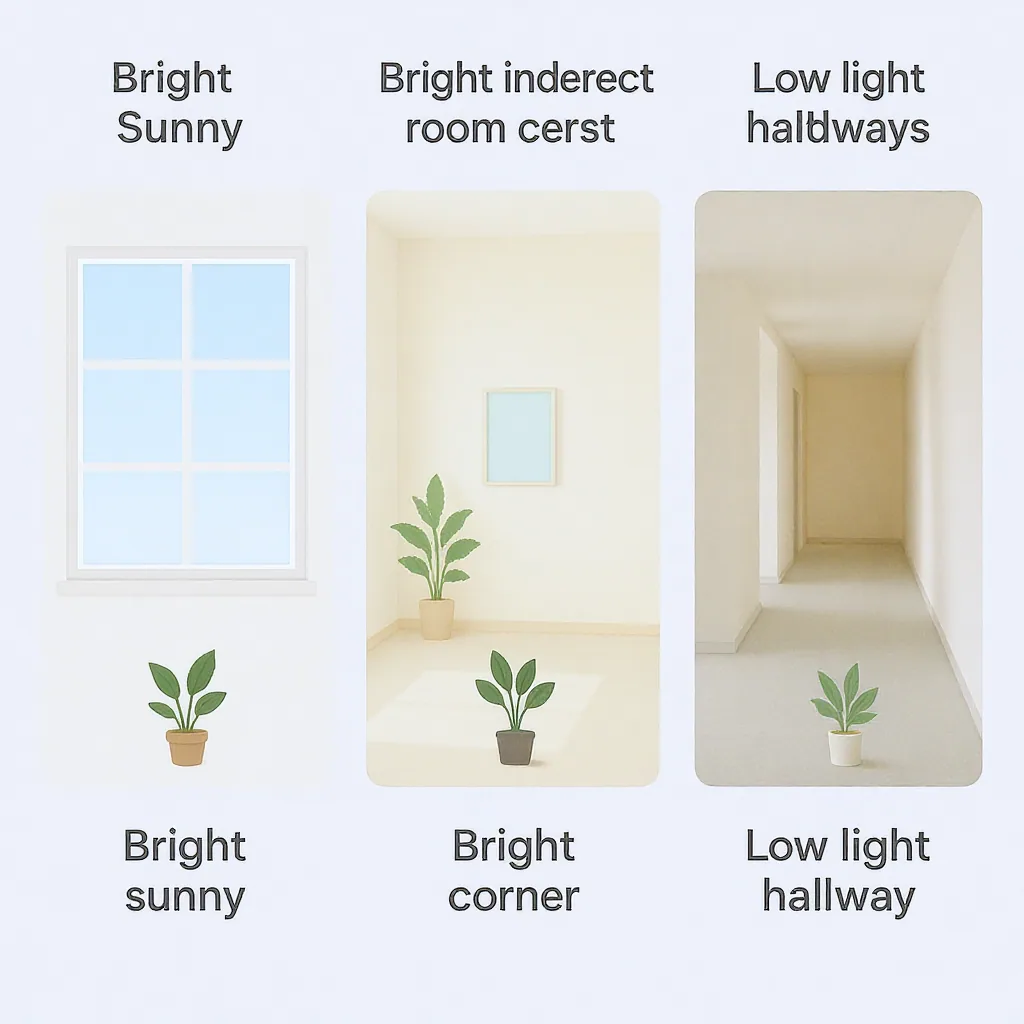
The single most important factor for plant happiness is light. Getting this right solves most future problems. Forget technical terms; let’s diagnose your space with simple, real-world scenarios.
Bright, Direct Light
Scenario: You have a south or west-facing window where the sun beams directly onto the sill for 4+ hours a day. You can feel the warmth. Plants for here: Succulents, cacti, and herbs like rosemary thrive here. Most common leafy houseplants will scorch in this intense spot.
Bright, Indirect Light
Scenario: This is the sweet spot. Think a spot near a sunny window but where the sun’s rays never directly hit the leaves (e.g., a few feet back from an east-facing window, or beside a south window with a sheer curtain). The room is brightly lit all day. Plants for here: This is prime real estate for the most popular and easy-to-grow plants like Pothos, Philodendron, and Spider Plants.
Low Light
Scenario: You have a north-facing windowsill, a shelf more than 6 feet from a window, or a room with only ambient light. It’s dim enough that reading a book there feels slightly challenging. Plants for here: “Low light” means “survivable, not ideal.” Choose champions of tolerance like the Snake Plant or ZZ Plant. They grow slower but are incredibly forgiving.
Be honest with your assessment. Choosing a sun-loving plant for a dark corner is the fastest path to disappointment. This matching step is the core of a smart beginner garden planting guide.
The Un-Killable Crew: Top 10 Easy Plants for Absolute Beginners
Confidence comes from early wins. These plants are famously resilient, forgiving of occasional forgetfulness, and widely available. They are the ultimate easy plants for new gardeners.
Photo by cottonbro studio on Pexels
For Low Light:
1. Snake Plant (Sansevieria): Why it’s easy: Thrives on neglect, prefers dry soil, and tolerates very low light. Key tip: Water only when the soil is completely dry—sometimes just once a month.
2. ZZ Plant (Zamioculcas zamiifolia): Why it’s easy: Its bulb-like rhizomes store water, making it incredibly drought-tolerant. Key tip: Treat it like a cactus; overwatering is its only enemy.
3. Cast Iron Plant (Aspidistra): Why it’s easy: It earned its name. Handles low light, irregular watering, and temperature swings.
For Bright, Indirect Light:
4. Pothos (Epipremnum aureum): Why it’s easy: Grows quickly, tells you when it’s thirsty (leaves droop slightly), and is easy to propagate. Key tip: Let the top inch of soil dry out between waterings.
5. Spider Plant (Chlorophytum comosum): Why it’s easy: Produces “pups” (baby plants) on long stems, giving you instant gratification. Key tip: Prefers to dry out a bit between waterings and enjoys being root-bound.
6. Peace Lily (Spathiphyllum): Why it’s easy: Dramatically wilts when thirsty, then perks up within hours of watering—a clear communication system. Key tip: Keep soil consistently moist (not soggy) and in medium to low light.
7. Philodendron Heartleaf: Why it’s easy: Similar care to Pothos, with beautiful heart-shaped leaves. It’s a vigorous, forgiving vine.
8. Chinese Evergreen (Aglaonema): Why it’s easy: Adaptable to various light conditions (low to bright indirect) and has striking patterned leaves.
For Bright Light:
9. Jade Plant (Crassula ovata): Why it’s easy: A succulent that loves sun and infrequent watering. Key tip: Water deeply, then wait until the soil is fully dry and the leaves feel slightly soft.
10. Aloe Vera: Why it’s easy: Loves a sunny spot, and the gel inside its leaves is useful for minor burns. Key tip: Water only when the soil is bone dry.
3 Signs Your Chosen Plant is Healthy at the Store
- Firm, Vibrant Leaves: Avoid plants with yellowing, brown crispy edges, or leaves that are limp, spotted, or have tiny webs (signs of pests).
- New Growth: Look for fresh, smaller leaves emerging. This is a sign of active, happy growth.
- A Balanced Shape: The plant should look full, not lopsided or leggy with long stretches of stem between leaves.
The Planting Moment: A Stress-Free Step-by-Step
The act of planting can feel like a high-stakes exam, but it’s simply about giving your new plant a stable, comfortable home. Follow this calm sequence.
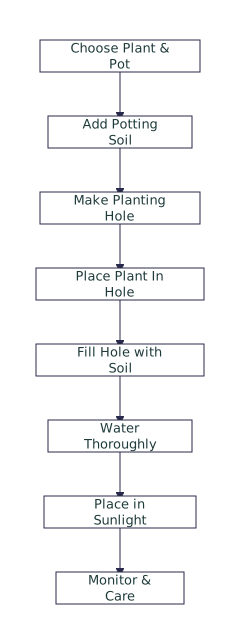
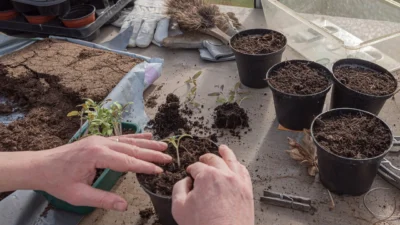
First, place a piece of broken pottery or a small mesh screen over the drainage hole to keep soil from washing out. Add a couple of inches of fresh potting mix to the bottom of your new pot. Gently squeeze the nursery pot to loosen the root ball and tip the plant out, supporting its base. If the roots are densely wound in a tight circle (rootbound), gently tease a few apart with your fingers to encourage them to grow outward. Place the plant in the new pot, ensuring the top of the root ball sits about an inch below the pot’s rim. Fill in the gaps around the sides with more potting mix, gently firming it down to eliminate large air pockets. Finally, give it a thorough watering until water runs freely out the bottom. This “watering in” settles the soil around the roots. Place your newly potted friend in its appropriate light spot and take a breath—you’ve done it.
There’s a quiet satisfaction in that first planting. Your hands are in the soil, you’ve carefully nestled the roots into their new home, and with that final watering, you’ve officially begun. It’s a tangible, hopeful start that transforms a store-bought plant into your plant.
Watering Without Worry: Finding the Rhythm
Watering is the #1 anxiety for beginners, often leading to “love killing” (overwatering). Let’s ditch the rigid schedule. Plants don’t drink by the calendar; they drink based on light, temperature, and their own growth cycle.
The Foolproof Finger Test
Forget guessing. Once a week, stick your finger about 2 inches into the soil. For most common easy-to-grow plants (like Pothos, Philodendron, Spider Plant):
If it feels dry: Water thoroughly until it runs out the bottom.
If it feels damp or cool: Walk away. Check again in a few days.
This simple check is more reliable than any app.
Reading the Signs
Overwatering (More Common): Leaves turn yellow and feel soft or mushy, especially lower leaves. Soil stays constantly wet. Fix: Let the soil dry out completely before watering again, and ensure your pot has drainage.
Underwatering: Leaves become dry, crispy, and brown at the tips, or the entire plant droops dramatically (though many, like Peace Lily and Pothos, perk up quickly after a drink). Fix: Give it a thorough soak.
The goal is consistent watering, not constant watering. Establish a weekly “check-in” ritual instead of a “watering day.” For more on technique, resources like the University of Minnesota Extension’s guide offer excellent detail.
Your First-Month Garden Routine
Now, let’s build your simple, sustainable ritual. This is the beginner-friendly gardening routine that turns knowledge into habit. Follow this checklist for the first four weeks to build confidence and observe your plant’s needs.
- Week 1 (The Settling-In Phase): After planting, place your plant in its designated light spot. Water it thoroughly once. Then, leave it alone aside from admiring it. It’s acclimating.
- Week 2 (The First Check): Perform the finger test. Chances are, it won’t need water yet. Wipe dust off leaves with a damp cloth so they can breathe and absorb light.
- Week 3 (Establishing Rhythm): Do the finger test. This is likely your first true watering moment. Water thoroughly, let it drain, and empty the saucer after 30 minutes.
- Week 4 (Observation & Adjustment): Check soil moisture. Also, gently rotate the pot a quarter turn so all sides get even light, preventing lopsided growth. Look for any new leaves—a sure sign of success.
This routine isn’t about doing a lot; it’s about consistent, attentive care. It’s your foundational planting fundamentals practice.
Common Beginner Stumbles (And How to Sidestep Them)
Everyone makes mistakes—it’s how we learn. Here’s how to anticipate and avoid the most common pitfalls in your beginner garden planting guide journey.
Stumble: The Overwater Urge
Why it happens: We equate care with watering. Anxiety makes us pour love (and water) on our plants.
Simple Fix: Commit to the finger test. Let the plant tell you what it needs.
Stumble: Repotting Immediately
Why it happens: You buy a beautiful new pot and want to use it right away.
Simple Fix: Let the plant live in its nursery pot for a few weeks to acclimate to your home first. Only repot if it’s rootbound or the soil is poor.
Stumble> Chasing Fertilizer
Why it happens: Thinking more food = more growth.
Simple Fix: Don’t fertilize a new plant for at least 6 months. Potting mix has nutrients. Over-fertilizing burns roots. When you do feed, use a diluted, balanced liquid fertilizer during the growing season (spring/summer).
Stumble: Ignoring the Light Label
Why it happens: Falling in love with a plant’s look and putting it where you want it, not where it needs to be.
Simple Fix: Buy the plant for the light you have, not the light you wish you had. Refer back to the Light Decoder section.
Stumble: Helicopter Parenting
Why it happens: Constantly moving the plant, fussing with leaves, changing your care routine daily.
Simple Fix: Plants thrive on consistency. Find a good spot, establish your check-in routine, and then trust the process. Observe, don’t interfere.
When to Step Back and Let Your Garden Grow
The final, most advanced skill in beginner-friendly gardening is learning patience and restraint. Not every change is a crisis. A single yellow leaf on an otherwise healthy plant is often just the plant shedding old growth. Leaves might droop slightly as the plant adjusts to your home’s humidity. This is normal.
Your role is to provide stable conditions—consistent light, water when needed, and a quiet spot to grow. The plant’s role is to do the growing. After you’ve done your part, give it time. Avoid the urge to “fix” something daily. Often, the best action is inaction, allowing the plant to use its own resilience. This shift from anxious caretaker to confident observer is where your green thumb truly develops.
3 Quick Checks for a Happy Plant
- The Soil Moisture Test: Finger in the soil. Dry? Water. Damp? Wait.
- The Leaf Inspection: Are the majority of leaves firm and colorful? Good. Focus on the overall picture, not one imperfect leaf.
- The Growth Check: Do you see any new, smaller leaves unfurling? This is the ultimate sign of health and contentment.
Your First Garden Starts Now
Gardening isn’t about possessing a mythical green thumb; it’s about building a simple, supportive home for a living thing and establishing a gentle routine. You now have the core planting basics for beginners toolkit: the essential gear, the light decoder key, a list of resilient allies, and a calm, step-by-step ritual for care.
The path from overwhelmed beginner to confident plant parent is clear. Don’t try to do everything at once. Your decisive next step is this: pick one easy plant from the list that matches your light, gather your five essential tools, and follow your first-month routine. That single, successful relationship will teach you more than any article ever could. Now, go build that first, rewarding connection. Your garden is waiting.
Success in beginner gardening hinges on a few core principles, not innate talent. First, assemble a simple toolkit: a pot with drainage, quality potting mix, a trowel, pruners, and a watering can. The most critical step is honestly assessing your light (bright direct, bright indirect, or low) and choosing easy plants for new gardeners that are suited to it, like Snake Plants for low light or Pothos for indirect light.
The actual planting fundamentals are a stress-free process of potting, watering in, and placement. Ongoing care is built on the simple “finger test” for watering and a consistent weekly check-in routine, not a rigid schedule. Finally, avoid common pitfalls like overwatering and repotting too soon, and learn the advanced skill of patient observation. Focus on providing stable conditions and let your plants do the growing.
Q: Can