You start the season with such high hopes—neat rows of seedlings, visions of overflowing harvest baskets. But by mid-summer, your garden looks more like a tangled jungle than a productive plot. The leaves are yellowing, the fruits are puny, and a strange mildew seems to be spreading. This frustrating scenario is a classic result of one of the most common plant spacing mistakes: the temptation to squeeze in just one more plant. Ignoring those little numbers on the seed packet might not seem like a big deal when your seedlings are tiny, but it sets the stage for intense underground competition and a disappointing season. This article is your guide to diagnosing the visual signs of an overcrowded garden and, more importantly, provides a clear action plan to prevent it from happening again, ensuring your plants have the room they need to thrive.
The most fundamental plant spacing mistake is planting too close together and ignoring the spacing guidelines on seed packets or plant tags. This forces plants into competition for sunlight, water, and nutrients, leading to weak, stunted growth, poor yields, and increased susceptibility to pests and disease. To prevent this, always check the recommended spacing for the mature size of the plant and take time to plan your garden layout on paper before you put anything in the ground.
The Clear Signs Your Plants Are Too Crowded
Think of your garden like a crowded room. When plants are packed in too tightly, they can’t breathe, stretch, or get what they need. Learning to spot the visual clues of overcrowded garden plants is your first step toward fixing the problem. Here’s what to look for, both above and below the soil.

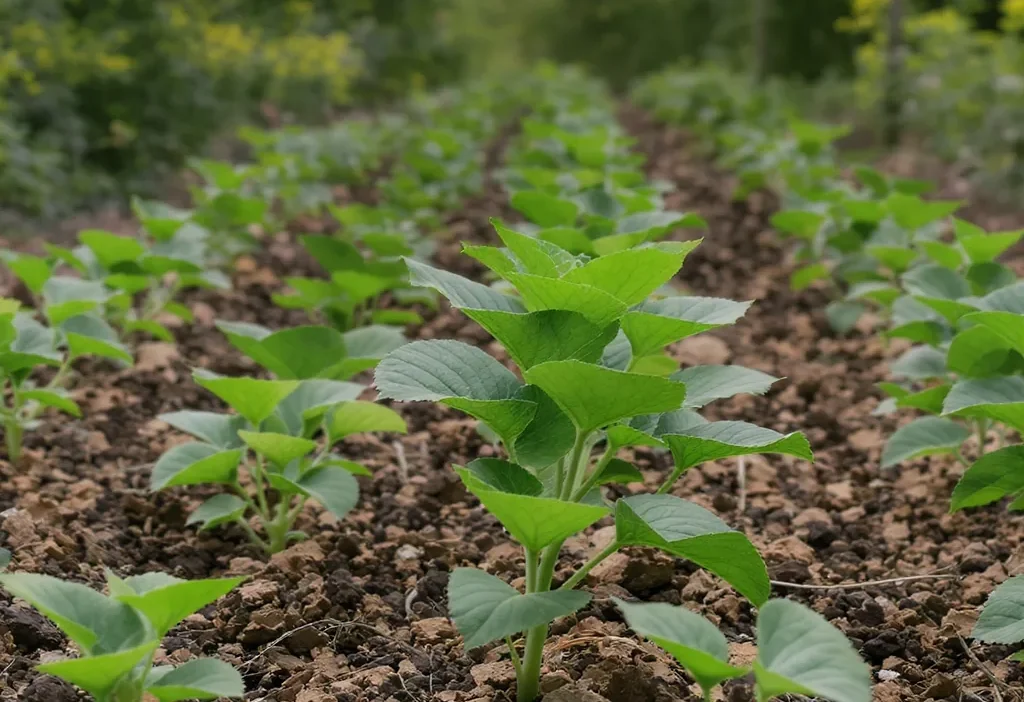
Photo by Andrey Matveev on Pexels
Above-Ground Distress Signals
The most obvious signs appear in the foliage and stems. Plants will stretch unnaturally tall and thin, reaching for any available sunlight, a condition called “legging.” Lower leaves often turn yellow and drop because they’re permanently shaded out. You might also notice that fruits or vegetables are significantly smaller than expected, or that plants simply fail to flower.
Increased Pest and Disease Pressure
Poor air circulation is a direct result of crowded vegetable beds. Damp, stagnant air trapped in dense foliage creates a perfect environment for fungal diseases like powdery mildew and blight. Similarly, pests find it easier to hide and spread from leaf to leaf when plants are touching. If you’re constantly battling mildew or an insect infestation, spacing could be the root cause.
A quick note: While these are classic signs of overcrowding, they can sometimes indicate other issues like nutrient deficiencies. Always consider spacing as a primary suspect, especially if your plants looked healthy when they were smaller.
Why Spacing Isn’t Just About Room to Grow
It’s easy to think of spacing as simply giving leaves space to spread out. But the real battle happens underground. When you make common garden spacing errors, you’re forcing plants into a fierce competition for finite resources.
Roots need room to expand to access water and nutrients. In crowded conditions, root systems become stunted and tangled, unable to support robust top growth. This underground struggle directly leads to the weak, stressed plants you see above the soil. Furthermore, dense canopies block light from reaching all leaves, reducing the plant’s ability to photosynthesize and produce energy for growth and fruit.
This constant stress from competing for light, water, and nutrients weakens the plant’s natural defenses, making it far more susceptible to the pests and diseases mentioned earlier. For a deeper dive into this plant physiology, resources from university extensions, like this one from the University of Minnesota, offer excellent explanations.
Common Spacing Pitfalls (And How to Avoid Them)
Even with the best intentions, it’s easy to fall into these common traps. Here’s a mini-checklist of specific errors and how to correct them immediately.
Mistake: Trusting the Tiny Seedling’s Size
The Fix: Always plan for the mature plant’s dimensions, not the cute little starter you put in the ground. That tomato seedling in a 4-inch pot will need a 3-foot diameter circle by mid-summer. Use the “spacing between plants” measurement on the tag or seed packet as your non-negotiable guide.
Mistake: Ignoring “Thin to” Instructions on Seed Packets
The Fix: Be ruthless. Sowing seeds closely ensures germination, but the “thin to” distance is the final, proper spacing. Those extra seedlings must be removed (and can often be eaten as microgreens!). Failure to thin is a guaranteed recipe for planting too close together.
Mistake: Forgetting About Pathways and Access
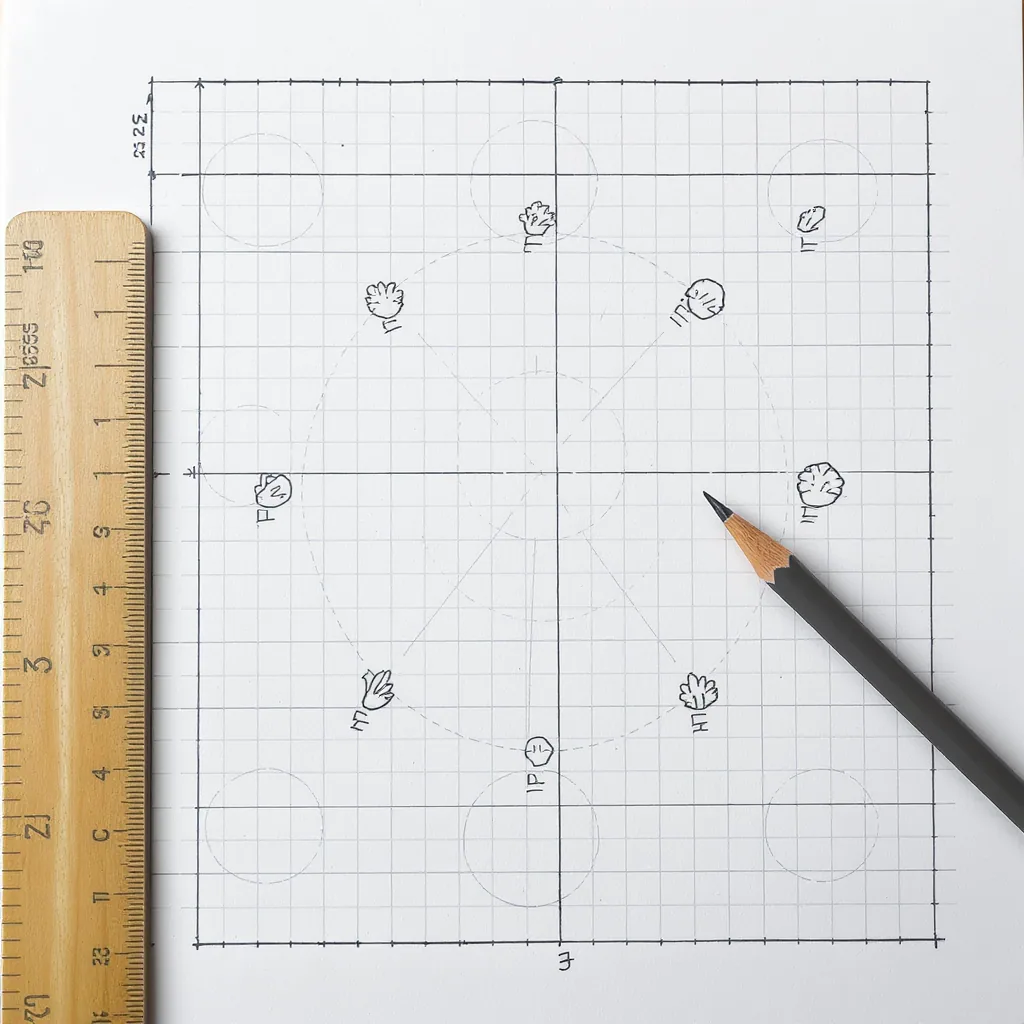
The Fix: Map it out. Whether you use graph paper or a simple drawing, sketch your bed to scale. Include space for you to walk, kneel, and harvest without trampling your plants. This prevents the all-too-common squeeze where the last few plants get crammed into leftover corners.
Mistake: Mixing Up Spacing for Rows vs. Intensive Beds
The Fix: Know your gardening method. Traditional row gardening lists spacing between plants and between rows (e.g., 12″ apart in rows 36″ apart). Intensive, block-style planting in raised beds uses equidistant spacing (e.g., 12″ apart in all directions). Using the row spacing in a raised bed wastes space; using intensive spacing in a row system leads to crowding. Choose one method and follow its specific spacing for healthy growth guidelines.
Your Action Plan to Prevent Crowding Next Season
Turning knowledge into habit requires a system. Follow this simple, sequential plan to banish spacing issues from your garden for good.
1. Research Before You Buy or Plant
Never buy seeds or transplants on impulse without knowing their final size. Keep a list or note on your phone of the mature spread and height of the vegetables you love to grow. This is the cornerstone of spacing vegetables correctly.
2. Draw a Simple Scale Map
Before a single seed goes in the ground, create a visual plan. Use a piece of graph paper where each square equals 6 inches or 1 foot. Draw circles representing the mature size of each plant. This instantly reveals if your dream garden fits in your actual space.
3. Use Physical Markers at Planting Time
Your map is your guide, but in the garden, use sticks, string, or a measuring tape to mark where each plant or seed should go. This prevents the “eye-balling” that always leads to crowding.
4. Implement Succession Planting
To maximize yield without overcrowding, plant fast-growing crops (like radishes or lettuce) in the spaces between slower-growing ones (like tomatoes or peppers). By the time the big plant needs the space, the quick crop is already harvested.
5. Keep a Garden Journal
Note what worked and what didn’t. Which varieties seemed too big for the spacing you gave them? Which ones thrived? This record is invaluable for perfecting your plan year after year.
Space to Thrive, Not Just Survive
Proper plant spacing isn’t an advanced gardening technique—it’s a foundational skill. It’s the difference between plants that merely survive and those that truly thrive, producing abundant, healthy harvests. By learning to spot the signs of crowding and implementing a simple planning system, you shift from reactive troubleshooting to proactive success. This one change in your gardening practice is perhaps the most impactful you can make for a healthier, more productive, and more enjoyable garden.