You laid down the mulch, expecting a tidy, weed-free garden. Instead, you got a slimy mat, plants that look worse, or a fresh crop of weeds sprouting right through it. If this sounds familiar, you’re not alone. Many beginners treat mulch as a simple decorative cover, but it’s actually a dynamic, living component of your garden’s health. Understanding a few core mulch basics for beginners transforms it from a source of frustration into your most powerful tool for conserving water, suppressing weeds, and building healthy soil. This guide cuts through the confusion to explain what truly works, what doesn’t, and the simple timing that makes all the difference, so you can stop guessing and start gardening with confidence.
Mulch basics for beginners start with understanding its purpose: to conserve soil moisture, suppress weeds, and regulate temperature. The key is choosing between organic mulches (like wood chips or straw, which feed the soil) and inorganic ones (like stone or landscape fabric, which are longer-lasting), then applying a 2-4 inch layer at the proper time. Get these fundamentals right, and your garden will thrive with less work from you.
Why Mulch Works: The Science Made Simple
Think of mulch as a protective blanket for your soil. It’s not just about making garden beds look tidy; it’s a fundamental tool that works with natural processes to create a healthier environment for your plants. The core benefits boil down to three simple actions: holding water, blocking weeds, and buffering temperature.
First, mulch dramatically reduces water evaporation from the soil surface. A bare soil bakes in the sun, losing moisture quickly. A layer of mulch acts as a physical barrier, slowing that evaporation so you water less and your plants’ roots stay consistently hydrated. Second, by blocking sunlight, mulch prevents most weed seeds from germinating. Weeds that do manage to sprout through a proper mulch layer are usually weak and easy to pull.
Finally, mulch insulates the soil. In summer, it keeps roots cooler; in winter, it helps prevent the freeze-thaw cycles that can heave plants out of the ground. If you use organic materials—like wood chips or straw—you get a bonus fourth benefit: as they slowly decompose, they feed the soil ecosystem, improving its structure and fertility over time. This is the “why” behind mulching fundamentals—it’s about working with nature, not just covering dirt.
Choosing Your Mulch: What Works (And What Doesn’t)
The world of mulch can be overwhelming, but for beginner mulch guide purposes, your first decision is simple: organic or inorganic? Organic mulches come from living material and break down. Inorganic mulches are permanent or long-lasting materials like stone or rubber. What works best depends entirely on where you’re using it.
What Works: Reliable Choices for Beginners
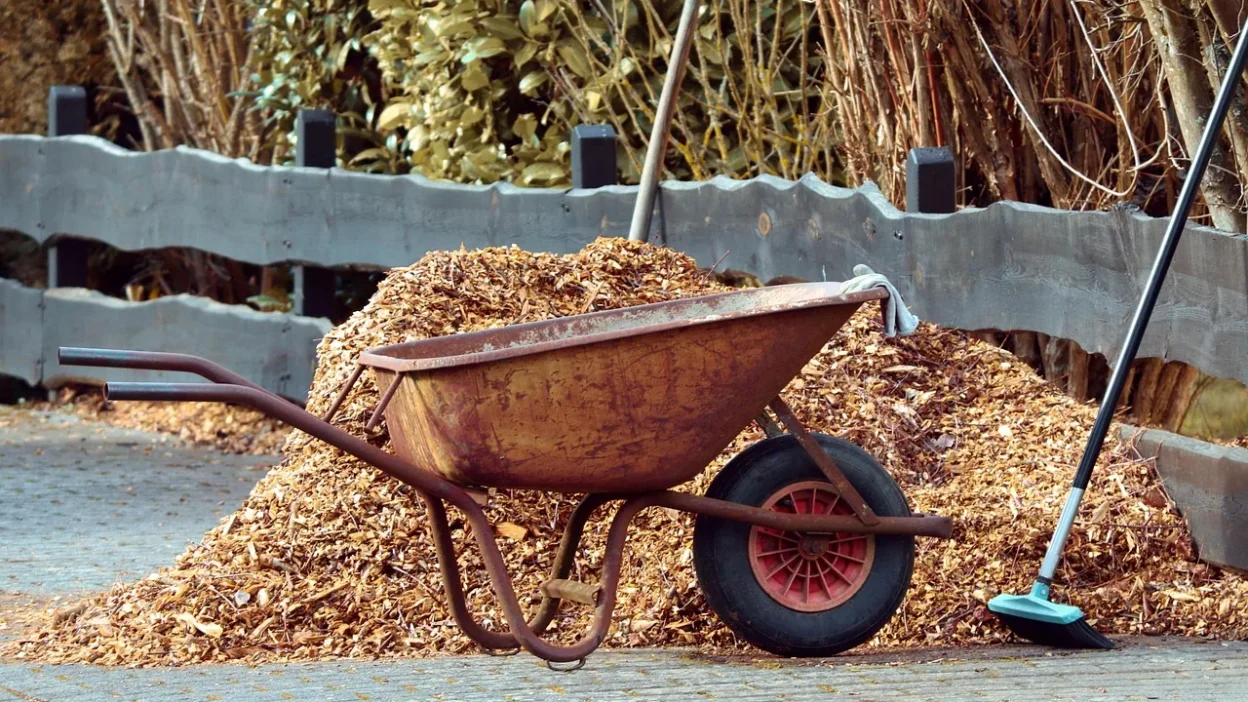
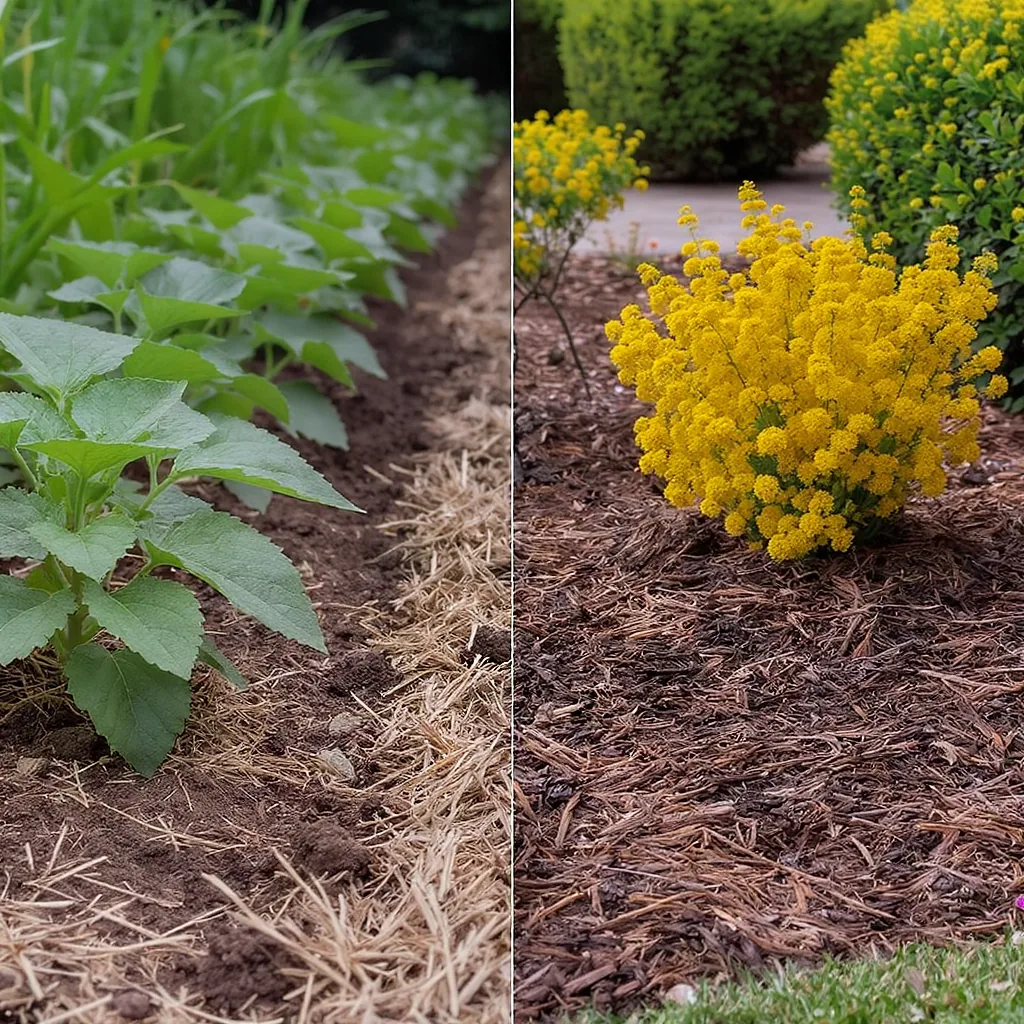
For flower beds and around trees and shrubs, shredded bark or wood chips are excellent, long-lasting choices. They look natural, suppress weeds well, and break down slowly. For the best mulch for vegetable garden beginners, you want something that decomposes in a season to feed the soil. Straw (not hay, which has weed seeds) or finished compost are perfect. Grass clippings can work if applied in thin layers and allowed to dry first to avoid matting.
What Doesn’t: Choices to Avoid or Use with Caution
Fresh, un-composted wood chips can temporarily tie up nitrogen in the soil as they begin to decompose, which isn’t ideal for hungry annuals or vegetables. Avoid piling them directly against plant stems. Be wary of cheap, dyed mulches if you don’t know the wood source; some can contain contaminated wood waste. Landscape fabric (an inorganic option) can work under stone but often fails under organic mulch as soil on top breeds weeds and the fabric eventually clogs. Rocks are great for permanent, dry areas but can overheat soil and make weeding difficult.
The Two Biggest Mulching Mistakes Beginners Make
Even with the right material, applying it wrong can hurt your plants. These two errors are so common they have nicknames. Avoiding them is a major part of mulch do’s and don’ts.
Mistake #1: The Mulch Volcano
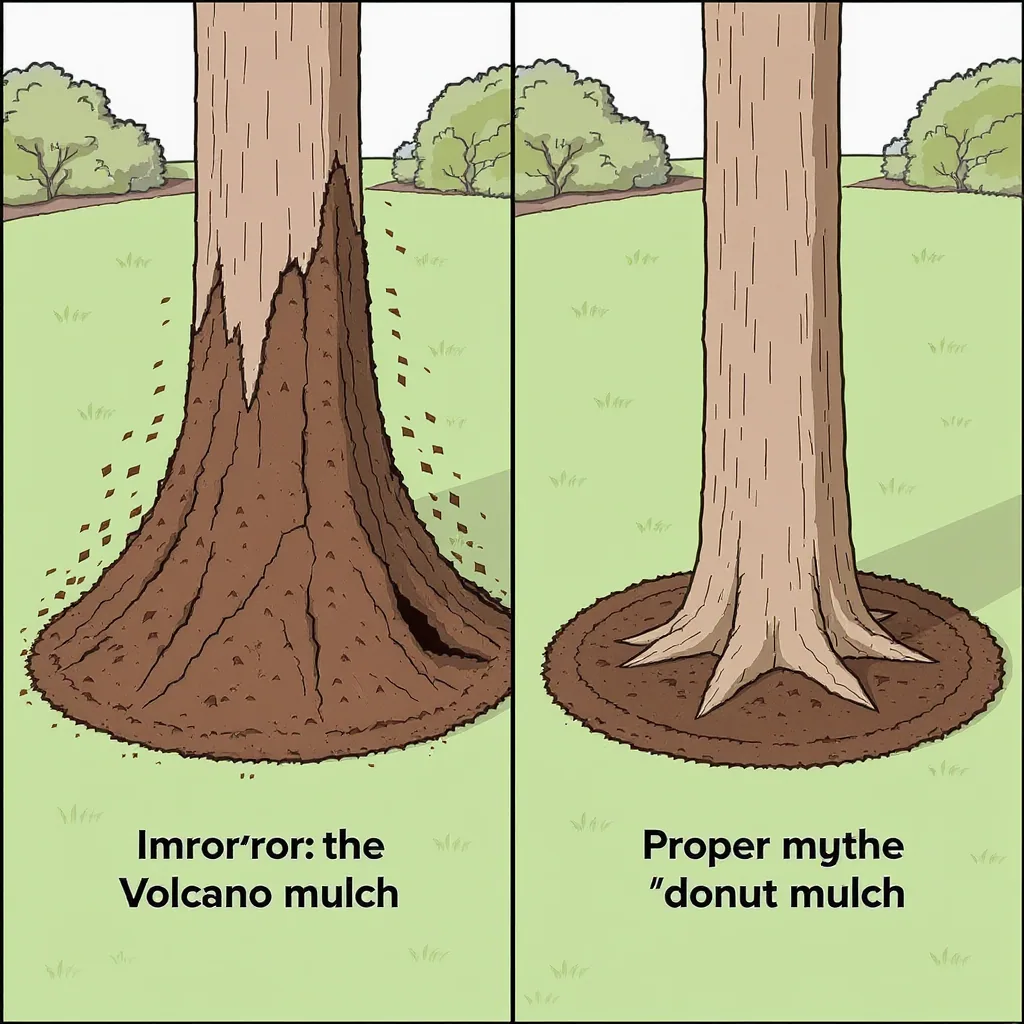
Piling mulch in a cone against the trunk of a tree or the stem of a shrub is disastrous. This constant moisture against the bark leads to rot, invites pests and diseases, and can encourage the tree to grow suffocating girdling roots. How to fix it: Always pull mulch back to create a “donut” shape. Leave a 2-3 inch gap of bare soil around the base of any woody plant. The mulch layer should be flat and even, not mounded.
Mistake #2: Too Much or Too Little
A thin, scattered layer (less than 2 inches) won’t suppress weeds or retain moisture effectively. Conversely, a layer thicker than 4 inches can become a water-repellent, compacted mat that suffocates roots and creates a habitat for slugs and rodents. How to fix it: For most materials, the sweet spot is a 2 to 4-inch layer after settling. Use a ruler to check! Fluff up old, matted mulch before adding more to ensure water and air can penetrate.
When to Apply Mulch (And The Telltale Signs It’s Time to Reapply)
Timing is everything. Applying mulch at the wrong when to mulch garden moment can do more harm than good. The goal is to work with the seasons to protect your soil and plants.
The best time for a major spring application is after the soil has warmed up in late spring or early summer. If you mulch too early over cold, wet soil, you’ll slow its warming and delay plant growth. In fall, apply mulch after the ground has chilled to protect plant roots from winter freeze. This fall layer also prevents soil erosion from rain and snowmelt.
Knowing When to Replace Mulch
Organic mulch isn’t permanent. How do you know it’s time for a refresh? Watch for three signs: 1) Significant decomposition—the mulch has largely broken down into soil-like material. 2) Thinning depth—the layer has settled to less than 2 inches thick. 3) Weed breakthrough—weeds are consistently sprouting through. Typically, a coarse mulch like bark chips may last 2-3 years, while a fine mulch like straw in a vegetable garden needs replenishing every season. Inorganic mulch rarely needs replacing, just occasional raking to remove debris.
By understanding this cycle of when to replace mulch, you move from guessing to maintaining your garden proactively, keeping it healthy and reducing your workload season after season.
Your Garden, Simplified
Mulch might seem like a small detail, but getting these mulch basics right is a game-changer. It transforms gardening from a constant battle against weeds and drought into a more manageable, enjoyable practice. Remember, you don’t need to master every mulch type overnight. Start with one bed, choose a simple organic material suited to the plants there, apply it properly, and observe the difference it makes.
The vision is a garden that is not only more beautiful but also more resilient—where the soil thrives, plants are less stressed, and you spend less time watering and weeding. That’s the real power of understanding a few simple fundamentals. Your garden, and your back, will thank you.