You’ve nurtured your seeds with care, watching for the first green sprouts, only to find them a week later: tall, thin, and leaning precariously like tiny, green drunks. It’s a common, frustrating sight for any seed starter. The tempting thought is to tell yourself they’re just “enthusiastic” or growing extra fast. But here’s the truth that changes everything: those leggy seedlings aren’t ambitious; they’re stressed. They’re sending you a survival signal, stretching desperately in a weak, last-ditch effort to find the light they need to live. Understanding this signal—and knowing how to answer it—is the key to turning those spindly stems into robust, transplant-ready plants.
Leggy seedlings are a sign of stress, most often from insufficient light, causing them to stretch weakly toward a light source. The good news is you can correct this before transplanting by adjusting light, temperature, and spacing. Immediate action involves maximizing light intensity, lowering ambient heat, and ensuring seedlings aren’t overcrowded, which gives them a chance to strengthen and recover.
The Real Reason Your Seedlings Are Stretching (It’s Not Just Ambition)
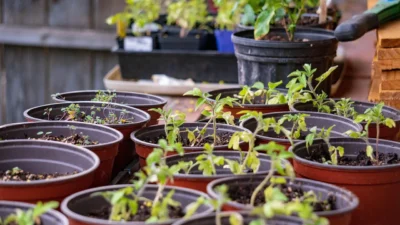
Let’s clear something up right away. When seedlings get leggy, with long, thin stems and sparse leaves, it’s not a sign of vigorous growth. It’s a distress signal. The scientific term is etiolation, and it’s the plant’s survival mechanism when it’s not getting what it needs, primarily light.

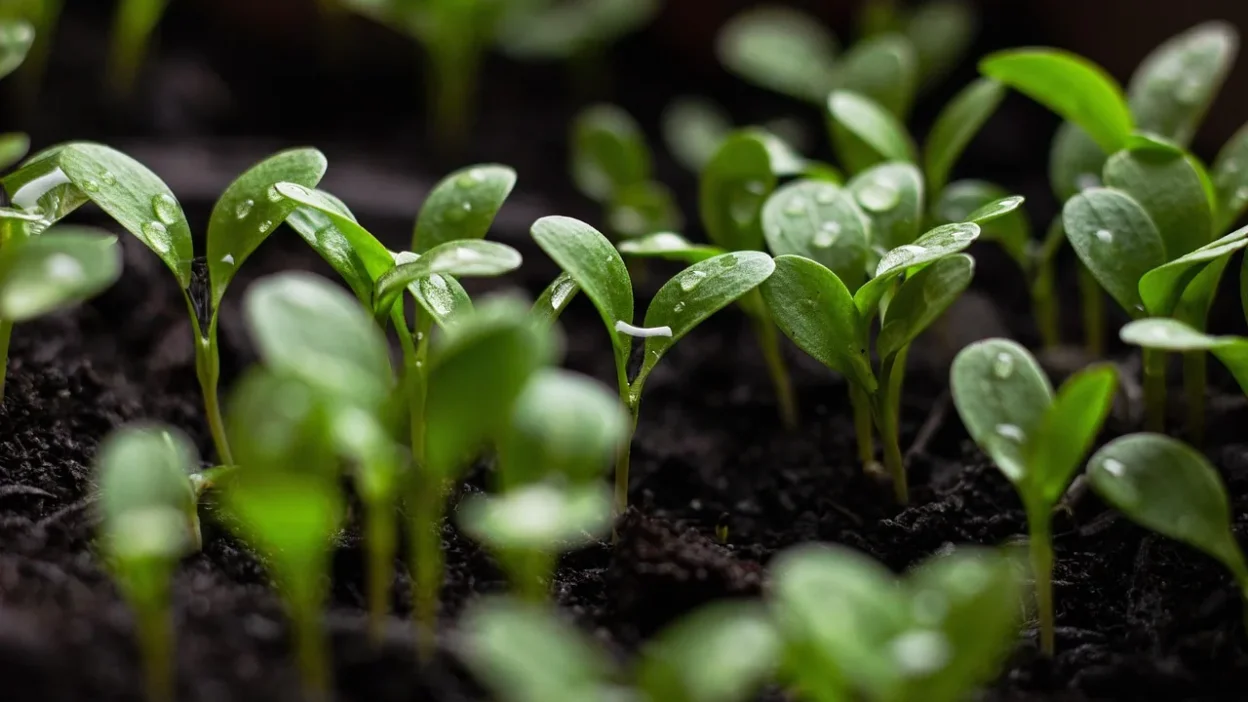
Photo by Omar Gerardo on Pexels
Seedlings are programmed for phototropism—they grow toward a light source. When that source is too dim or too far away, they accelerate their stem growth in a desperate search for more photons. This results in weak, spindly seedlings that invest energy in height, not in developing sturdy stems and robust leaves. It’s a classic case of quantity over quality, and it leaves them vulnerable.
While insufficient light is the prime culprit, two other factors often team up to make the problem worse: excessive warmth and overcrowding. A cozy, warm environment (great for germination) can encourage rapid, weak stem elongation if not paired with intense light. Similarly, seedlings sown too thickly will compete and stretch over each other to reach the light, compounding the issue.
Myth: “My seedlings are just growing fast! They’re enthusiastic!”
Fact: “They are desperately searching for light. The rapid growth is weak and unsustainable, a sign of stress, not health.”
Your Immediate 3-Point Rescue Plan
If you’ve spotted leggy seedlings, don’t panic. Action now can often strengthen weak seedlings before it’s too late. Focus on these three critical adjustments immediately.
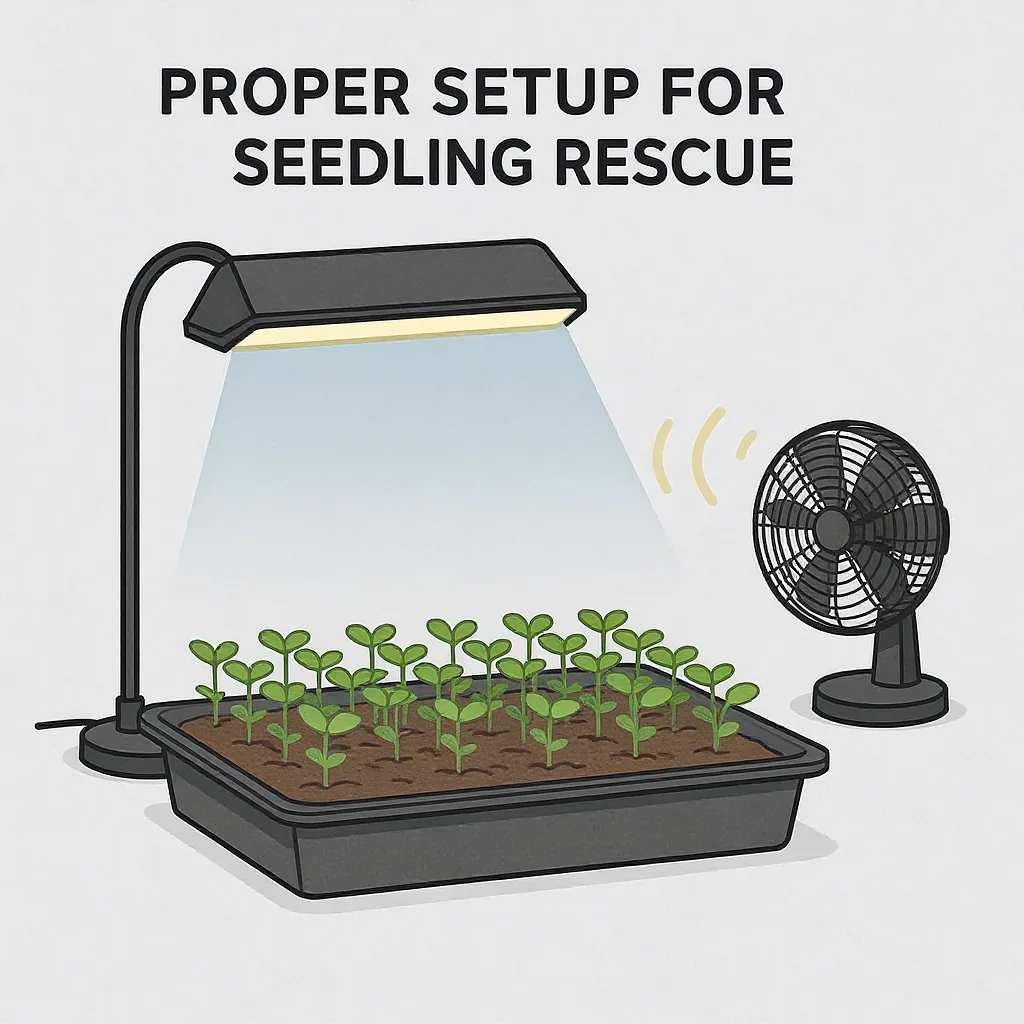
1. Maximize Light Intensity & Duration
This is your number one leggy seedlings fix. If using a sunny window, it’s rarely enough. Invest in a simple LED or fluorescent grow light. The key is proximity: bring the light to within 2-3 inches (5-7.5 cm) of the seedling leaves. Run lights for 14-16 hours a day, using a timer to ensure consistency. This intense, close light source signals the plant to stop stretching and start bulking up.
2. Lower the Temperature Slightly
After germination, most seedlings prefer slightly cooler temperatures (around 65-68°F / 18-20°C) for strong growth. If your setup is very warm, moving trays to a cooler spot (but still within their ideal range) can slow down excessive, weak stem elongation. This pairs perfectly with increased light.
3. Give Them Room to Breathe
If seedlings are crowded, thin them mercilessly. Snip extras at the soil line to avoid disturbing the roots of the keepers. For seedlings in individual cells that are too close together, simply spreading the trays out can help. Better air circulation also helps stems toughen up, so consider running a small fan on low nearby for a few hours a day to simulate a gentle breeze.
Can You Actually Save a Leggy Seedling? (Two Scenarios)
Absolutely. Most leggy seedlings are salvageable with the right intervention. Your approach depends on how far gone they are. Here’s a quick guide to assess your situation.
Scenario A: Mildly Leggy, But Still Upright
The stems are longer than ideal but still green and reasonably sturdy. They haven’t started flopping over yet. This is the easiest scenario to correct.
Solution: Implement the “Immediate 3-Point Rescue Plan” above with diligence. As you provide intense light, cooler air, and space, the seedlings will focus energy on strengthening their existing stem and growing new, compact growth from the top. The stem may not shorten, but it can thicken and become much sturdier, perfectly capable of supporting the plant through transplanting.
Scenario B: Severely Leggy, Thin, and Bending
The stems are very thin, pale, and bending or lying on the soil. They look fragile. This requires a more hands-on leggy seedlings fix.
Solution: First, correct the environment as in Scenario A. Then, plan for a strategic transplant. When it’s time to move them to a larger pot or the garden, you can bury a significant portion of the long, weak stem. Tomatoes, peppers, and many flowers can develop roots along buried stems. Plant them deep, right up to the first set of true leaves. For immediate support, you can gently stake them with a toothpick or a bit of garden twine. This combination of environmental correction and physical support at transplant can turn even the most pathetic-looking seedling into a productive plant.
Prevention Is Simpler Than the Cure: Setting Up for Success Next Time
Understanding why seedlings get leggy is half the battle won for future seasons. A little proactive setup prevents the heartache of correcting leggy growth later.
Start with the right light from day one. Don’t wait for signs of stretching. If starting seeds indoors, have your grow lights ready and positioned just a few inches above the soil as soon as the first seedlings emerge. Follow seed packet instructions for proper planting depth—sowing too shallow can contribute to instability. Manage your temperatures: provide warmth for germination, but be prepared to move seedlings to a slightly cooler, brightly lit area for their vegetative growth phase. Finally, sow seeds thinly and thin seedlings early to prevent competition. Resources like the University of Minnesota Extension’s seed starting guide offer excellent, science-backed frameworks for the entire process.
By controlling these factors from the start, you’ll grow stocky, vigorous seedlings with the strength to thrive after transplanting, turning a common problem into a non-issue.
From Spindly to Sturdy: You’ve Got This
Leggy seedlings are a nearly universal rite of passage for gardeners, not a failure. They’re a clear message from your plants, and now you understand how to respond. By addressing the core issues of light, heat, and space, you can often rescue this season’s seedlings and ensure next season’s starts are robust from the beginning.
View this experience as a valuable lesson in reading your plants’ needs. With your quick-action rescue plan and preventative knowledge, you can move forward to transplanting with confidence, knowing you’ve given your seedlings the best chance to develop into strong, productive plants.
If you want examples, see Best Plants to Start from Seed vs Buy as Seedlings (Beginner Edition).