If you’re new to gardening, you might think the biggest threat to your plants is forgetting about them. In reality, the most common mistake is showing them a little too much love—by overwatering. This article is your stress-reliever, designed to replace the anxiety of a complex daily schedule with a simple, season-anchored mindset. The truth is, there’s no universal answer to how often to water a beginner garden because the real boss isn’t your calendar; it’s the weather outside your window. By learning a few core rules that shift with the seasons, you’ll move from guessing to knowing, giving your plants exactly what they need to thrive.
Forget a rigid daily schedule. Water your beginner garden based on soil moisture (check with your finger) and season: less often in spring/fall, more in summer, and hardly at all in winter for dormant plants. In practice, this means a deep weekly watering might suffice in cool spring, while containers in the blazing summer sun could need a drink daily. Your goal is consistent soil moisture, not a perfect routine.
Your Pre-Watering Checklist: The 2-Minute Soil Test
Before you even think about your watering can, you need to check one thing: soil moisture. This simple habit is the single most important skill for getting your watering frequency right and will save you from the number one beginner mistake. Forget the calendar; your plants will tell you what they need. Here’s your quick, pre-watering routine.
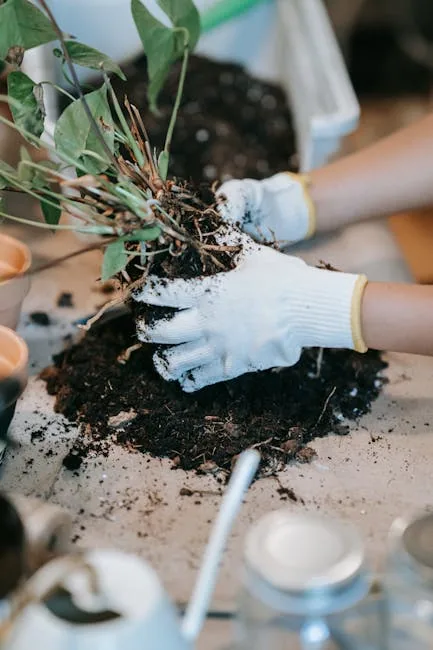
Photo by Sasha Kim on Pexels
1. The Finger Test (The Gold Standard)
Stick your index finger into the soil, down to about your second knuckle (roughly 2 inches). If the soil feels cool and slightly damp at your fingertip, hold off on watering. If it feels dry, it’s time to water. This simple check works for almost every plant in pots and garden beds.
2. The Pot Lift (For Container Plants)
Pick up the pot. A pot with dry soil is surprisingly light, while one with moist soil has noticeable weight. After a few tries, you’ll learn the “just watered” weight versus the “needs water” weight. This is a fantastic quick-check method.
3. The Visual Clues (For Garden Beds)
Look at the soil surface. Dry soil often looks lighter in color and may pull away from the sides of a container or develop tiny cracks. If the top inch looks parched, do the finger test to confirm. Remember, the surface dries out first, so looks can be deceiving.
The Simple Rule-by-Rule Seasonal Guide
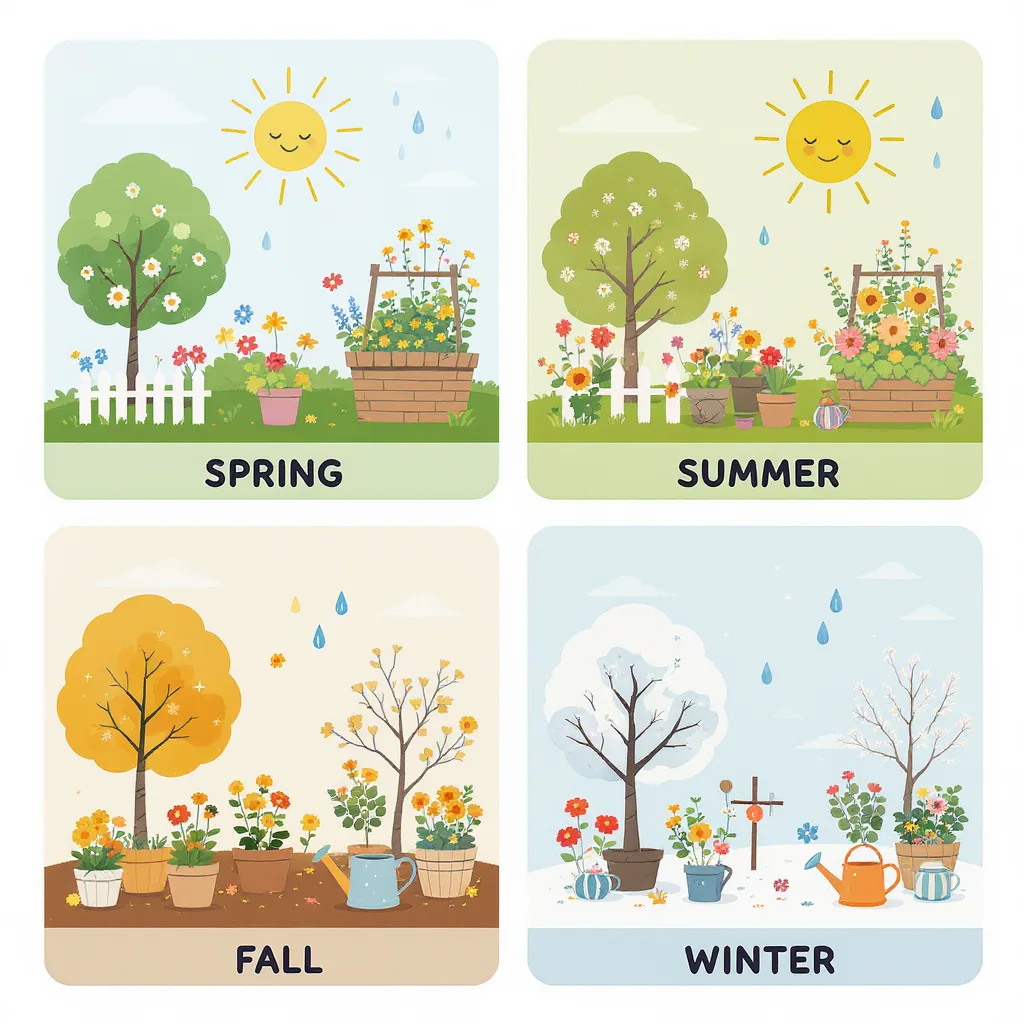
Your garden watering schedule isn’t fixed; it’s a dance with the weather. The most practical way to think about it is by season. Here’s a straightforward, rule-based guide to adjust your approach as the year changes.
Spring: The “Weekly-Plus” Rule
Core Frequency: Check soil moisture about once a week, but let rain do the work whenever possible.
Watch Out For: Unpredictable spring showers. Always check the forecast and your soil before watering. Overwatering is a huge risk in cool, damp soil.
Adjust If: You’ve just planted seeds or tender seedlings. Their tiny roots are in the top layer of soil, which dries fast. They may need light, frequent watering (every 2-3 days) until established.
Summer: The “Check Daily, Water Deeply” Rule
Core Frequency: Check pots daily. Check in-ground beds every 2-3 days. Water deeply when you do, ensuring moisture reaches the root zone.
Watch Out For: Heatwaves and wind, which dry soil rapidly. Plants in full sun will thirstier than those in shade.
Adjust If: You’re growing vegetables like tomatoes or cucumbers. They are heavy drinkers during fruiting and may need even more consistent moisture. A layer of mulch is your best friend here to conserve water.
Fall: The “Tapering Off” Rule
Core Frequency: Gradually extend time between waterings as temperatures drop and plants slow growth. Return to a weekly check schedule.
Watch Out For: Early fall can still be hot and dry. Don’t switch off completely; follow the soil test.
Adjust If: You plant cool-season crops like kale or lettuce. They’ll still need consistent moisture to grow well in the milder weather.
Winter: The “Hardly Ever” Rule
Core Frequency: For dormant perennials and empty beds, nature usually provides enough. Water only during extended dry spells (4+ weeks without rain or snow).
Watch Out For: Potted evergreens or plants in sheltered spots. They can dry out from winter wind even when dormant and may need a sip once a month.
Adjust If: You live in a climate with mild, dry winters. Your garden may not be fully dormant and could need occasional watering.
Scenario: Watering Pots vs. Garden Beds
Let’s apply those seasonal rules to the two most common setups. The “how often” answer changes dramatically because containers have limited soil volume and dry out much faster than the earth.
Containers & Pots: These are the high-maintenance divas of the garden. In summer, they might legitimately need water every single day, especially if they’re small, in full sun, or contain thirsty plants like herbs. Your watering schedule for new gardeners should always prioritize checking pots first. The “pot lift” test is your best tool here.
In-Ground Garden Beds: These are more forgiving. The larger soil mass retains moisture and buffers roots from rapid temperature swings. In summer, a deep watering every 2-4 days is often sufficient. The key is watering deeply to encourage roots to grow down, which makes plants more drought-resilient. The type of soil in your bed (clay, sand, or loam) also affects watering frequency plants need. For a deeper dive on how soil type changes the game, resources like your local university extension service offer excellent guides.
Common Watering Mistakes (And How to Skip Them)
Every new gardener makes a few blunders. The good news? They’re easy to fix once you know what to look for. Here are the top pitfalls and how to avoid them from the start.
1. Watering on a Strict Schedule
The Mistake: Watering every morning “just because.” Plants’ needs change daily with temperature, humidity, and cloud cover.
The Fix: Make the 2-minute soil test your non-negotiable first step. Water only when the soil tells you to, not when the calendar does.
2. Light Sprinkling Instead of Deep Watering
The Mistake: Giving the soil surface a quick splash. This encourages roots to stay shallow, making plants weak and more vulnerable to drying out.
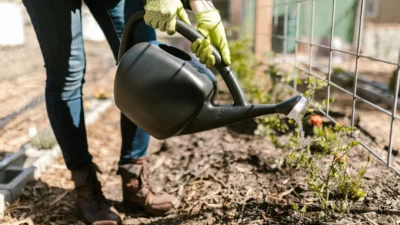
The Fix: Water slowly and thoroughly. Aim to moisten the entire root zone. For beds, water until the top 6-8 inches of soil are damp. For pots, water until it runs freely out the drainage holes.
3. Ignoring the Weather Forecast
The Mistake: Watering deeply in the afternoon when a thunderstorm is predicted for the evening.
The Fix: Get in the habit of glancing at the forecast. If rain is coming, let it do your work for you. Your plants (and your water bill) will thank you.
4. Treating All Plants the Same
The Mistake: Watering a drought-tolerant rosemary plant as often as a thirsty cucumber vine.
The Fix: Group plants with similar water needs together. This simple bit of planning, especially in containers, makes your beginner plant watering guide much easier to follow.
You’ve Got This
Remember how we started? The biggest threat was too much love. Now you have the antidote: observation over obligation. You don’t need a PhD in horticulture; you just need your finger and a sense of the season.
This seasonal watering framework isn’t a rigid law—it’s a mindset. It frees you from anxiety and turns watering from a chore into a quick, connecting moment with your garden. Some days you’ll water, some days you won’t. That’s not inconsistency; that’s you responding to your garden’s actual needs, which is the mark of a great gardener.
So grab your watering can, check that soil, and just start. You’ll learn more from a week of attentive watering than from any article. Your garden, and your newfound confidence, will grow from there.