What’s the one gardening task you find yourself doing most often? Is it carefully planting seedlings, snipping back overgrown herbs, or gently watering your container plants? For a beginner, figuring out how to choose gardening tools can feel overwhelming with all the options. The secret isn’t to buy one of everything; it’s to play a simple matching game. Think about the job first, then find the tool with the features that make that job easier, safer, and more enjoyable. By focusing on just four essentials—gloves, pruners, a trowel, and a watering can—you can build a kit that perfectly fits your specific garden routine, turning potential frustration into simple, satisfying progress.
Here’s how to choose the right gardening tools as a beginner: start by identifying your most frequent tasks. Match durable, flexible gloves to planting and weeding. Select bypass pruners for live stems and anvil pruners for deadwood. Choose a trowel with a comfortable grip and sturdy blade for digging. Pick a watering can with a balanced capacity and a removable rose for gentle watering. Fit the tool to the job, not the other way around.
Gloves: Your First Line of Defense
Selecting garden gloves isn’t about finding the toughest pair; it’s about matching the material to your task. The right glove protects you while letting you feel what you’re doing. Think of them as task-specific armor.
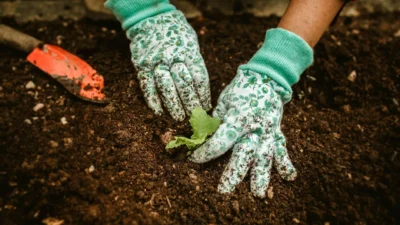
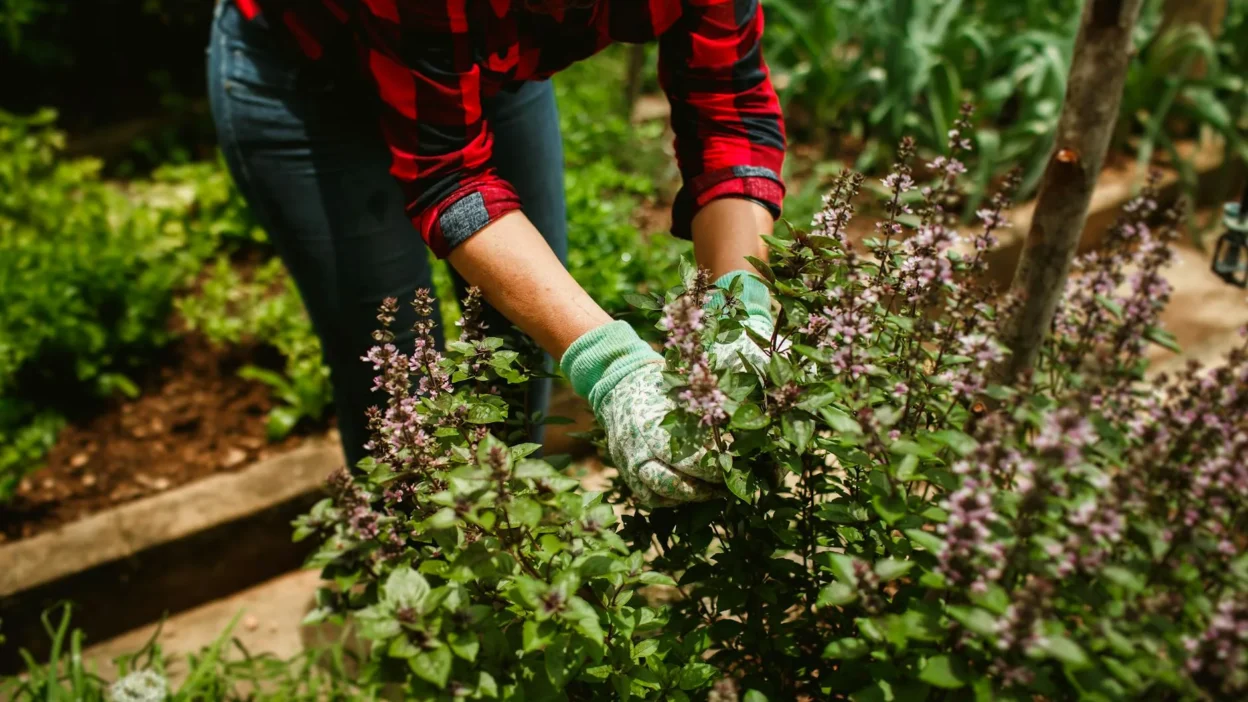
For heavy-duty work like moving rocks or handling thorny roses, leather or heavy synthetic gloves offer the best protection. For everyday planting, weeding, and potting, a flexible nitrile-coated glove provides a great balance of dexterity, grip, and a bit of water resistance. For delicate tasks like sowing seeds or handling seedlings, simple cotton or stretchy knit gloves give you maximum feel. The universal rule? A snug fit. Loose gloves cause blisters and slip, while tight ones restrict movement. Your gloves should feel like a secure second skin.
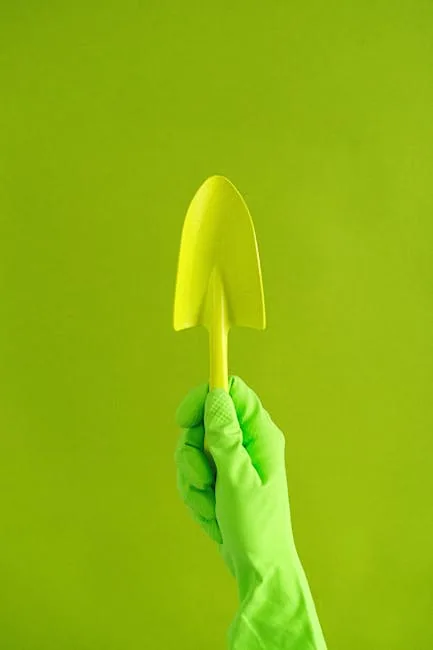
Photo by Anna Shvets on Pexels
Pruners: Making the Right Cut
For beginners, understanding the two main types of pruners is the key to making the right cut and keeping your plants healthy. This is the core of choosing the best pruners for beginners.
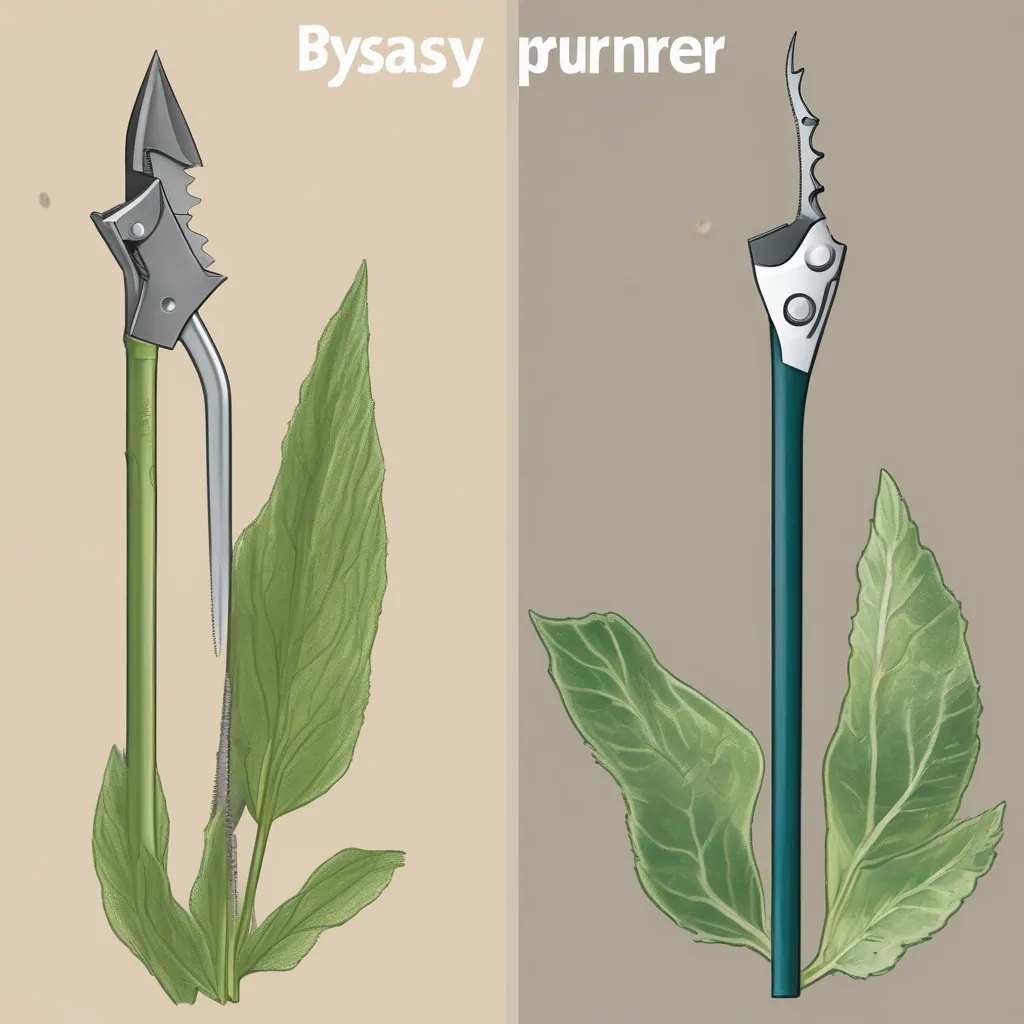
Bypass pruners work like scissors, with two curved blades that pass by each other to create a clean, close cut. This is ideal for live, green stems and branches. It’s the general-purpose choice for deadheading flowers, trimming herbs, and shaping shrubs. Anvil pruners have one sharp blade that closes onto a flat, metal “anvil.” They are better for crushing through dead, dry wood but can damage live tissue. For most new gardeners, a quality pair of bypass pruners is the perfect starting tool. Look for ergonomic, non-slip handles and a safety latch. A quick note: for branches thicker than your finger, you’ll eventually want loppers, but start with a good pair of hand pruners.
Trowels and Hand Forks: Getting Your Hands Dirty
This is where the classic trowel vs hand fork decision comes into play. Both are handheld digging tools, but they excel at different jobs. Your choice comes down to your primary task.
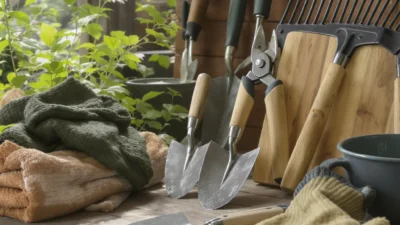
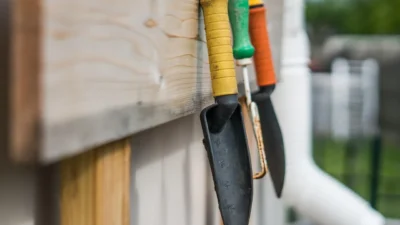
Use a trowel for jobs that require scooping, digging, and moving soil. Its curved, spoon-like blade is perfect for planting seedlings, digging holes for bulbs, and transplanting small plants. When picking a trowel for your garden, look for a sturdy, one-piece metal blade (stamped or forged) that won’t bend easily and a comfortable handle that fits your grip. A hand fork (or hand cultivator), with its several sturdy tines, is designed for breaking up soil, weeding, and aerating compacted earth around plants. It’s less about moving soil and more about loosening it. If you’re starting a new bed or container garden, a trowel is likely your first essential purchase. For maintaining existing beds, a hand fork becomes incredibly useful.
Watering Cans: Precision Over Power
A watering can selection guide for beginners focuses on control, not volume. The goal is to deliver water gently and precisely to the base of your plants without washing away soil or damaging delicate seedlings.
Filter your choice with two questions: What am I watering? and How far am I carrying it? For indoor seedlings or balcony pots, a 1-2 gallon can with a long, narrow spout offers great control. For larger patio beds, a 2-3 gallon capacity might be better, but remember—water is heavy. The most critical feature is a removable “rose” (the perforated head that screws onto the spout). This breaks the water flow into a gentle, rain-like shower, which is essential for young plants and surface-sown seeds. A balanced can with two handles (one for carrying, one for tipping) makes the job much easier on your wrists.
Your Simple Tool Strategy
Learning how to choose gardening tools for beginners is really about matching a few key features to the jobs you do most. You don’t need a shed full of equipment to start. Look at the gardening tasks you’ve planned for the next month—is it planting containers, tidying up a flower bed, or keeping houseplants happy?
Prioritize one or two tools based on that shortlist. A good pair of gloves and a comfortable trowel can get you planting. Reliable pruners and a balanced watering can will help you maintain. Investing in the right tool for the specific task makes gardening more enjoyable and effective from day one. Now, go match your tools to your tasks and get growing.