Think of your garden soil as the foundation of a house. You can have the most beautiful blueprints and the finest materials, but if the foundation is weak, everything built upon it will struggle. For new gardeners, understanding garden soil basics for beginners is that critical first step—it transforms what looks like simple “dirt” into a vibrant, living ecosystem. This isn’t just about shoveling earth; it’s about cultivating a hidden world of minerals, organic matter, water, air, and billions of beneficial organisms that work together to feed and support your plants. Getting this foundation right is the single most impactful thing you can do for your garden’s success, and it’s far simpler than the terminology might suggest. Let’s demystify your garden’s most important resource.
Healthy garden soil is a living ecosystem, not just dirt. For beginners, the basics come down to three things: knowing your soil’s texture (like sand, silt, or clay), consistently adding organic matter like compost to feed it, and protecting the billions of beneficial microbes and worms that do the heavy lifting for your plants. Master these fundamentals, and you create a resilient foundation where plants can truly thrive.
Soil Isn’t Dirt: The Living Foundation of Your Garden
Think of your garden soil not as an inert pile of dirt, but as a bustling, living city. This is the single most important shift in mindset for successful beginner soil preparation. Healthy soil is a dynamic ecosystem built from five key components working together: minerals, organic matter, water, air, and living organisms.
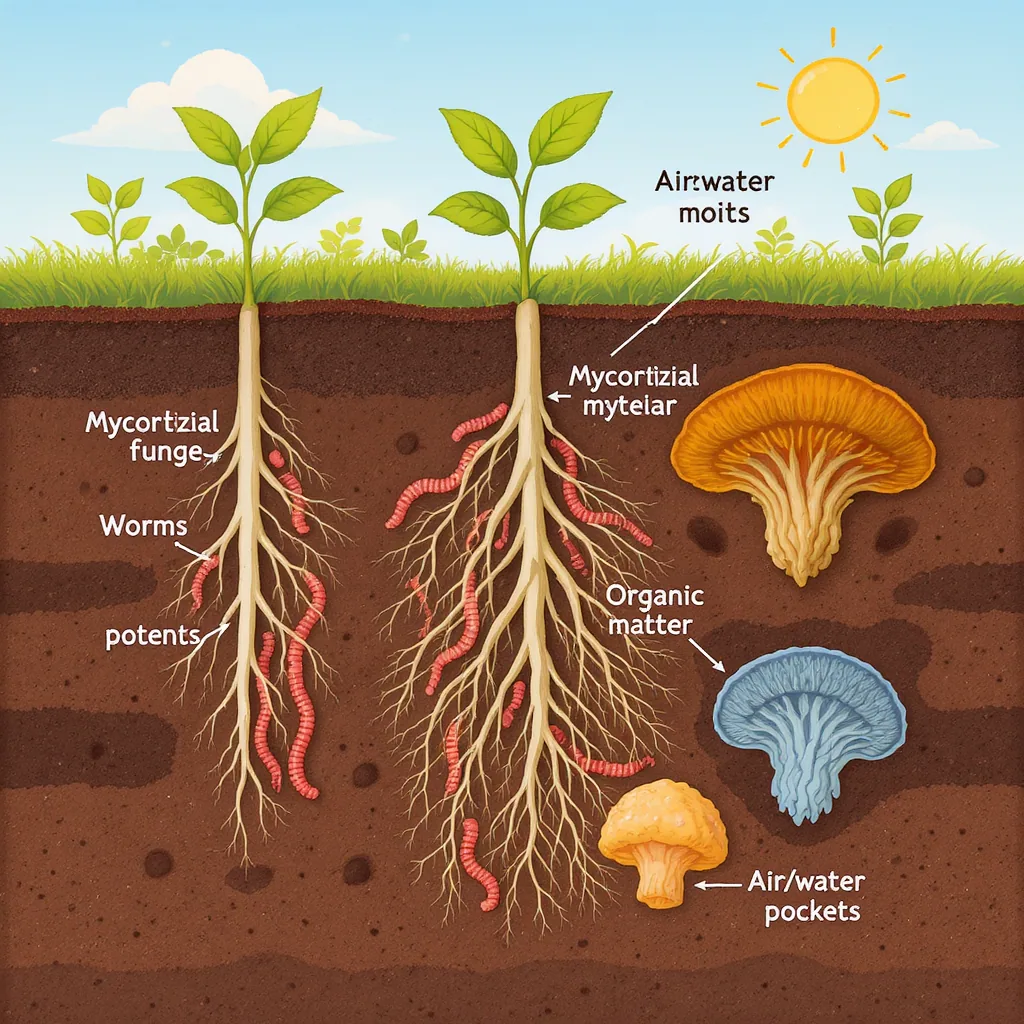
The mineral portion—the sand, silt, and clay particles—forms the city’s infrastructure. Organic matter (like decomposed leaves and compost) is the food, housing, and communication network. Water and air fill the spaces between particles, essential for all life. The most overlooked residents are the living organisms: billions of bacteria, fungi, protozoa, and earthworms. This workforce decomposes organic matter, fights diseases, and delivers nutrients directly to plant roots in a form they can use.
When you grasp that you’re not just feeding plants, but managing an entire living community, the soil fundamentals for new gardeners become much clearer. Your job is to be a supportive mayor, not a micromanaging dictator.
The Feel Test: Identifying Your Soil’s Texture
Before you can improve your garden soil, you need to know what you’re starting with. The mineral component determines your soil’s texture—how it feels—and this dramatically affects drainage, nutrient retention, and workability. Understanding soil types for gardening is a practical first step.
The three basic particles are sand (large, gritty), silt (medium, floury), and clay (tiny, sticky). Most garden soil is a mix, described as loamy (a balanced blend), sandy, or clayey. Here’s a simple way to diagnose yours without a lab kit:
The Jar Test (For the Curious)
Fill a clear jar one-third with soil and two-thirds with water. Add a drop of dish soap, shake vigorously, and let it settle for 24 hours. The layers will separate: sand at the bottom, silt in the middle, and clay on top. The relative thickness of each layer gives you a rough percentage of your soil’s composition.
The Ribbon Test (For the Hands-On)
Take a handful of moist (not wet) soil and try to roll it into a ribbon between your thumb and forefinger. Sandy soil will crumble and won’t ribbon. Silty soil may form a weak ribbon that breaks easily. Clay soil will form a long, flexible ribbon. This quick, tactile test instantly tells you about your soil’s dominant character and its needs.
Why does this matter? Sandy soil drains too fast, leaching nutrients. Clay soil holds water too well, becoming dense and airless when wet. The universal solution for both extremes, and the heart of improving garden soil, is adding organic matter, which we’ll cover next.
The Magic Ingredient: How Organic Matter Transforms Soil
If there is one secret to healthy soil for plants, it’s this: add organic matter. Consistently. It is the closest thing to a gardening miracle cure. Organic matter refers to any material that was once alive and is now in various stages of decomposition, with finished compost being the gold standard.
Its benefits are multifaceted. For heavy clay soil, organic matter acts like a sponge, creating spaces that improve drainage and aeration, making it less sticky and easier to work. For sandy soil, it acts like a sponge in the opposite way—increasing water and nutrient retention. It feeds the entire soil food web, from microbes to worms, who in turn release nutrients in a plant-available form. This process of building soil with organic matter is often called “feeding the soil, not the plant.”
You can add organic matter by mixing 2-4 inches of finished compost, well-rotted leaf mold, or aged manure into the top 6-8 inches of a new garden bed. For established beds, a top-dressing of 1 inch of compost each spring or fall is perfect. This continuous cycle is the core of sustainable starting garden soil practices.
A Simple Soil Health Checklist for Your First Season
Feeling overwhelmed? Let’s translate everything into a straightforward, actionable checklist. Focus on these five practices in your first year to build a strong foundation.
- Perform the Feel Test: Use the ribbon or jar method to identify your soil texture and nutrients baseline. Just observe; don’t judge.
- Add Compost Annually: Whether you buy bags or start a pile, incorporate 1-3 inches of compost into your beds at the start of each planting season.
- Mulch, Mulch, Mulch: Cover bare soil with 2-3 inches of straw, wood chips, or shredded leaves. This protects soil life, conserves water, and slowly adds organic matter as it breaks down.
- Avoid Compaction: Never walk on or work your garden beds when the soil is wet. Designate permanent paths to protect your growing areas.
- Observe Your Plants: They are your best soil meters. Yellowing leaves, stunted growth, or poor drainage are clues, not failures. Note them and adjust next season.
Common Soil Mistakes Beginners Make (And How to Avoid Them)
Every gardener makes mistakes—it’s how we learn. By sidestepping these common pitfalls, you’ll save time and see better results faster in your understanding your garden soil journey.
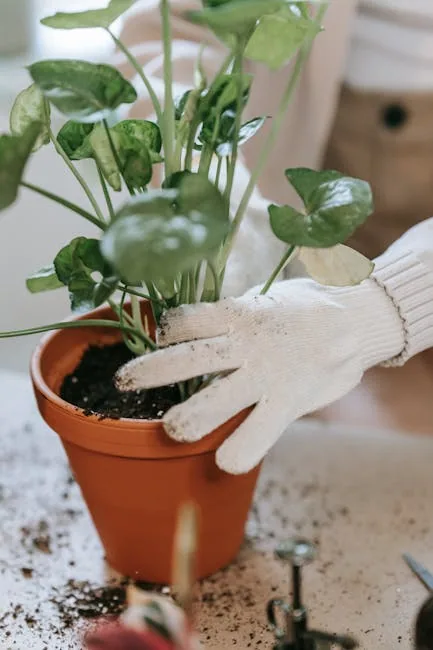
Photo by Sasha Kim on Pexels
1. Over-Tilling or Digging Wet Soil
Aggressively turning soil every year destroys the delicate structure and fungal networks you’re trying to build. Worse, digging clay soil when it’s wet creates concrete-like clods that bake hard in the sun. Instead: Limit deep digging to initial bed preparation. Thereafter, use a broadfork to aerate without inverting, and only work soil when it’s moist, not wet.
2. Adding Fertilizer But Not Organic Matter
Synthetic fertilizers feed the plant directly but can salt the soil and ignore the microbial life. It’s a short-term sugar rush, not a long-term meal. Instead: Focus on building soil with compost. If a soil test shows a specific deficiency, use organic amendments like bone meal (phosphorus) or kelp meal (micronutrients) that feed the soil ecosystem.
3. Ignoring Soil pH
Soil pH affects a plant’s ability to absorb nutrients. Most vegetables prefer a slightly acidic to neutral pH (6.0-7.0). Planting in extremely acidic or alkaline soil can lock up nutrients, no matter how much compost you add. Instead: Get a simple pH test kit. To raise pH (make less acidic), add garden lime. To lower pH (make more acidic), add elemental sulfur or peat moss—but do so gradually over time.
4. Expecting Instant Results
Soil building is a marathon, not a sprint. You won’t transform heavy clay into perfect loam in one season. Instead: Celebrate small improvements: easier digging, more earthworms, better water absorption. Trust the process of consistent, gentle care.
Your Soil Journey Starts Now
Remember, mastering garden soil basics isn’t about achieving perfection overnight. It’s about beginning a conversation with the ground beneath your feet. That bag of compost you work into a small bed, the mulch you spread, the path you create to avoid compaction—each is a sentence in that dialogue.
Start small. Observe often. Let the sight of a worm in your garden feel like a victory, because it is. Your patience and care will be repaid tenfold by resilient plants, fewer pests, and the deep satisfaction of nurturing life from the ground up. Your thriving garden begins with this simple, foundational understanding.
To build a thriving garden, focus on these three core pillars of soil health:
- Know Your Texture: Use a simple hands-on test to understand if your soil is sandy, clay, or loamy. This tells you its innate drainage and workability.
- Feed with Organic Matter: Regularly add compost. It improves structure for all soil types, retains water and nutrients, and feeds the essential soil life.
- Protect the Ecosystem: Avoid compaction, use mulch, and observe your plants. Healthy soil is a living community that does the hard work for you.
Your first action? Grab a handful of soil, give it a squeeze, and see what it tells you.