You bought a plant labeled for “full sun,” gave it a prime spot baking in the afternoon glare, and watched it crisp up. Or, you tucked a “shade-loving” hosta into a dark corner, only to see it become a sad, leggy mess. If this sounds familiar, you’re not a bad gardener—you’ve just been tripped up by the most common, and most misunderstood, part of plant care. The terms “full sun,” “partial shade,” and “full shade” aren’t vague suggestions or measures of brute-force exposure; they’re specific codes for the quality, timing, and duration of light a plant needs to thrive, not just survive. Decoding them is the first, non-negotiable step to a thriving garden, and it starts by tossing out the assumption that more sun always equals better.
Here’s how to decode plant sunlight needs for your garden. ‘Full sun’ means at least 6 hours of direct, unfiltered light, ideally during midday. ‘Partial sun’ or ‘part shade’ plants thrive with 3-6 hours of sun, often preferring morning light. ‘Full shade’ plants need less than 3 hours of direct sun or dappled light all day. The key to successful full sun partial shade gardening is observing your garden’s actual light patterns, not just the compass direction.
Myth vs. Fact: What Those Sunlight Labels Actually Mean
Let’s cut through the noise. Those little tags on plants aren’t trying to trick you, but their shorthand can be misleading if you don’t know the code. Here are the three biggest myths about plant sunlight needs for beginners, busted.
Myth 1: “Full Sun” Means “All-Day, Scorching Desert Sun”
Fact: “Full sun” means at least 6 hours of direct, unfiltered sunlight. The key word is “direct.” This light should hit the plant’s leaves squarely, not filtered through a tree canopy. Crucially, those 6+ hours ideally include the intense midday sun. A spot that gets gentle morning sun from 6am to noon and then shade all afternoon often doesn’t qualify as “full sun” for sun-loving plants like tomatoes or lavender, which crave that stronger afternoon energy.
Myth 2: “Partial Sun” and “Part Shade” Are Interchangeable & Vague
Fact: While often used interchangeably on tags, there’s a useful nuance. Both terms mean 3 to 6 hours of direct sun. However, partial sun plants lean toward needing the higher end of that range and can tolerate more intense afternoon sun. Part shade plants prefer the lower end and often thrive best with the gentler, cooler morning sun. It’s not vague guesswork; it’s a specific daily duration window.
Myth 3: “Full Shade” Means “Pitch-Black Darkness”
Fact: No plant grows in total darkness. “Full shade” typically means less than 3 hours of direct sunlight, but it gets bright, indirect or dappled light for much of the day. Dappled light is the speckled sunlight that filters through tree leaves. Think of the light pattern under a mature tree, not a dark closet or the north side of a solid fence. Understanding this is core to shade garden basics.
Your Garden’s Personal Light Report: How to Read the Sky
Forget what your compass says. The most reliable tool for understanding sun exposure for beginners is your own observation. Your garden’s reality is what matters, not a textbook definition. Here’s your detective task.
Pick a sunny day. Observe a specific garden bed, balcony corner, or patio spot at three key times: 9 a.m., 12 p.m., and 3 p.m. Is the sun shining directly on that spot? Write it down. Pay attention to the quality: is it harsh and glaring (afternoon sun) or soft and gentle (morning sun)? Notice the shadows—sharp, defined shadows mean direct sun; soft, blurry shadows mean indirect or dappled light.
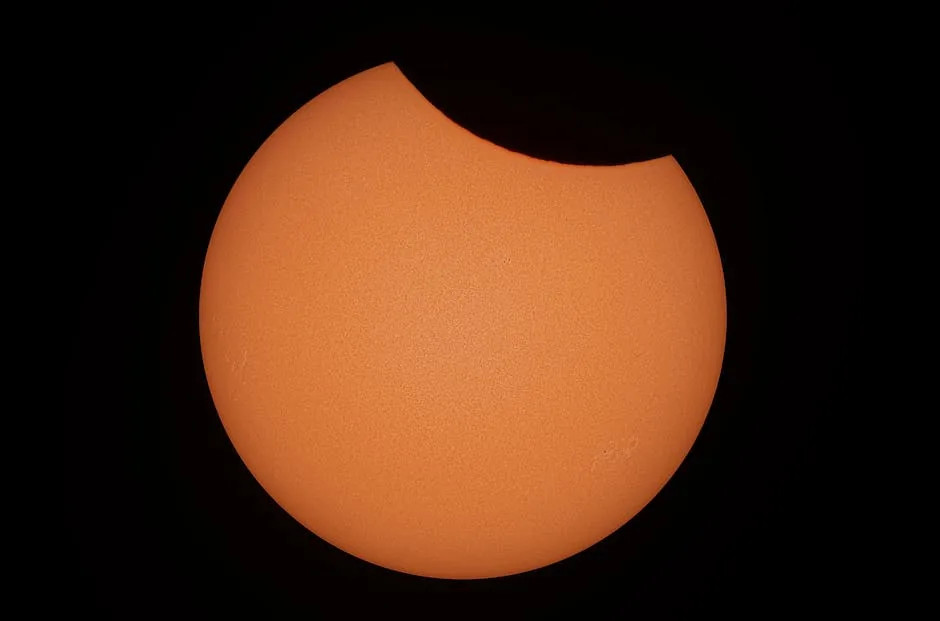
Photo by Adam Krypel on Pexels
Do this exercise in different seasons if you can, as the sun’s angle changes dramatically. A spot that’s full sun in summer might become partial shade in winter. This “light report” is your most valuable piece of data for successful full sun partial shade gardening. It turns abstract labels into a concrete map of your unique space.
Do This, Not That: Matching Plants to Your Real Conditions
Now, connect your personal light report to the plant tags. This is where theory meets practice and your garden starts to thrive.
DO: Use Your Observed Timing
DO place “partial shade” plants like hostas or astilbes in spots that get your observed 3-4 hours of gentle morning sun. DO site “full sun” heroes like rosemary or coneflowers where your notes confirm 6+ hours of direct, midday-inclusive light.
DON’T: Rely on Generalizations
DON’T assume a north-facing wall is full shade if it gets strong reflected light from a white fence or pavement in the afternoon. That could be a partial sun spot. DON’T put a “full shade” fern in a spot that gets three hours of brutal western afternoon sun—it will fry.
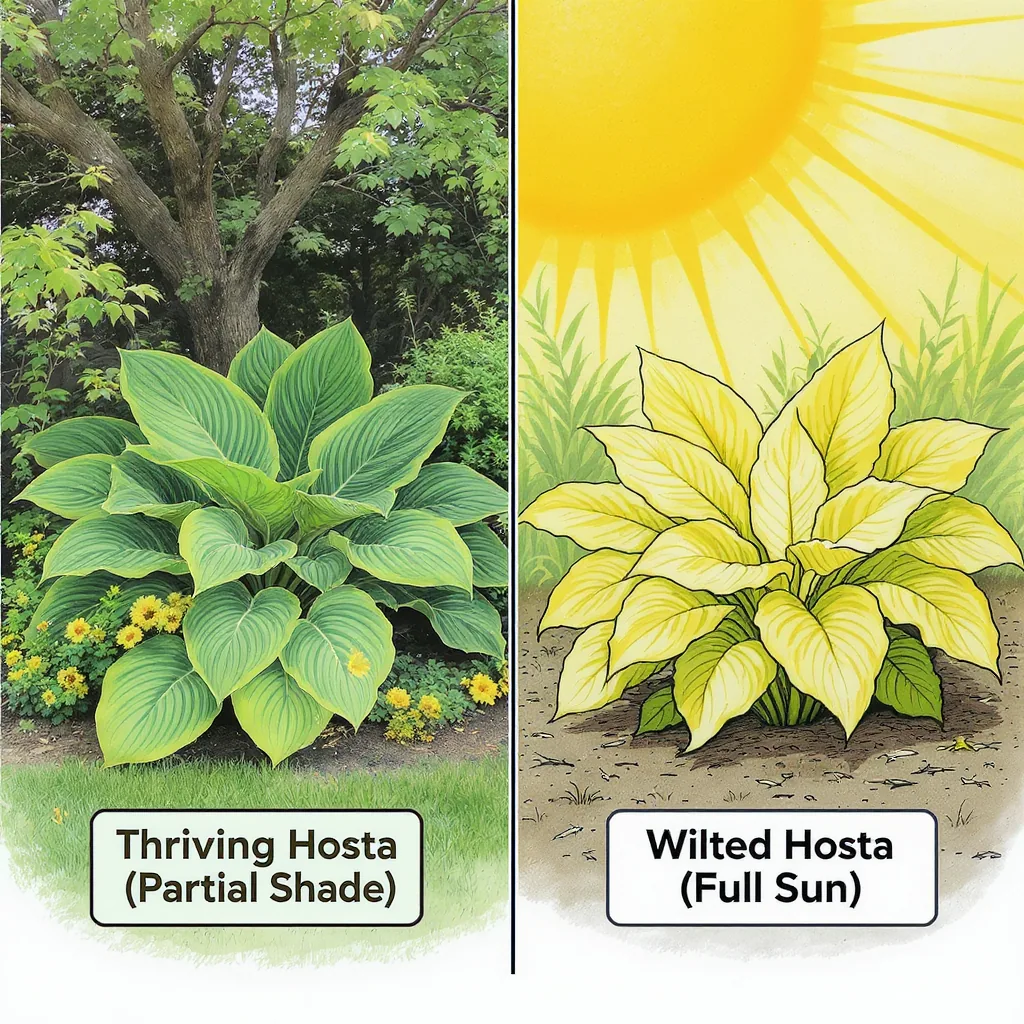
A fantastic tip for beginners: start with container gardening. Pots allow you to be wrong. If a plant seems unhappy, you can move it to a sunnier or shadier location with ease. It’s the lowest-risk way to learn your garden’s true personality.
Common Sunlight Slip-Ups (And How to Avoid Them)
Even with the best intentions, it’s easy to stumble. Here are the frequent missteps beginners make with sunlight requirements for plants, and how to sidestep them.
Ignoring Seasonal Changes: The sun is higher in summer and lower in winter. A deck that’s shaded by your house in October might be blasted with sun in July. Observe in peak summer for sun-loving plants, and in spring/fall for shade plants. The Royal Horticultural Society offers a great guide on understanding your garden’s aspect and microclimates.
Confusing Heat with Sun Tolerance: A plant can be heat-tolerant (like some sedums) but still need well-draining soil and might suffer if root zones overheat. Conversely, a plant can love sun but hate humid heat. Read tags for both light and moisture needs.
Watering Based on Light Misdiagnosis: A wilted plant in full sun might need water. A wilted plant in too much shade is often suffering from overwatering and root rot. Always check soil moisture a knuckle deep before watering.
Forgetting Reflected Light & Heat: Light-colored walls, patios, and gravel reflect light and intensify heat. A “partial sun” plant against a south-facing white wall might effectively be in “full sun.” Account for this in your placement.
Light Is Your First Gardening Win
Getting sunlight right isn’t about achieving botany PhD-level precision. It’s about making a few key observations and matching them with common-sense plant choices. This single step—understanding the difference between full sun, partial sun, and shade in your own space—eliminates the majority of beginner plant struggles.
Start small. Pick one “full sun” plant and one “shade” plant based on your personal light report. When they thrive, you’ll have built an unshakable confidence. Gardening is iterative learning, not a pass/fail test. You’ve now got the decoder ring for the most important label on the tag. Go use it.