You’re standing there, packet of seeds in one hand and a vague sense of hope in the other, staring at a blank patch of dirt or an empty balcony corner. The possibilities feel endless, but so do the questions: Where do I even dig? How do I arrange things? Will I remember to water it? That initial overwhelm is the most common hurdle for a new gardener. The good news is that a successful first garden setup isn’t about having a green thumb—it’s about building three simple, sequential systems. This guide breaks it down into the tangible choices of garden beds, the logical planning of your layout, and the sustainable workflow that will keep your garden thriving without burning you out. Let’s turn that blank space into your first harvest.
Your first garden setup succeeds when you focus on three core systems: the right bed type for your space, a sun-smart layout, and a simple weekly workflow to keep it manageable. Start by choosing a manageable bed style—raised, in-ground, or containers—and investing in quality soil. Then, map your sun exposure to place plants correctly before sketching a simple layout with access paths. Finally, establish a lightweight routine of scouting, soaking, and snipping to make care sustainable from the start.
Your Garden Toolkit: Beds, Soil, and Core Gear
Before you dig a single hole, you need to choose your garden‘s foundation. Your first garden setup isn’t about buying every tool at the nursery; it’s about making a few smart, foundational choices that set you up for success. Let’s break down the three essential physical components: your bed, your soil, and your basic tools.
Choosing Your Garden Bed Type
Your space and mobility will dictate the best bed type. Each has pros and cons for a beginner.
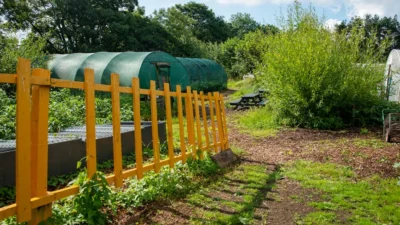
- In-Ground Beds: The most traditional and often lowest-cost option. You plant directly into your native soil. The major work is upfront: you must thoroughly clear grass and weeds and amend the soil. This is a good choice if you have decent, workable soil and don’t mind getting on your knees.
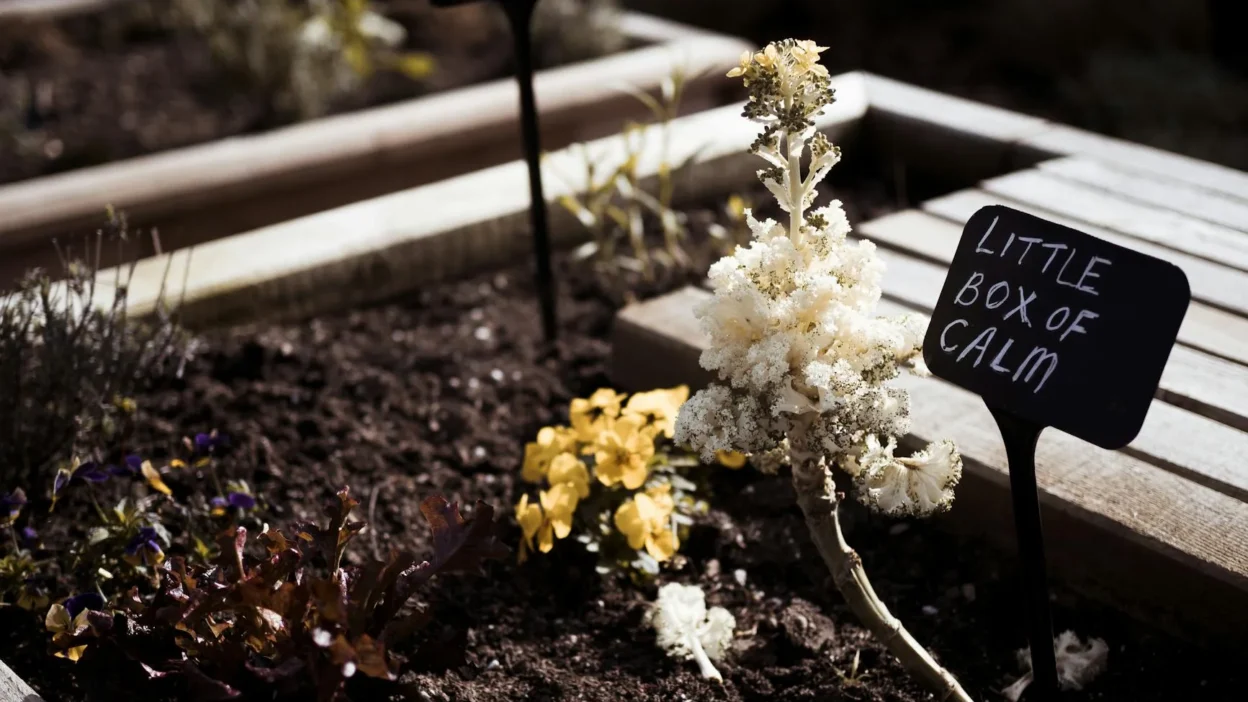
- Raised Beds: A fantastic choice for controlling soil quality and reducing strain on your back. They warm up faster in spring, improve drainage, and create a clear boundary. You can build them from wood, stone, or buy a kit. They do require an initial investment for materials and soil to fill them.
- Containers & Pots: Perfect for patios, balconies, or renters. They offer ultimate flexibility. The key is to use large enough pots (bigger is usually better for root growth) and high-quality potting mix, not garden soil.
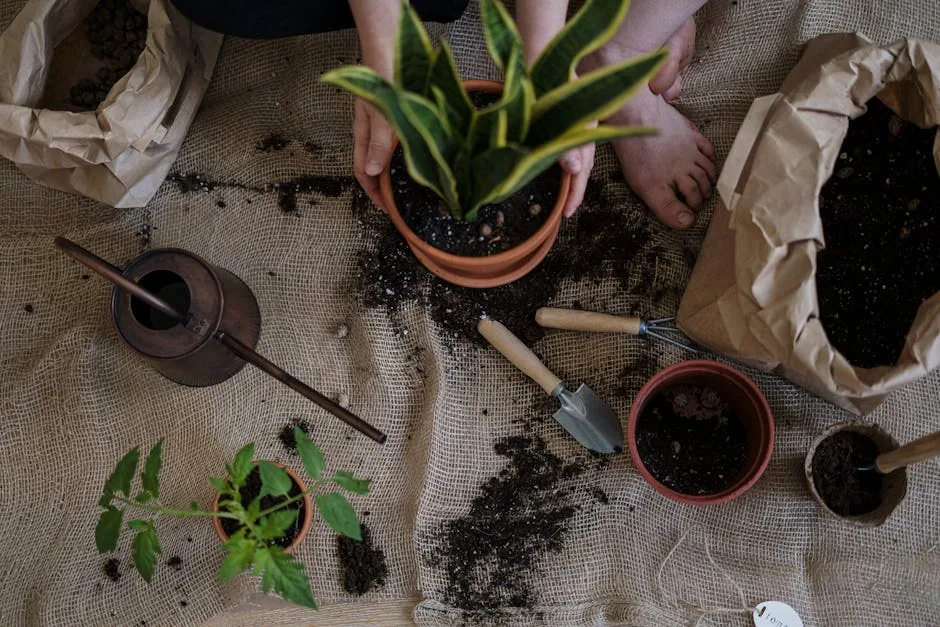
Photo by cottonbro studio on Pexels
The Non-Negotiable: Quality Soil
This is the single most important investment you can make. Great soil feeds your plants, holds moisture, and provides structure for roots. For a beginner garden bed setup, skip the mystery and start with a known quantity.
- For Raised Beds & Containers: Use a pre-mixed “garden soil” or “raised bed mix” from a reputable garden center. These blends are designed for good drainage and fertility.
- For In-Ground Beds: Get a soil test from your local cooperative extension office (a simple web search for “[Your County] cooperative extension soil test” will find it). This tells you exactly what your soil needs. At minimum, work in several inches of compost or well-rotted manure to improve texture and nutrients.
The Beginner’s Tool Mini-Checklist
You don’t need a shed full of gear. Start with these five essentials:
- A Hand Trowel: For digging small holes, transplanting seedlings, and scooping soil.
- Sturdy Gloves: To protect your hands from dirt, thorns, and blisters.
- A Watering Can with a Rose Attachment: The gentle shower is perfect for new seedlings without washing them away.
- Pruners (Secateurs): For cleanly snipping stems, harvesting, and deadheading.
- A Garden Hose with an Adjustable Nozzle: For larger watering jobs once plants are established.
Mapping Your Sun and Space: The Layout Blueprint
Now, let’s move from what you’ll use to where it will all go. A thoughtful beginner garden layout prevents overcrowding, ensures plants get what they need, and makes your life easier. It starts with one critical task: becoming a sun detective.
Step 1: The Sun Audit
Sunlight is your garden’s engine. Most vegetables and flowers need a minimum of 6 hours of direct sun (“full sun”). To map your light, pick a sunny day and note the sun’s path over your space. Observe at 9 AM, 12 PM, and 3 PM. Which areas are bathed in light? Which are in shadow from fences, houses, or trees?
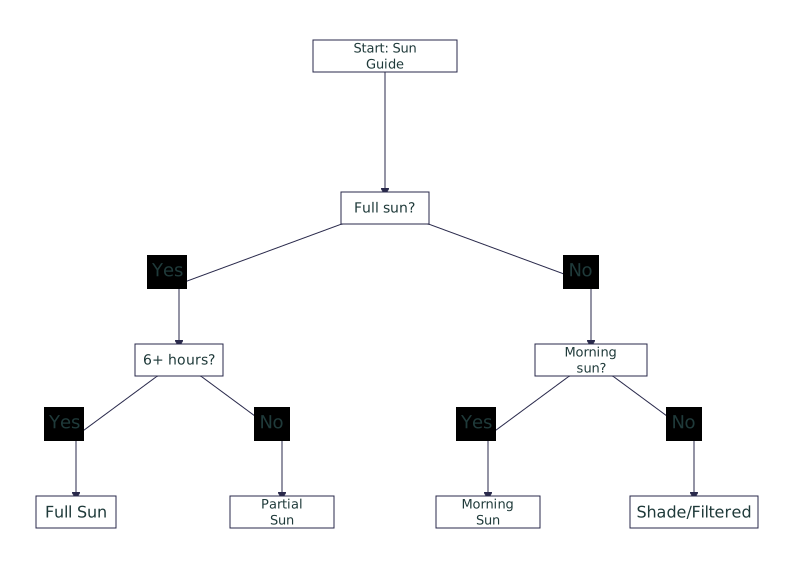
This simple logic helps you match plants to their ideal spot. Resources like the University of Minnesota Extension’s guide to plant lighting explain these categories in more detail.
Step 2: Measure and Sketch
Grab a tape measure and a piece of paper. Draw a rough, bird’s-eye view of your gardening area. Note the dimensions. Where is north? Mark the sunny and shady zones from your audit. This sketch is your canvas.
Step 3: Design with Intent
With your sun map and sketch, you can start planning your setting up a beginner garden layout. Follow two key principles:
- Group by Need: Place plants with similar sun and water requirements together. Don’t put a thirsty tomato next to a drought-tolerant rosemary.
- Plan for Access: Leave 18-24 inch paths between beds or planting areas so you can comfortably reach in to weed, water, and harvest without compacting the soil. For in-ground beds, consider creating defined rows with walking paths between them.
When sketching plants, use the spacing recommendations on the seed packet or plant tag. It’s tempting to squeeze more in, but overcrowding leads to poor air circulation, competition for resources, and disease.
The 5-Step Planting Workflow (From Plan to Plant)
You have your tools and your map. Now, for the main event: planting day. This simple garden setup steps routine turns your plan into reality without panic. Follow it in order.
Do: Pick a calm, overcast day if possible. Planting in blazing sun stresses new plants.
Don’t: Work the soil when it’s soggy. If it forms a muddy ball in your hand, wait a day for it to dry out.
- Finalize & Prepare the Bed. Transfer your paper layout to the ground using a stick to draw lines or a hose to outline bed shapes. If using a raised bed or container, ensure it’s in its final, sunny location and filled with soil.
- Amend the Soil. For in-ground beds, loosen the soil to a depth of about 12 inches with a shovel or garden fork. Mix in your compost or other amendments evenly. Rake the surface smooth.
- The Dry Run (Layout Plants). With all your plants still in their nursery pots, place them on the soil surface according to your spacing plan. Step back, look at the arrangement, and make any final adjustments. This prevents last-minute scrambling with a plant in one hand and a trowel in the other.
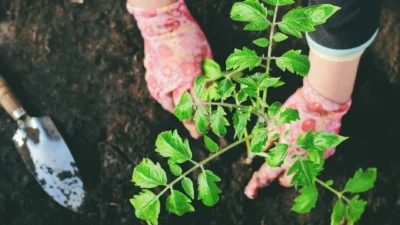
- Plant with Care. Dig a hole slightly wider and just as deep as the plant’s root ball. Gently remove the plant, tease apart any circling roots, place it in the hole, and backfill with soil. Firm the soil gently around the stem. The goal is to plant at the same depth it was growing in the pot, except for tomatoes, which can be planted deeper.
- Water Deeply & Mulch. Immediately after planting, give each plant a slow, deep soak at its base to settle the soil and eliminate air pockets. Then, apply a 2-3 inch layer of mulch (like shredded bark or straw) around the plants, keeping it a few inches away from stems. Mulch conserves water, suppresses weeds, and keeps soil temperature even.
Your First 30 Days: The Sustainable Care Routine
Your garden is planted. Congratulations! Now, the goal shifts from setup to establishing a garden workflow for new gardeners that’s sustainable. The biggest threat to a first garden isn’t pests—it’s beginner burnout from an overwhelming, ad-hoc maintenance schedule. Let’s build a lightweight habit.
Block out 20-30 minutes, two to three times a week (Sunday morning and Wednesday evening, for example). During this time, practice the “3 S’s”:
Scout
Take a slow walk. Look at your plants up close. Check the undersides of leaves for insects. Look for signs of new growth, but also for discoloration, holes, or wilting. Early detection is everything. You’re not looking for problems every time; you’re just getting to know your garden.
Soak
Check soil moisture by sticking your finger an inch into the dirt. If it’s dry, water deeply at the base of the plant, encouraging roots to grow down. If it’s damp, skip it. Consistent, deep watering is far better than daily sprinkles. A soaker hose or drip irrigation system, even a simple one, can automate this and is a worthy upgrade.
Snip
Use your pruners for light maintenance. Remove any yellowing or dead leaves. “Deadhead” spent flowers by snipping them off to encourage more blooms. If you see a sucker on a tomato plant, pinch it off. These small actions keep plants healthy and productive without becoming a major chore.
This routine positions gardening as a regular, manageable check-in rather than a looming weekend project.
Common First-Garden Stumbles (And How to Sidestep Them)
Every beginner makes mistakes—it’s part of the learning process. Knowing the common pitfalls in advance lets you sidestep them gracefully. Here are the big ones tied to our three-system framework, and how to avoid them.
- Mistake: Planting Too Much, Too Close. The excitement of starting a garden leads to buying every seedling. Overcrowded plants compete for light and water, become stressed, and produce less.
Tip: Start with 3-5 types of plants you love to eat or look at. Follow spacing guidelines ruthlessly. You can always expand next season. - Mistake: Ignoring Your Sun Map. Planting a sun-loving pepper in a shady corner guarantees disappointment.
Tip: Refer to the sun audit you did. Stick to the plan. If you’re unsure, err on the side of more sun for fruiting vegetables. - Mistake: Skipping Soil Prep. Trying to grow in poor, compacted, or nutrient-deficient soil is an uphill battle from day one.
Tip: Don’t cut corners here. Invest time or money in building good soil. It’s the foundation of everything. - Mistake: Setting an Unrealistic Maintenance Schedule. Vowing to garden for an hour every day is a recipe for guilt and abandonment.
Tip: Adopt the lightweight “3 S’s” weekly workflow instead. Short, consistent sessions are sustainable.
Your Garden, Your Pace
Setting up your first garden is less about achieving instant perfection and more about building intelligent, manageable systems. You now have a clear sequence: choose your bed, map your sun, follow a planting routine, and adopt a simple care habit. The most powerful step you can take right now isn’t buying anything—it’s observation. This weekend, just go outside and track the sun in your space for a single day. That simple act of noticing is the true first step in planning a new garden layout that works.
Your journey from a blank patch of ground to a thriving, personal space is ahead. Trust the process, learn from each season, and remember that every experienced gardener once stood where you are now, seeds in hand, ready to begin.