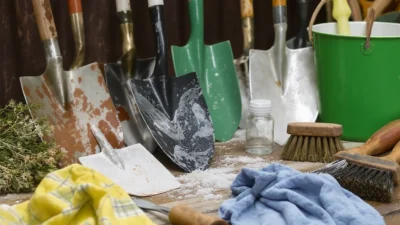
Walking into a garden center or scrolling through endless online listings for the first time can be paralyzing. You’re greeted by walls of gleaming shovels, racks of mysterious pruners, and tools with names you’ve never heard of, all while a single, daunting question echoes in your mind: “What do I actually need to start?” This feeling of overwhelm is the number one barrier for new gardeners, leading many to either buy a cheap, flimsy set of everything or to give up before they even get their hands dirty. The truth is, you don’t need a shed full of equipment to cultivate a beautiful garden. You just need a focused, versatile kit of the right implements. This guide cuts through the noise to show you the fundamental gardening tools for beginners that will handle 90% of the work in your first season, helping you invest wisely and start growing with confidence.
For a new gardener, focus on these essential tools first: a sturdy hand trowel for planting, a pair of sharp bypass pruners for cutting, a garden fork for turning soil, a hoe for weeding, a reliable watering method, durable gloves, and a kneeling pad. Investing in a few quality pieces is better than buying a cheap, full set. This core beginner garden tool list covers planting, maintenance, and basic care, allowing you to build your toolkit logically as your skills and garden expand.
The Core 7: Your Non-Negotiable Starter Kit
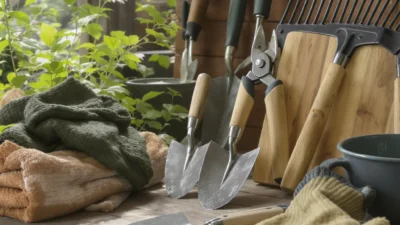
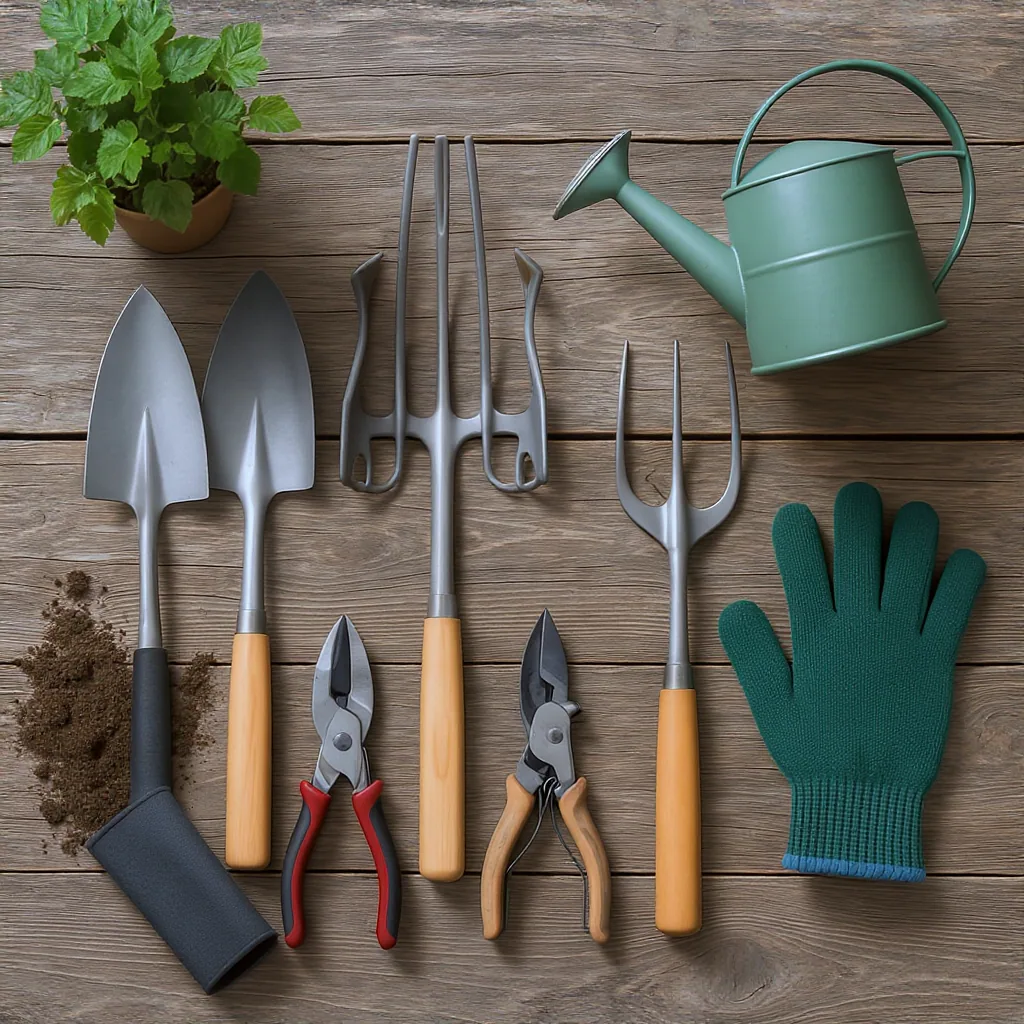
Think of this as your foundational beginner garden tool list. These seven implements will handle the vast majority of tasks in your first year, letting you build confidence without clutter. Investing in a few quality pieces here is far smarter than buying a giant, flimsy set. foundational beginner garden tool list
1. Hand Trowel
This is your garden’s multi-tool. Use it for planting seedlings, digging small holes for bulbs, transplanting, and scooping soil or compost. Look for one with a sturdy, one-piece stainless steel blade and a comfortable, ergonomic handle. A narrow blade is often more versatile than a wide one.
2. Bypass Pruners (Secateurs)
Essential for clean cuts. Bypass pruners work like scissors, making precise cuts on live stems and branches up to about ½-inch thick. They’re for deadheading flowers, harvesting vegetables, and light pruning. Avoid anvil-type pruners for general use; they can crush delicate stems. This is a tool where “buy once, cry once” truly applies—a sharp, reliable pair from a reputable brand is worth it.
3. Garden Fork
Not to be confused with a pitchfork for hay, a garden fork has shorter, sturdier, flat tines. It’s perfect for turning soil, breaking up clumps, mixing in compost, and gently lifting perennials. It’s often easier to use in compacted soil than a shovel. Look for one with a D-handle for better leverage.
4. Hoe
Your primary weapon against weeds. A simple, medium-width draw hoe is a great all-around choice. You’ll use it to slice weed roots just below the soil surface and to create shallow furrows for planting seeds. Keeping its edge sharp makes the job effortless.
5. Watering Can or Hose with a Gentle Nozzle
New seedlings and transplants need gentle, targeted watering. A watering can with a removable “rose” (the sprinkler head) gives you control. If you have a larger space, a lightweight hose with an adjustable spray nozzle that includes a “shower” setting is a must have garden tool. The goal is to water the soil, not blast the plants.
6. Gardening Gloves
Protect your hands from blisters, thorns, and dirt. A good pair is flexible enough to feel what you’re doing but durable enough to last. Nitrile-coated gloves offer great dexterity and grip while staying breathable.
7. Kneeling Pad
Your knees and back will thank you. This simple piece of foam or gel makes weeding and planting sessions much more comfortable. It’s one of those essential tools for a new garden that you don’t realize you need until you’ve spent 20 minutes on hard ground.
How to Choose Quality Tools (Without Breaking the Bank)
Walking down the garden aisle, you’ll see everything from dollar-store trowels to professional-grade equipment. Your goal is the sweet spot: durable tools that feel good in your hand and won’t fail during their first season. Here’s a simple guide to evaluating what you’re buying.
Do: Look for solid, one-piece construction on metal parts (like a trowel blade that extends into the handle socket). Choose handles made of hardwood (like ash) or high-quality, grippy composite materials. For pruners, ensure the blades are made of hardened steel and the mechanism feels smooth, not gritty. A little extra weight often indicates better materials.
Don’t: Buy the giant, cheap “30-piece garden set.” The tools are typically made of thin, brittle metal and plastic that will bend or break. Avoid tools with hollow tubular handles or plastic gears in the pruners. You also don’t need the most expensive, professional tool right away. Start with a solid mid-range version of your starter garden tool kit essentials; you can always upgrade later as your passion grows.
The core philosophy is simple: it’s better to own five good tools than twenty bad ones. Quality tools make the work easier, are safer to use, and when cared for, can last for decades.
Your First Season Garden Tool Routine
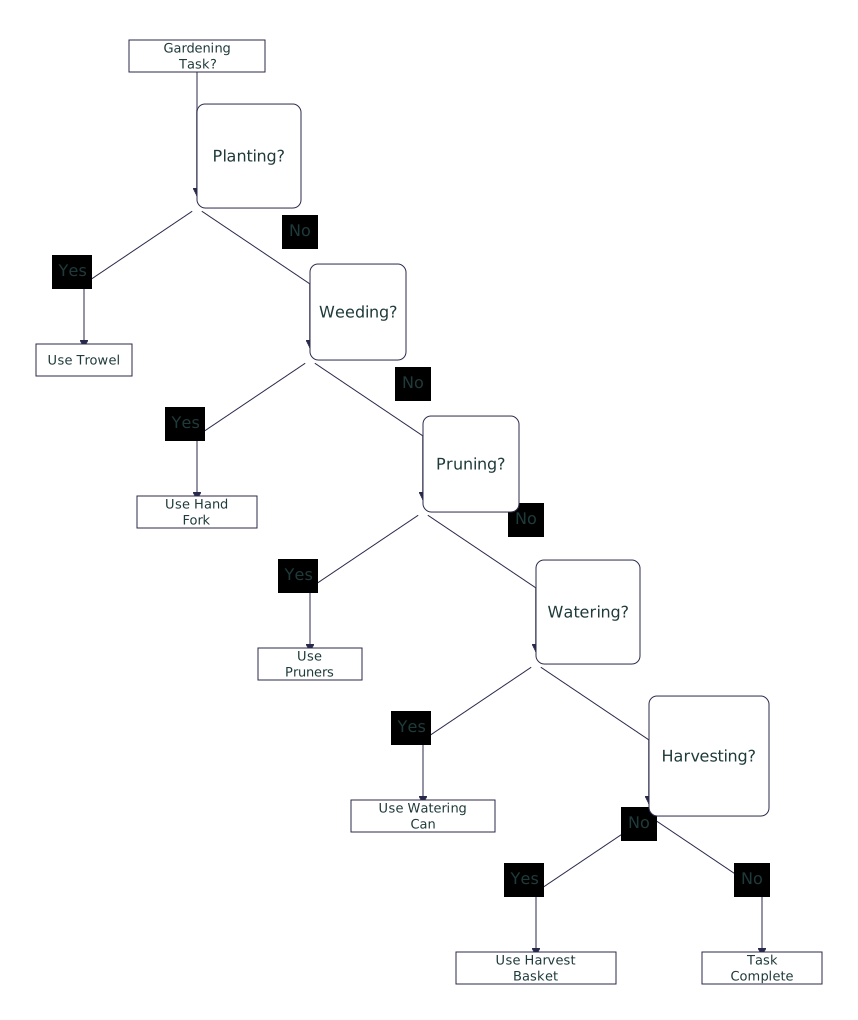
Now that you have your toolkit, let’s put it to work. This is where theory meets practice. Here’s a simple, task-based guide to which of your basic gardening tools for new gardeners to grab for common jobs. Think of it as your seasonal playbook.
For Planting & Transplanting
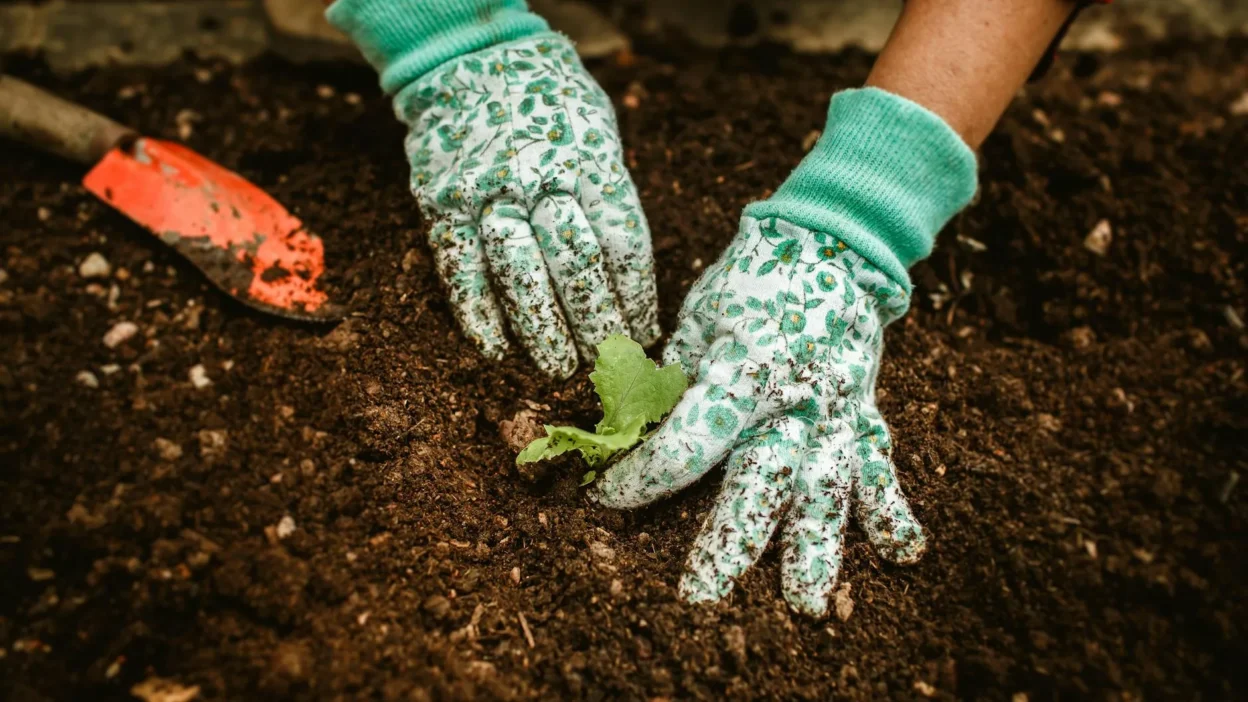
Your core trio here is the garden fork, hand trowel, and watering can. Use the fork to loosen the soil in the planting area. Use the trowel to dig individual holes at the correct depth. Gently water in your new plants with the can to settle the soil and reduce transplant shock.
For Weeding & Cultivating
This is a hoe and kneeling pad operation. On a dry day, use the hoe to slice weeds off at the roots. For stubborn weeds or delicate areas, kneel on your pad and use the trowel to dig out the entire root. A quick, regular hoeing session is far easier than a massive weeding marathon.
For Pruning, Trimming & Harvesting
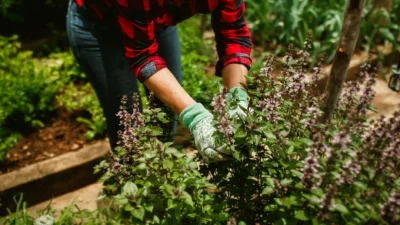
Reach for your bypass pruners and gloves. Snip off dead flowers to encourage more blooms. Harvest tomatoes, cucumbers, and herbs with a clean cut. Trim away any damaged or diseased stems you spot. Sharp pruners make a clean cut that heals quickly.
Your Weekly Garden Check-In
- Do a walk-through with your watering can or hose. Check soil moisture and water where needed.
- Take your hoe for a quick pass through vegetable rows or flower beds to tackle young weeds.
- Carry your pruners and gloves to deadhead spent blooms and harvest anything that’s ready.
- Use your fork and trowel for any spot planting or soil amending tasks.
Common Beginner Tool Mistakes (And How to Avoid Them)
We all make mistakes when starting out. Being aware of these common pitfalls will save you money, frustration, and extend the life of your gardening equipment for beginners.
Mistake 1: Leaving tools outside. Rain and soil moisture lead to rust, which weakens metal and ruins moving parts. Correction: Make it a habit to rinse off soil and store your tools in a dry shed or garage after use.
Mistake 2: Using the wrong tool for the job. Using a hand trowel as a pry bar or a shovel to chop roots will damage the tool. Correction: Respect the tool’s design. Use a digging bar for prying and a mattock or saw for large roots.
Mistake 3: Neglecting basic maintenance. Dull blades make gardening hard work and can damage plants. Correction: Wipe down metal parts with an oily rag occasionally. Learn to sharpen your hoe and pruners with a simple file or sharpening stone once a season.
Mistake 4: Buying based on price alone. The cheapest option often becomes a disposable, frustrating tool. Correction: See tools as a long-term investment. It’s better to slowly acquire your must have garden tools one quality piece at a time.
What to Add Next: Building Your Toolkit Over Time
Once you’ve mastered your core seven and completed your first season, you’ll naturally discover gaps. Your garden’s size and your personal interests will dictate what comes next. This is how you thoughtfully build from a first-time gardener tool list to a personalized collection.
If you find yourself struggling with thicker branches, a pair of loppers (long-handled pruners) is a logical upgrade. For moving soil, mulch, or plants, a wheelbarrow or a sturdy garden cart becomes indispensable. Many gardeners fall in love with a sharp, versatile soil knife (or hori-hori) for its ability to dig, cut, and weed.
The key is to let your needs guide you, not a marketing catalog. Wait until you’ve repeatedly thought, “I wish I had a tool for this,” before you buy. Gardening is a journey of learning, and your toolkit should evolve to support you, not overwhelm you. With your solid foundation of essential gardening tools for beginners, you’re perfectly set up for that journey.
Ready, Set, Grow
Starting your gardening adventure should feel exciting, not intimidating. By focusing on this concise set of fundamental gardening implements, you’ve cut through the noise and equipped yourself with exactly what you need to succeed. Remember, every seasoned gardener started with just a few trusted tools. The real magic happens when you get your hands in the soil and learn by doing. So, grab your trowel and your gloves—your garden is waiting.
Starting your garden doesn’t require a shed full of equipment. Success comes from a few versatile, quality tools used well. Focus first on the core seven: a hand trowel, bypass pruners, garden fork, hoe, watering method, gloves, and a kneeling pad. Learn to use and care for them, and let your actual gardening experiences—not a shopping list—guide your future purchases. With this practical approach, you’ll build confidence and a thriving garden together.