If you’re new to gardening, you’ve probably heard the well-meaning advice: “You should always start your seeds indoors for a better harvest.” It sounds logical—get a head start, protect those tiny seedlings, and outsmart the short growing season. But here’s the truth that often gets lost in the seed-starting hype: starting everything indoors isn’t a golden rule; it’s a strategic trade-off. For many plants, it’s actually more work for worse results. The real question isn’t which method is universally “better,” but which one is right for your specific plant, your local climate, and your own patience. This guide cuts through the confusion with a simple, myth-free checklist to help you confidently decide between direct sow or transplant every single time.
Here’s how to decide between direct sowing and transplanting: The best way is to check your seed packet for days to maturity, consider your local frost dates, and honestly assess your patience for thinning seedlings. Fast-growing, cold-tolerant plants like beans and peas thrive with direct sowing, while heat-lovers like tomatoes and peppers need a head start indoors in most climates. Your local climate and the plant’s sensitivity to root disturbance are the two biggest deciding factors.
Myth vs. Fact: The Real Trade-Offs
Before we dive into the checklist, let’s clear up some common mental clutter. The choice between starting seeds indoors or outdoors is wrapped in a few persistent myths that can steer beginners wrong. Let’s replace them with the practical facts that will actually help you decide.
Myth 1: Transplanting is Always Superior
Fact: It’s a balance, not a hierarchy. While starting seeds indoors gives heat-loving plants a crucial head start, it also requires more gear, space, and attention. Direct sowing is often simpler and results in stronger, undisturbed root systems for plants that prefer it. The “best” method is the one that best suits the plant’s needs, not the one that seems most advanced.
Myth 2: Direct Sowing is Just for Experts
Fact: Direct sowing is arguably the most beginner-friendly seed starting method for the right crops. You skip the indoor setup, the hardening-off process, and the risk of transplant shock. For many vegetables, putting a seed directly in its final home is the simplest path to success. It’s not a fallback plan; it’s the primary plan for a whole category of plants.
Myth 3: It’s Purely About Extending the Season
Fact: Season length is a huge factor, but it’s not the only one. Some plants have delicate taproots (like carrots) that are severely damaged if moved. Others germinate and grow so quickly (like radishes) that starting them indoors offers no real advantage. The decision is a mix of climate, plant biology, and your own resources as a gardener.
Your 4-Point Decision Checklist
Now for the actionable part. When you’re holding a seed packet and wondering what to do, run through these four questions in order. They’ll point you toward the right choice for your specific situation.
1. What Does the Seed Packet Say?
This is your first and best clue. Look for the “days to maturity” number and any specific sowing instructions. A long maturity time (90+ days) in a short-season climate often nudges you toward transplanting. Crucially, some packets explicitly say “direct sow” or “sow indoors 6-8 weeks before last frost.” The packet is written for your plant’s ideal conditions—trust it. This is the core of knowing when to direct sow seeds for that specific variety.
2. What’s Your Local Climate?
Your garden’s reality is defined by frost dates and summer heat. Find your average last spring frost date. If a plant is frost-tender (like tomatoes) and needs a long, warm season to produce, you’ll likely need to start it indoors. If it’s cold-hardy (like peas or spinach) and can be planted as soon as the soil is workable, direct sowing is perfect. Your climate dictates the calendar.
3. How Does the Plant Handle Its Roots?
This is the hidden deal-breaker. Plants with a central, fast-growing taproot (carrots, parsnips, dill) hate being transplanted. Disturbing them often causes forked, stunted roots. These are almost always best direct sown. Plants that readily grow new roots from their stems (tomatoes, peppers, brassicas) handle the move from pot to garden much better, making them ideal candidates for transplanting.
4. What’s Your Patience Level?
Be honest with yourself. Direct sowing almost always requires thinning—removing extra seedlings so the strongest have room to grow. It can feel wasteful, but it’s essential. Are you willing to do that? Conversely, transplanting requires weeks of indoor care and a careful “hardening off” period. Your available time and tolerance for these tasks are valid factors in your direct sowing vs transplanting decision.
Common Mistakes to Sidestep
Even with the right choice, execution matters. Here are key pitfalls to avoid, turning your good decision into a great harvest.
Transplanting Root-Sensitive Crops: This is the most common error from our transplant seedlings beginner guide. Never start carrots, radishes, or beets in cells indoors. The root disturbance will ruin your crop. Always direct sow these.
Ignoring Soil Temperature for Direct Sowing: Seeds need certain soil temps to germinate. Planting pea seeds in frozen mud or bean seeds in cold, wet soil leads to rot, not growth. A simple soil thermometer or following regional planting guides prevents this.
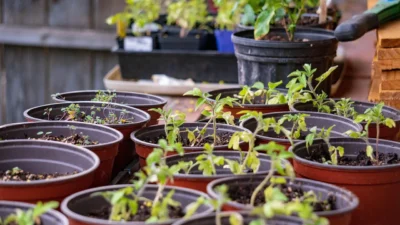
Skipping the Hardening-Off Process: If you start seeds indoors, you must acclimate them to outdoor sun, wind, and temperature over 7-10 days. Moving tender seedlings directly from your windowsill to the garden is a recipe for sunscald and shock. It’s a non-negotiable step.
Sowing Seeds Too Deeply (or Too Shallow): A general rule is to plant a seed 2-3 times its width deep. Tiny seeds like lettuce need just a light dusting of soil. Burying them too deep exhausts their energy before they reach the light. Check the packet for specific depth.
Quick-Reference Plant Lists
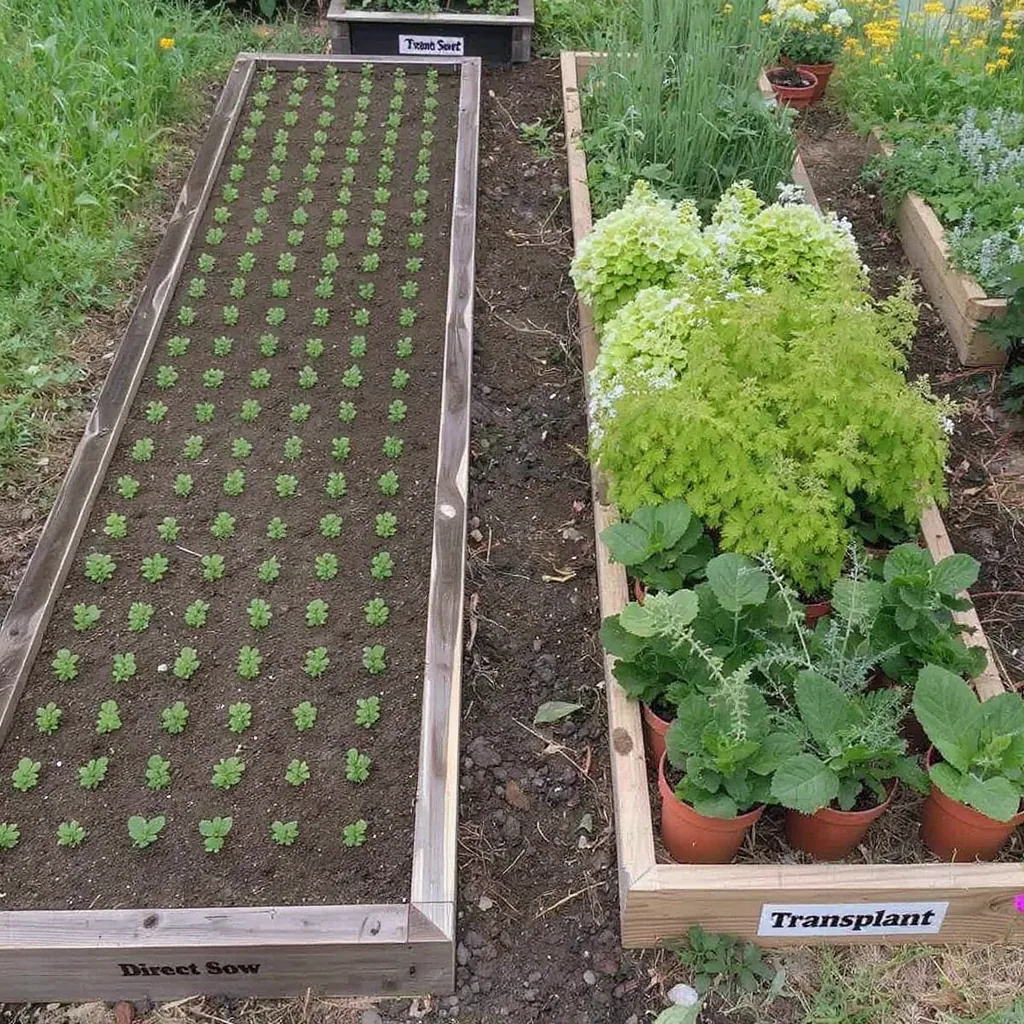
When in doubt, these general lists can guide you. Remember, there are always exceptions based on variety and climate, but this is a reliable starting point.
Usually Best Direct Sown:
- Root Vegetables: Carrots, radishes, beets, parsnips, turnips. Their roots are easily damaged.
- Fast-Growing & Cold-Tolerant: Peas, spinach, lettuce, arugula, kale. They germinate in cool soil and grow quickly.
- Plants That Hate Disturbance: Beans, corn, cucumbers, squash, melons. They grow so fast or have sensitive roots that transplanting often sets them back.
Usually Best Transplanted:
- Long-Season Heat Lovers: Tomatoes, peppers, eggplants, tomatillos. They need a long, warm growing season to produce fruit.
- Slow-Starting Crops: Broccoli, cauliflower, cabbage, celery, onions. They benefit from a controlled start to get a jump on pests and heat.
- Tender Herbs & Flowers: Basil, parsley (though it has a taproot, it transplants okay), marigolds, petunias. Starting indoors ensures strong plants ready for summer.
Finding Your Garden’s Best Path
So, is there a single “best” way to start your seeds? No. And that’s the liberating part. Gardening is a series of smart trade-offs tailored to your plants, your patch of earth, and your own style. The goal isn’t to master one complex technique, but to match the right garden planting technique to the right plant.
Use the four-point checklist as your decision engine and the plant lists as your quick guide. Start with a few from each column—maybe some direct-sown radishes and some transplanted tomatoes. You’ll quickly see how each method has its own rhythm and rewards. The confidence you gain from making an informed choice is the real head start for any garden.