So, you’re ready to start your first garden—that’s fantastic! But before you buy a single seed packet, there’s one crucial choice to make: where will your plants actually grow? The debate between container, raised bed, and in-ground gardening isn’t about finding the single “best” beginner garden type; it’s about finding the perfect fit for *your* life. Are you working with a sunny balcony, a small patch of lawn, or a sprawling backyard? What’s your budget for startup costs, and how much time can you dedicate to maintenance? Your answers to these questions will point you toward the method that will make your first season a success, not a struggle. Let’s break down these three popular options so you can confidently choose the garden that fits you.
The best way to choose your first garden type is to honestly assess your space, budget, and physical ability. For most beginners with limited space or poor soil, raised beds offer a great balance of control and simplicity. If you’re renting or have a tiny patio, container gardening is your best bet. For those with ample, healthy ground soil and more time for prep, in-ground gardening is the most traditional and cost-effective route.
The Quick-Start Guide: Understanding Your 3 Options
Before we dive into the details, let’s get a clear picture of what each of these beginner garden types actually looks like. Think of this as your quick-reference guide to the three main paths you can take. these beginner garden types
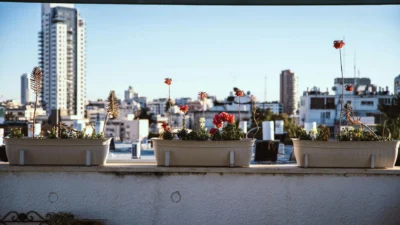
Container Gardening: This is gardening in anything that holds soil and has drainage holes—pots, buckets, window boxes, or even repurposed items. It’s the most flexible method, perfect for patios, balconies, and small spaces. For container gardening beginners, it’s the ultimate “start small” option.
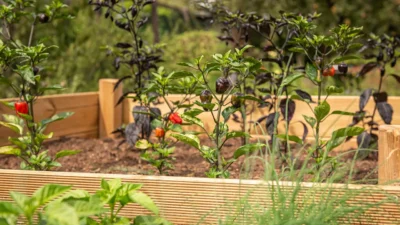
Raised Bed Gardening: This involves building a contained, open-bottomed frame (usually from wood, stone, or metal), filling it with high-quality soil, and planting directly into it. The bed sits on top of your existing ground. It’s a fantastic middle ground that offers more growing space than a single pot and better soil control than digging in the ground. Learning the raised bed gardening basics is a popular next step for many new gardeners.
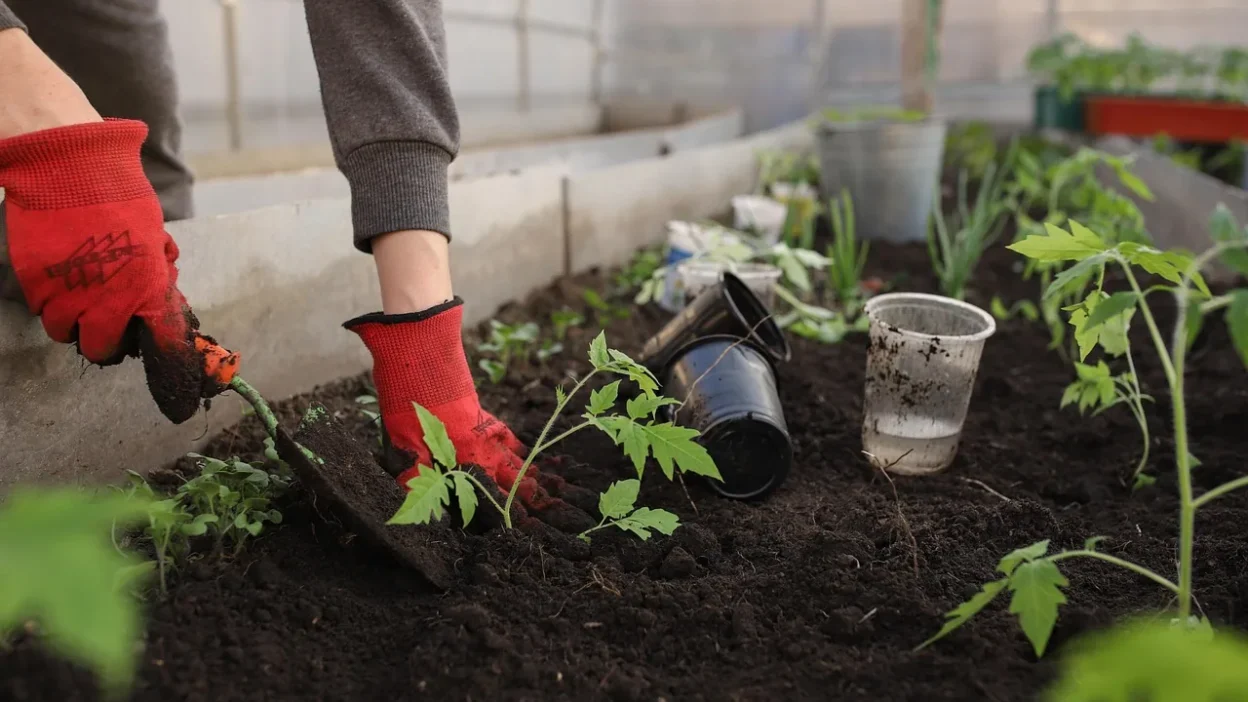
In-Ground Gardening: This is the classic method: you plant directly into the native soil of your yard after preparing it. It’s the most traditional approach and can be the most cost-effective if you have good soil to start with. It offers the largest potential scale but requires the most initial work to get the ground ready.
Side-by-Side: The Key Factors That Matter to You
Choosing your best garden type for beginners comes down to how these methods stack up across the factors that will impact your daily life. Let’s break it down side-by-side.
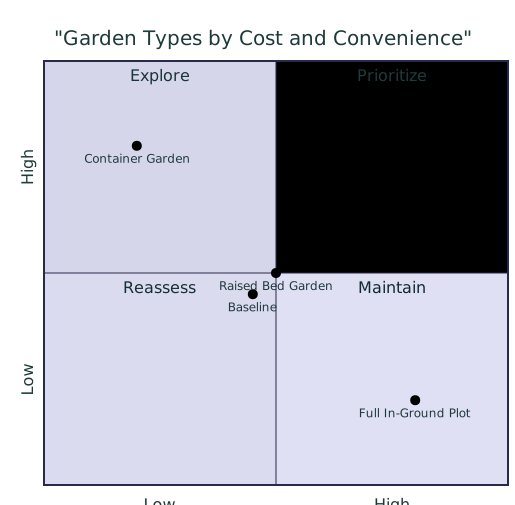
Here’s a detailed comparison to help you weigh your options:
| Factor | Container Gardening | Raised Bed Gardening | In-Ground Gardening |
|---|---|---|---|
| Startup Cost | Low to Medium. Cost depends on pot size and quality. You can start with recycled containers for almost free. | Medium to High. You pay for materials (lumber, soil) or a pre-made kit. The investment is upfront. | Lowest. Main costs are tools (if you don’t have them) and soil amendments. The land itself is your biggest asset. |
| Ongoing Effort | Medium. Pots dry out faster, requiring more frequent watering. Fertilizing is also more crucial as nutrients wash out. | Low to Medium. Excellent drainage and weed suppression reduce work. Watering is less frequent than containers. | Medium to High. More weeding, potential for soil compaction, and may require annual tilling or amending. |
| Space & Flexibility | Highest. Perfect for tiny spaces. You can move pots to follow the sun or take them with you if you move. | Low. Once built, it’s a permanent fixture. Great for small to medium yards, but not for renters typically. | None. You are committed to that plot. Best for homeowners with ample, dedicated garden space. |
| Soil Control | Total. You fill pots with perfect, store-bought potting mix every time. No guesswork. | High. You create a custom soil blend in a controlled environment, ignoring poor native soil underneath. | Variable. You work with what you have. Improving heavy clay or sandy soil takes time and ongoing effort. |
| Pest & Weed Management | Easier. Elevation deters some pests. Fewer weed seeds if you use bagged soil. Slugs and snails can still climb. | Easier. Clear boundaries and elevation help. Lining the bottom with hardware cloth can block burrowing pests. | Harder. More exposed to ground-dwelling pests and weed seeds from the surrounding soil. |
| Best For… | Renters, balcony/patio gardeners, those with mobility issues (can be placed on tables), and absolute beginners wanting minimal commitment. | Homeowners with poor soil, those wanting to reduce bending, gardeners seeking a tidy, productive plot with less weeding. | Homeowners with healthy, workable soil, larger-scale growers, and those preferring the most traditional, low-cost method. |
Find Your Fit: A Simple Decision Guide
Now, let’s make this personal. Answer these simple questions about your situation. Your answers will point you toward the gardening method for beginners that fits you like a glove.
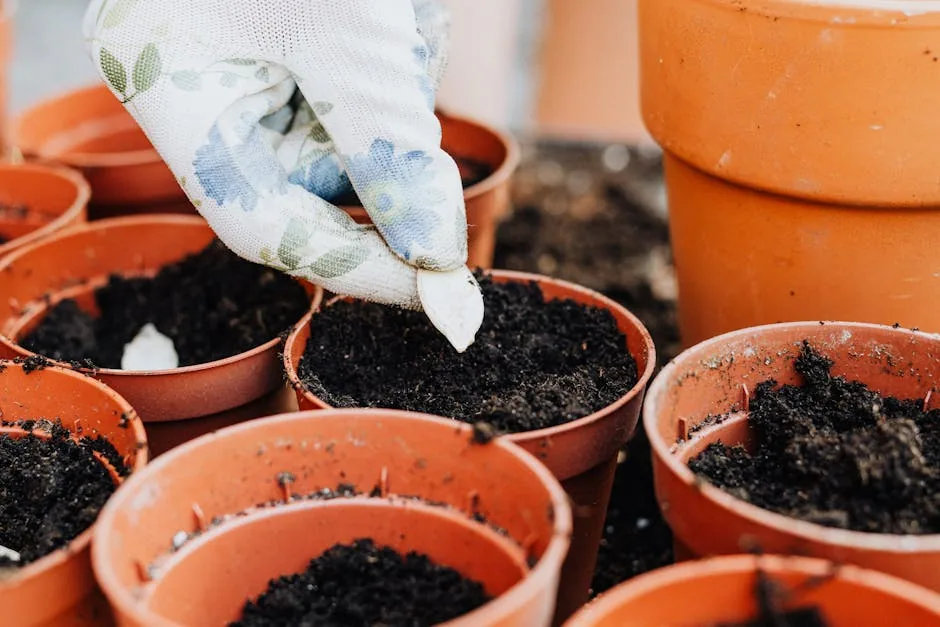
Photo by www.kaboompics.com on Pexels
Question 1: What’s Your Space Like?
If you only have a balcony, patio, or just a sunny windowsill… then container gardening is your only realistic choice, and it’s a fantastic one. You can grow herbs, lettuce, peppers, and even small tomatoes.
If you have a small to medium backyard… you have options. A raised bed can maximize that space with neat, productive rows. You could also section off a small patch for an in-ground plot if the soil is decent.
Question 2: What’s Your Living Situation?
If you rent your home… choose container gardening. It’s portable and requires no permanent alteration to the property. You can take your garden with you.
If you own your home… all three options are open. Your decision now hinges on budget, soil quality, and how much physical work you want to do.
Question 3: What’s Your Budget & Physical Ability?
If you have a tight budget and don’t mind more physical labor… in-ground gardening is the most cost-effective path. Be prepared for digging and weeding.
If you can make an upfront investment to save your back and reduce future work… raised bed gardening is worth every penny. The height reduces bending, and the soil quality means less struggle.
If you want the lowest barrier to entry to simply try gardening… grab a large pot, a bag of potting mix, and a plant start. Container gardening lets you dip your toes in with minimal fuss.
Your First Steps After You Choose
You’ve made your choice! Here’s the single, most important first action to take for each method. This is about building momentum with one clear task.
If You Chose Container Gardening:
Your first step: Get one large pot and a bag of high-quality potting mix. Don’t use garden soil in pots—it compacts. A 5-gallon bucket (with holes drilled in the bottom) or a 12-inch diameter pot is a perfect start for one tomato, pepper, or a handful of herbs. Place it where it will get at least 6 hours of sun.
If You Chose Raised Bed Gardening:
Your first step: Decide on size and source your materials. A 4ft x 4ft or 4ft x 8ft bed is a classic, manageable size. You can use untreated cedar or composite lumber, or buy a kit. Also, calculate how much soil you’ll need (a 4×8 bed, 12 inches deep, needs about 32 cubic feet).
If You Chose In-Ground Gardening:
Your first step: Test your soil. This is non-negotiable. Use a simple home test kit or send a sample to your local cooperative extension service. This will tell you your soil’s pH and nutrient levels, so you know exactly what to add (like compost or lime) before you plant a single seed.
Whichever path you pick, taking this one small, concrete step turns the idea of starting a garden for the first time into a reality. Go for it!
The Right Garden is the One You’ll Actually Tend
So, which is the absolute best beginner garden type? The honest answer is: the one that fits your life. The core trade-off is simple. Containers and raised beds offer more control and convenience for a higher upfront cost or a bit more daily attention. In-ground gardening offers scale and lower cost in exchange for more physical labor and less initial control over your environment.
There’s no prize for choosing the “hardest” method. The prize is fresh herbs on your balcony, a salad from your raised bed, or the satisfaction of turning a patch of lawn into a productive plot. The best garden is the one you feel excited to care for, not overwhelmed by.
Start small, learn by doing, and remember that every gardener—no matter how experienced—killed a plant or two along the way. Your perfect fit is waiting. Now, go take that first step.