If you think compost and fertilizer are just two ways to feed your plants, you’re setting your garden up for a world of confusion. For a beginner, the difference between compost and fertilizer can feel like gardening jargon meant to trip you up. But here’s the counterintuitive truth: they are fundamentally different tools for completely different jobs. One is about building a healthy home for your plants (that’s your soil), and the other is about stocking the pantry inside that home (that’s your plants’ direct food). Understanding this core distinction—between long-term soil health and immediate plant nutrition—is the single most important lesson in garden feeding basics. This guide will cut through the noise, giving you a clear, practical decision framework so you know exactly when to reach for the black gold and when to grab the plant food for your specific situation.
Think of compost as building the long-term health of your garden’s soil, and fertilizer as giving your plants an immediate meal. For most beginner gardens, focus on adding compost at the start of the season to create a resilient foundation, and only reach for fertilizer if your plants show clear signs of nutrient deficiency like yellowing leaves or stunted growth. Start by feeding your soil, and let a healthy soil feed your plants.
The Core Difference: Soil Builder vs. Plant Food
Let’s clear up the confusion right away. Compost and fertilizer are not interchangeable. They are fundamentally different tools for different jobs. Understanding this is the first step in garden feeding basics.
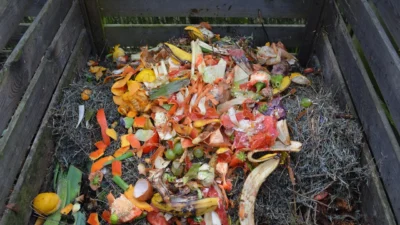
Compost is a soil builder. It’s decomposed organic matter—think kitchen scraps, leaves, and grass clippings that have broken down into a dark, crumbly, earthy-smelling material. Its primary job is to improve your soil’s physical structure, helping it retain moisture and drain well, while fostering a thriving ecosystem of beneficial microbes. It feeds the soil, which in turn supports your plants. It releases nutrients very slowly, over months or years.
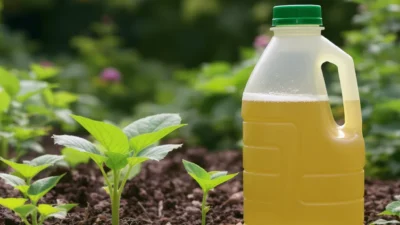
Fertilizer is plant food. It’s a concentrated source of specific nutrients, most commonly Nitrogen (N), Phosphorus (P), and Potassium (K). Its job is to give plants a direct, fast-acting nutrient boost to support immediate needs like leafy growth, flowering, or fruiting. It feeds the plant directly.
Think of it this way: adding compost is like renovating your kitchen to make it a better, more functional space for cooking. Adding fertilizer is like bringing in a specific, high-quality ingredient to cook a meal right now. For compost vs fertilizer for beginners, this distinction is everything. You can learn more about the role of organic matter from resources like the USDA’s soil health principles.
Your Garden’s Current State: The Decision Points
So, which one should you use? The answer depends entirely on your garden’s specific situation. Ask yourself these practical questions to find your path.
What is your soil like?
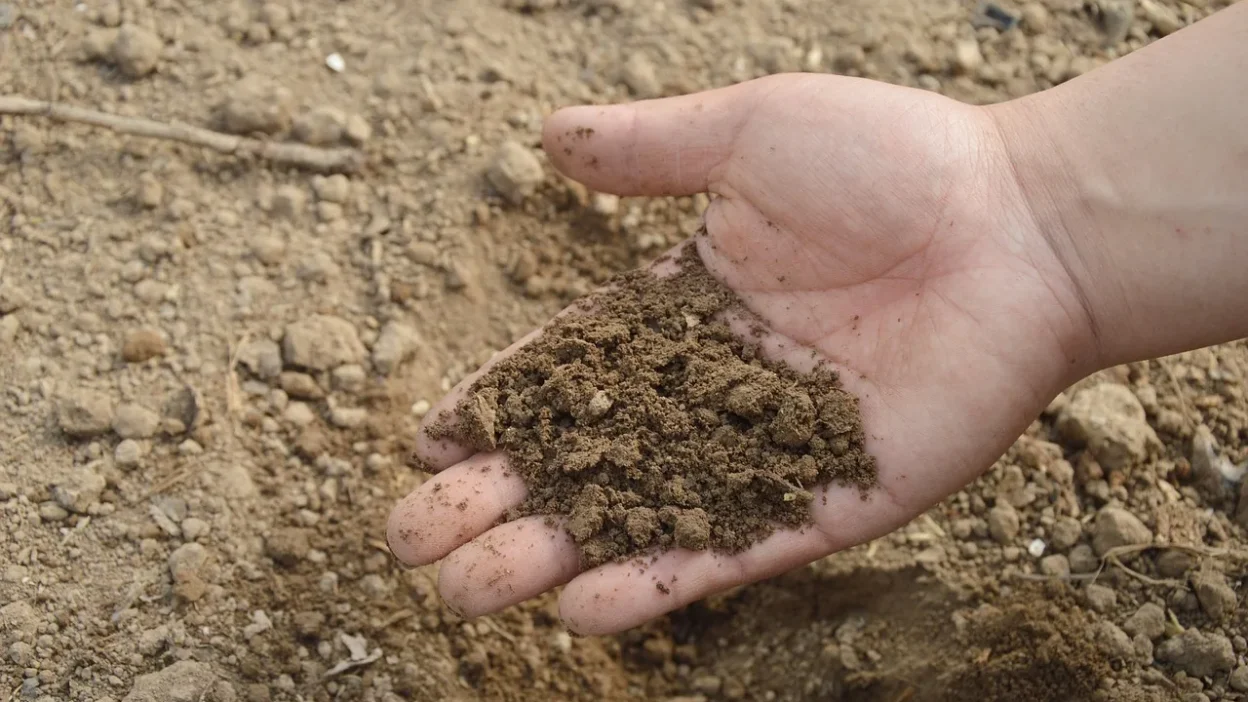
If your soil is heavy clay, sandy, or just poor and lifeless… then your first move is always compost. It will loosen clay, help sand hold water, and add vital organic matter to kickstart soil life. This is a long-term foundation project.
Is this a new garden bed or the start of a season?
If you’re starting a new raised bed, preparing a vegetable plot in spring, or planting perennials… reach for the compost. Mixing a 2-3 inch layer into the top 6-8 inches of soil sets your plants up for success by creating a healthy root environment.
What are you planting?
If you’re planting “heavy feeders” like tomatoes, corn, or squash… plan to use both. Start with compost at planting time to build the soil, then be prepared to supplement with a balanced fertilizer when the plants are actively growing and setting fruit.
Are your plants currently struggling?
If your established plants have yellowing leaves, stunted growth, or poor flowering… this often signals a specific nutrient deficiency. Here, a targeted fertilizer is the quicker fix to address the immediate hunger, while adding compost around the plant will help prevent the issue next season.
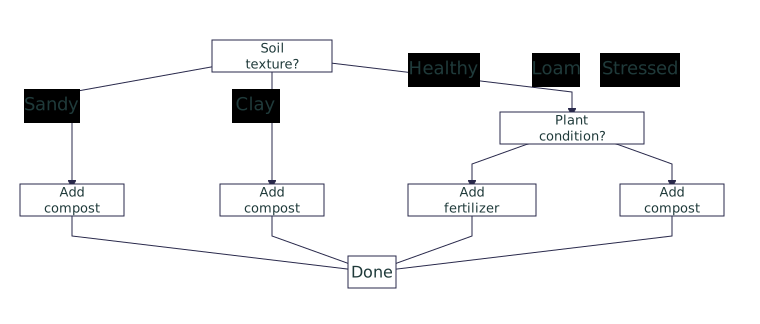
Side-by-Side: When to Reach for Which Tool
This table breaks down common beginner scenarios to give you clear, actionable guidance. Remember, the choice between organic matter vs plant food hinges on the goal.
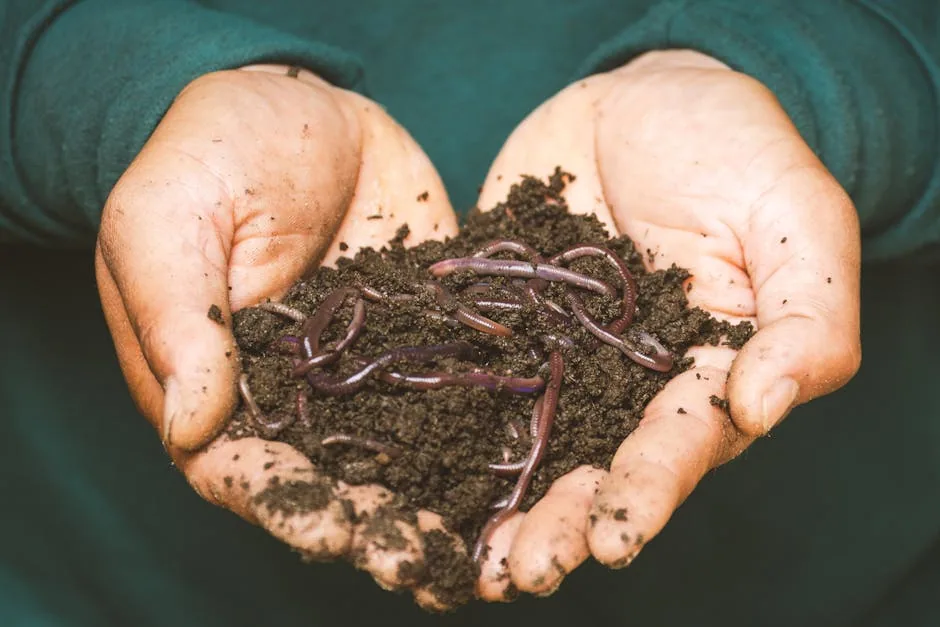
Photo by Sippakorn Yamkasikorn on Pexels
| Garden Scenario | Best Choice | Primary Reason | Quick Tip |
|---|---|---|---|
| Starting a new raised bed | Compost | Builds soil structure and long-term fertility from the ground up. | Mix 1 part compost with 2 parts native soil or potting mix. |
| Mid-season vegetable growth slump | Fertilizer | Provides a fast nutrient boost to support fruiting and flowering. | Use a water-soluble or granular fertilizer according to package rates. |
| Planting seedlings or transplants | Both | Compost enriches the planting hole; a mild starter fertilizer reduces transplant shock. | Mix compost into the backfill soil and use a half-strength liquid fertilizer after planting. |
| Container gardening refresh | Compost & Fertilizer | Potting mix degrades; compost replenishes organic matter, fertilizer replenishes nutrients. | Top-dress pots with an inch of compost and use a liquid fertilizer every 2-4 weeks. |
| Correcting yellowing leaves (deficiency) | Fertilizer | Addresses an immediate, specific lack of nutrients (often nitrogen). | Identify the specific deficiency if possible; a balanced fertilizer is a good start. |
Common Beginner Blunders to Avoid
We all learn by doing, but sidestepping these common mistakes will save you time and give your plants a better start. Consider this your quick guide to the garden feeding basics of what not to do.
Using compost as an emergency fix for hungry plants. Compost works slowly. If your tomato leaves are turning yellow this week, a balanced fertilizer will address the problem much faster. Use compost to prevent the issue next time.
Over-fertilizing, or “fertilizer burn.” More is not better. Concentrated salts in fertilizer can damage roots and leaves. Always follow label instructions, and when in doubt, use less. It’s easier to add more later than to fix burned plants.
Applying fertilizer to dry soil. This can also cause root burn. Water the soil thoroughly before and after applying granular fertilizer to help dissolve and distribute the nutrients safely.
Neglecting a soil test. While not always essential in year one, a simple home test kit can reveal your soil’s pH and nutrient levels. It takes the guesswork out and tells you exactly what your soil lacks, preventing you from adding things it doesn’t need.
Build the Foundation, Then Serve the Meal
The most empowering takeaway for any beginner is this: focus on building healthy soil first, and feeding your plants second. Your garden’s resilience and productivity start from the ground up. By consistently adding compost, you’re investing in a living ecosystem that will support your plants for seasons to come.
Your clear next step? Look at your garden right now. Is your soil in need of renovation, or are your plants showing signs of hunger? Use the decision points in this article to diagnose your situation. Then, make one simple, confident choice—either to amend your soil with compost or to address a plant’s need with fertilizer. Start there, observe how your plants respond, and you’ll be well on your way to a thriving garden.