Think of your garden soil like a bank account for your plants. You can make two kinds of transactions: long-term investments that build wealth and stability, or short-term withdrawals to cover immediate needs. This is the perfect analogy for understanding compost and fertilizer basics for beginners. Many new gardeners use these terms interchangeably, but they serve fundamentally different roles. Confusion between the two is incredibly common, and it often leads to either underperforming plants or, worse, harming them with good intentions. The most empowering step you can take is to move past this mix-up. By clearly understanding that one builds the foundation (the soil) and the other supports the occupant (the plant), you unlock the ability to make confident, effective choices for a thriving garden.
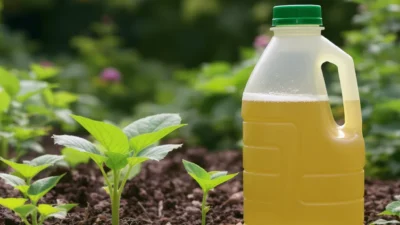
Compost feeds the soil by improving its structure and long-term health, while fertilizer feeds the plant with specific nutrients for immediate growth. For beginners, starting with compost is often the safest and most beneficial foundation for a garden. It acts like a slow-release, all-around soil conditioner, whereas fertilizer is a targeted supplement to address specific deficiencies or support high-demand growth phases.
The Core Difference: Feeding the Soil vs. Feeding the Plant
Think of your garden soil not as dirt, but as a bustling, living city. This city is home to billions of beneficial bacteria, fungi, worms, and other microorganisms. The health of this entire ecosystem determines how well your plants can live and thrive.
This is the heart of understanding compost and fertilizer basics. They are two different tools for two different jobs:
- Compost feeds the soil city. It’s like investing in infrastructure—building better roads (soil structure), improving the water supply (retention and drainage), and bringing in a diverse population of helpful citizens (microbes). A healthy soil city can support plants more effectively on its own.
- Fertilizer feeds the plant directly. It’s like delivering a targeted package of vitamins or a quick meal straight to a resident’s door. It addresses an immediate, specific nutrient need without necessarily improving the city itself.
For beginners, grasping this “soil vs. plant” distinction is the most empowering step. It turns a confusing choice into a clear decision: are you building long-term health, or addressing a short-term need? You can learn more about this living ecosystem from resources like the USDA’s page on soil health.
Compost Demystified: Your Garden’s Long-Term Investment
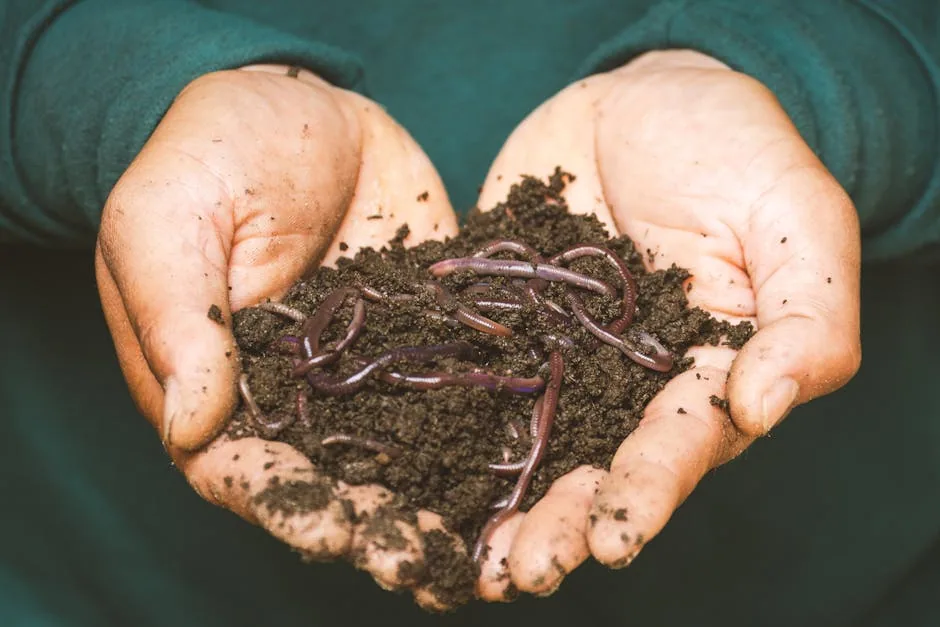
Photo by Sippakorn Yamkasikorn on Pexels
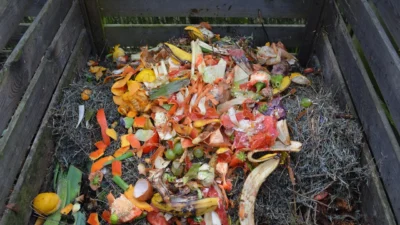
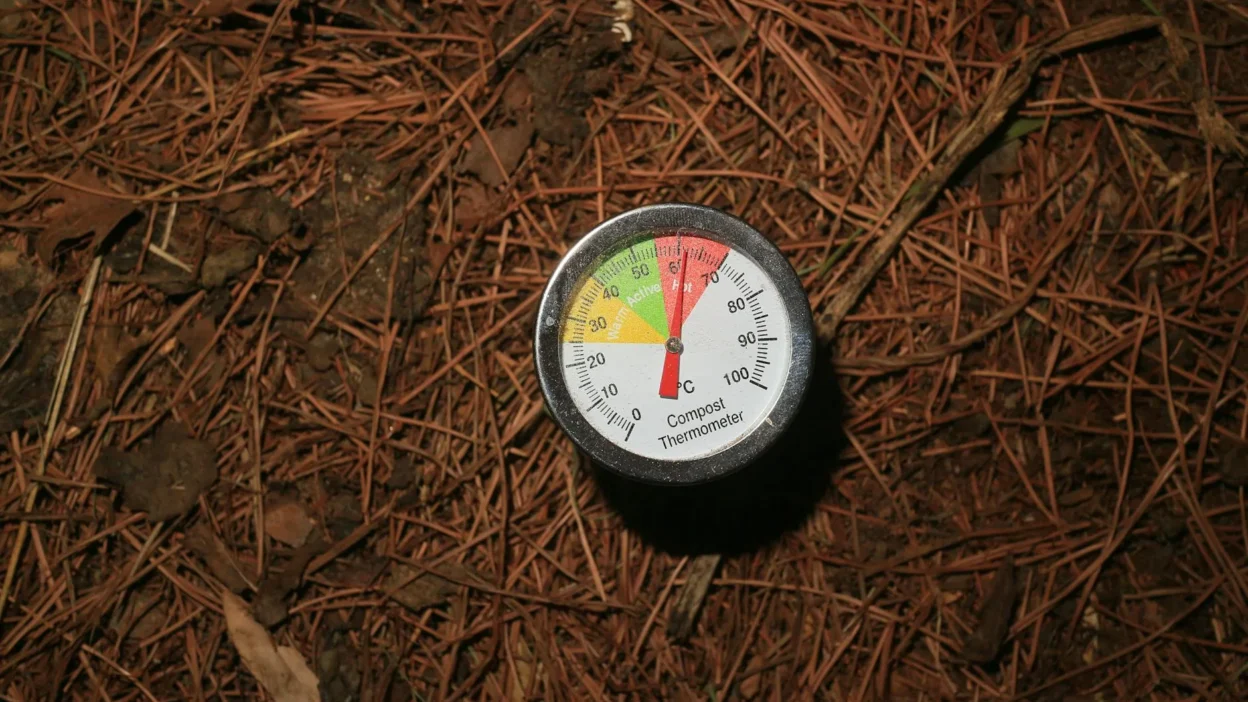
So, what is compost, exactly? In simple terms, it’s decomposed organic matter—your kitchen scraps, leaves, and grass clippings broken down by microbes into a stable, earthy material. This process is the core of any beginner compost guide.
When you add finished compost to your garden, you’re making a long-term investment with several key returns:
- Improves Soil Texture: It loosens heavy clay so roots can breathe and helps sandy soil hold onto water and nutrients.
- Boosts Water Retention: The organic matter acts like a sponge, reducing how often you need to water.
- Introduces Beneficial Microbes: It inoculates your soil with the good bacteria and fungi that help plants access nutrients.
- Provides Slow-Release Nutrients: It contains a gentle, balanced mix of nutrients that become available to plants slowly over time, much like a time-release capsule.
This is why compost is championed as the ultimate soil amendment. It works slowly and steadily, building the foundation for everything else. While starting a compost pile is a fantastic project, you can also buy bagged compost to begin improving your soil immediately.
Fertilizer Decoded: The Targeted Nutrient Boost
Fertilizer is the supplement. Its job is to provide a concentrated dose of specific nutrients that plants need in larger quantities, primarily Nitrogen (N), Phosphorus (P), and Potassium (K). You’ll see these represented as three numbers on a package, like 10-10-10.
- Nitrogen (N): For green, leafy growth. Think lush lettuce and tall grass.
- Phosphorus (P): For strong root development and flowering/fruiting.
- Potassium (K): For overall plant health, disease resistance, and regulating internal processes.
These numbers are a ratio, not a quality score. A 5-5-5 fertilizer has half the concentration of a 10-10-10, so you’d use more of it to deliver the same amount of nutrients.
You’ll also encounter the organic vs. synthetic fertilizer choice. A simple way to frame it: organic fertilizers (like bone meal or fish emulsion) are like slow-release food derived from natural sources, feeding both the plant and the soil life over time. Synthetic fertilizers are like fast-acting medicine, delivering nutrients in a form plants can use immediately. Both have their place, but for organic fertilizer basics, know that organics are generally gentler and less likely to harm your soil ecosystem if used correctly.
A Simple Decision Guide: When to Use What
Let’s translate theory into action. This mini-checklist helps you diagnose what your garden needs. Remember, these are general guidelines for educational purposes; observing your specific plants is key.
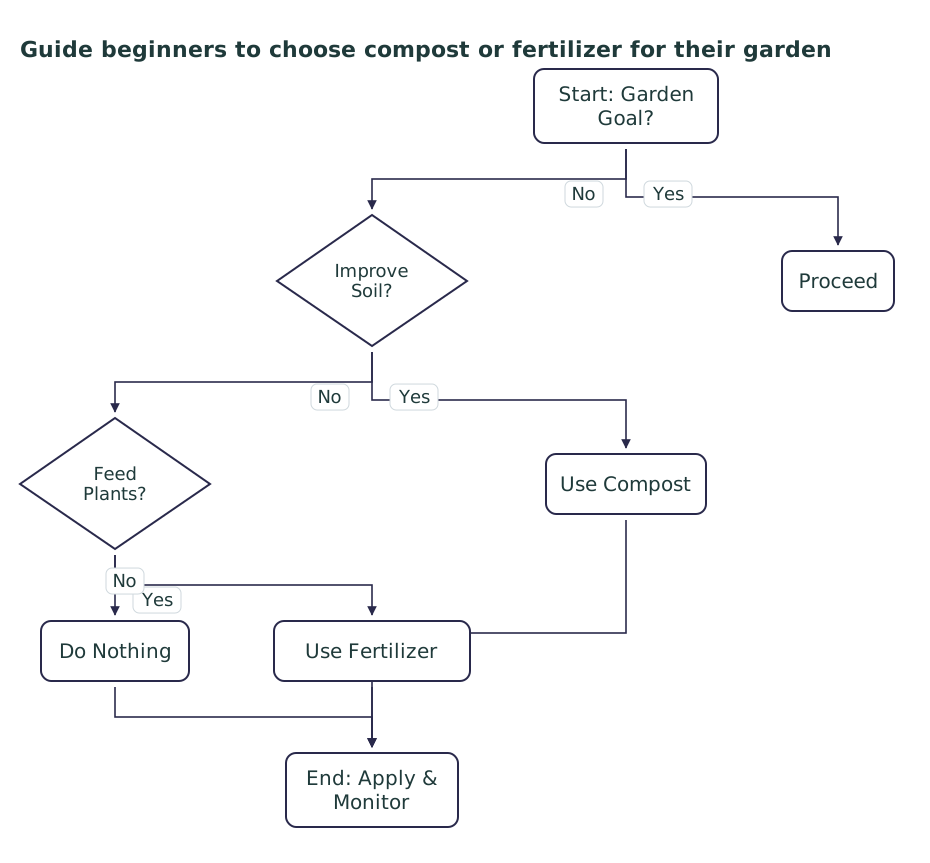
Use compost when…
- You are preparing a new garden bed or container.
- The soil is hard, compacted, or very sandy.
- You want to improve moisture retention.
- You are doing your annual garden refresh (mixing into the top few inches of soil).
- You are mulching around plants to suppress weeds and slowly feed the soil.
Consider fertilizer when…
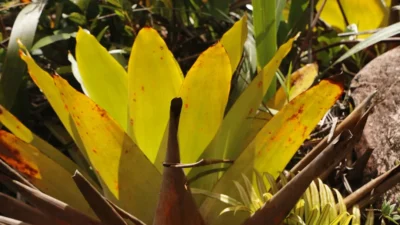
- You notice specific deficiency signs (e.g., yellow leaves often signal a need for nitrogen).
- Plants are in a heavy growth phase (like seedlings establishing or vegetables fruiting).
- You are growing plants in containers, where nutrients get washed out with frequent watering.
- A soil test indicates a specific nutrient is lacking.
This last point touches on when to fertilize plants effectively. It’s often tied to their growth cycle—feeding at the start of the growing season and perhaps again before flowering or fruiting, rather than on a random schedule.
Common Beginner Pitfalls to Sidestep
Everyone makes mistakes when learning compost and fertilizer basics. Knowing these common traps ahead of time can save your plants and your confidence.
Over-Fertilizing (The “More is Better” Myth): This is the #1 error. Excess fertilizer salts can “burn” plant roots, causing leaf scorch and even plant death. Always follow label instructions, and remember, you can always add more later, but you can’t take it back.
Using Fresh, Uncomposted Manure: Fresh manure can be too “hot” (high in ammonia) and may contain pathogens that can harm plants and people. Always use well-aged, composted manure.
Ignoring Soil Tests: Fertilizing blindly is like prescribing medicine without a diagnosis. A simple, inexpensive soil test from your local extension service tells you exactly what your soil lacks, preventing wasted effort and money.
Treating Compost as a Fertilizer Substitute in High-Demand Situations: While compost provides nutrients, they are released slowly. A hungry tomato plant heavy with fruit might need the immediate boost of a balanced fertilizer in addition to its compost-rich soil foundation.
Your Confident Start to a Healthier Garden
Understanding the distinct roles of compost and fertilizer is like learning the difference between cooking a nourishing meal from scratch and taking a vitamin. One builds lasting health from the ground up, while the other addresses an immediate need. You don’t have to be an expert to use both effectively.
Your journey with soil health is just that—a journey. Start by focusing on building your soil with compost. Observe your plants. Get curious. When you see a specific need, you now have the knowledge to reach for fertilizer with purpose, not confusion. This foundational understanding empowers you to make choices that lead to a more resilient, vibrant garden, season after season.
To master compost and fertilizer basics, remember this core dichotomy: compost feeds the soil ecosystem for long-term health, while fertilizer feeds the plant with targeted nutrients for immediate growth. Your most powerful move as a beginner is to focus first on building rich, living soil with compost as your foundation. Use fertilizer thoughtfully as a supplement when plants show specific needs or are in high-growth phases. Avoid common mistakes like over-fertilizing and skipping soil tests to keep your garden thriving naturally.