Are your plants constantly thirsty, or do they sit in soggy, waterlogged ground? The secret to solving these common beginner frustrations often lies right beneath your feet. Understanding how to identify your garden soil type is the foundational first step to gardening success, because clay, sandy, and loamy soils each have wildly different personalities. You don’t need a lab test or a degree in horticulture to figure it out. In the next few minutes, you’ll learn a simple, no-cost diagnostic method you can do with just a jar, some water, and your own two hands to finally understand what you’re working with.
You can identify your garden soil type quickly with two simple hands-on tests: the jar test for composition and the squeeze test for texture. The goal is to see if you have ideal loamy soil, heavy clay, or fast-draining sandy soil. Loamy soil is the gardener’s gold—crumbly, dark, and holds moisture and nutrients well. Clay is sticky and dense when wet; sandy is gritty and drains too fast.
Your 5-Minute Soil Diagnosis Checklist
Before you get into the details, here’s your quick-action list. Grab these simple tools and follow these steps to get your answer.
- Gather your sample: Dig up a few tablespoons of soil from about 6 inches deep in your garden bed. Avoid surface debris.
- Perform the jar test: Place a cup of soil in a clear jar, fill it with water, shake vigorously, and let it settle for 24 hours.
- Perform the squeeze test: Take a moist (not soggy) handful of soil and squeeze it firmly in your palm.
- Observe the results: For the jar test, look at the settled layers. For the squeeze test, see if it forms a ball, a ribbon, or just crumbles.
- Match your observations: Compare what you see and feel to the profiles of clay, sandy, or loamy soil.
That’s it. This simple soil diagnosis will give you the clarity you need to move forward.
The Hands-On Tests Explained
Let’s break down those two key tests so you know exactly what to do and what you’re looking for. No special equipment needed.
The Jar Test (The Composition Check)
This test shows you what your soil is made of. Fill a clear jar about one-third with your dry, crushed soil sample. Add water until the jar is almost full, then add a drop of dish soap (to help particles separate). Seal the lid and shake it hard for a minute or two. Let the jar sit undisturbed for a full day.
As it settles, distinct layers will form. The heaviest particles, like sand and small stones, will sink to the bottom first. The next layer will be silt (feels like flour). The top layer will be the finest clay particles. Organic matter might float. The relative thickness of these layers tells your soil’s story—a thick bottom layer means sandy soil, while a thick top layer indicates clay.
The Squeeze Test (The Texture Test)
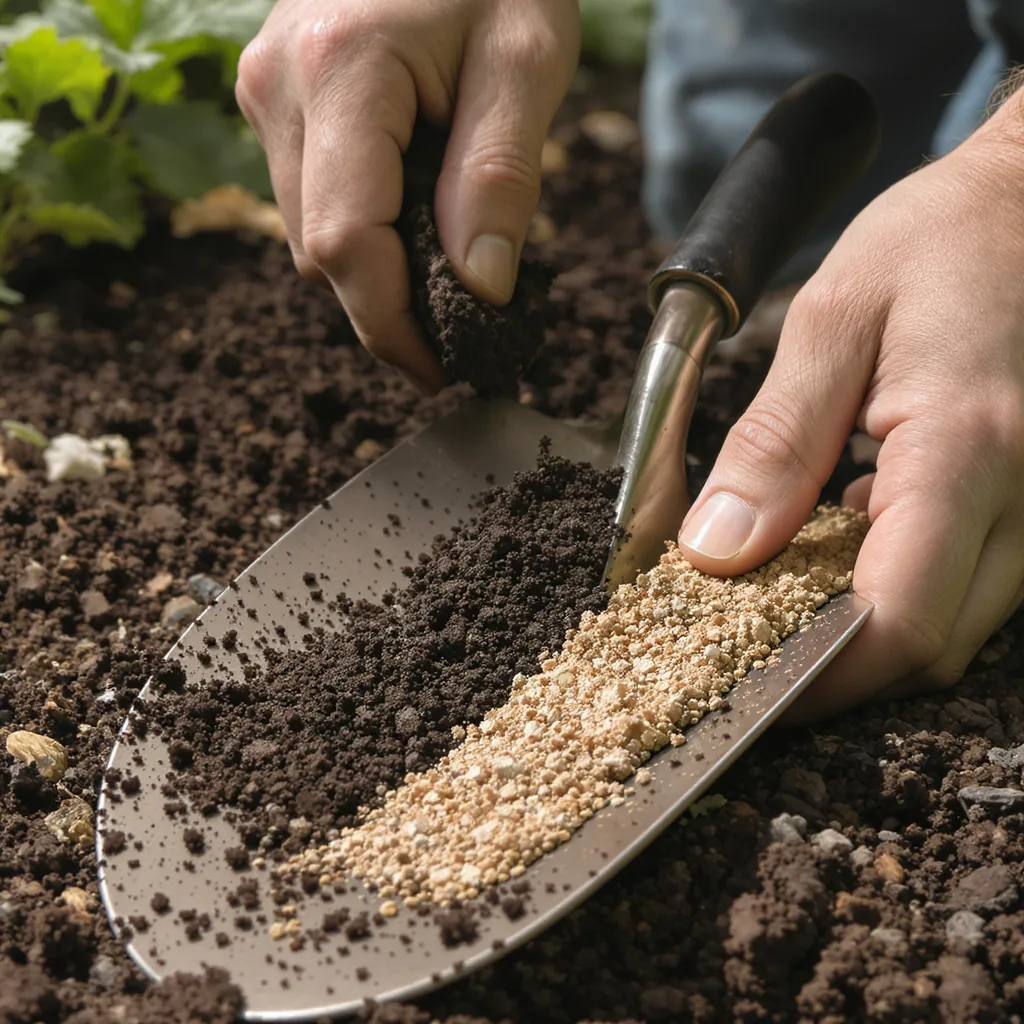
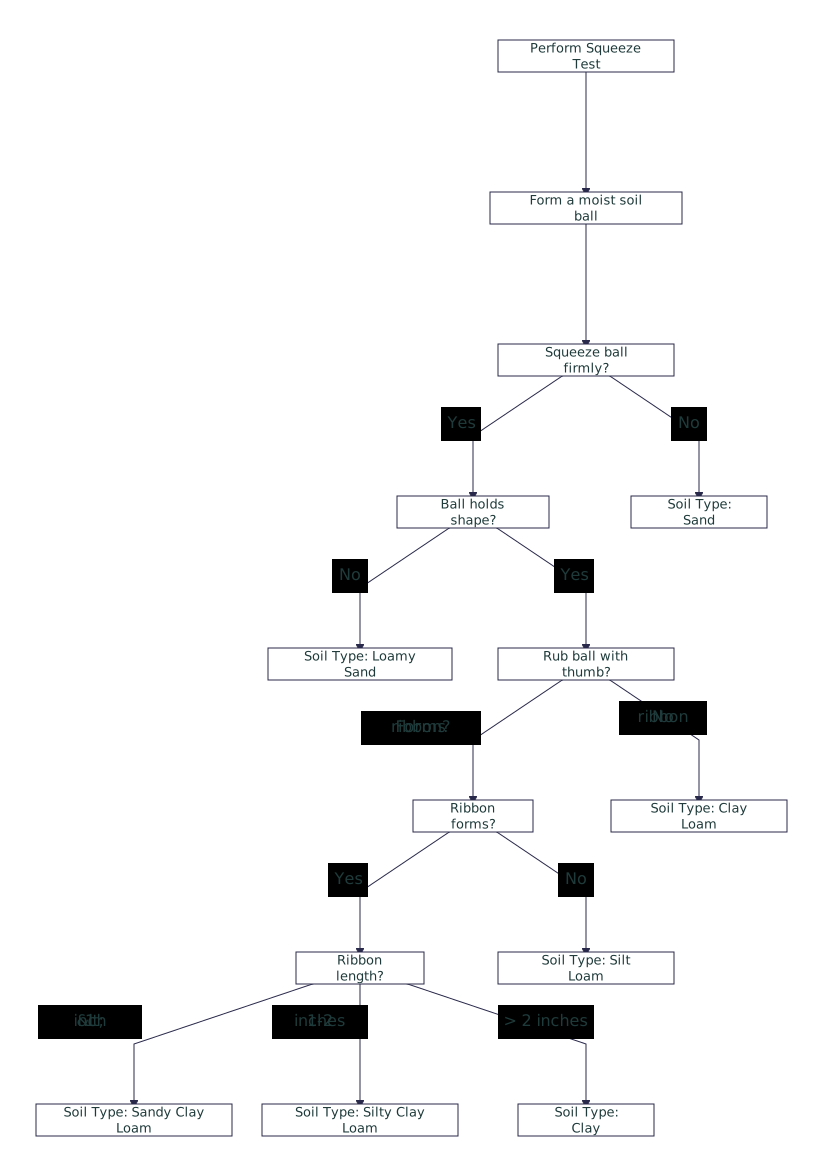
This is the instant, tactile way to test garden soil texture. Moisten a handful of soil until it feels like damp putty—it should hold together but not drip water. Squeeze it firmly in your fist.
- If it forms a tight, slick ball that stains your hand, you’re likely dealing with clay.
- If it barely holds together and feels gritty, that’s a sign of sandy soil.
- If it forms a crumbly ball that holds its shape lightly but breaks apart when poked, congratulations—you probably have loamy soil.
For a more advanced check, try to roll the moist soil into a ribbon between your thumb and forefinger. A long, flexible ribbon indicates clay. A short ribbon that breaks means loam. No ribbon at all points to sand.
Clay, Sandy, or Loamy? Decoding Your Results
Now, match your test observations to one of these three main types. Understanding the pros and cons of each is key for clay soil gardening beginners and anyone comparing loamy soil vs sandy soil.
If Your Soil is Clay…
Characteristics: Sticky when wet, forms hard clods when dry, stains your hands, and drains water very slowly. In the jar test, you’ll see a thick top layer of fine particles.
The Gardener’s View: Clay soil is nutrient-rich but challenging. It warms up slowly in spring, can become waterlogged, and is hard for roots and tools to penetrate. The key is improving its structure to allow air and water to move.
If Your Soil is Sandy…
Characteristics: Feels gritty, won’t form a stable ball, and drains water almost too quickly. In the jar test, you’ll see a dominant, thick layer of sand at the bottom.
The Gardener’s View: Sandy soil is easy to work and warms up fast, but it struggles to retain water and nutrients. Plants may need more frequent watering and feeding. Your goal is to increase its ability to hold onto moisture and fertility.
If Your Soil is Loamy…
Characteristics: The gold standard. It has a dark, crumbly texture that holds a loose ball but breaks apart easily. It feels soft, not sticky or gritty. In the jar test, you’ll see more balanced layers.
The Gardener’s View: Loamy soil offers the ideal balance—good drainage coupled with excellent moisture and nutrient retention. It’s easy to dig and perfect for most plants. Your job is simply to maintain this goodness with regular organic matter.
First Steps After Diagnosis
Don’t worry if your soil isn’t perfect loam. Most gardens aren’t! The real win is knowing what you’re working with so you can improve it. Here are simple, beginner-friendly next steps for each type.
For clay soil, your mission is to “loosen it up.” Mix in generous amounts of coarse compost or well-rotted manure. This adds organic matter that creates air pockets. Some gardeners also use gypsum to help break up heavy clay, but compost is your universal first step. Avoid working clay soil when it’s wet, as this compacts it further.
For sandy soil, your mission is to “build it up.” Again, compost is your best friend. It acts like a sponge, helping the soil retain water and nutrients that would otherwise wash away. Peat moss or coco coir can also help with water retention. Plan to add organic matter more frequently than with other soils.
If you’re lucky enough to have loamy soil, your job is maintenance. Continue to feed it with a layer of compost or mulch each season to replenish organic matter and keep that wonderful structure. You’ve got a fantastic foundation—now just keep it healthy.
Remember, learning how to identify garden soil type is the first and most critical step. Now you can garden with intention, not guesswork.
You’ve Got This—Now Go Garden!
Figuring out your soil type might feel like a small step, but it’s a huge leap for your gardening confidence. You’re no longer working blind. Whether you’re dealing with stubborn clay, thirsty sand, or blessed loam, you now have the knowledge to work with it, not against it.
Take that five-minute test. Feel the soil in your hands. That connection is where every great garden begins. Don’t be discouraged by what you find—even the most challenging soil can be transformed into a thriving garden bed with patience and organic matter. Your gardening journey just got a whole lot clearer.