If you’re searching for the best way to water garden plants, you might be expecting a single, universal rule. But here’s the counterintuitive truth: the most effective method isn’t about a schedule or a specific tool—it’s about where your plant’s roots live. Watering a tomato in a pot, a lettuce mix in a raised bed, and a perennial shrub in the ground are three fundamentally different tasks, each demanding a tailored approach. This guide cuts through the confusion by framing watering as a simple decision tree, starting with your garden’s bed type. By matching your method to your plant’s environment, you’ll promote deeper roots, conserve water, and move beyond the guesswork of a rigid calendar.
The best way to water garden plants is to match your method to your bed type. For containers, water slowly and deeply until it runs out the bottom. For raised beds, use soaker hoses or drip irrigation to penetrate the entire soil volume. For in-ground beds, water less frequently but more deeply to encourage strong root growth. Always check soil moisture before watering.
The Watering Decision Tree: Start With Your Bed Type
Forget searching for a single, universal schedule. The best way to water garden plants isn’t a timer you set; it’s a choice you make based on a simple, critical factor: where your plant’s roots live. Your garden bed type—container, raised, or in-ground—dictates everything about soil volume, drainage speed, and how roots access water. Choosing the wrong proper watering technique for your setup is a fast track to either drowned roots or parched plants.
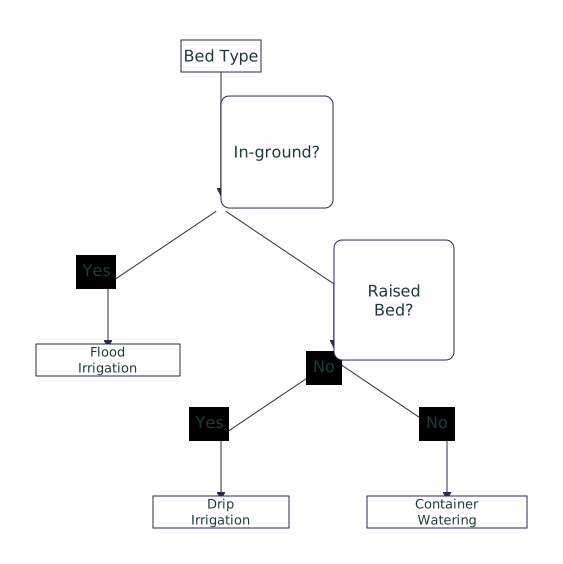
This is your watering decision tree. Start here, identify your bed type, and follow the path to the method that works. It transforms watering from a guessing game into a targeted action. Your first step before any watering session should always be to check soil moisture a few inches down—this simple habit is more valuable than any calendar alert.
Container Plants: Precision Watering for a Confined Space
If your plant is in a pot, you’re managing a tiny, isolated ecosystem. The soil volume is limited, and it dries out remarkably fast, especially in sun or wind. This makes watering container plants an exercise in precision. The goal is to thoroughly rehydrate the entire root ball every time, encouraging roots to grow throughout the pot.
The Deep Watering Method
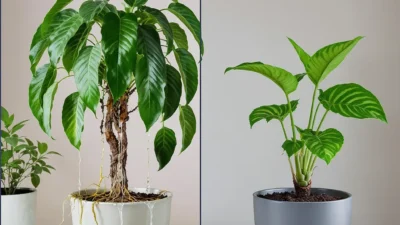
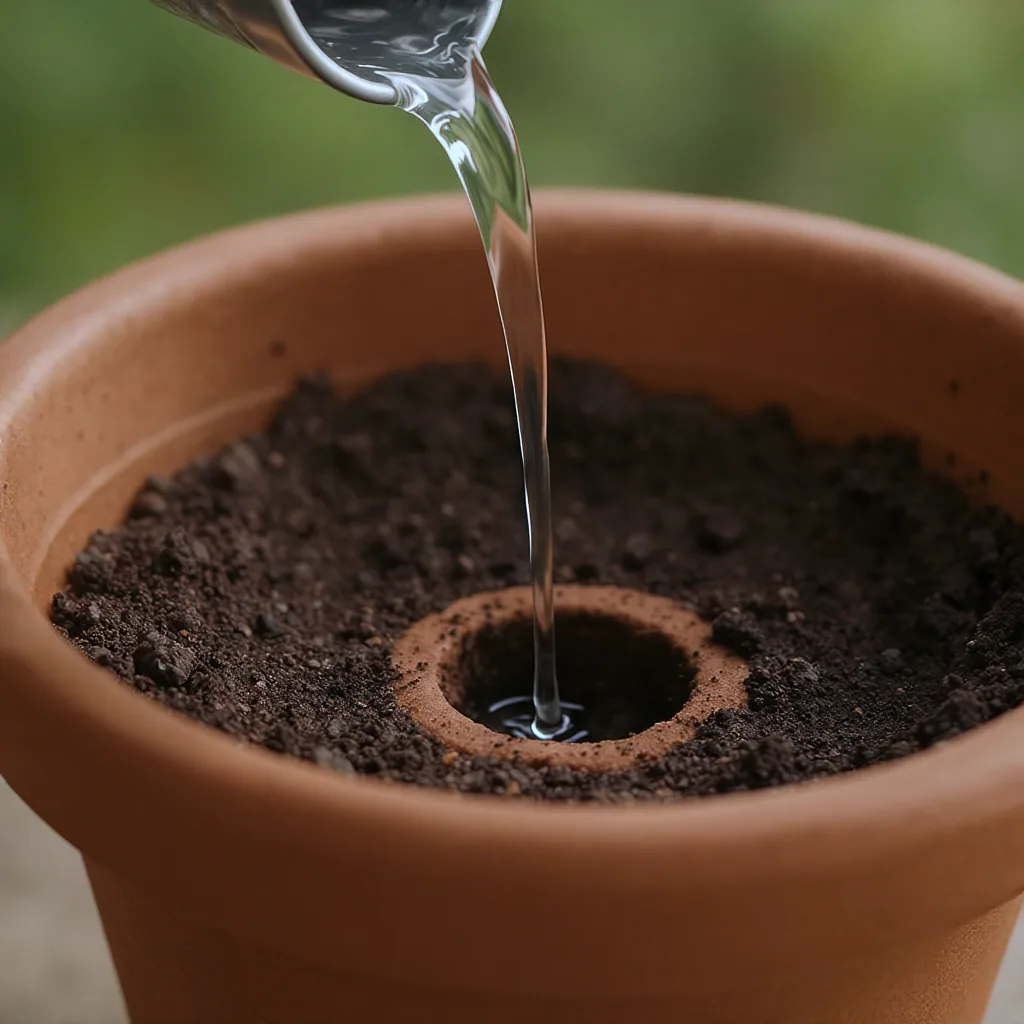
The core technique is simple: water slowly at the soil surface until you see a steady stream of water escaping from the drainage holes. This isn’t a quick splash; pour, wait a moment for the water to absorb, then pour again. This ensures the dense potting mix is fully saturated, not just wet on top. For beginners, the most common mistake is shallow watering, which leaves the lower roots dry and forces them upward.
How to Know When to Water Again
Your container will tell you when it’s thirsty. Heft the pot—a light pot needs water. Or, stick your finger into the soil up to the second knuckle. If it feels dry, it’s time. Pot material matters, too: porous terracotta dries faster than plastic or glazed ceramic. Always, always use pots with drainage holes. Letting containers sit in saucers full of water is an invitation for root rot.
Raised Beds: Balancing Drainage and Deep Moisture
Watering raised beds presents a unique middle ground. They have better drainage than in-ground soil but a larger, deeper soil volume than containers. The challenge is delivering enough water to penetrate the entire bed depth—often 12 inches or more—without massive runoff or evaporation from the surface.
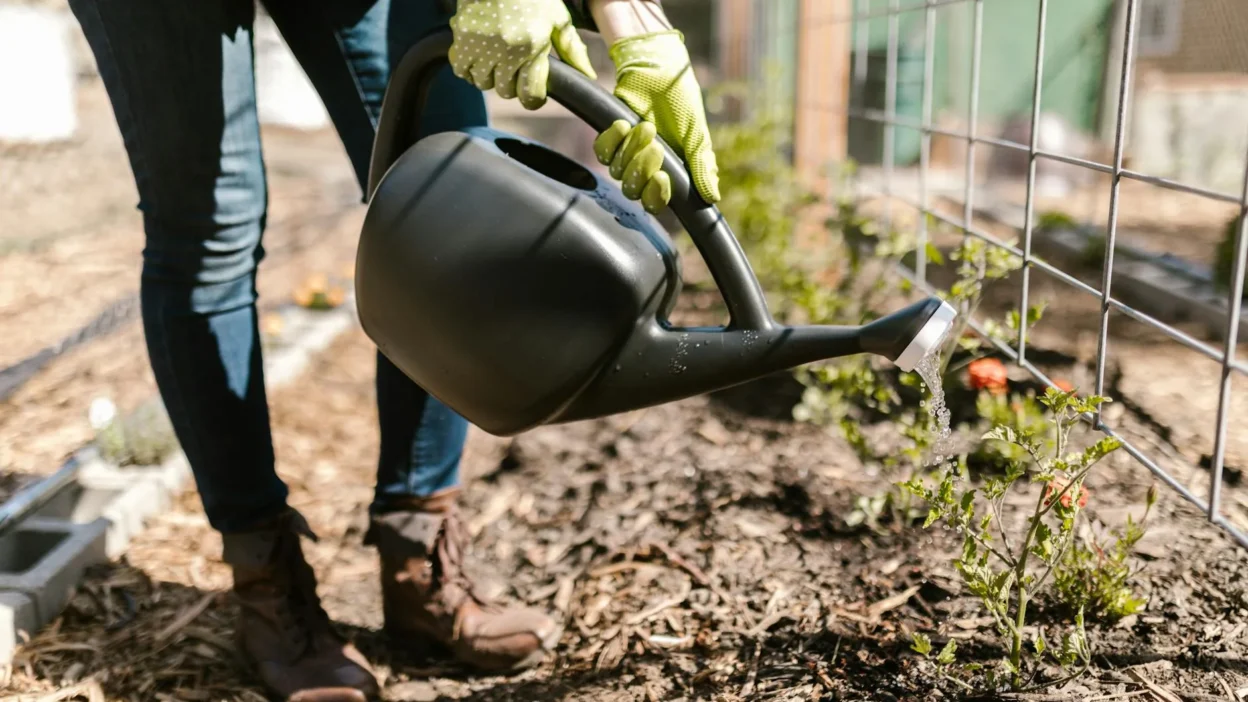
Overhead watering with a sprinkler or wand is often inefficient here. A lot of water is lost to the air, and foliage stays wet, which can promote disease. The more effective approach is a targeted, ground-level soak. A soaker hose or drip irrigation line laid along your rows delivers water directly to the soil, where it can seep downward and sideways to hydrate the entire root zone. It’s a set-and-forget method that provides the deep watering raised beds need.
Making the Choice for Your Beds
Your decision points are bed size, water pressure, and budget. For a small bed, a long, slow soak with a watering wand at the base of plants can work. For larger beds, investing in a soaker hose system saves time and water in the long run. No matter your method, adding a 2-3 inch layer of mulch (like straw or shredded bark) on top of the soil is a game-changer. It dramatically reduces surface evaporation, meaning you water less often.
In-Ground Beds: Training Roots to Seek Water
When your garden is planted directly in the earth, your watering methods for different garden beds shift focus. Here, the primary goal is to encourage deep, resilient root systems. You achieve this by watering less frequently but more deeply. A light daily sprinkle teaches roots to stay lazy and shallow near the surface, where they’re vulnerable to the slightest dry spell.
Instead, provide a long, slow soak that penetrates 6-8 inches into the soil. How do you know you’ve achieved this? Water until the soil is saturated, then wait 30 minutes and dig a small test hole with a trowel. You should feel moist soil at the bottom. The old rule of “one inch of water per week” is a starting point, but your soil type is the real boss. Sandy soil drains fast and needs shorter, more frequent soaks. Clay soil holds water tightly but absorbs it slowly, requiring a very gentle, extended watering to avoid runoff.
This practice of deep watering vs light watering builds drought-tolerant plants. Their deep roots can tap into subsurface moisture reserves long after the topsoil has dried. It’s the cornerstone of a resilient, low-maintenance in-ground garden.
Let Your Garden Guide You
The best way to water isn’t found on a schedule, but in the soil itself. By matching your method to your bed type—precision for containers, deep soaking for raised beds, and infrequent saturation for in-ground plots—you work with your garden’s natural design, not against it. This approach conserves water, fosters stronger roots, and leads to healthier plants with less guesswork.
Your decisive next step? Tonight, go check your soil moisture in one container, one raised bed, and one in-ground spot. Notice the difference. Let that observation, not the calendar, guide your next watering session.