Think of your garden soil as the foundation of your home. If it’s weak, compacted, or imbalanced, nothing you build on top of it—no matter how beautiful the plants—will truly thrive. The frustration of poor drainage, stubborn compaction, or plants that just won’t grow is a common gardener’s lament, but here’s the encouraging truth: “poor soil” is a symptom, not a life sentence. The single best way to improve poor garden soil isn’t a one-size-fits-all miracle cure; it’s a targeted prescription based on your soil’s unique type. This guide cuts through the complexity, explaining the simple science of what makes soil healthy before giving you clear, tailored action plans to transform your patch, whether you’re trying to amend clay soil or improve sandy soil for your plants.
The best way to improve poor garden soil is to first identify your soil type (clay, sandy, loamy, etc.), then amend it with targeted organic materials. For heavy clay, add compost and coarse sand to improve drainage. For sandy soil, incorporate compost and peat moss to boost water and nutrient retention. The universal first step is always adding organic matter to feed the soil ecosystem.
Why ‘Poor Soil’ Is a Symptom, Not a Diagnosis
Think of your garden soil as a living city. Just like a city needs infrastructure, housing, and resources for its citizens, soil needs a balance of five key components to be healthy: minerals (sand, silt, clay), organic matter, air, water, and a bustling community of life (worms, fungi, bacteria). When we say we have “poor soil,” we’re usually describing a symptom caused by an imbalance in these components.
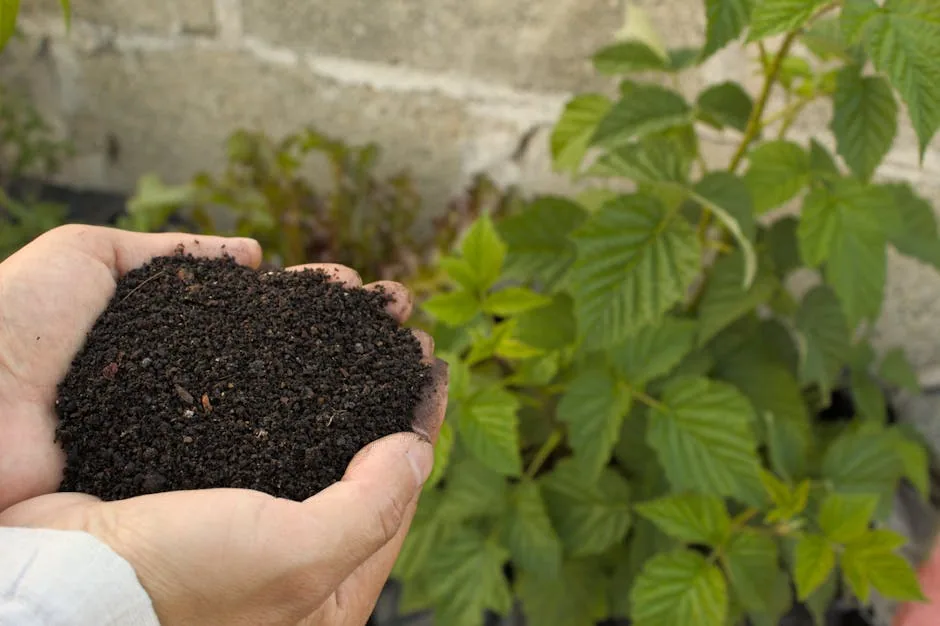
Photo by Juan J. Morales-Trejo on Pexels
The most common symptoms are poor drainage (water pools), low fertility (plants are stunted and yellow), and compaction (soil is hard as a brick). These aren’t random problems—they’re direct clues to your soil’s underlying “texture” (the mineral mix) and “structure” (how those particles are arranged). For example, heavy clay soil has tiny, dense particles that stick together, leading to poor drainage and compaction. Sandy soil has large, loose particles that drain too fast, washing away water and nutrients. To truly enrich poor soil, you must first understand its texture so you can correct the specific imbalance.
The Simple Soil Type Test: Know What You’re Working With
Before you buy a single bag of amendment, spend five minutes on this easy test. It will tell you exactly what you’re dealing with and save you time, money, and effort.
The Jar Test:
- Take a handful of soil from a few inches below the surface in your garden.
- Place it in a clear quart jar, filling it about one-third full.
- Add water until the jar is almost full, then add a pinch of dish soap (to break surface tension).
- Shake vigorously for a minute, then let it settle for 24 hours.
You’ll see distinct layers. Sand (the largest, heaviest particles) settles at the bottom within minutes. Silt forms a middle layer. Clay forms a top layer of fine particles. The relative thickness of each layer reveals your soil’s primary texture. Alternatively, the “ribbon test” is quick: moisten a ball of soil and try to press and pinch it into a ribbon between your thumb and forefinger. A long, flexible ribbon indicates high clay content. Soil that feels gritty and won’t hold a shape is sandy.
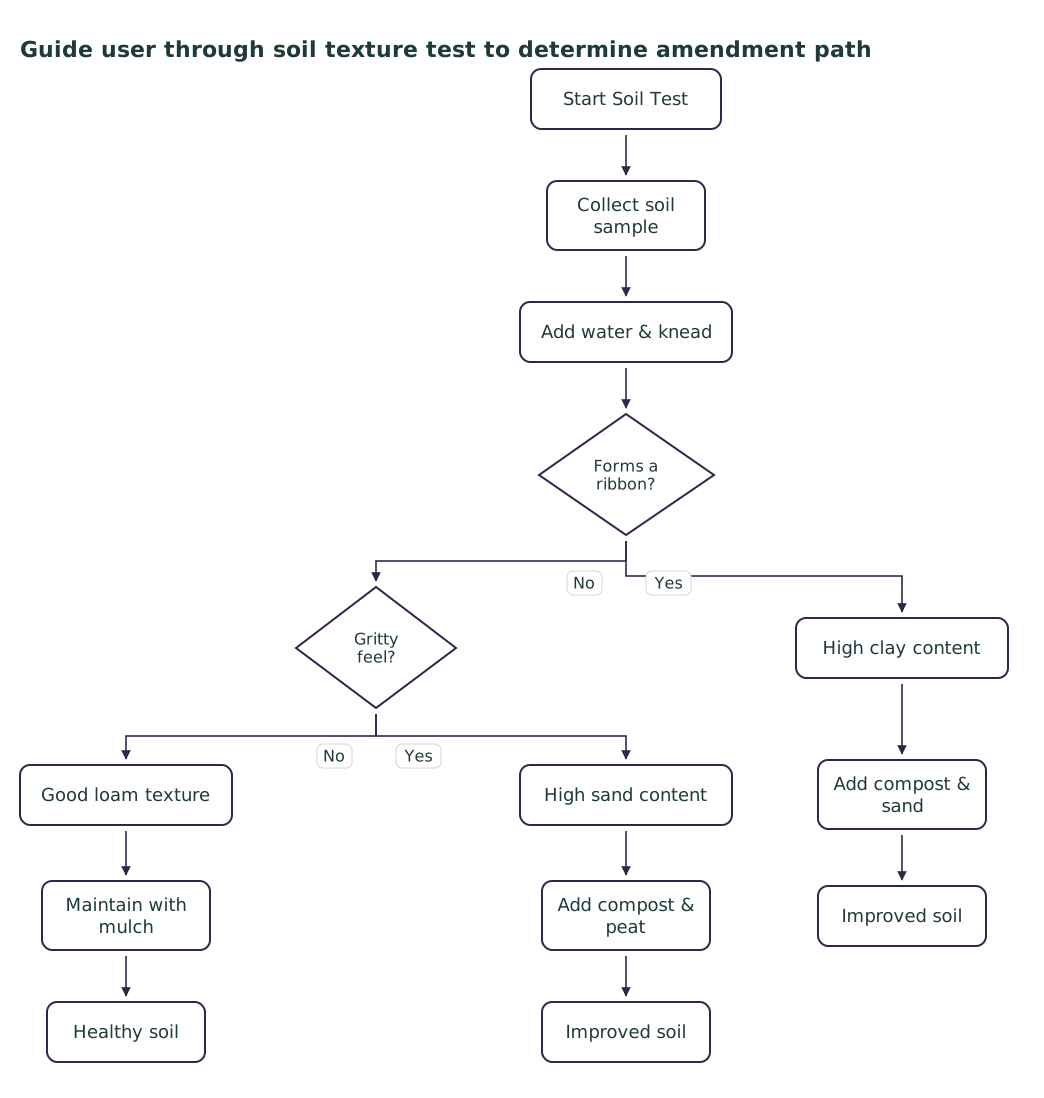
This test is your essential first step. Knowing whether you need to amend clay soil or improve sandy soil for plants dictates your entire action plan.
Your Tailored Action Plan (By Soil Type)
Now for the practical part. Here are specific checklists to fix bad garden soil based on your test results. Remember, these are starting points—soil rehabilitation is an ongoing process.
For Heavy, Poorly-Draining Clay Soil
Your goal is to break up the dense, sticky particles to let in air and water. Adding sand alone can create a concrete-like mix; organic matter is the key.
- Add generous amounts of compost. Work in 2-3 inches of finished compost across the entire bed. This is your number one task to improve soil structure and feed microbes.
- Incorporate coarse grit. For severely compacted areas, mix in a 1-inch layer of coarse sand (builder’s sand, not play sand) or fine pea gravel along with the compost.
- Consider gypsum. In some regions, gypsum (calcium sulfate) can help clay particles clump into better crumbs without altering pH. Apply according to package directions.
- Use cover crops. Plant deep-rooted daikon radishes or annual ryegrass in the off-season. Their roots create channels that naturally aerate and break up compacted layers.
- Never work clay soil when wet. Tilling or even walking on wet clay destroys its structure and worsens compaction.
For Fast-Draining, Low-Nutrient Sandy Soil
Your goal is to help the soil hold onto water and nutrients long enough for plant roots to access them.
- Pile on the organic matter. Sandy soil needs even more compost than clay—aim for 3-4 inches worked in annually. This builds fertility and creates a “sponge” effect.
- Add moisture-retaining amendments. Mix in well-rotted manure, peat moss (or a more sustainable alternative like coconut coir), or leaf mold. These materials hold many times their weight in water.
- Mulch heavily. A 3-inch layer of straw, wood chips, or shredded leaves on the soil surface is non-negotiable. It conserves moisture, cools roots, and slowly adds organic matter as it breaks down.
- Fertilize lightly and often. Because nutrients leach out quickly, consider using slow-release organic fertilizers or more frequent, diluted liquid feeds.
For Silty or Generally “Tired” Soil Low in Organic Matter
This soil may feel smooth and hold water okay but compacts easily and lacks vitality. The universal fix is a massive boost of organic life.
- Make compost your best friend. Add 2-3 inches of compost every planting season without fail.
- Aerate without tilling. Use a broadfork to gently loosen soil and create air pockets without inverting and damaging the soil ecosystem.
- Grow green manures. Sow cover crops like clover or buckwheat. Turn them into the soil before they seed, or simply cut and let them lie as mulch (“chop and drop”). They add free, homegrown organic matter.
- Embrace no-till methods. Layer compost and mulch right on top of the soil. Let earthworms and microbes do the work of incorporating it, which preserves soil structure and fungal networks.
The Universal Rule: Feed the Soil, Not Just the Plants
No matter your soil type, the single most effective thing you can do is consistently add organic matter. Compost isn’t just a fertilizer; it’s the primary food for the soil food web—the bacteria, fungi, and earthworms that are the true engineers of healthy soil. They build stable aggregates (good structure), retain moisture, and make nutrients available to plants.
This is your long-term soil amendment guide. Beyond one-time fixes, adopt these ongoing practices:
- Mulch every bed, every year. It suppresses weeds, conserves water, and slowly decomposes into compost.
- Rotate your crops. Different plants use and contribute different nutrients, helping to maintain balance.
- Avoid chemical salt-based fertilizers when possible. They can harm microbial life and, in excess, contribute to salt buildup and compaction. Organic options feed the soil life as well as the plants.
By focusing on building a thriving ecosystem below the surface, you create a resilient foundation that makes your garden easier to manage and more productive year after year.
Your Soil Improvement Journey Starts Now
Improving your garden’s foundation might feel daunting, but remember: even the most experienced gardeners started with a simple jar test. You now have a clear, tailored plan. The most important step is the first one—identifying your soil type. From there, adding organic matter and following your specific checklist will set you on the right path.
Be patient. Soil building is a gradual process, not a weekend miracle. You might not see dramatic above-ground results in the first season, but below the surface, a whole world is waking up. With consistent care—a layer of compost here, a blanket of mulch there—you’ll gradually transform that poor, struggling soil into a rich, living, and productive resource. Your plants will show their gratitude with deeper roots, stronger growth, and better harvests. You’ve got this.