You’ve nurtured your seedlings for weeks under gentle lights, and now they’re finally ready for the garden. You stand there, tray in hand on a warm afternoon, the sun beating down, and a nagging question arises: is this the best time of day to transplant seedlings, or are you about to doom them to a withering fate? That moment of hesitation is the mark of a thoughtful gardener. Getting the timing right isn’t just a minor detail—it’s a critical, simple hedge against transplant shock that gives your plants the best possible start. The good news is that decades of gardening experience and simple plant physiology point to a clear, reliable protocol. By following a few straightforward rules about when to plant seedlings outside, you can turn that hopeful uncertainty into confident action and watch your garden thrive.
The best time of day to transplant seedlings is in the late afternoon or early evening. This allows plants to settle into their new home during the cooler night hours, avoiding the midday sun’s stress and giving them time to recover before the next day’s heat. The one crucial exception is for cool-season crops like lettuce and kale, which can handle—and even prefer—being planted on a cool, cloudy morning. Regardless of the clock, this timing is most effective when combined with proper hardening off and soil preparation for true transplant shock prevention.
The Golden Rule: Why Late Afternoon Wins
So, why is late afternoon or early evening the optimal planting time for seedlings? It all comes down to giving your plants a gentle transition. Transplanting is stressful; you’re disturbing roots, changing their environment, and exposing tender leaves to new light and wind levels. The midday sun amplifies this stress dramatically, forcing seedlings to lose water through their leaves (transpiration) faster than their disturbed roots can replace it. The result is often severe wilting, or worse, a failure to recover.
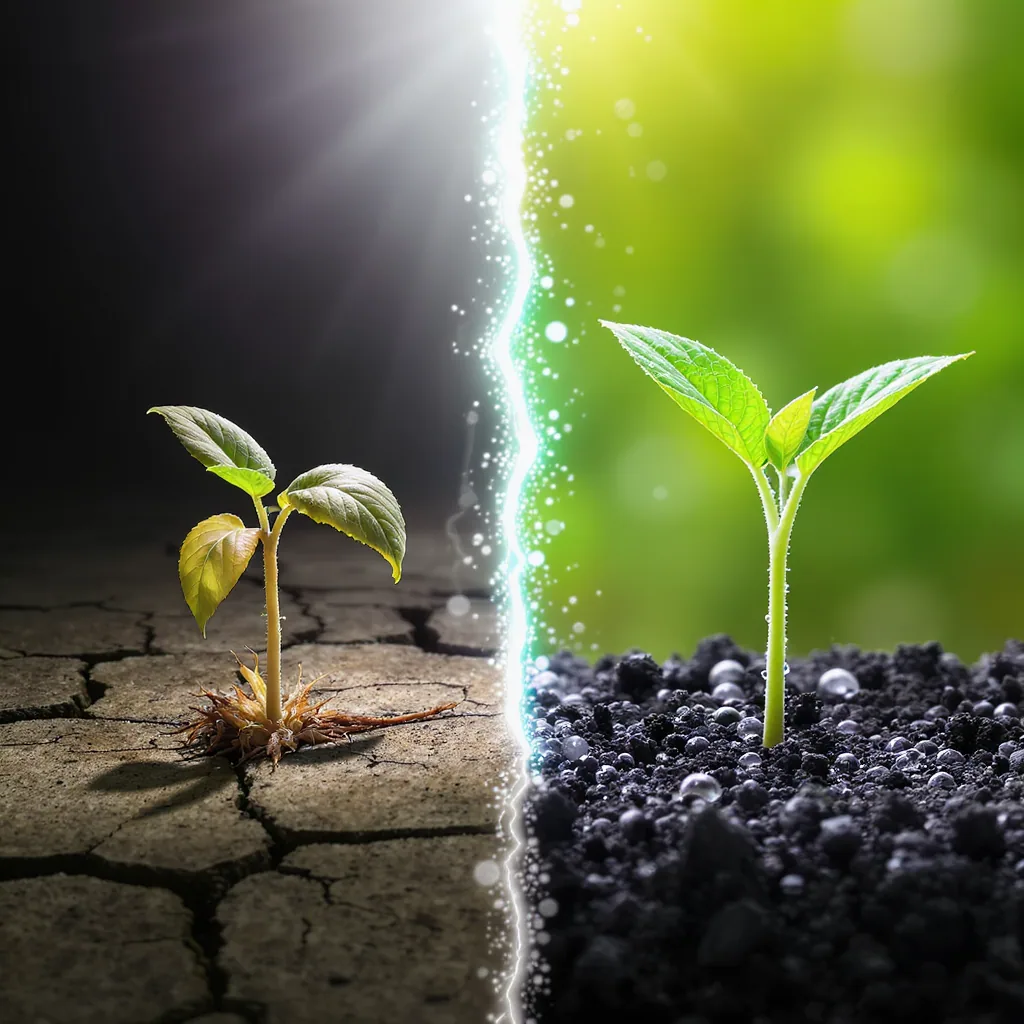
By transplanting in the cooler, calmer hours of late day, you provide a critical overnight recovery period. The plant can focus its energy on establishing new roots in the moist soil without the immediate threat of scorching heat. Watering them in well at this time ensures the root zone is perfectly prepared. By the time the sun rises the next morning, your seedlings have had several hours to start acclimating, making them far more resilient. This simple timing shift is one of the most effective methods for transplant shock prevention.
The One Crucial Exception: Cool-Season Crops
Every good rule has an exception, and here it is: cool-season vegetables. If you’re figuring out when to plant seedlings outside for crops like lettuce, spinach, kale, broccoli, cabbage, peas, and radishes, the “evening only” rule relaxes. These plants not only tolerate but often thrive in cooler conditions. A hot afternoon sun can be just as stressful for them as it is for tomatoes.
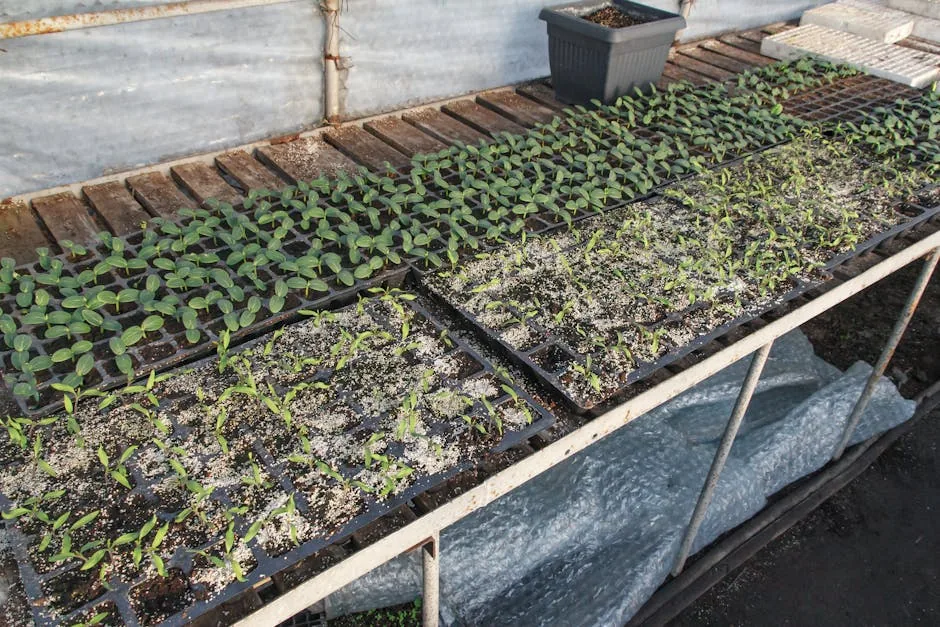
Photo by Aleksander Dumała on Pexels
For these, your ideal transplanting window is on a cloudy, overcast day—morning or afternoon. If you only have a sunny day, definitely stick to the late afternoon rule. The goal remains the same: avoid exposing freshly transplanted, cool-loving seedlings to intense heat. This nuanced approach ensures your lettuce doesn’t bolt and your kale stays sweet.
Your Pre-Planting Checklist (Beyond the Clock)
Perfect timing is useless if the plant itself isn’t ready. Think of your transplanting seedlings to garden mission as a multi-step protocol where “when” is the final step. Before you even look at the clock, run through this list.
1. Harden Off Absolutely
This non-negotiable week-long process of gradually exposing indoor seedlings to outdoor conditions is the foundation of success. Skipping it will likely undo any benefit of perfect timing.
2. Check the Weather Forecast
Look at the next 48 hours. Ideal conditions are mild, with no extreme heat, strong winds, or heavy rain in the forecast. Transplanting before a stretch of calm, cloudy weather is a gardener’s secret weapon.
3. Prepare the Soil & Water Well
Have the planting hole ready and the surrounding soil moist. The moment the seedling goes in, water it in thoroughly with a gentle stream to settle the soil around the roots and eliminate air pockets. This “watering in” is part of the timing event itself.
When to Hit Pause: Red Flags for Bad Planting Days
Sometimes, the best action is to wait, even if it’s the “perfect” time of day. Your seedling transplant schedule should be flexible. If you encounter any of these red flags, give your plants another day indoors or in the hardening-off area:
Extreme Heat: If the day is forecast to be unusually hot (often above 85°F/29°C for most crops), the stress will be immense. Wait for a cooler day.
High Winds: Wind can physically damage tender stems and dry out plants incredibly fast. A calm day is essential.
Imminent Storms: Heavy, pounding rain can damage plants and waterlog the soil, making it difficult for new roots to breathe.
The Seedling Itself Looks Stressed: If it’s already wilted from the hardening-off process or underwatered, it has no reserves to handle transplant shock. Water it, let it recover fully, and try tomorrow. Patience here saves plants.
Timing is Your Simple Advantage
Choosing the best time of day to move your seedlings is a straightforward, powerful tactic that stacks the odds in their favor. It’s not about superstition, but about leveraging cooler, gentler conditions to minimize stress. Remember the core protocol: late afternoon for most crops, with extra care for cool-season lovers, and always after proper hardening off.
Ultimately, this timing rule is a hedge against the unknown. Combine it with your prepared soil, a careful eye on the forecast, and the willingness to pause when conditions aren’t right. Your reward isn’t just survival, but vigorous plants that establish quickly and get a head start on a productive season. Trust that instinct to wait when something feels off—your garden will thank you for it.