Staring at a wall of seed packets and trays of young plants at the garden center, it’s easy to feel overwhelmed. As a new gardener, you’re probably asking yourself: “Should I start everything from seed to save money, or just buy seedlings to be safe?” This is the classic beginner’s dilemma, and the answer isn’t one-size-fits-all. The truth is, trying to start every plant from seed can lead to frustration and disappointment, while buying all your plants can get expensive and limit what you can grow. This guide is here to bust the myths and give you a clear, practical plan. We’ll break down the best plants to start from seed for beginners—the fast, forgiving, and foolproof ones—and highlight which crops are smarter to buy as established seedlings, setting you up for a successful and joyful first season.
Here’s how to decide what to start from seed as a beginner: prioritize plants that germinate quickly and are easy to handle, like leafy greens, beans, and root vegetables. For crops that need a long, warm growing season or are tricky to transplant, like tomatoes, peppers, and eggplants, you’re better off buying young plants from a garden center. This strategy maximizes your early success while you learn the basics of seed starting.
The Biggest Myth About Starting from Seed
Many new gardeners believe one simple rule: starting from seed is always cheaper and more rewarding than buying plants. It’s a compelling myth. A packet of seeds costs a few dollars and promises dozens of plants, while a single seedling might cost three or four dollars. The math seems undeniable.
But here’s the reality for a beginner: the true cost isn’t just the price on the packet. It’s your time, your indoor space, and your success rate. Beginner-friendly seed starting requires a basic setup (lights, trays, seed-starting mix), consistent attention (watering, thinning), and weeks of patience before you even get to plant something outside. For slow-growing crops, this process can stretch over months.
The key is to shift your thinking from “always cheaper” to “best value for my situation.” For some plants, seeds offer incredible value and are surprisingly easy. For others, buying beginner vegetable starts is a smart investment that buys you time, guarantees a plant, and lets you skip the most finicky early stages. Your goal in your first season isn’t to master every skill at once, but to get a harvest that builds your confidence.
Your Beginner’s Checklist: What to Start from Seed
Focusing on easy plants to grow from seed is the secret to early wins. These are the champions—they germinate quickly, are hardy, and often dislike being transplanted anyway. Starting these from seed is cost-effective and deeply satisfying.
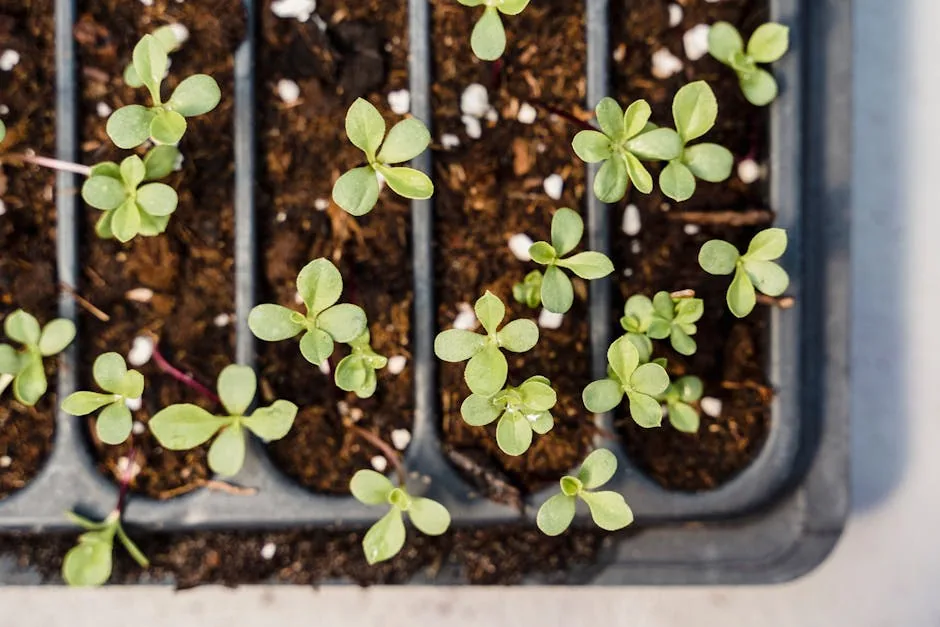
Photo by Greta Hoffman on Pexels
Direct-Sow Champions (Plant right in the garden)
These seeds thrive when planted directly where they’ll grow. They’re perfect for the instant gratification of fast-growing seeds for beginners.
- Radishes: The ultimate beginner crop. Seeds sprout in days, and you’re harvesting crunchy roots in as little as a month.
- Beans & Peas: Large, easy-to-handle seeds that push through the soil with vigor. They establish strong roots best when sown directly.
- Leafy Greens (Lettuce, Spinach, Arugula): Sow a small patch every few weeks for a continuous “cut-and-come-again” harvest all season.
- Zucchini & Summer Squash: These are prolific growers. Just a seed or two will produce more than enough for a family, making them very cost-effective from seed.
Easy Indoor Starters (A gentle introduction to seed trays)
If you want to try starting seeds indoors, begin with these forgiving candidates. They transplant well and grow quickly.
- Basil: Germinates reliably and grows fast on a sunny windowsill. You’ll get many plants for the price of one supermarket pot.
- Dill & Cilantro: Similar to basil, these herbs are straightforward from seed and don’t need a long head start.
- Sunflowers: Large seeds, fast growth, and huge smiles. They’re a fantastic confidence-builder for kids and adults alike.
The Smart Buys: Plants Better as Seedlings
This is where buying easy seedlings for beginners becomes a brilliant strategy, not a compromise. For certain crops, the seedling stage is the bottleneck. Purchasing these as young plants from a garden center gives you a massive head start and dramatically increases your chance of success.
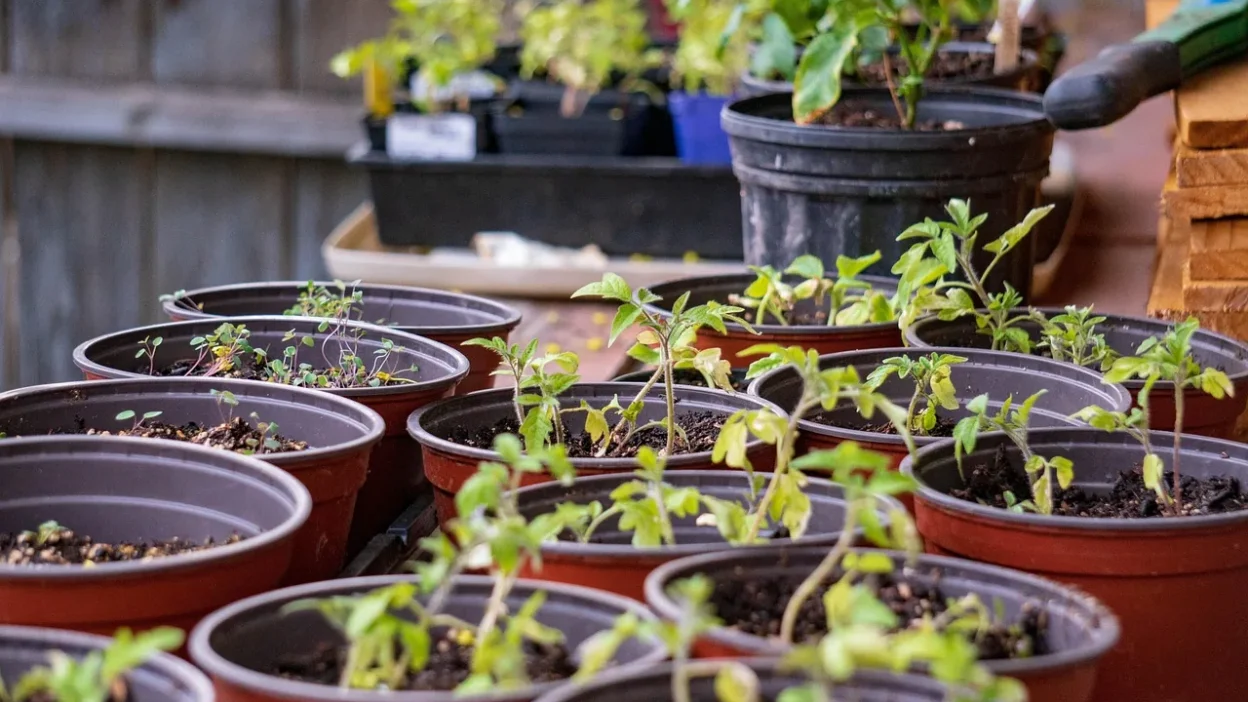
The common thread for these beginner vegetable starts is that they need a long, warm growing season to produce their fruit. In many climates, if you start them from seed outdoors when it’s warm enough, they won’t have time to mature before frost. Starting them indoors requires 8-10 weeks of dedicated care under lights—a big ask for a first-timer.
Top Candidates to Buy as Seedlings
- Tomatoes, Peppers, & Eggplants: These are the classic examples. They are slow to germinate and grow, and they crave heat. Buying a sturdy, well-started seedling in May puts you weeks, if not months, ahead.
- Broccoli, Cauliflower, & Cabbage: These cool-season crops can be tricky to time from seed. A garden center sells them at the perfect stage for transplanting in spring or late summer.
- Perennial Herbs (Rosemary, Thyme, Oregano): These are slow growers from seed. Buying one small plant gives you an instant, established herb that will come back year after year.
Think of it this way: you’re outsourcing the most difficult, equipment-intensive phase of growing these plants to a professional nursery. This lets you focus your learning energy on the easier vegetables to start from seed, while still enjoying a full, diverse harvest.
Making Your Final Plan: A Simple Framework
Now, how do you apply this to your own garden? Use this simple three-question framework to decide on your personal mix of seeds and seedlings.
1. What’s your timeline and space? If you have a sunny windowsill or a simple grow light and don’t mind the wait, try a few indoor herbs or flowers. If you’re starting late or have no indoor space, lean more heavily on direct-sow seeds and purchased seedlings.
2. What do you love to eat? Let your plate guide you. If you eat salads daily, prioritize lettuce seeds. If you dream of homemade salsa, plan to buy tomato and pepper seedlings. This ensures your garden brings you joy.
3. What’s your goal for the season? Is it to learn the seed-starting process, or is it to guarantee a harvest? There’s no wrong answer. A balanced approach is often best: start some easy seeds for the learning experience and buy a few key seedlings for a surefire harvest.
Your final plan might look like this: Direct-sow a row of radishes and beans, plant a few lettuce seeds in a pot, start some basil on the windowsill, and buy two tomato plants and a rosemary start. This mix gives you quick wins, learning opportunities, and reliable results—the perfect recipe for a successful first garden.
Start Smart, Grow Confidently
Gardening is a journey of learning, not a test you have to pass on the first try. The seed vs seedling for new gardeners decision isn’t about right or wrong; it’s about choosing the path that sets you up for enjoyment and success. By starting a few easy seeds and strategically buying seedlings for the more demanding crops, you create a garden that’s both rewarding and manageable.
This balanced approach saves you potential frustration and ensures you get to experience the magic of harvesting something you grew yourself. That first crunchy radish or sun-warmed tomato will build the confidence to try more next year. Your first garden is just the beginning—so give yourself permission to start smart and have fun with it.