You’ve picked out your seeds, you’ve bought your tools, and you’re ready to dig in. But here’s the counterintuitive truth that most first-time gardeners miss: the single biggest factor in your success or frustration won’t be your soil or your seeds—it will be your garden’s location. Choosing the wrong spot is a foundational error that no amount of watering or weeding can fully correct. This is why understanding where to put a beginner garden is your most critical first decision. Forget aesthetics for a moment; your plants have three non-negotiable, physical needs that your chosen spot must provide: abundant sun, protection from harsh wind, and easy access to water. Get these three constraints right from the start, and you set the stage for a rewarding and productive season, turning a potential chore into a genuine joy.
The best place for a beginner garden is a sunny, level spot that’s protected from harsh winds and close to a water source. Prioritize at least six hours of direct sunlight and easy access for watering and maintenance. A location you pass by daily will also help you stay on top of weeding and harvesting, making your first foray into gardening much more manageable and successful.
The Three Non-Negotiable Constraints for Your Garden Site
Photo by Greta Hoffman on Pexels
Choosing the best garden spot for beginners isn’t about finding the prettiest corner of your yard. It’s about solving for three physical constraints that your plants can’t negotiate with: Sun, Wind, and Water. Get these right, and you’ve solved 80% of the challenges for your first garden.
1. Sun Exposure: The Non-Negotiable Fuel
Sunlight is the engine of your garden. Most vegetables and flowering plants need a minimum of 6 hours of direct, unfiltered sunlight per day to thrive. This is the single most important factor in garden location sun exposure. Less than that, and plants become leggy, produce few fruits, and are more susceptible to disease. Think of it as the primary job requirement for your garden spot.
2. Wind Exposure: The Silent Stressor
Constant, strong wind is a beginner’s hidden enemy. It physically damages plants, dries out soil incredibly fast, and can make tender seedlings struggle to establish. An ideal garden location is protected from prevailing winds, perhaps by a fence, a shed, or a line of shrubs. If your only option is an open area, planning for a windbreak becomes a top priority.
3. Water Access: The Logistics of Life
Plants need consistent water, especially when they’re young. The perfect sunny, sheltered spot loses its appeal if it’s 100 feet from your nearest hose bib. Carrying watering cans that far gets old fast. Proximity to a water source isn’t just a convenience—it’s the difference between consistent watering and neglect. Your garden’s location must make the chore of watering as effortless as possible.
Common Beginner Mistakes in Garden Placement (And How to Avoid Them)
It’s easy to fall in love with a spot for the wrong reasons. Here are the most frequent missteps people make when choosing a garden site for beginners, and what to do instead.
Mistake: Prioritizing Aesthetics Over Sun
The Mistake: Picking a spot because it looks nice or is near a patio, even though it’s shaded by a tree or house for most of the day.
The Better Choice: Let the sun map dictate your location. A sunny patch in the middle of the lawn is a far better beginner vegetable garden location than a shaded corner garden bed. You can always make a sunny spot look nice later.
Mistake: Ignoring the Wind Tunnel
The Mistake: Planting in an alley between buildings or on an exposed hilltop where wind whips through constantly.
The Better Choice: Observe on a breezy day. Feel for calm areas. If you must use a windy spot, factor in the cost and installation of a temporary windbreak (like burlap on stakes) from day one.
Mistake: Forgetting the Water Haul
The Mistake: Choosing the far back corner of the yard because it’s out of the way, without a plan for getting water there.
The Better Choice: Measure the distance from your water source. If it’s more than 25-30 feet, seriously consider investing in a long hose and a hose reel before you plant a single seed. Your future self will thank you.
Mistake: The “Out of Sight, Out of Mind” Spot
The Mistake: Tucking the garden where you won’t see it daily from a common window or path.
The Better Choice: Place it where you’ll walk by it regularly. Daily visibility means you’ll notice a pest problem early, see when it needs water, and remember to harvest that zucchini before it turns into a baseball bat.
Your 15-Minute Yard Assessment Walkthrough
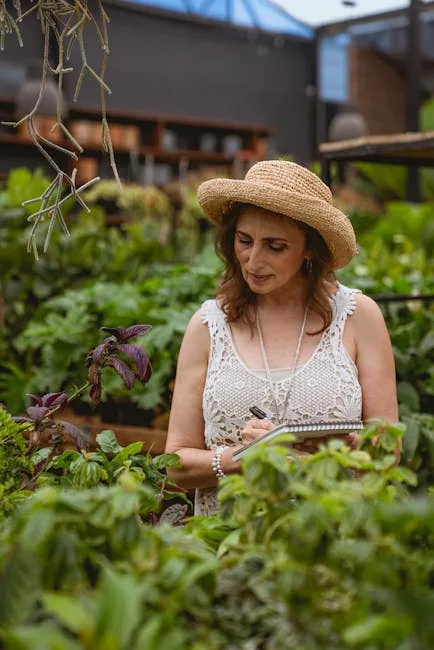
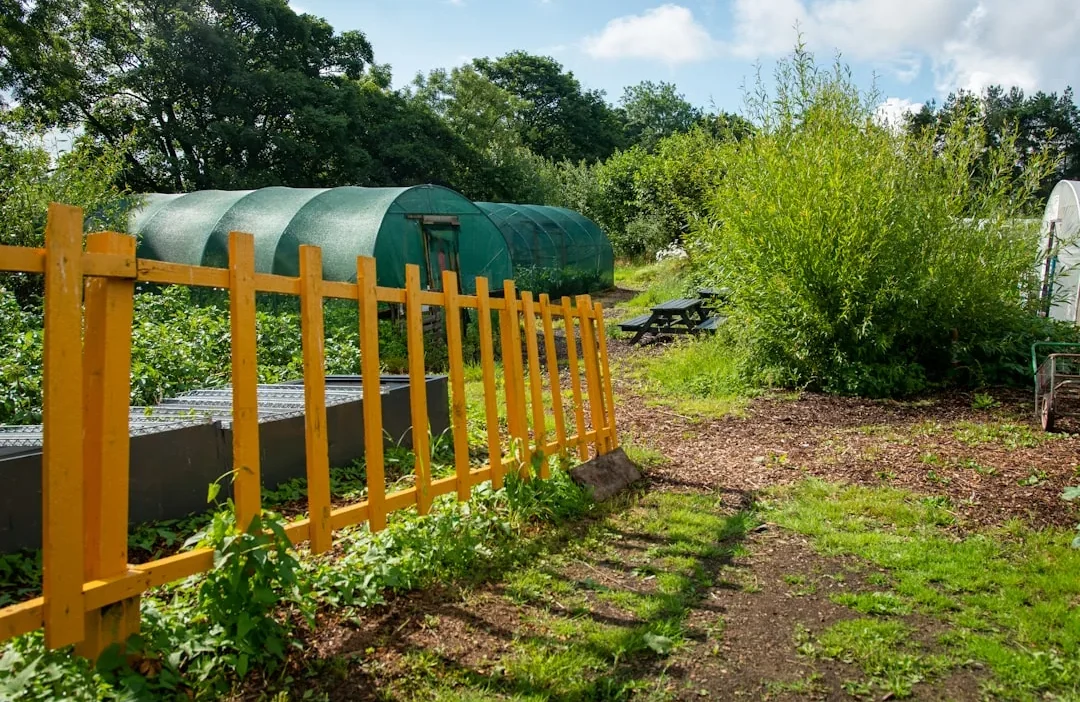
Photo by Los Muertos Crew on Pexels
Grab your phone and a notebook. Right now, or this weekend, take this quick walkthrough to find your best spot. This is the practical work of assessing your yard for a garden.
- Observe the Sun (Do this over 2 days): On a sunny day, note where the sun hits at 9 AM, 12 PM, and 3 PM. Draw a simple map. Areas with sun at all three times are gold. You can also use a free sun-tracking app like Sun Surveyor to help visualize the path.
- Check for Wind: On a breezy day, walk your potential spots. Feel where the wind is strongest and where it’s calm. Look for natural windbreaks like fences or hedges.
- Locate Water Sources: Find all outdoor spigots. Mentally trace how a hose would run to your sunny spots. Is the hose long enough? Are there obstacles?
- Evaluate the Ground: Is the area relatively level? A steep slope will cause water runoff and erosion. Is the soil workable, or is it pure rock or clay? (For beginners, raised beds or containers can solve poor soil).
- Consider Access & Convenience: Can you easily get to the spot with a wheelbarrow? Is there a path? Will you see it from your kitchen window? The easier it is to access, the more you’ll tend to it.
By the end of this, you’ll have a clear front-runner for your ideal garden placement.
What If Your Space Isn’t Perfect? Practical Workarounds
Few of us have the perfect, south-facing, gently-sloping, wind-protected patch right next to the faucet. Don’t despair. Here’s how to adapt to common limitations.
Limited Sun (4-6 hours, or dappled shade)
This is a classic urban/suburban challenge. Instead of fighting for tomatoes, choose plants suited to partial shade. Leafy greens (lettuce, spinach, kale), herbs like mint and parsley, and root vegetables (beets, radishes) can perform well with less sun. You can also use reflective materials (like white-painted boards) to bounce available light onto plants.
Very Windy Balcony or Yard
Create artificial protection. Use lattice panels, sturdy trellises planted with quick-growing vines, or even a row of large, sturdy potted plants (like dwarf evergreens) to block the wind. For container gardens, grouping pots together creates a microclimate that reduces wind exposure for all of them.
Water Source Is Far Away
Invest in infrastructure. A long, high-quality hose on a reel is the simplest fix. For a more permanent solution, consider installing a rain barrel downspout near your garden to capture free water. Drip irrigation kits that connect to your spigot can also be laid once and will deliver water directly to plant roots with minimal waste.
The key is to identify your biggest constraint (sun, wind, or water) and choose your plants and garden setup to work with it, not against it. This flexible thinking is the mark of a savvy gardener.
Your Garden’s Success Starts With This One Decision
Finding the right best garden spot for beginners isn’t a mysterious art—it’s a practical exercise in observation and logistics. You now have the simple framework: chase the sun, shelter from the wind, and stay close to the water. More than any seed packet or fertilizer, this foundational choice sets the tone for your entire growing season.
So, take that next decisive step. Don’t just think about it. This weekend, or even today if the sun’s out, take your 15-minute assessment walk. Stand in your yard, feel where the sun is warmest, and imagine your garden there. That single act of choosing the right location is the most powerful thing you can do to ensure your first garden is a source of pride, not frustration. Now, go find your spot.