If you’re new to gardening, you might think the biggest question is “how often to water garden plants.” It’s a natural place to start, but here’s the counterintuitive truth that changes everything: watering isn’t really about frequency. It’s about soil moisture. Obsessing over a rigid schedule—watering every Tuesday, for instance—is one of the most common beginner mistakes and can lead to more harm than good, from drowned roots to parched plants. The real skill, the core of all beginner watering basics for garden plants, is learning to observe and respond to what your garden actually needs. This guide will shift your focus from the calendar to the soil, transforming watering from a confusing chore into a simple, consistent practice. It’s less about complex rules and more about developing a feel for your plants, a skill anyone can learn with a little patience and these foundational techniques.
The most important beginner watering basic is to water deeply and less often, encouraging strong roots. Always check soil moisture an inch down with your finger before watering any plant. If it feels dry, water slowly at the base until the root zone is thoroughly soaked, then allow the excess to drain. This “check, don’t guess” approach is far more reliable than any preset schedule.
Your 5-Minute First-Time Watering Checklist
Let’s skip the theory and get your hands dirty. Before you worry about schedules or rules, follow this simple checklist the next time you head out to water. It’s your basic plant watering guide for that very first session.
- Check the soil with the finger test. Push your finger about an inch into the soil near the plant’s stem. If it feels dry, it’s time to water. If it feels damp or cool, wait. This is the single most important step for watering plants correctly.
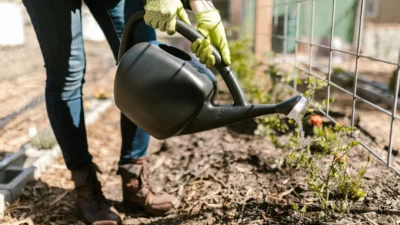
- Water slowly at the base. Aim your hose or watering can at the soil around the plant, not the leaves. A gentle, steady stream is perfect. This is how to water outdoor plants effectively, getting moisture to the roots where it’s needed.
- Soak the root zone. Keep watering until the soil is moist several inches down. A good sign is when water begins to pool slightly on the surface, then soaks in within a few seconds. You’re giving the roots a long drink.
- Let excess water drain. If you’re watering in a container, stop once you see water running out of the drainage holes. For garden beds, just ensure the water has soaked in and isn’t creating a muddy puddle.
- Make a quick mental note. Note the date and how the weather felt (hot/sunny, cool/cloudy). Don’t set a rigid schedule, but this helps you start to learn your garden’s rhythm for the next time you wonder how often to water garden plants.
The One Rule That Changes Everything: Water Deeply
If you remember only one thing from these garden watering fundamentals, let it be this: water deeply and less often. This is the core principle that separates thriving plants from struggling ones.
Think of it like this: giving a plant a light sprinkle every day is like just wetting its lips. The roots have no reason to grow downward, so they stay lazy and shallow near the surface. Shallow roots mean a weak, thirsty plant that wilts at the first sign of heat.
In contrast, a deep, thorough soak encourages roots to chase the moisture down into the soil. This creates a deep, extensive root system that makes your plant resilient, drought-tolerant, and far healthier. It’s the difference between creating a dependent child and a self-sufficient adult.
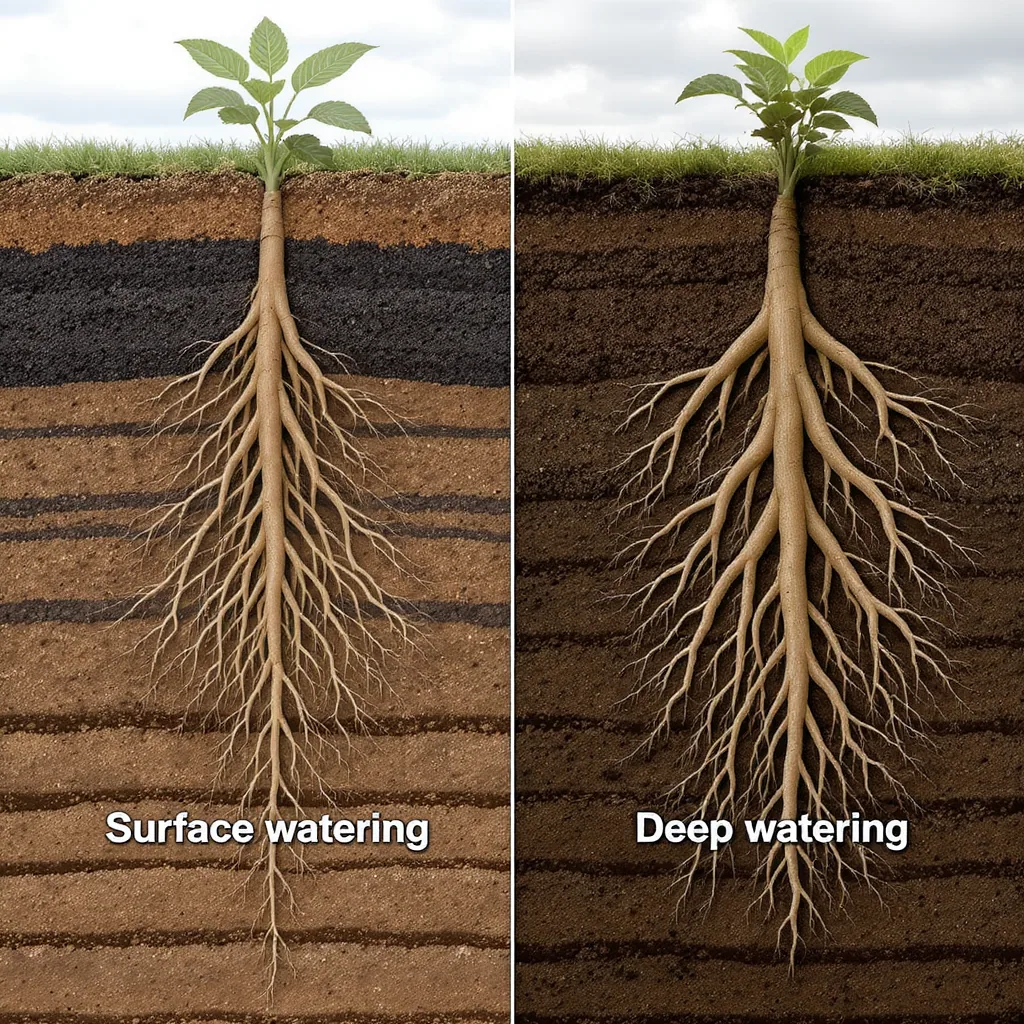
This method is why a rigid daily schedule often fails. You might be keeping the top inch damp, but the real root zone is parched. For more on how root development affects plant health, resources from university extension services, like this one from the University of Minnesota Extension, offer excellent, science-backed guidance.
How to Actually Know When Your Plants Are Thirsty
Forget the calendar. Your plants will tell you when they need water—you just need to learn their language. This is the art of watering plants correctly: observation over assumption.
The universal tool is the finger test mentioned in the checklist. But beyond that, look for these signs:
Visual and Tactile Cues
Soil Appearance: Dry soil often looks lighter in color and may pull away from the edges of a container or crack. Moist soil is darker. Don’t just judge the very top; scratch the surface a little.
Leaf Behavior: Some plants, like tomatoes or hydrangeas, will dramatically wilt in the afternoon sun but perk back up by evening. This is normal. If they’re still wilted in the morning or cooler evening, that’s a true cry for water. Limp, dull leaves are another sign.
Pot Weight: For container plants, lift the pot. A dry pot is surprisingly light, while a watered one has heft. This is a quick, reliable check once you get the feel for it.
Reading Your Plants’ Signals
Here’s a common scenario: Your morning glory looks sad and droopy at noon on a hot day. Before you panic-water, check the soil. If it’s still moist an inch down, the plant is just conserving energy. Wait and see if it recovers in the evening. This patience prevents overwatering. The real question isn’t “how often to water garden plants” on a schedule, but “what is the soil moisture telling me right now?”
Watering Do’s and Don’ts for Common Beginner Blunders
Let’s make it simple. Here are the key practices to adopt and the pitfalls to avoid. Stick to these, and you’ll sidestep most common watering problems.
DO:
- Water in the early morning. This gives plants time to drink up before the heat of the day, and wet leaves have time to dry, reducing disease risk.
- Always check soil moisture first. Make “check, don’t guess” your mantra. It’s the foundation of proper watering techniques.
- Focus water at the base of the plant. Target the root zone, not the foliage.
- Use mulch. A 2-3 inch layer of organic mulch (like wood chips or straw) over your soil dramatically reduces evaporation, keeps roots cooler, and means you’ll water less often.
DON’T:
- Water leaves in full sun. Water droplets can act like tiny magnifying glasses and scorch leaves. It’s also inefficient, as much water evaporates before reaching the soil.
- Rely on a light rain shower. A brief rain may only wet the dust. After rain, do the finger test to see if moisture actually penetrated the root zone.
- Assume daily watering is necessary. This is the fastest route to overwatering and root rot. Let the soil dry out a bit between drinks.
- Use a harsh, powerful spray. This can damage delicate plants, wash away soil, and compact the earth. Gentle is best.
Adjusting for Your Garden’s Unique Needs
The “basics” are your starting point, but a great gardener adapts. Your specific conditions will tweak the rules. Here’s how to adjust your approach for common variables.
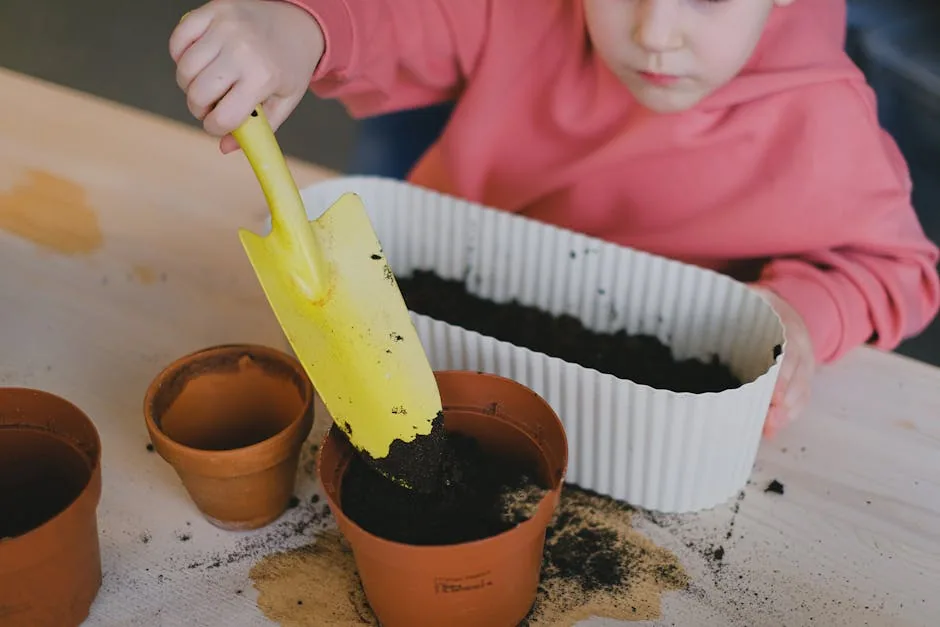
Photo by Anna Shvets on Pexels
Soil Type is a Game Changer
Sandy Soil: Drains very fast. You’ll need to water more frequently, but with less volume each time to avoid waste. Think “little and often.”
Clay Soil: Holds water tightly and drains slowly. Water much less frequently, and apply water slowly so it has time to soak in rather than run off. Think “deep and infrequent” with a slow trickle.
Plant Type Matters
Vegetable Gardens & Annuals: These are typically heavy feeders and drinkers, especially when fruiting or flowering. They often need more consistent moisture.
Established Shrubs & Perennials: Once their roots are established (usually after the first season), they are more drought-tolerant and thrive on the “deep and infrequent” method.
Container Plants: They dry out fastest of all. In hot weather, small pots might need water daily, sometimes even twice. Always, always check the soil moisture for container garden hydration.
Weather and Sun Exposure
A hot, windy, sunny week will dry soil out much faster than a cool, cloudy, calm one. Plants in full sun need more water than the same plant in shade. Your watering schedule for new gardeners isn’t a schedule at all—it’s a responsive practice that changes with the forecast and the seasons.
You’ve Got This
Watering is a skill, not a test you can fail. It’s learned in the garden, not from a page. You will overwater a plant. You will underwater one. Every gardener has. The goal isn’t perfection; it’s consistent, attentive care.
Start with the checklist. Practice the finger test until it becomes second nature. Observe how your plants and soil respond after you water. This connection—between you, the soil, and the plant—is the heart of gardening. Trust that with a little practice, you’ll develop a feel for it. Your confidence will grow right along with your plants.
Let’s recap the core pillars of watering garden for beginners:
1. The Deep Watering Principle: Water thoroughly and less often to encourage deep, strong roots. This builds resilient plants.
2. The “Check, Don’t Guess” Rule: Always test soil moisture an inch down with your finger before watering. Your plants and soil will tell you what they need.
3. Adapt to Your Conditions: Adjust your approach based on your soil type (sandy vs. clay), what you’re growing (veggies vs. perennials), and the weather. Containers need extra attention.
Now, take a deep breath, grab your watering can, and go try the checklist. Your garden is waiting.