You’ve decided to start a garden. The excitement is real—visions of lush greenery and homegrown tomatoes dance in your head. Then, you walk into a garden center or scroll through an online shop, and the sheer wall of options hits you: aisles of tools with bewildering names, shelves of potions, and a creeping anxiety that you’ll buy the wrong thing, do the wrong thing, and watch your hopeful new plants wither. This overwhelm, followed by the frustration of solving preventable problems, is what stops many beginner gardens before they even begin. But here’s the secret: successful gardening isn’t about having every gadget or being a plant genius. It’s about building a simple, effective system. This guide cuts through the noise to show you how a core set of beginner gardening tools, paired with a straightforward maintenance habit, creates a foundation that prevents most common issues. We’ll move you from staring anxiously at drooping leaves to enjoying the quiet confidence of a gardener who knows what to do.
Beginner gardening success is built on a simple system: start with just five essential tools, clean and store them properly after every use, and spend 10 minutes each week proactively checking your plants for early signs of trouble. This habit-first approach to garden maintenance basics prevents most common beginner garden problems before they escalate, turning what feels like a complex chore into a manageable, enjoyable routine.
The 5 Essential Tools Every New Gardener Actually Needs
Forget the overwhelming aisles. You don’t need a shed full of gear to start. A successful beginner gardening toolkit is built on just five core hand tools that cover 90% of your tasks. Investing in decent quality here means they’ll last for years, making your garden maintenance basics much easier.
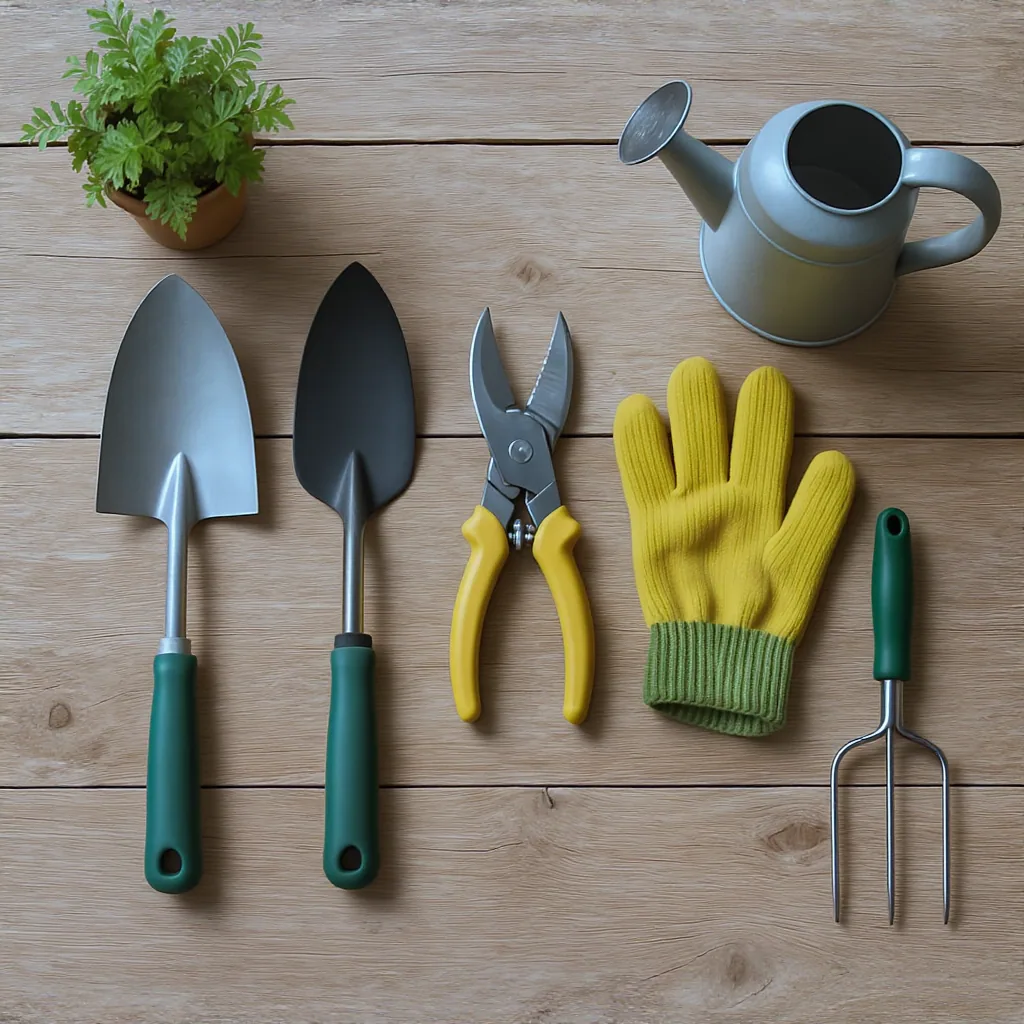
The Non-Negotiable Starter Kit
- A Hand Trowel: This is your garden’s MVP. Use it for planting, transplanting, and digging small holes. Look for one with a sturdy, stainless steel blade that won’t bend and a comfortable, ergonomic handle.
- Bypass Pruners (Secateurs): For cleanly cutting stems and small branches. “Bypass” pruners work like scissors, making a clean cut that heals quickly on the plant. This is the one tool where “buy once, cry once” truly applies—a quality pair from a brand like Fiskars or Felco will stay sharp and last decades.
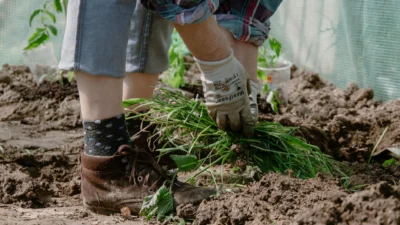
- A Good Pair of Gloves: Protect your hands from thorns, splinters, and dirt. Choose a flexible, breathable material that still offers some durability. A snug fit gives you better dexterity.
- A Watering Can with a Rose (or a Hose with a Gentle Nozzle): Gentle, targeted watering is key. A “rose” is the removable sprinkler head that mimics rain, perfect for seedlings and containers. If you have a larger space, a hose with an adjustable spray nozzle is essential.
- A Hand Fork or Weeder: This tool is your primary weapon against weeds and for loosening soil in tight spaces. A “hand fork” has several tines, while a “weeder” often has a forked tip. Either one will save your back and your plants.
Your First Garden Maintenance Kit: The Extras That Save Time
Beyond the core tools, a few simple items complete your beginner gardening tools and maintenance system. Think of these as “friction reducers”—they make your routine so easy you’ll actually stick to it, preventing problems before they start.
A simple 5-gallon bucket becomes your mobile workstation for carrying weeds, tools, or harvest. A kneeling pad saves your knees during longer sessions. A ball of garden twine and a pack of plant labels help you support floppy plants and remember what you planted where. The most powerful item, however, is a simple notebook or dedicated garden journal. Use it to jot down planting dates, what varieties thrived, and what you saw during your weekly checks. This record turns guesswork into knowledge, helping you spot patterns and learn from each season.
The 10-Minute Weekly Garden Check: Your Problem Prevention Habit
The secret to a thriving garden isn’t hours of weekend labor; it’s consistent, gentle observation. Establish a simple weekly walk-through, perhaps with your morning coffee. This habit is the core of proactive garden maintenance basics and your best defense against common beginner garden problems.
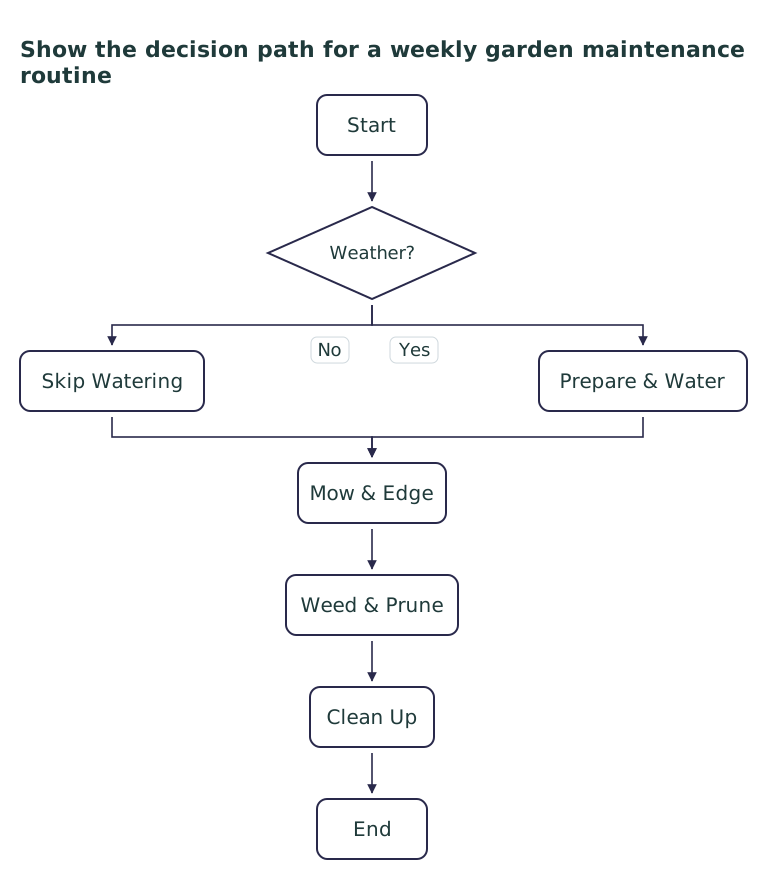
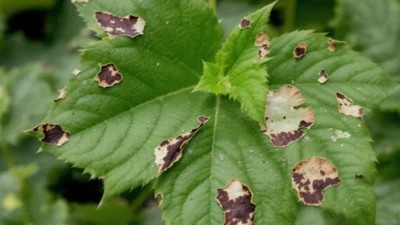
Here’s what to do on your walk: First, check the soil. Stick your finger an inch deep. Is it dry? Time to water. Is it soggy? Hold off. Next, inspect the leaves—top and bottom. Look for discoloration, unusual spots, or tiny holes. Then, look for pests like aphids (small green or black bugs) or caterpillars. Finally, note the growth. Are plants getting taller? Are flowers forming? This isn’t a search for disaster; it’s a quiet audit of your garden’s health.
Imagine it’s a calm Saturday. You notice a tomato plant’s lower leaves are slightly yellow. Because of your weekly check, you catch it early. You check your journal, see you watered heavily three days ago, and realize it might be overwatering, not a nutrient issue. You adjust, and the plant recovers. Without the routine, you might have missed it until the whole plant was struggling.
How to Clean and Store Your Tools (So They Last for Years)
Your tools are an investment. A two-minute cleaning habit after each use extends their life for years and is a critical part of how to maintain garden tools properly. Dirty tools can spread disease between plants, and rusty, dull tools make every job harder.
Do: Knock off excess soil with a brush or putty knife after use. Wipe blades with a rag dipped in rubbing alcohol to disinfect, especially after cutting diseased plant material. Dry all metal parts thoroughly before storing. Lightly oil hinges and blades at the end of the season to prevent rust.
Don’t: Don’t leave tools caked in mud outside. Don’t put them away wet. Don’t force pruners through branches too thick for them—this damages the blade alignment. Don’t neglect sharpening; a few passes with a sharpening stone on your pruners once a season keeps them cutting cleanly.
Reading Your Plants: Early Warning Signs You Can Spot
Your plants communicate. Learning their basic signals turns your weekly check from a casual glance into an informed diagnosis. Here are the most common signs and what they typically mean.
Wilting: This is the classic cry for help, but it has two opposite causes. Wilting in dry soil means the plant needs water. Wilting in wet, soggy soil often means overwatering has damaged the roots, preventing them from taking up water—a classic beginner mistake.
Yellow Leaves: Yellowing, especially on older leaves, can signal overwatering or a nutrient deficiency (often nitrogen). If new growth is yellow, it might need iron. Your first step is always to check your watering habits before adding fertilizer.
Leggy Growth: If seedlings or houseplants grow tall, thin, and stretched out with lots of space between leaves, they are “legging” for more light. They need a sunnier spot.
Chewed or Holey Leaves: This is a clear sign of pests. Inspect the undersides of leaves for caterpillars, beetles, or slugs. Identifying the culprit is step one before choosing a response.
Seasonal Shifts: Adjusting Your Routine Through the Year
Your simple system of tools and checks is a year-round framework, but it adapts with the seasons. This rhythm is the heart of seasonal garden maintenance.
Spring: The focus is on planting and preparing beds. Your trowel and weeder are in constant use. Weekly checks monitor new seedlings for pests and moisture.
Summer: Routine shifts to watering, consistent weeding, and harvesting. Your weekly check is crucial for spotting heat stress or thirsty plants.
Fall: Time for cleanup. Remove spent plants to reduce disease carryover. It’s also the ideal season for sharpening tools, cleaning your gear, and making notes in your journal about what worked.
Winter: For many, this is a planning and tool maintenance phase. Organize your shed, repair tool handles, and use your journal to plan next year’s garden. This reflective time is what makes you a better gardener each year.
Common Beginner Mistakes (And How to Sidestep Them Completely)
Every gardener makes mistakes—it’s how we learn. The beauty of a proactive system is that it helps you avoid the most common pitfalls entirely. Here’s how your new tools and routine provide the solution.
Overwatering: This is the #1 plant killer. The Sidestep: Your weekly soil finger-check prevents this. You water only when needed, not on a rigid schedule.
Planting in Poor Soil: Sticking a plant in hard, nutrient-poor dirt sets it up to struggle. The Sidestep: Your hand fork and trowel are used to loosen soil and mix in compost at planting time, giving roots a great start.
Ignoring Plant Spacing: Crowded plants compete for light and air, leading to disease. The Sidestep: Read the tag and respect the spacing. Your pruners can later thin out seedlings if you accidentally over-sow.
Using Dull Tools: Crushing stems instead of cutting them invites disease. The Sidestep: Your seasonal tool maintenance ensures sharp, clean cuts that heal fast.
Panic Spraying Every Bug: Not all insects are bad. The Sidestep: Your weekly pest inspection lets you identify the culprit. Often, a strong spray of water from your hose nozzle is enough to dislodge aphids, preserving beneficial insects.
When to Expand Your Toolkit: Smart Next Steps
As your garden grows or your confidence blooms, you might need a few more tools. The key is to expand intentionally based on your actual needs, not just a shopping list. Let your garden tell you what it requires.
If you find yourself struggling to turn over soil in a new bed or dig deep holes for perennials, then consider a digging spade or garden fork.
If you find yourself needing to prune branches thicker than your finger, then consider a pair of loppers for that extra leverage.
If you find yourself wanting a versatile tool for weeding, cutting roots, and planting bulbs, then consider a hori-hori knife (Japanese soil knife).
If you find yourself spending too much time watering, then consider a soaker hose or a simple drip irrigation kit to automate the task. Let your experience guide your purchases, and you’ll build a thoughtful, effective toolkit over time.
Building a Garden That Grows With You
Starting a garden can feel like a leap into the unknown, but it doesn’t have to be. By focusing on a simple system—a handful of reliable tools, a brief weekly check-in, and basic tool care—you replace anxiety with a sense of capable stewardship. This approach to beginner gardening tools and maintenance isn’t about perfection; it’s about consistent, gentle care.
Remember, every seasoned gardener was once a beginner who killed a plant or two. The difference is that they learned to listen, to observe, and to build habits that support life. Your garden is a living, learning space. Start small, be kind to yourself, and enjoy the process. With this foundation, you’re not just growing plants; you’re growing your confidence and joy in one of life’s most rewarding hobbies.
To build a successful and enjoyable first garden, focus on this three-part system:
- Tool Foundation: Start with just five essential tools—a trowel, bypass pruners, gloves, a watering can with a rose, and a hand fork. Quality over quantity here saves money and frustration in the long run.
- The Weekly Habit: Establish a 10-minute weekly garden check. Walk through, feel the soil, inspect leaves for pests or discoloration, and note growth. This proactive observation is your strongest defense against common problems.
- The Care Loop: Clean your tools after use, dry them, and store them properly. This two-minute habit keeps them effective for years and prevents the spread of disease between your plants.
Keep a simple journal to track your observations. Start with this system, trust the process, and watch your garden—and your green thumb—flourish.