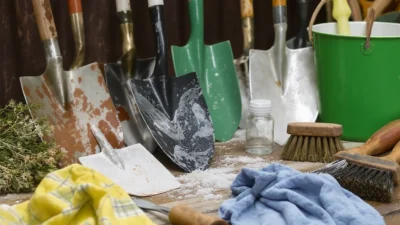
Staring at the endless wall of tools at the garden center or scrolling through hundreds of online listings, feeling completely paralyzed about what to buy first? You’re not alone. The sheer number of options—from specialized Japanese knives to giant powered tillers—can make starting your first garden feel overwhelming before you’ve even touched the soil. The good news is that you don’t need a shed full of equipment to grow beautiful plants. In fact, buying too much too soon is a common beginner mistake that wastes money and storage space. This essential beginner gardening tool list cuts through the noise to give you a simple, pared-down checklist of the only five or six items you truly need to get started. We’ll focus on the basic hand tools for gardening that will handle 90% of your tasks, helping you invest in quality where it counts and skip the gimmicks so you can spend less time shopping and more time growing.
To start your first garden, you only need a few key hand tools: a sturdy hand trowel for planting, a pair of bypass pruners for cutting, a garden fork for weeding and loosening soil, a watering can with a rose, and a good pair of gloves. Focus on quality for these essentials before buying anything else. With just this core set, you can successfully plant, maintain, and nurture a new garden.
The Core 5: Your Non-Negotiable Starter Kit
Photo by Ling App on Pexels
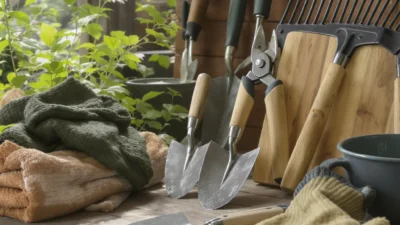
Forget the overwhelming aisles. To handle 90% of tasks in a new garden, you only need these five basic hand tools for gardening. Invest in quality here, and you’ll build a foundation that lasts for years.
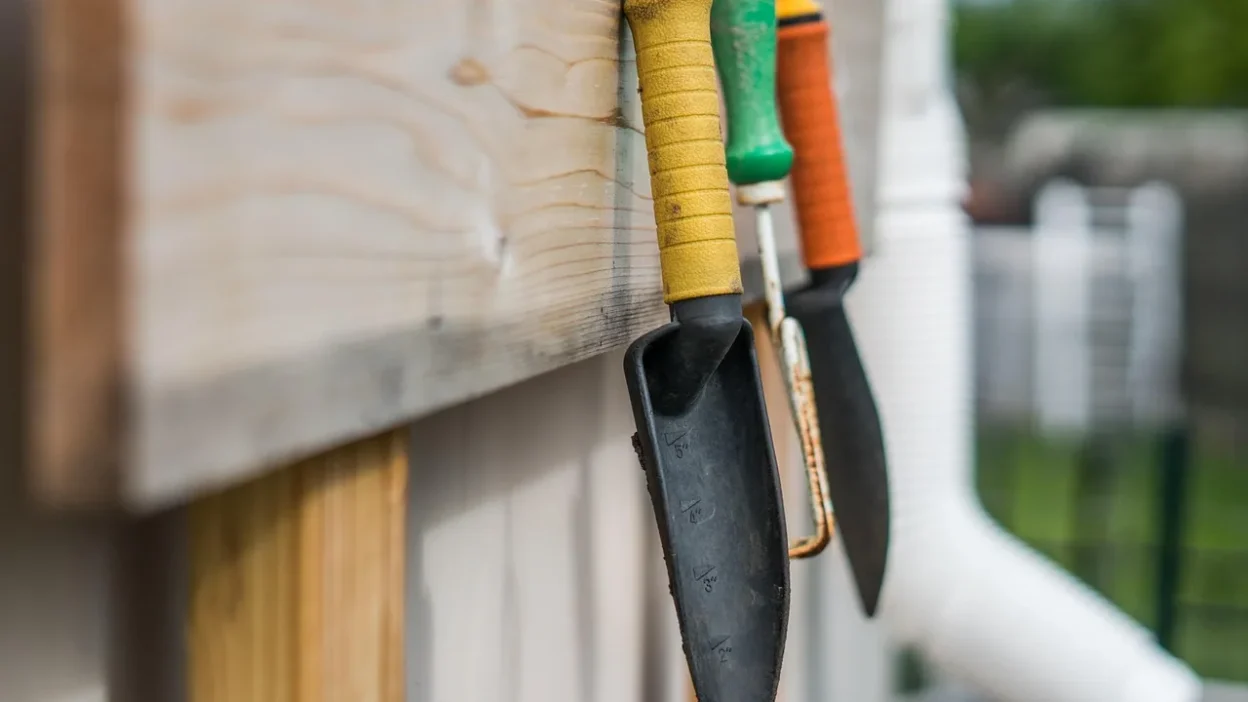
- Hand Trowel: This is your garden’s MVP. Use it for planting seedlings, digging small holes for bulbs, and transplanting. Look for one with a sturdy, single-piece stainless steel blade and a comfortable, ergonomic grip. A cheap, thin trowel will bend; a good one feels like an extension of your hand.
- Bypass Pruners (Secateurs): For clean cuts on stems, deadheading flowers, and light pruning. The “bypass” action (like scissors) is crucial—it makes a clean cut that heals quickly, unlike “anvil” pruners which can crush stems. This is one tool where spending a bit more pays off immediately in ease and precision.
- Hand Fork or Cultivator: This is your primary weeder and soil loosener. Its pointed tines are perfect for breaking up crusty soil surface, gently aerating around plants, and uprooting weeds with minimal disturbance. It’s far more precise and less back-breaking than a large garden fork for small spaces.
- Watering Can with a “Rose”: A gentle, targeted shower is better for seedlings and delicate plants than a harsh jet from a hose. The “rose” is the perforated attachment that creates a soft rain. A 2-gallon (8-liter) can is a versatile size—large enough to avoid constant refills but not too heavy when full.
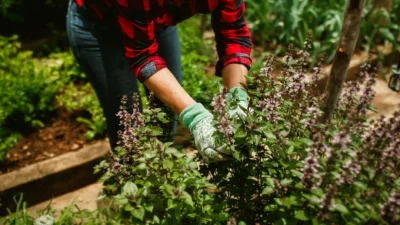
- Gardening Gloves: An optional but highly recommended essential. They protect your hands from blisters, thorns, and dirt. Look for a snug, flexible fit (like nitrile-coated gloves) that allows you to feel what you’re doing. Avoid bulky, stiff gloves that rob you of dexterity.
How to Choose Your First Tools: A Simple Filter
Faced with a wall of options, use this simple three-question filter to make a confident choice. It turns a complex decision into a straightforward checklist for your first garden tools.
1. Is it durable? For metal parts (blades, tines), stainless steel is the gold standard for rust resistance. A solid, one-piece construction is better than parts riveted or welded together, which can snap. For handles, look for solid wood, sturdy plastic, or rubber-coated steel.
2. Is it comfortable? You’ll be holding these tools a lot. The handle should fit well in your hand without pressure points. If possible, grip it in the store (or read reviews about ergonomics). Weight matters too—a tool that’s too heavy will cause fatigue quickly.
3. Is it simple? Avoid gimmicky multi-tools or gadgets. A trowel that’s also a measurer and a weeder usually does none of its jobs well. The best starter gardening tool kit is a collection of single-purpose, well-made items. Remember, tool choice is personal—what feels perfect to one gardener might not suit another, so prioritize your own comfort and garden size.
What NOT to Buy (Yet): Tools You Can Skip
Part of building a smart basic gardening equipment list is knowing what to leave on the shelf. Saving money and storage space now means you can invest in the right tool later, when you actually need it.
- DON’T buy powered tools (rototillers, electric hedge trimmers). Your first-year garden is likely small. These are expensive, require storage and maintenance, and are overkill for a few containers or a raised bed.
- DON’T buy highly specialized tools (hori hori knives, dibbers, leaf scoops). These are fantastic for specific tasks, but your core 5 can approximate their functions for now. You can always add a hori hori later as a versatile upgrade.
- DON’T buy flimsy, all-plastic tool sets. They are priced to tempt, but they break under real use, leading to frustration and wasted money. It’s better to buy one quality trowel than a 10-piece set of junk.
- DON’T buy full-size shovels, rakes, or hoes for a patio or balcony garden. If your entire garden fits on a deck, you don’t need a 5-foot rake. Opt for hand tools or smaller “border” sizes if you eventually need them.
Common First-Timer Tool Mistakes
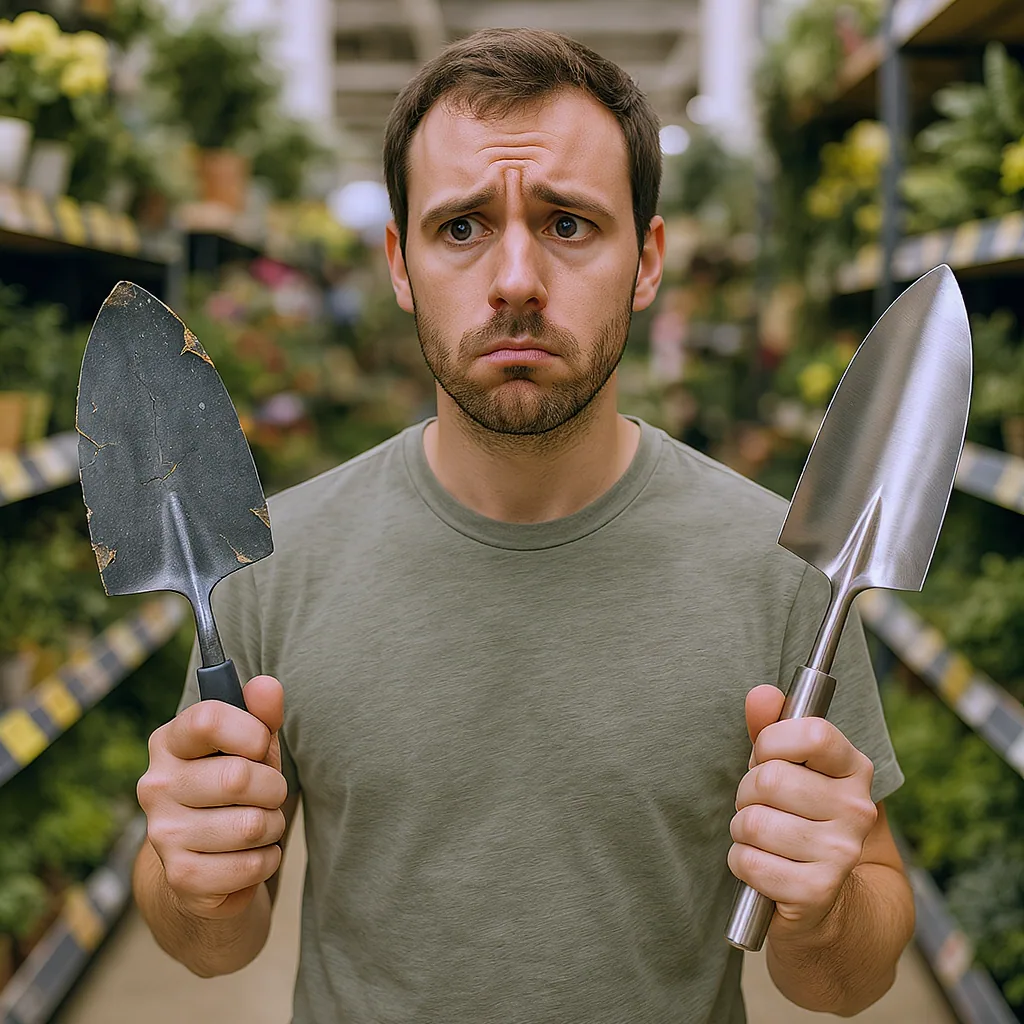
Everyone makes mistakes when starting out. Here are the most common pitfalls new gardeners face with their first-time gardener tool essentials, and how to sidestep them.
Mistake 1: Buying the absolute cheapest option. The bargain-bin plastic trowel will snap on a tough root, and the $5 pruners will mangle stems. The Fix: See tools as a long-term investment. It’s better to buy one quality core tool per month than a full cheap set all at once.
Mistake 2: Shopping for the garden you dream of, not the one you have. Buying a massive wheelbarrow and shovel for a 4’x4’ raised bed is a waste of money and space. The Fix: Be ruthlessly honest about your current garden’s scale. Your tools should match its actual size.
Mistake 3: Neglecting basic tool care. Leaving tools muddy or wet leads to rust and dull blades, shortening their life. The Fix: Get into the simple habit of rinsing and drying your tools after use. A quick wipe with an oily rag on metal parts occasionally does wonders.
Mistake 4: Feeling like you need every tool you see. Gardening marketing can make you feel under-equipped. The Fix: Remember the core 5. Start there, and only add a new tool when you find yourself repeatedly struggling with a specific task that your current kit can’t handle well.
Your Simple Start Awaits
Gardening should be about the joy of growing, not the paralysis of shopping. You now have a clear, actionable filter: a hand trowel, bypass pruners, a hand fork, a watering can, and gloves. With these essential gardening tools for beginners, you are fully equipped to plant, tend, and nurture your first garden.
The most important step is the next one. Don’t get lost in more research. Today, take five minutes to assess your space or pick one item from the list to find a quality version of. Your garden—and your future self, enjoying it with the right tools in hand—is waiting.