You’re standing in the garden center, a packet of seeds in one hand and a hopeful look at a tomato plant in the other. A wave of questions hits: Where do I even put this? What tools do I need? When do I plant it? That feeling—a mix of excitement and sheer overwhelm—is where every great gardener starts. This beginner gardening timeline is your antidote. Forget complex diagrams and conflicting advice. Consider this your simple, week-by-week, month-by-month playbook designed to turn that initial anxiety into confident action. We’re breaking down your first foray into growing things into three clear, manageable phases: your first week, your first month, and your first full season. It’s not about perfection; it’s about progress, learning, and the quiet joy of watching something grow because of you.
Here’s how to start your first garden without getting overwhelmed. In your first week, focus on choosing a spot, getting basic tools, and picking easy plants. Your first month is for preparing soil, planting, and setting up a simple watering routine. By the end of your first season, you’ll have learned to monitor growth, manage pests naturally, and harvest your first crops, building confidence for next year.
Your First Week: The Foundation (Days 1-7)
This first week isn’t about planting. It’s about making a few simple, low-pressure decisions that set you up for success. Think of it as your garden’s orientation week.
1. Find Your Sun
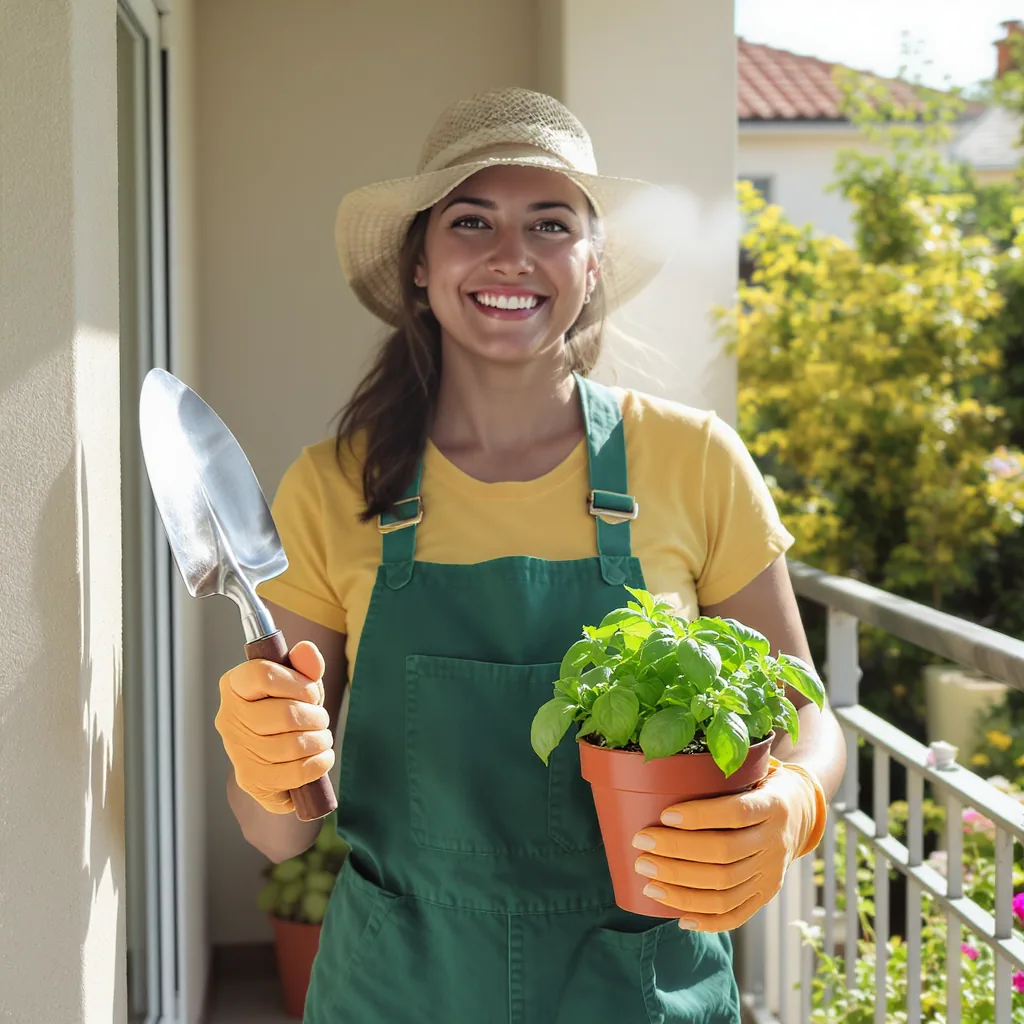
Your most important job is observation. Spend a day noticing where the sun falls. Most edible plants and many flowers need at least 6 hours of direct sunlight. A south-facing spot is usually best. No full-sun area? No problem. Look for shade-tolerant plants like leafy greens or herbs like mint. Your location dictates everything else in your beginner garden schedule.
2. Gather 5 Essential Tools
You don’t need a shed full of gear. Start with these five: a hand trowel for digging small holes, a pair of pruners for snipping, a watering can with a gentle “rose” attachment, a pair of gloves you like wearing, and a container for collecting weeds or clippings. That’s it. You can find a basic, affordable set at any garden center or hardware store.
3. Pick 2 ‘Can’t-Kill’ Plants
Build confidence fast. Go to the nursery and buy starter plants (also called transplants), not seeds, for your first try. Look for robust, green plants without bugs. Fantastic first choices include basil, cherry tomato plants (like ‘Tiny Tim’), bush beans, marigolds, or nasturtiums. Buy a bag of high-quality potting mix if you’re using containers, or a bag of compost if you’re planting in the ground.
Your First Month: Soil, Seeds, and Systems (Weeks 2-4)
Now for the fun part. With your spot and plants chosen, this phase is about getting your hands dirty and establishing a simple routine. Let’s say it’s weekend two: you have your pots, soil, and two eager little plants.
Prepare Your Planting Area
If using containers, ensure they have drainage holes. Fill them with that bagged potting mix—don’t use soil from your yard, as it compacts in pots. If planting in a garden bed, loosen the soil with your trowel and mix in a few inches of compost to improve texture and nutrients. This is the core of your first month garden tasks: creating a good home for your plants.
Plant with Care
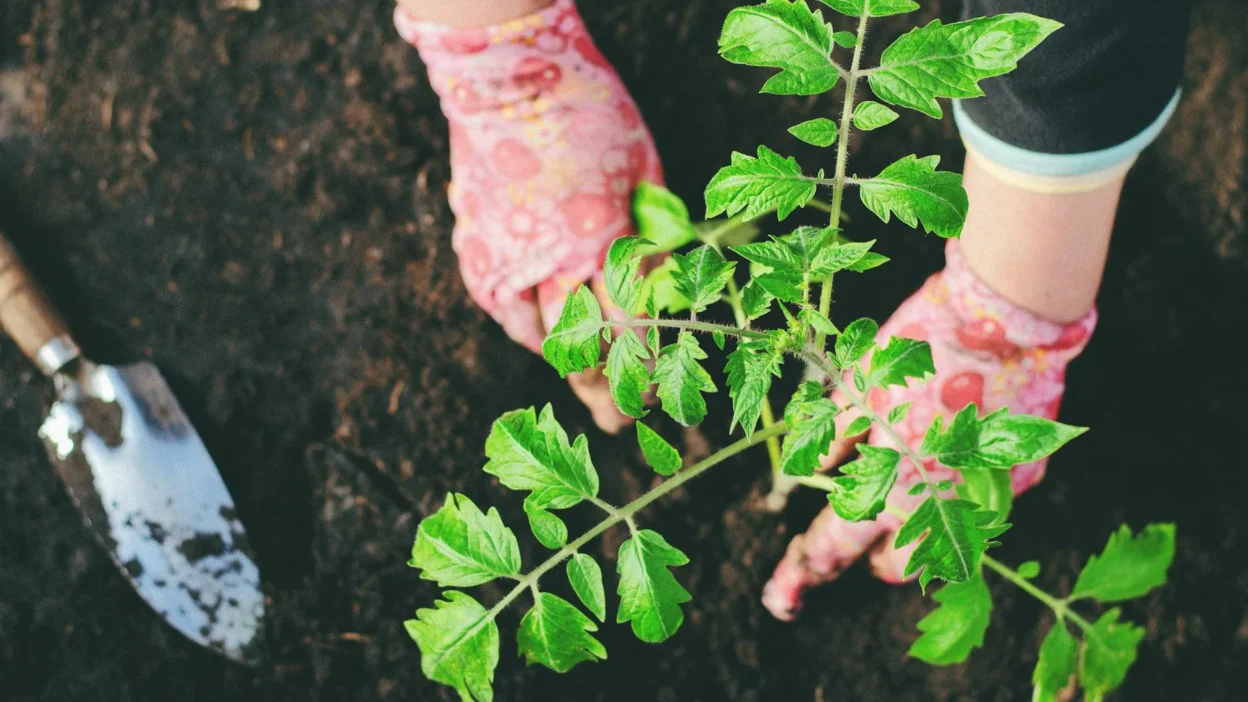
Gently remove the plant from its nursery pot by squeezing the sides and tipping it out. Dig a hole in your soil slightly larger than the root ball. Place the plant in so the top of its soil is level with your garden’s soil. Fill in around it, pat gently to remove air pockets, and give it a thorough, gentle watering to help the roots settle. For seeds, follow the depth and spacing on the packet—a common mistake is planting too deep.
Set Up a Simple Watering Routine
Forget watering on a strict schedule. Instead, do the finger test: stick your finger an inch into the soil. If it’s dry, water deeply until it runs out the bottom of the pot or soaks into the ground. If it’s damp, wait. This simple check prevents the number one beginner mistake: overwatering. Do this check every 2-3 days to start.
Your First Season: Growth, Watch, and Learn (Months 2-3)
Your plants are in the ground and settled. Now you enter the most rewarding phase: watching them grow. Your role shifts from planter to observer and gentle guide. This is where your seasonal gardening schedule becomes a habit of noticing, not just doing.
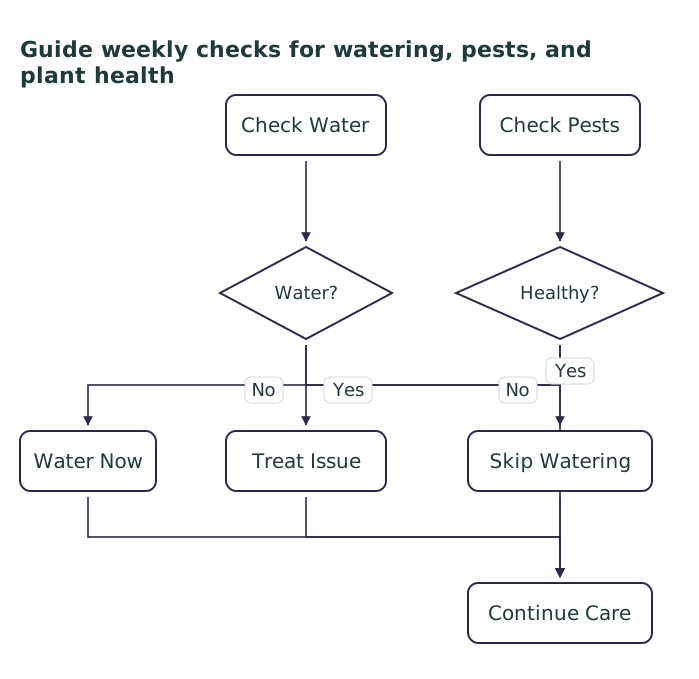
Try a “5-minute daily garden check.” Walk by, look at your plants. Are the leaves perky? Any new flowers? This casual observation helps you spot issues early. You’ll learn your plant’s normal look, so you’ll notice when something’s off.
Managing Pests & Weeds Naturally
You will see bugs. Most are harmless. If you see holes in leaves, look for caterpillars or beetles and simply pick them off. A sharp spray of water from a hose can dislodge smaller pests like aphids. For a simple, natural spray, mix a teaspoon of mild liquid soap in a liter of water. Weeds compete for resources, so pull them when they’re small and the soil is moist. It’s easier than you think.
The Joy of Your First Harvest
This is the big payoff. Harvest leafy greens like lettuce by snipping outer leaves, which allows the center to keep growing. Pick herbs frequently to encourage bushier plants. For a cherry tomato, wait until it’s fully colored and comes off the vine with a gentle tug. This hands-on experience is the best teacher for your first season garden plan. You’ll learn more from harvesting one plant than from reading ten articles.
Common First-Timer Pitfalls (And How to Skip Them)
Every new gardener makes a few missteps. Knowing these common traps in advance can save you a lot of frustration and keep your plants thriving.
Pitfall: Watering every day like a houseplant.
The Fix: Stick to the finger test. Soggy soil suffocates roots. It’s better to underwater slightly than overwater.
Pitfall: Crowding too many plants into one pot.
The Fix: Respect the spacing on the plant tag. Overcrowding leads to competition for light and food, and encourages disease.
Pitfall: Planting a sun-loving tomato in a shady corner.
The Fix: Match the plant to your light conditions. If you only have shade, grow shade-loving plants like lettuce, spinach, or coleus.
Pitfall: Giving up after one plant dies.
The Fix: Consider every plant, even one that doesn’t make it, a lesson. Gardening is a practice, not a perfect science. Try again with the knowledge you’ve gained.
Your Timeline Starts Now
This gardening timeline for beginners isn’t a rigid test; it’s a map for your learning journey. The goal of your first season isn’t a perfect harvest—it’s building the confidence and curiosity to try again next season. You’ve learned how to observe, plant, and care for living things. That’s a huge win.
Your decisive next step is simple: This weekend, complete just Step 1 from Week 1. Find your sunniest spot and spend ten minutes there with a coffee. That’s it. You’ve officially started.