Imagine trying to learn a new language by memorizing a dictionary. It’s overwhelming, disconnected, and you’d likely give up before forming your first sentence. For many aspiring gardeners, diving into the world of beginner gardening basics feels exactly like that—a flood of complex terms and conflicting advice that turns excitement into anxiety. The truth is, you don’t need to memorize every plant name or pest. Just as you learn a language by first understanding its alphabet and grammar, successful gardening for beginners starts with grasping a few, simple, non-negotiable principles of how plants live. This guide is your roadmap out of the overwhelm. We’ll move past the intimidating checklists and focus on building a foundational understanding of light, water, and soil, so you can start starting a garden at home with confidence, not confusion.
Beginner gardening basics are about mastering three core elements: providing the right light, consistent but not excessive water, and suitable soil. Success starts with a small, manageable project like a container of herbs, where you can observe and learn. Focus on understanding what your plants are telling you through their growth, rather than striving for a perfect harvest in your first season.
Here’s how to start gardening as a complete beginner: First, shift your mindset from ‘doing’ to ‘observing and understanding.’ Your plants need just three things to thrive: appropriate light, consistent moisture, and living soil. Begin with a single container or a small raised bed, choose easy plants like lettuce or herbs, and commit to checking on them daily. This simple, attentive approach builds confidence and foundational knowledge faster than any complex plan.
The Gardener’s Mindset: From Black Thumb to Green Observer
Let’s start by discarding the idea of a “black thumb.” It’s not a curse; it’s just a lack of practice in a new language. The single most important skill in gardening for beginners isn’t a perfect planting technique—it’s learning to observe. Your plants are constantly communicating. Drooping leaves, slow growth, or a sudden burst of color are all sentences in their language. skill in gardening for beginners
Think of your first garden as a small, living laboratory, not a final exam. A common scenario: you buy a beautiful basil plant, place it on your kitchen counter, and water it every day out of love. A week later, its leaves turn yellow and drop. This isn’t failure; it’s your plant saying, “I’m getting too much water and not enough light.” The goal of your first season is simply to learn to hear and understand these signals. Success is measured in lessons learned, not just pounds of produce harvested.
Plant Biology 101: The Three Non-Negotiables
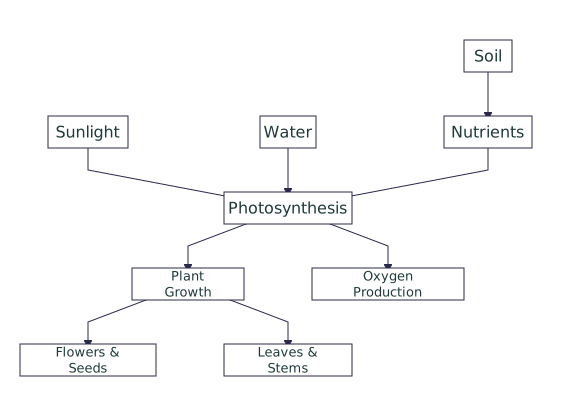
Strip away the complexity, and every plant’s needs boil down to three fundamental elements. Master these, and you’ve mastered the core of gardening fundamentals. They are interconnected, so a problem with one often shows up as a symptom related to another.
1. Light: The Engine of Growth
Light is food. Through photosynthesis, plants convert light energy into chemical energy (sugar) to grow. “Full sun” doesn’t just mean a bright spot; it typically means at least 6-8 hours of direct, unfiltered sunlight per day. Leafy greens like lettuce might manage with 4-6 hours (“partial sun”), but tomatoes and peppers will become leggy and weak without that direct fuel. Before you plant a single seed, spend a day observing how sunlight moves across your chosen space.
2. Water: The Transportation Network
Water is the plant’s circulatory system. It moves nutrients from the soil up through the stems and helps keep the plant’s structure firm (a process called turgor pressure). The goal is consistent moisture, not constant sogginess. Think of the soil like a wrung-out sponge—damp but not dripping. Roots need oxygen as much as they need water, and waterlogged soil drowns them. This is why understanding your soil type and drainage is critical.
3. Soil: The Foundation of Life
Soil is not just dirt; it’s a living ecosystem. It provides physical anchorage, but its vital role is as a pantry and plumbing system. Good soil holds moisture and nutrients while allowing excess water to drain away, and it’s teeming with microbes that help break down organic matter into food your plants can absorb. For a new gardener, the fastest path to success is often starting with a high-quality potting mix for containers or amending garden soil with compost.
Your First Garden: Choosing the Right Entry Point
The best way to begin is by matching your project to your space, budget, and commitment level. There is no single “right” way, but one of these paths is likely your ideal starting point for starting a garden at home.
Container Gardening
Best for: Renters, small spaces (balconies, patios), absolute control over soil, and minimal initial investment.
How to start: Get a pot (with drainage holes!), fill it with quality potting mix, and plant. You can grow herbs, lettuce, peppers, and even small tomatoes. It’s the ultimate low-commitment experiment.
Raised Bed Gardening
Best for: Poor native soil, easier access (less bending), better drainage, and defined, manageable spaces.
How to start: Build or buy a frame (even 4’x4′ is great), place it in a sunny spot, and fill it with a mix of topsoil and compost. It offers more growing room than containers and is a fantastic long-term solution. Resources like the University of Minnesota Extension guide to raised beds offer simple plans.
In-Ground Gardening
Best for: Those with good, workable native soil and plenty of space.
How to start: This requires the most upfront work: clearing grass/weeds, loosening the soil, and amending it with compost. It’s the most traditional method but can be challenging if your native soil is heavy clay or very sandy.
The Fail-Proof Plant Shortlist for Year One
Choosing forgiving, fast-growing plants builds confidence. Here’s a shortlist of champions for your first-time gardening adventure.
Vegetables & Greens
- Radishes: They sprout in days and are ready to harvest in about a month. Instant gratification.
- Leaf Lettuce or Spinach: You can harvest individual leaves for salads over weeks (“cut-and-come-again”).
- Green Beans (bush variety): They grow quickly, don’t need staking, and produce a reliable crop.
- Zucchini: One plant can feed a small family. Just give it space and sun.
Herbs
- Basil: Thrives in heat and sun. Pinch off the top leaves to encourage it to grow bushy.
- Mint: Incredibly vigorous. Best grown in a container to prevent it from taking over your garden.
- Chives: A perennial that comes back year after year. The grassy leaves and edible flowers are mild and oniony.
Flowers
- Marigolds: Easy from seed, bloom all season, and are said to help repel some pests.
- Sunflowers: The ultimate joyful, easy-to-grow giant. Kids love them.
- Nasturtiums: Fast-growing with edible leaves and bright flowers. They thrive in poorer soil.
The Essential Toolkit: What You Really Need to Start
You can spend a fortune, but you don’t need to. Focus on a few quality items that will last.
Must-Have Now
- A Hand Trowel: Your primary digging tool. Look for one with a sturdy, stainless-steel blade and a comfortable grip.
- Gardening Gloves: Protect your hands from blisters, thorns, and dirt. A basic, flexible pair is perfect.
- A Watering Can with a Rose (shower head): This provides a gentle, rain-like shower that won’t wash away soil or damage seedlings. A 2-gallon size is versatile.
- Containers or Pots: Must have drainage holes. You can repurpose many household items (like yogurt containers) by poking holes in the bottom.
Nice-to-Have Later
- Garden hose with a gentle spray nozzle
- Hand pruners (for harvesting and trimming)
- A garden fork or shovel for larger bed preparation
- A kneeling pad for comfort
Do: Clean your tools after use and store them dry.
Don’t: Leave tools outside to rust. A simple bucket or tote can keep them organized.
Your Starter Roadmap: 10 Steps to Your First Harvest
This is your sequential, actionable guide. Follow these steps to turn knowledge into your first homegrown meal.
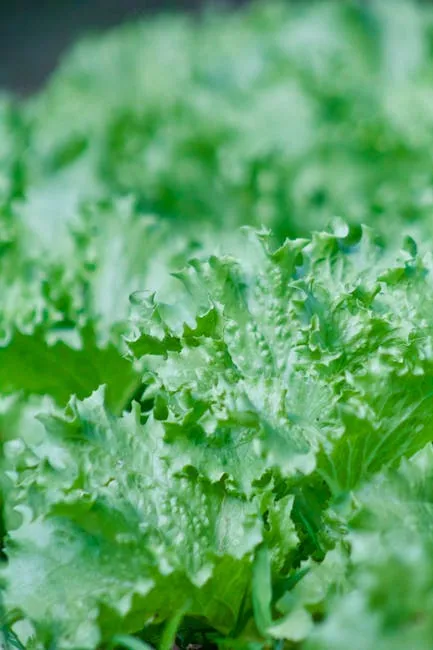
Photo by Reco Alleyne on Pexels
Step 1: Commit to a Tiny Space
Start with one container, one small raised bed (e.g., 3ft x 3ft), or a single in-ground row no longer than 4 feet. Limiting your scale prevents overwhelm and makes daily observation easy.
Step 2: Find the Sun
Watch your chosen spot for a full day. How many hours of direct sun does it get? Match your plant choices from the shortlist to this reality. Don’t guess—this is the most common mistake in starting a vegetable garden.
Step 3: Source Your Soil
For containers, buy a reputable potting mix. For raised beds or in-ground, get several bags of compost or aged manure to mix into your native soil. Good soil is your best investment.
Step 4: Prepare Your Planting Area
Clear away weeds and grass. Loosen the soil with your trowel or a fork. Mix in your compost. If using a container, fill it with potting mix, leaving an inch or two at the top for water.
Step 5: Plant Seeds or Seedlings
Follow the depth and spacing instructions on the seed packet or plant tag. A common don’t is planting too deep. For small seeds, a rule of thumb is to plant them twice as deep as they are wide.
Step 6: Water Gently and Thoroughly
After planting, water slowly until moisture seeps out of the drainage holes (for pots) or the soil is damp several inches down. This encourages deep root growth.
Step 7: Establish a Check-In Routine
Visit your garden daily, not to do something, but to observe. Stick your finger into the soil. Is it dry an inch down? That’s your cue to water. This builds the essential skill of reading your plants’ environment.
Step 8: Feed Lightly (If Needed)
If you used rich compost or a quality potting mix with fertilizer, you may not need to feed at all in the first few weeks. If growth seems slow, a half-strength dose of a balanced, water-soluble fertilizer can help.
Step 9: Harvest Early and Often
Harvesting encourages more production. Pick lettuce leaves from the outside. Snip basil from the top. Don’t wait for the perfect, giant zucchini—smaller ones are more tender.
Step 10: Note What Happened
Keep a simple journal: what you planted, when, what worked, what didn’t. This turns one season of experience into years of wisdom. This reflective practice is what transforms a beginner into a confident gardener.
Reading the Leaves: A Beginner’s Guide to Plant Signals
When something looks “off,” don’t panic. Use this basic decoder to connect symptoms back to the three core needs. Remember, one symptom can have multiple causes, so always check the simplest one first.
Yellowing Leaves
Possible Cause 1 (Water): Overwatering is the most likely culprit for new gardeners. Soggy soil suffocates roots.
Possible Cause 2 (Nutrients/Soil): A lack of nitrogen, often in fast-growing plants like tomatoes, can cause older leaves to yellow.
Check: Soil moisture first. If it’s wet, hold off on watering. If the plant is large and has been in the same soil for months, a light feed might help.
Leggy, Stretched Growth
Likely Cause (Light): The plant is stretching desperately towards a light source.
Solution: Move it to a sunnier location. You can’t reverse the stretch, but new growth will be more compact.
Holes in Leaves
Likely Cause (Pests): Insects like slugs or caterpillars are having a snack. This is a normal part of gardening.
Check: Look under leaves and at night with a flashlight to find the culprit. Often, simply picking pests off by hand is sufficient for a small garden.
Pitfalls & Patience: Common Beginner Mistakes to Sidestep
Everyone makes these errors. Knowing them in advance helps you avoid frustration and accelerates your learning of essential gardening skills.
Overwatering (The #1 Killer)
The Mistake: Watering on a schedule (e.g., every day) instead of based on soil moisture.
The Fix: Use the finger test. Water only when the top inch of soil is dry.
Planting Too Much, Too Soon
The Mistake: Getting overexcited and planting more than you can care for or harvest.
The Fix: Start with 3-5 types of plants max. You can always expand next season.
Ignoring Sun Requirements
The Mistake: Putting a “full sun” tomato in a shady corner.
The Fix: Match the plant to the light you actually have, not the light you wish you had.
Planting Too Deep
The Mistake: Burying seeds or the stem of a seedling too deep, which can rot or stunt it.
The Fix: Follow packet/tag instructions. A good rule for transplants: plant at the same depth it was in its nursery pot.
Forgetting to Harvest
The Mistake: Letting zucchini become baseball bats or basil flower and go to seed (which changes leaf flavor).
The Fix: Harvest is part of care. Regular picking tells the plant to keep producing.
Your Garden Awaits
Remember, your first garden is not a performance review; it’s a hands-on course in patience and observation. You will have setbacks—a plant that doesn’t thrive, a pest that visits, a watering miscalculation. View these not as failures, but as the most valuable data points in your journey.
The true harvest of your first season isn’t just the food or flowers you gather, but the confidence and foundational knowledge you cultivate. You are learning to speak a new, living language. Start small, pay attention, and be kind to yourself as you learn. The soil, the seeds, and the sun are ready when you are.
This beginner’s roadmap is built on understanding three core pillars: Light (the engine), Water (the transport system), and Soil (the living foundation). Success starts with a small, manageable project that allows for daily observation. Choose easy, fast-growing plants from our shortlist to build early confidence.
The essential process is iterative: Observe your plants and their environment, Learn from their signals (like yellowing or leggy growth), and Adjust your care one small step at a time. Avoid common pitfalls like overwatering and planting in the wrong light. Keep notes, celebrate every small win, and remember that every seasoned gardener was once a beginner holding their first trowel, unsure but willing to learn.
Q: Can I start a garden if I only have a balcony?
A: Absolutely. Container gardening is ideal for balconies. Focus on plants that suit your light conditions—herbs, leafy greens, peppers, and tomatoes do well in pots. Ensure your containers have drainage holes and use a high-quality potting mix.
Q: How often should I really water my plants?
A: There’s no universal schedule. The best method is the “finger test.” Stick your finger about an inch into the soil. If it feels dry, water thoroughly until it runs out the drainage holes. If it’s still damp, wait. This encourages deep, strong roots.
Q: What is the absolute easiest vegetable to grow?
A: Radishes are the champion for instant success. Seeds sprout in 3-5 days, and you can harvest crunchy roots in about 30 days. They’re forgiving and perfect for building a new gardener’s confidence.
Q: Do I need to use fertilizer in my first year?
A: Not necessarily. If you start with nutrient-rich soil amended with compost or a quality potting mix that contains fertilizer, your plants may have all they need for the first few weeks or even the whole season. Observe plant growth; if it seems stunted or leaves pale, a light, balanced fertilizer can help.
Q