You have the urge to grow something—a tomato, a flower, a handful of herbs for your kitchen. But staring at your backyard, balcony, or that empty patch of dirt leaves you wondering: where on earth do I even start? The sheer number of beginner garden types and conflicting advice can be paralyzing. The truth is, the “best” first garden isn’t a one-size-fits-all answer; it’s about finding the method that fits your real life—your space, your time, your budget, and your back. This guide cuts through the noise to explain the three core setups for new gardeners: container, raised bed, and in-ground. We’ll help you compare them not as abstract concepts, but as practical solutions to your specific situation, so you can stop planning and start planting with confidence.
The easiest garden for you depends on your space, time, and budget. For most beginners, container gardening offers the most flexibility with minimal commitment, while raised beds provide a great balance of control and yield. Your choice should start with an honest look at your lifestyle: assess your available area, how much time you can dedicate weekly, your startup funds, and your physical comfort with bending or lifting.
Your First Garden: It’s About Fit, Not Perfection
Before you get lost in seed catalogs, the most important step is to look at your own life, not a picture-perfect garden. The best beginner-friendly gardening method for you isn’t the one with the highest yield on paper; it’s the one that fits your reality. This honest self-assessment is your secret weapon to avoid frustration and actually enjoy the process.
Think about these four key filters:
Space: Where Will Your Garden Live?
This is your non-negotiable starting point. Do you have a sprawling backyard, a modest patio, or just a sunny windowsill? Your available space directly dictates which simple garden layouts are possible. A balcony gardener has different options than someone with a quarter-acre lot.
Time: How Many Minutes Per Week Can You Spare?
Be realistic. Gardening can be a time sink or a peaceful 10-minute daily ritual, depending on the setup. Some gardens demand daily watering and frequent weeding; others are far more forgiving. Your weekly availability will steer you toward a system you can maintain without guilt.
Budget: What’s Your Startup Allowance?
You can spend thousands or almost nothing. Your initial budget influences whether you buy premium soil and cedar raised bed kits, repurpose old buckets, or simply work with the dirt you already have.
Physical Ability: What Feels Comfortable?
Bending, kneeling, digging, and hauling are part of traditional gardening. If you have back issues or limited mobility, this is a crucial factor. The right garden type can make the hobby accessible and enjoyable, not painful.
Remember, all three core methods—container, raised bed, and in-ground—can grow vibrant flowers and delicious food. The goal is to match the method to your unique mix of these factors.
The Contenders: Container, Raised Bed, and In-Ground Compared
For new gardeners, the conversation typically centers on three main approaches. Understanding the high-level trade-offs between a container garden for beginners, a raised bed, and a traditional plot is the fastest way to narrow your focus. Let’s define them quickly:
- Container Gardening: Growing plants in anything that holds soil—pots, buckets, window boxes, or fabric bags.
- Raised Bed Gardening: Growing in a contained, above-ground box filled with imported soil mix.
- In-Ground Gardening: Growing plants directly in the native soil of your yard, typically in a dug-out plot.
The classic debate of raised bed vs in-ground garden often misses the third, highly flexible option. To see how they stack up across the metrics that matter most to a starter, this comparison table breaks it down.
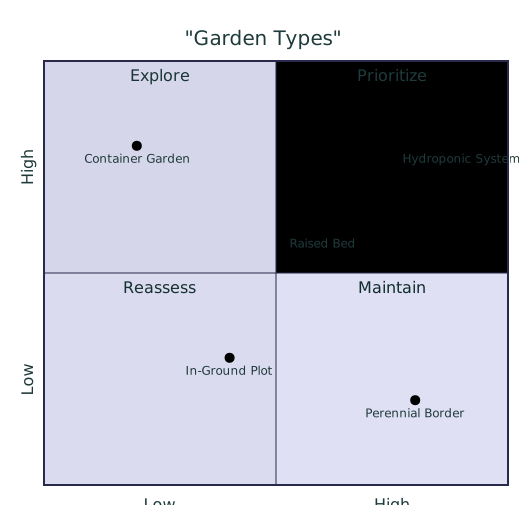
| Feature | Container Garden | Raised Bed Garden | In-Ground Garden |
|---|---|---|---|
| Best For | Renters, small spaces (balconies, patios), mobility concerns, testing the waters. | Most homeowners; poor or compacted native soil; gardeners wanting less bending; defined, neat spaces. | Large, sunny yards with decent soil; gardeners on a very tight budget willing to put in initial work. |
| Startup Cost | Low to Medium (cost of containers + potting mix). | Medium to High (cost of bed materials + large volume of soil mix). | Very Low (basic tools + soil amendments). |
| Ongoing Maintenance | High (frequent watering, fertilizing). | Medium (less watering than containers, some weeding). | Medium to High (watering depends on soil, significant weeding). |
| Effort Level | Low physical effort, higher routine attention. | Moderate (building bed is the big lift, then maintenance is easier). | High initial physical effort (digging, amending), then variable. |
| Soil Control | Complete control (you buy the mix). | Complete control (you fill the bed). | Limited control (requires amending native soil). |
| Pest/Weed Management | Easiest (mobile, fewer soil-borne weeds). | Easier (defined barrier for some pests/weeds). | Hardest (exposed to all soil pests and weed seeds). |
| Space Required | Minimal, flexible. | Defined footprint (e.g., 4’x8′). | Can be any size, requires dedicated yard space. |
| Flexibility/Mobility | High (move with the sun or with you). | Low (permanent installation). | None. |
The Container Garden: Maximum Flexibility, Minimum Fuss
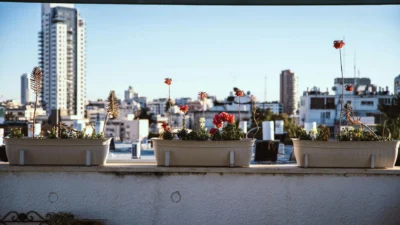
If your primary space is a patio, balcony, or even a bright kitchen counter, container gardening is your gateway. It’s the ultimate low-commitment way to start a garden for the first time. The pros are compelling: you can control pests by moving plants, say goodbye to back-breaking weeding, and take your garden with you if you move.
But it has its own rules. The cons include a need for vigilant watering (small soil volumes dry out fast) and the ongoing cost of potting mix. Root space is limited, so you’ll grow herbs, lettuce, peppers, and determinate tomatoes, not sprawling pumpkin vines.
Key Decision Points for Your Container Garden
Choosing Containers: Bigger is almost always better for soil moisture and root health. Ensure drainage holes. Material matters: plastic is light and cheap, terracotta breathes but dries quickly, and fabric pots promote great air flow.
Selecting Soil: This is critical. Never use soil from your yard in a pot. Use a high-quality “potting mix” or “container mix,” which is designed to drain well while retaining moisture and nutrients. A good mix is your best investment for a container garden for beginners.
Placement & Sun: Most edible plants need 6+ hours of direct sun. The beauty of containers is you can chase the light. Start with one or two pots in your sunniest spot. This small-scale test run can build your confidence before any major investment.
The Raised Bed: The Sweet Spot for Control and Yield
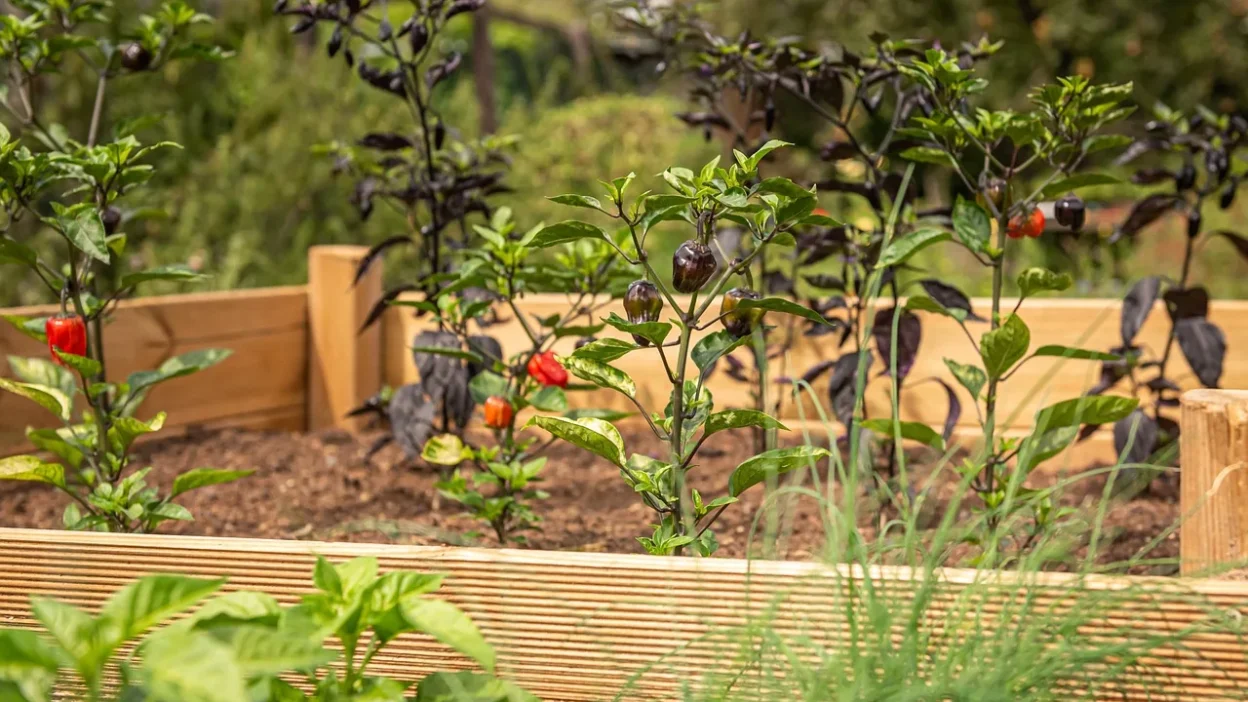
For many new homeowners or those with less-than-ideal soil, a raised bed garden feels like the “just right” option. It solves common beginner headaches: you start with perfect, fluffy soil that drains well and warms up faster in spring. The defined edges make garden planning simple, and the elevated height (even just 12 inches) is much easier on your back and knees.
The trade-off is in the setup. There’s an upfront cost for materials (wood, metal, or composite) and a significant amount of soil to fill it. It’s a semi-permanent structure, so placement needs thoughtful consideration.
Key Decision Points for Your Raised Bed
Size and Height: The golden rule is to build it no wider than 4 feet so you can reach the center from either side without stepping in. Length is flexible. For accessibility, a height of 18-24 inches allows for comfortable gardening while seated or standing.
Materials: Untreated cedar or redwood is naturally rot-resistant. Metal kits (like corrugated steel) are durable and sleek. Avoid using old railroad ties or chemically treated woods near edible plants.
To Kit or to DIY? Many excellent raised bed kits make assembly a weekend project. If you’re handy, building your own from plans, like these simple ones from University of Minnesota Extension, can save money and allow for custom sizing.
The Traditional In-Ground Plot: Low-Cost, High-Potential
Don’t write off the traditional in-ground garden. If you have a decent-sized, sunny patch of yard and a tight budget, this method offers the lowest barrier to entry and the largest potential scale. The soil acts as a massive reservoir, meaning less frequent watering than containers once plants are established.
The challenges are real: you’re at the mercy of your native soil (which could be heavy clay, sand, or rock), weed pressure is higher, and pests have direct access. The initial physical work of digging and amending soil is significant.
The make-or-break step here is soil testing. Before you dig a single hole, get a basic soil test from your local cooperative extension service. For a small fee, they’ll tell you your soil’s pH and nutrient levels, giving you a precise recipe for what amendments (like lime or compost) it actually needs. This turns guesswork into a science.
This path is ideal for the beginner who has the space, is patient enough to improve their soil over a season or two, and doesn’t mind getting their hands dirty. It’s the most economical way to turn a large lawn into a productive foodscape.
Making Your Choice: A Simple Flow for Deciding
Let’s turn all this information into a simple, conversational guide. Instead of a rigid flowchart, follow these questions in your head. Your answers will naturally point you toward your best first garden setup for starters.
Do you rent or have only a patio/balcony? → Your path is clear: Container gardening is your most flexible, logical choice. You can start this weekend.
Do you own your home and have a small to medium sunny area? → Now consider soil and effort. Is your native soil poor, rocky, or hard clay? If yes, lean heavily toward a raised bed. It bypasses the worst soil problems instantly. If your soil seems halfway decent, you face the classic raised bed vs in-ground garden trade-off: invest more upfront (raised bed) for easier long-term care, or invest more initial sweat (in-ground) to save money.
Do you have a large, sunny yard and a very tight budget? → If you’re willing to put in the sweat equity, an in-ground plot is your most economical path to a big garden. Commit to that soil test first.
Is bending or kneeling difficult? → Prioritize tall containers or raised beds built at least 18 inches high for accessible, comfortable gardening.
Remember, mixing types is not only allowed, it’s smart. Maybe you build one 4×4 raised bed for tomatoes and peppers, and use a few containers on the deck for herbs and lettuce. The goal is to build confidence, and that starts by choosing a project that fits your life right now.
Your Garden Awaits—Start Small, Start Now
The biggest mistake a new gardener can make is overthinking and never starting. You don’t need a perfect, Instagram-ready plot on day one. You just need one pot, one bag of soil, and a packet of seeds or a single seedling.
Based on your decision, commit to one concrete, tiny action this week. If you chose containers, go buy one large pot and a bag of potting mix. If you’re leaning toward a raised bed, use a hose or string to mark out a 4×4 foot square in your yard to visualize the space. If in-ground feels right, order that soil test kit today.
Gardening is a practice, not a performance. Your first season is about learning, observing, and enjoying the simple act of nurturing growth. Pick the garden type that removes the most barriers between you and that experience, and get growing.
Choosing your first garden type is about matching a method to your real-life constraints of space, time, budget, and physical ability. The three main contenders each have core trade-offs: Container gardens offer maximum flexibility and are ideal for small spaces and renters, but require frequent watering. Raised beds provide excellent soil control, are easier on the back, and are a great balance for homeowners, though they have a higher startup cost. In-ground plots are the most economical for large, sunny yards with decent soil, but demand more initial labor and ongoing weed management.
Your best next step is to pick one small, manageable project based on your situation—like buying a single large container or marking out a space for a future bed—and start there. Success in gardening comes from beginning, not from perfection.