Planning your first garden can feel a lot like following a complicated recipe for the very first time. You’re excited by the vision of the final dish—or in this case, a lush, thriving garden—but staring at a long list of ingredients and steps can quickly lead to overwhelm and the fear of a kitchen (or garden bed) disaster. The good news is that a successful harvest or a beautiful flower bed isn’t about having a mythical green thumb; it’s about following a logical, science-backed sequence. This beginner garden planning checklist cuts through the noise, transforming that initial anxiety into a clear, actionable roadmap. We’ll move beyond a random list of tasks and focus on the ‘why’ behind each step, giving you the foundational knowledge to make smart choices for your space, your soil, and your schedule, setting you up for a rewarding and successful first season.
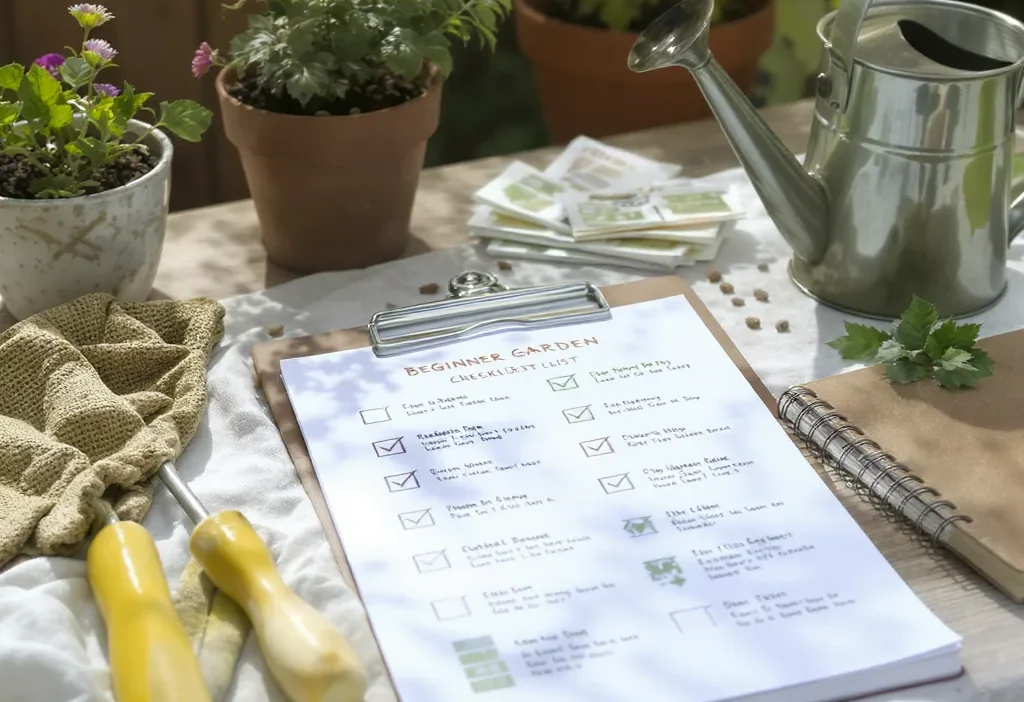
Planning your first garden is less about having a green thumb and more about following a simple, logical sequence: assess your space, prepare your soil, choose the right plants for your conditions, and create a realistic timeline. This checklist breaks down the ‘why’ behind each step to set you up for success. Forget feeling overwhelmed by a hundred different tips; focus on mastering these four core areas, and you’ll build a strong foundation for everything that grows from it.
The Science of Simple Garden Planning
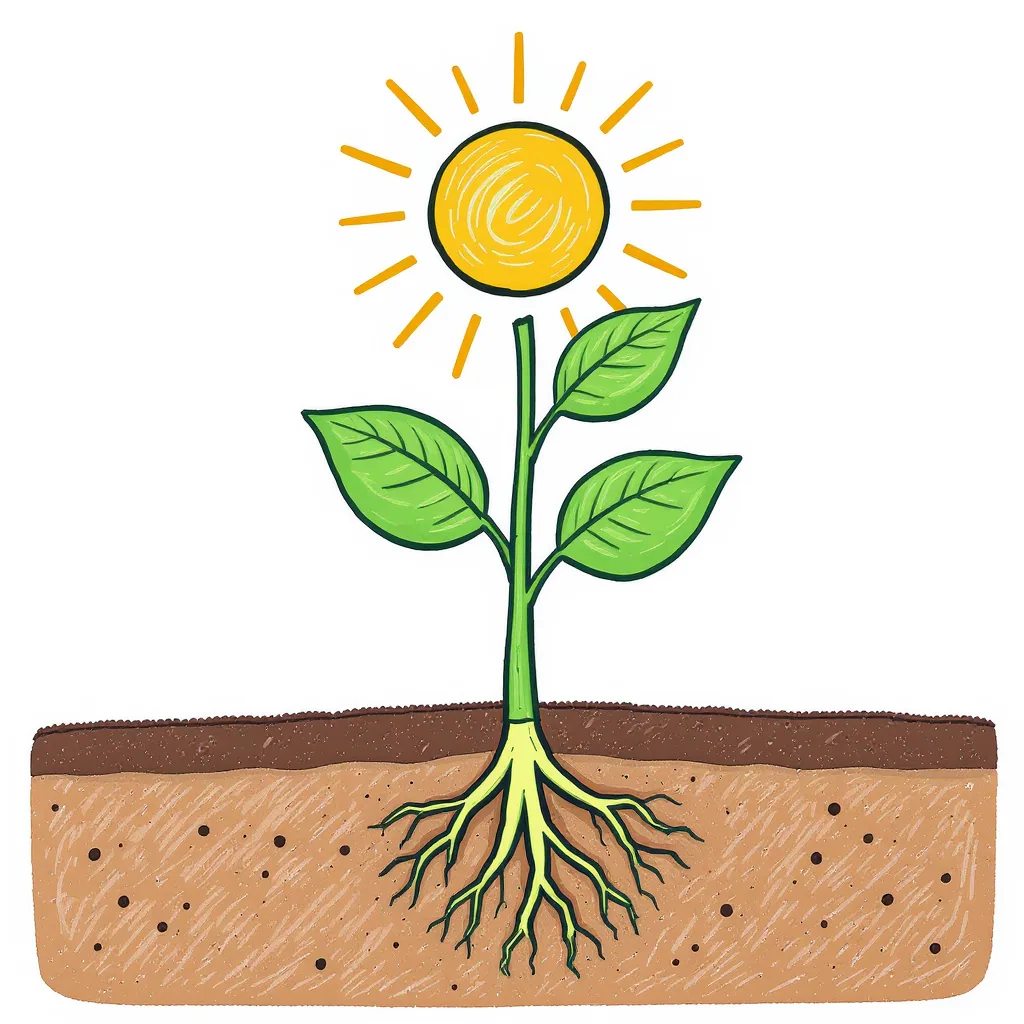
Think of your garden as a simple system that needs just four things to thrive: light, soil, water, and space. Understanding the “why” behind these elements is more powerful than memorizing a long list of tasks. It turns your first garden checklist from a random to-do list into a logical plan. first garden checklist from a
Let’s break down the science into plain language. Plants use sunlight to create food through photosynthesis. Most vegetables and flowers need a minimum of 6 hours of direct sun daily. Your soil isn’t just dirt; it’s a living ecosystem that provides nutrients, water, and anchor for roots. Good soil holds moisture but also drains excess water so roots don’t rot. Finally, every plant needs physical space—both above ground for leaves and below ground for roots—to grow without competing fiercely with its neighbors.
When you grasp these principles, your garden setup for beginners becomes intentional. You’ll choose a sunny spot because you know plants need light to eat. You’ll amend your soil because you know it’s the pantry for your plants. This foundational knowledge is what makes a simple garden planning guide actually work.
Your Pre-Planting Checklist: The 4 Essentials
Now, let’s apply that science. This core first garden checklist is organized into four actionable categories. Tackle them in order to build a solid foundation.
1. Location & Light Audit
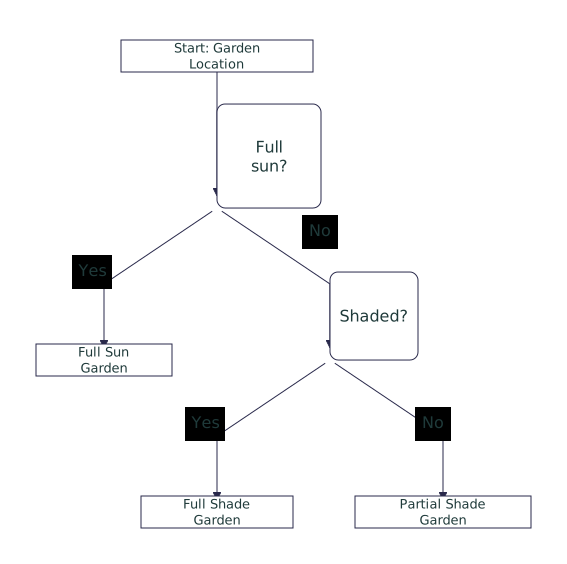
- Track the sun: Observe your potential garden spot for one full day. Note when direct sunlight hits and when it’s shaded by buildings or trees.
- Match plants to light: Use your observations to guide plant choices. Full-sun plants (6+ hours) for the brightest spots, partial-sun (4-6 hours) for others.
- Check for water access: Ensure you can easily run a hose or carry a watering can to the site. Proximity matters for consistency.
2. Soil & Bed Preparation
- Perform the “hole test”: Dig a hole about 1 foot deep and fill it with water. If it drains in 1-3 hours, you have good drainage. If it sits for hours, you may need raised beds.
- Clear the area: Remove grass, weeds, and large rocks from your chosen plot.
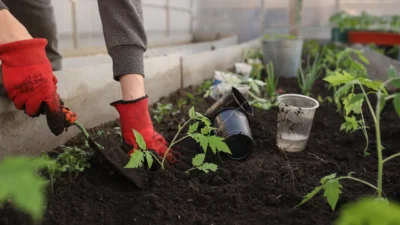
- Loosen and amend: Use a garden fork or tiller to loosen the soil to a depth of 8-12 inches. Mix in a 2-3 inch layer of compost to improve fertility and structure. This is the single most important step for your garden setup for beginners.
3. Smart Plant Selection
- Start with “easy wins”: For your first season, choose plants known for being beginner-friendly. Think cherry tomatoes, zucchini, bush beans, lettuce, marigolds, or sunflowers.
- Read the plant tag (or seed packet): This is your cheat sheet. It tells you spacing needs, sun requirements, and days to maturity. Trust it.
- Buy quality plants or seeds: A few healthy plants from a local nursery are a better bet than a flat of stressed, leggy seedlings on clearance.
4. Timeline & Care Schedule
- Know your frost dates: Find your area’s average last spring frost date (a quick online search). This dictates when to plant tender crops outdoors.
- Create a simple calendar: Mark your planned planting week, first expected harvest dates, and a reminder for when to succession plant quick crops like lettuce.
- Plan your watering routine: Decide in advance how you’ll water (soaker hose, watering can) and commit to checking soil moisture regularly, not just on a fixed schedule.
Common First-Time Gardener Pitfalls (And How to Skip Them)
Even with the best new gardener setup list, enthusiasm can lead to classic mistakes. Here’s how to sidestep them from the start.
Avoid: Planting too much, too close together. It’s tempting to fill every inch. Do this instead: Follow the spacing on the seed packet. It feels sparse at first, but plants need room to reach full size for better air circulation and yield.
Avoid: Neglecting soil preparation. Planting in hard, compacted, or nutrient-poor dirt sets plants up for struggle. Do this instead: Invest time in amending your soil with compost. It’s the best thing you can do for plant health. Resources from university extensions, like this guide from the University of Minnesota, emphasize starting with good soil.
Avoid: Setting an unrealistic watering schedule. Life gets busy. Do this instead: Install a simple soaker hose on a timer, or group containers near your door to make watering effortless. The goal is consistent moisture, not periodic flooding.
Avoid: Giving up at the first sign of trouble (a few yellow leaves, a bug). Do this instead: Observe and identify. Gardening is a process of learning. A minor issue isn’t a failure; it’s a chance to problem-solve.
From Plan to Plants: Your First Month Roadmap
Your garden prep steps for beginners are done. Now, let’s transition into growing mode with a calm, phased approach for the first 30 days.
Week 1: Final Prep & Planting
This week is about execution. If you haven’t already, finish amending your soil beds or filling containers with high-quality potting mix. Check your local frost date one last time. Then, plant your seeds or transplants according to their depth and spacing instructions. Water everything gently but thoroughly to settle the soil around roots or seeds.
Weeks 2 & 3: Establishment & Observation
Your main job now is consistent watering. Check soil moisture daily by sticking your finger an inch into the soil. If it’s dry, water. If it’s damp, wait. Seedlings will emerge, and transplants will start to settle in. Spend a few minutes each day simply looking at your plants. Notice new growth, and keep an eye out for any early pest activity. This is how you learn.
Week 4: Routine & Early Maintenance
By now, a routine is forming. You might see the first true leaves on seedlings. If you planted in rows, gently remove any competing weeds. For vining plants like tomatoes or cucumbers, it might be time to install simple stakes or cages for support. Celebrate these small wins—you’ve successfully navigated the critical establishment phase.
Remember, this first-time garden planning roadmap is a guide, not a rigid script. Your plants and your local weather are the ultimate bosses. The goal is to build confidence through consistent, mindful action.
Your Garden, Your Journey
The most important tool in your beginner garden planning toolkit isn’t a trowel or a packet of seeds—it’s the right mindset. View this season as an experiment, not a test. This checklist and roadmap are designed to prevent common frustrations and build your confidence, but they aren’t a guarantee of perfection. Some plants will thrive, others might struggle, and that’s perfectly normal.
Start small, observe often, and don’t be afraid to ask for help from local gardeners or trusted online resources. The real harvest from your first garden isn’t just the tomatoes or zinnias; it’s the knowledge and joy you’ll grow along the way. You’ve got the plan. Now, go get your hands in the soil.