You planted your first tomatoes with so much hope. Now the leaves are yellowing, and you’re not sure if it’s too much love (water) or not enough (sun). That moment of quiet panic is a universal rite of passage for every new gardener. The good news? Beginner garden maintenance and troubleshooting isn’t about having a green thumb—it’s about having a clear, simple system. This guide is that system. We’ll move you from feeling overwhelmed by daily weekly garden tasks to having a confident, manageable checklist. Instead of guessing, you’ll learn to be a plant detective, logically connecting common garden issues beginners face—like yellow leaves or mysterious holes—to their root causes and simple fixes. Consider this your friendly, practical manual for turning garden anxiety into calm, effective care.
Beginner garden maintenance is about consistency, not complexity. Focus on a simple weekly routine of checking soil moisture, removing weeds, and looking for pests. When trouble arises, systematically check water, light, and soil conditions first—these solve 80% of common issues. Troubleshooting is simply observing symptoms and methodically testing these solutions, turning panic into a logical process of elimination.
Your Foundational Weekly Garden Care Routine
Think of this as your garden’s weekly check-up. It’s not about hours of labor; it’s about consistent, simple observation and small actions that prevent big problems. This easy garden upkeep routine is your first line of defense.
- The Finger Test for Watering. Don’t guess. Stick your finger about an inch into the soil near the plant’s base. If it feels dry, it’s time to water. If it’s damp, wait. This one habit solves more issues than any other.
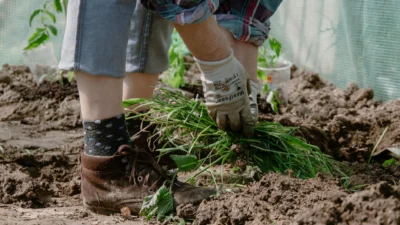
- Quick Weed Patrol. Spend five minutes pulling any small weeds you see. It’s far easier to pull them when they’re tiny than to wage war on a jungle later. This keeps nutrients and water for your plants.
- Pest Inspection. Turn over a few leaves, especially new growth. Look for bugs, eggs (tiny clusters), or sticky residue. Catching pests early means a simple spray of water or hand-picking can solve it.
- Deadheading Spent Blooms. For flowers like marigolds or zinnias, pinch off the old, faded flower heads. This often encourages the plant to produce more blooms instead of putting energy into seeds.
- Checking Plant Stakes & Supports. Give your tomato cages or pea trellises a gentle wiggle. As plants grow, they can become top-heavy and need to be re-tied or supported to prevent breaking.
- Simple Soil Check. Look at the soil surface. Is it cracked or crusty? Is it washing away from the base of the plant? A light sprinkle of compost or mulch can fix both.
- Your 5-Minute Observation. Just stand back and look. Does anything seem off-color, droopy, or chewed? This passive observation is how you spot the early signs covered in our troubleshooting guide.
This simple garden maintenance schedule is the backbone of keeping plants alive and thriving. It turns overwhelming chores into a manageable, almost meditative habit.
The Troubleshooting Flow: From Symptom to Solution
When a plant looks unhappy, your job isn’t to panic—it’s to play detective. Most common garden issues beginners face fall into just four categories: Water, Light, Soil/Nutrients, and Pests/Disease. Your goal is to match the symptom you see to the most likely category, then test a solution.
Here’s the mindset: See a problem, start with the simplest and most common cause, rule it out, then move to the next. This logical process of elimination is far more effective than randomly trying fixes.
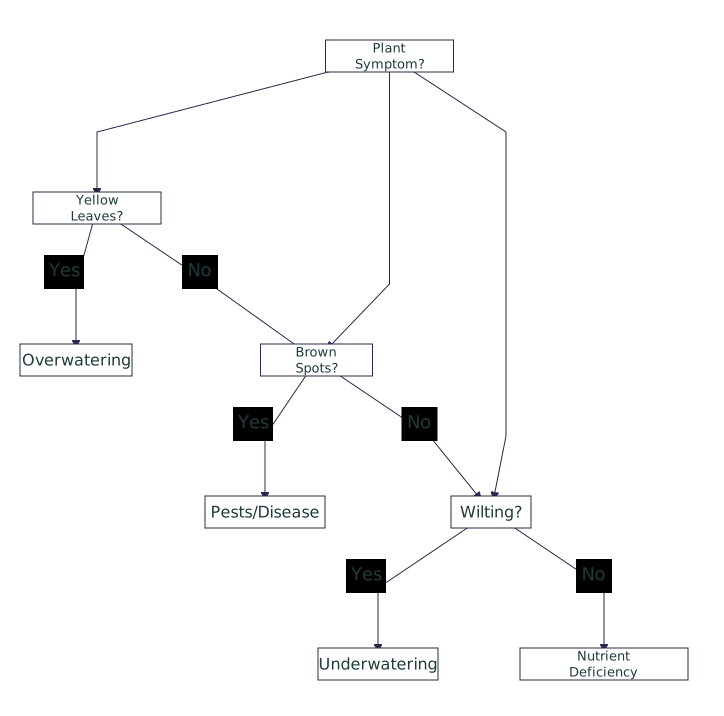
The Big Four Categories of Garden Problems
Water Issues (Too Much or Too Little): This is the culprit about 80% of the time for new gardeners. Symptoms include wilting, yellowing, and leaf drop. The fix always starts with checking soil moisture with your finger.
Light Problems (Wrong Amount or Intensity): Plants stretching tall and thin (“leggy”), failing to flower, or scorching in afternoon sun are crying out for a change in location.
Soil & Nutrition: Poor soil that doesn’t drain or hold nutrients can cause stunted growth and pale leaves. It’s often a secondary issue after water is ruled out.
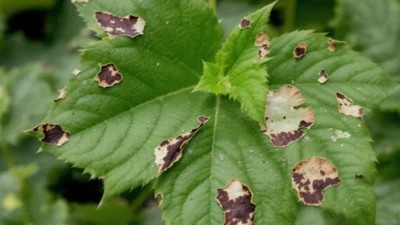
Pests & Disease: These usually leave clear evidence—holes, spots, webs, or visible bugs. They’re rarely the first thing to check unless you see the telltale signs.
Remember, this guide is for educational problem-solving. For severe or persistent issues, consulting a local nursery expert or extension service is always a good idea.
Symptom 1: Yellowing or Dropping Leaves
The Scenario: Your basil plant’s lower leaves are turning pale yellow, then brown, and finally falling off. Your heart sinks. What’s going on?
Yellow leaves are the plant’s universal distress signal, but they can mean opposite things. The key is in the details—the soil feel and which leaves are affected.
How to Diagnose Yellow Leaves
If the soil is soggy/wet and the leaves are yellow, soft, and dropping: You’re likely overwatering. Roots need air, and constant wetness suffocates them, causing root rot. The plant can’t take up nutrients, so it sacrifices older leaves.
If the soil is bone-dry, dusty, and the leaves are yellow, crispy, and maybe curled: This is underwatering. The plant is dehydrating and shedding leaves to conserve water.
If the soil moisture seems okay, but new growth is pale yellow with green veins: This often points to a nutrient deficiency, like lack of nitrogen or iron. The plant is struggling to make chlorophyll.
Your Quick-Action Fixes
- For Overwatering: Stop watering immediately. Let the soil dry out thoroughly. For potted plants, ensure the pot has drainage holes. Consider repotting into fresh, dry mix if root rot is suspected (mushy, brown roots).
- For Underwatering: Give the plant a deep, thorough soak until water runs out the drainage holes. Then, return to your weekly finger-test routine.
- For Suspected Deficiency: Apply a balanced, water-soluble fertilizer at half-strength. For container plants, a fresh potting mix can also help, as old soil loses nutrients. The University of Minnesota Extension offers a great primer on basic plant nutrition.
Symptom 2: Holes in Leaves, Sticky Residue, or Visible Bugs
This is where many new gardeners feel a sense of invasion. Stay calm. Not every bug is an enemy, and most pest issues are manageable without harsh chemicals. Your first task is identification.
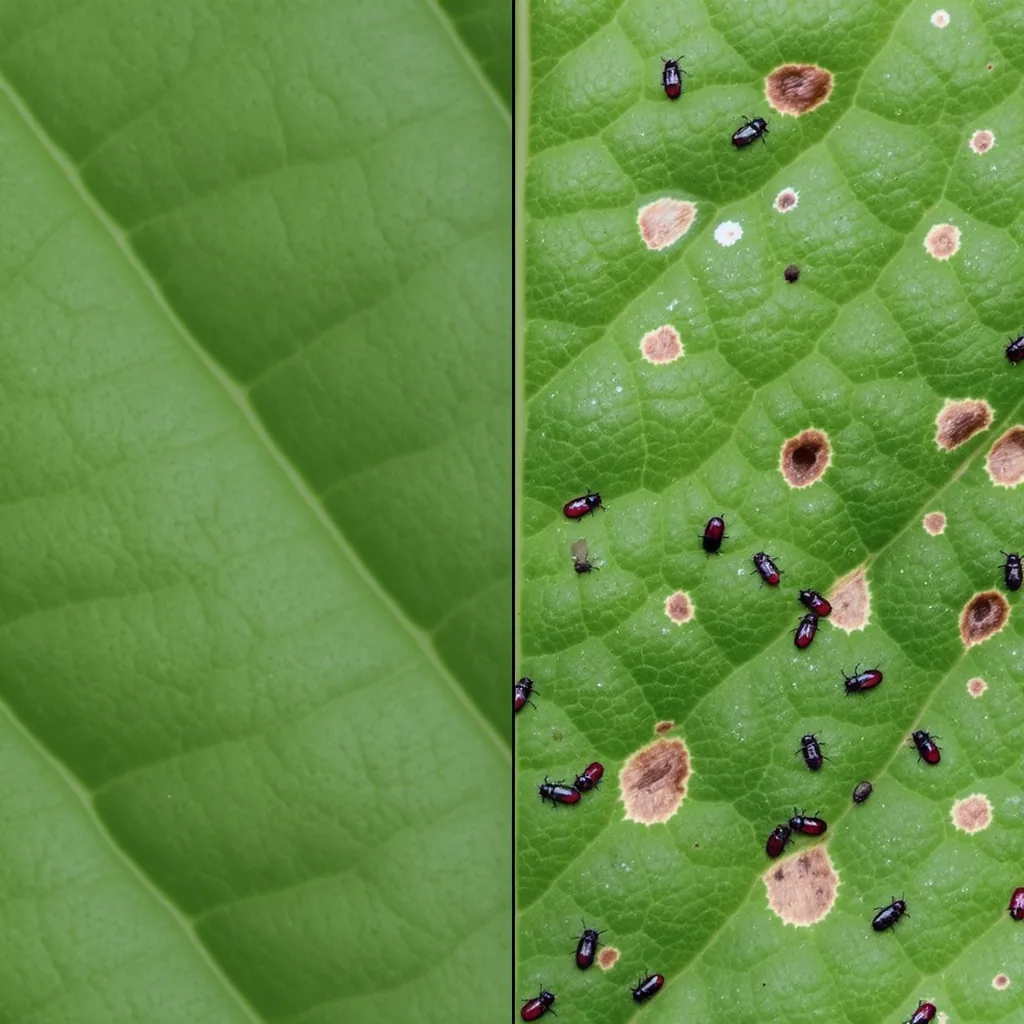
Holes with clean edges: Often caterpillars or slugs/snails (look for slime trails). Small, irregular holes or speckling: Could be beetles, earwigs, or sucking insects like thrips. Sticky, shiny residue (honeydew): A sure sign of sap-sucking insects like aphids, scale, or whiteflies. This residue can lead to sooty mold.
Beginner-Friendly Pest Control
Start with the gentlest method and escalate only if needed.
- Physical Removal: For larger pests like caterpillars and beetles, put on a glove and pick them off. Drop them into soapy water. For slugs, go out at night with a flashlight and pick them off.
- The Blast Method: A strong jet of water from your hose can knock aphids and other small soft-bodied insects off plants. Do this in the morning so leaves dry quickly.
- Insecticidal Soap: This is a low-toxicity option effective against aphids, mites, and whiteflies. You must spray it directly on the pest to work. Always follow label instructions.
- Encourage Allies: Ladybugs, lacewings, and birds are natural pest controllers. Planting flowers like alyssum or dill can attract them to your garden.
Identifying garden pests correctly is half the battle. A great resource for visual identification is the pest library from University of Maryland Extension.
Symptom 3: Leggy Growth, No Flowers, or Wilting in Sun
The Scenario: Your sunflower seedlings on the windowsill are growing tall, thin, and spindly, leaning desperately toward the light. They’re “leggy.”
These symptoms are all about environment—usually light or heat. Plants are incredibly honest about their living conditions.
Leggy, Stretched Growth: This is a plant’s plea for more light. It’s stretching its stems to try and reach a light source. The fix is simple: move it to a sunnier spot. For seedlings, a grow light placed close overhead prevents this.
Lush Leaves But No Flowers: Often called “all leaf, no bloom,” this can happen when a plant gets too much nitrogen fertilizer (which promotes leafy growth) or not enough light. Flowering plants typically need several hours of direct sun to trigger bloom production.
Wilting in Hot Afternoon Sun: Here, you need to distinguish. If the soil is moist but the plant droops at midday and perks up by evening, it’s likely just heat stress. The plant is losing water through its leaves faster than the roots can uptake it. The solution is providing afternoon shade, not more water (which could lead to overwatering). If the soil is dry and it’s wilting, it’s a drought issue—give it a deep drink.
The key is to read the plant’s label for its light needs (“Full Sun,” “Part Shade”) and then observe where in your space those conditions actually exist. Don’t be afraid to move a potted plant to a better spot.
5 Common Beginner Mistakes That Make Problems Worse
Beyond specific symptoms, there are behavioral pitfalls that can turn a small issue into a plant catastrophe. Being aware of these can save you and your garden a lot of stress.
- Overwatering with Love: The most common error by far. Loving a plant to death usually means drowning its roots. Stick to the finger test, not a calendar.
- Planting in the Wrong Spot & Refusing to Move It: You bought a sun-loving plant for a shady corner. It struggles. The simplest fix is often to move it, but we get attached to our initial vision. Be flexible.
- Using Garden Soil in Pots: Garden soil compacts in containers, creating a dense, poorly-draining brick that suffocates roots. Always use a quality potting mix for containers.
- Ignoring the Plant Label: That tiny tag tells you everything about light, spacing, and mature size. It’s the plant’s instruction manual. Refer to it.
- Reaching for Chemical Fixes First: Seeing a bug and immediately spraying a harsh pesticide can kill beneficial insects and create worse imbalances. Start with physical removal, water sprays, or insecticidal soap.
Your Garden Is a Patient Teacher
Gardening is not about achieving perfection on the first try. It’s a continuous conversation with nature, where every yellow leaf or chewed stem is a lesson, not a failure. You now have the basic vocabulary for that conversation: a simple weekly routine to maintain health and a logical flow to diagnose trouble.
The most important tool in your shed isn’t a fancy trowel—it’s your own patient observation. Trust the process, start with the simplest explanation, and don’t be afraid to make adjustments. Your confidence will grow with every season.
Here is your decisive next step: This weekend, spend just 15 minutes in your garden doing two things. First, perform the finger test on every plant. Second, turn over one leaf on each plant to look for pests. That’s it. You’re not overhauling anything; you’re simply observing. You’ve got this.
Successful beginner garden maintenance hinges on consistency, not complexity. By establishing a simple weekly routine of checking soil moisture, removing weeds, and inspecting for pests, you prevent most issues before they start. When problems like yellow leaves, holes, or wilting do arise, effective troubleshooting is a methodical process: identify the symptom, check the most common causes (usually starting with water), and apply a targeted fix. Remember, the vast majority of common garden issues stem from water, light, or soil conditions. Approach each challenge as a learning opportunity, and your garden—and your skills—will flourish.