Most people think beginner composting at home is about throwing all your organic waste into a pile and hoping for the best. The counterintuitive truth? The real secret to a thriving, odor-free compost bin isn’t what you put in—it’s what you deliberately leave out. Framing it as a simple recipe, not a mysterious science project, is the key. You’re essentially creating a balanced meal for billions of tiny decomposers, and just like any good recipe, it requires the right ingredients in the right proportions. Get this balance wrong, and you might end up with a slimy, smelly mess that attracts pests. Get it right, and you’ll transform your kitchen scraps and yard waste into “black gold” for your garden with minimal effort. This guide cuts through the confusion, giving you a clear compost ingredients list of what to embrace and a firm list of what not to put in compost to avoid common pitfalls.
Beginner composting at home is simple: layer nitrogen-rich ‘greens’ like vegetable peels with carbon-rich ‘browns’ like dried leaves, and avoid adding meat, dairy, or oily foods to keep your pile odor-free and efficient. The core principle is balancing these two types of materials. Greens (fruit scraps, coffee grounds) provide the nitrogen for heat and decomposition, while browns (shredded paper, dry leaves) add carbon for structure and aeration. Strictly excluding problematic items prevents odors, deters pests, and ensures you create a valuable soil amendment, not a problem.
The Composting Recipe: Greens vs. Browns
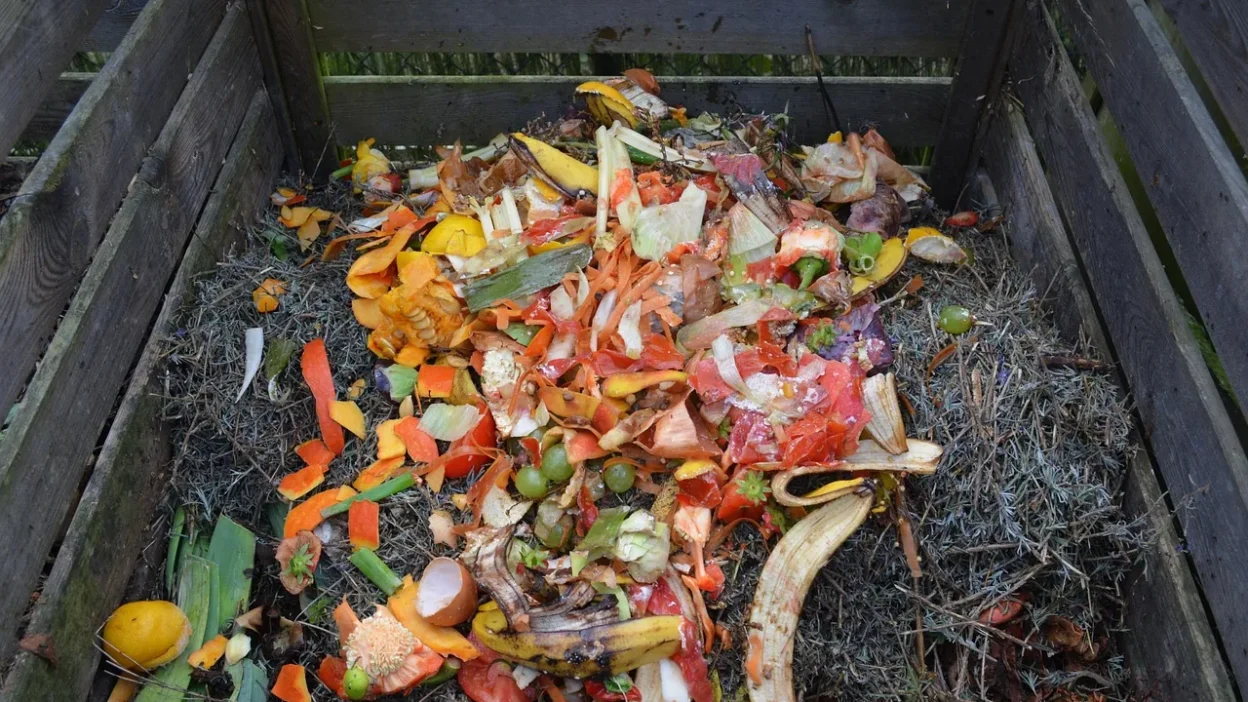
Think of your compost pile as a simple recipe, not a mysterious science project. The entire process hinges on balancing two types of ingredients: Greens and Browns. Get this balance right, and your pile will heat up and break down efficiently. Get it wrong, and you might end up with a smelly, slimy mess or a pile that just sits there.
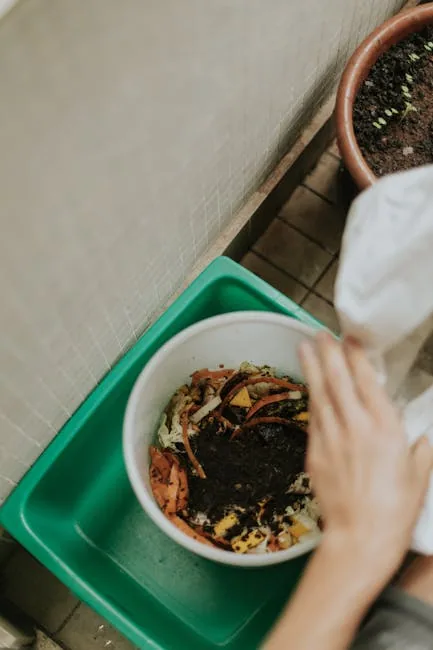
Photo by Letícia Alvares on Pexels
What Are “Greens”?
Greens are your nitrogen-rich materials. They are typically moist, fresh, and often green in color (though not always). They provide the protein that feeds the microbes doing the decomposing work. Examples include fruit and vegetable scraps, coffee grounds, and fresh grass clippings.
What Are “Browns”?
Browns are your carbon-rich materials. They are typically dry, brown, and bulky. They provide energy for the microbes and create necessary air pockets in the pile. Examples include dried leaves, shredded cardboard, straw, and wood chips.
The magic ratio for a healthy, odor-free pile is roughly 2 parts browns to 1 part greens by volume. A foolproof method for home composting for beginners is to simply cover every handful of kitchen scraps (greens) with two handfuls of dry leaves or shredded paper (browns). For a deeper dive into the science of carbon-nitrogen ratios, resources from university extension services, like this guide from the University of Minnesota Extension, offer excellent detail.
Your Go-To List: What to Definitely Add
Here is your essential compost ingredients list. When in doubt, stick to these safe, effective items to build a healthy foundation for your pile.
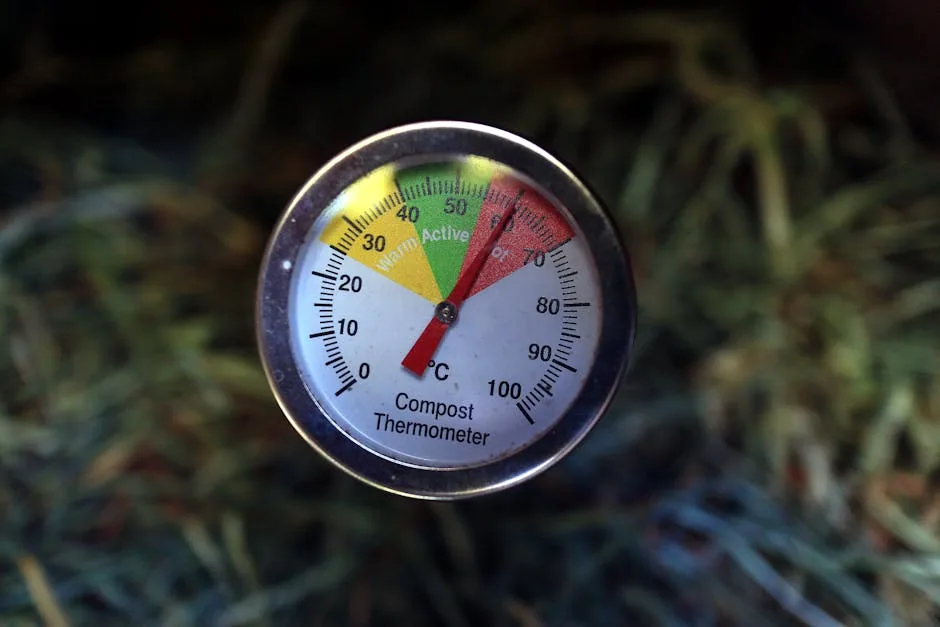
Photo by Dino on Pexels
Greens (Nitrogen-Rich):
- Fruit and vegetable scraps (peels, cores, rinds, spoiled produce)
- Coffee grounds and paper filters
- Used tea leaves (remove staples from bags)
- Fresh grass clippings (in thin layers to avoid matting)
- Fresh garden weeds (before they go to seed)
- Plant trimmings from houseplants
Browns (Carbon-Rich):
- Dried leaves (shredded breaks down faster)
- Shredded cardboard (non-glossy, remove tape)
- Shredded newspaper and black & white office paper
- Straw or hay
- Sawdust or wood chips (from untreated wood)
- Eggshells (rinse and crush for faster breakdown)
- Nut shells (except walnut, which can be inhibitory)
The No-Go Zone: What to Strictly Avoid
Knowing what not to put in compost is just as important as knowing what to add. These items can attract pests, create foul odors, spread disease, or simply never break down in a backyard system.
- Meat, Fish, Bones, and Dairy: These decompose slowly, smell terrible, and are major magnets for rodents, raccoons, and flies.
- Oils, Fats, and Grease: They coat materials, preventing air and water flow, and also attract pests.
- Pet Waste (dog/cat feces, cat litter): Can contain harmful pathogens and parasites that may not be killed in a home compost pile.
- Diseased Plants or Weeds with Mature Seeds: The disease or seeds may survive the composting process and spread when you use the finished compost.
- Glossy, Colored, or Coated Paper: Often contains inks and chemicals you don’t want in your garden soil.
- Coal or Charcoal Ash: Can contain sulfur and other compounds harmful to plants.
- Synthetic Materials: Plastics, metals, glass, and treated wood have no place in a compost pile.
3 Common Beginner Pitfalls (And How to Sidestep Them)
Even with the best intentions, new composters often hit a few snags. Here are the most common issues and their simple fixes.
Pitfall 1: A Smelly Pile
If your compost bin starts to smell like rotten eggs or ammonia, it’s almost always a sign of too many greens and not enough browns. The pile is likely wet and compacted, lacking air. The fix: Immediately turn the pile to aerate it and mix in a generous amount of dry browns like shredded cardboard or leaves.
Pitfall 2: A Cold, Slow Pile
If nothing seems to be breaking down, your microbial workforce is sluggish. This is usually due to a lack of nitrogen (greens), insufficient moisture, or both. The fix: Add a batch of fresh kitchen scraps or grass clippings, sprinkle the pile with water until it feels like a damp sponge, and give it a good turn to mix everything together.
Pitfall 3: Adding the Wrong Things
This circles back to the most critical rule. Accidentally adding meat, oily food, or glossy paper can set your whole process back. The fix: Keep a simple list of “no-go” items on your fridge or near your kitchen scrap container. When you’re unsure about an item, leave it out.
Your First Month Composting: A Simple Action Plan
Starting a compost pile can feel overwhelming. This month-long easy composting guide breaks it down into manageable, weekly tasks to build your confidence.
- Week 1: Gather & Set Up. Don’t even touch your food scraps yet. Focus on collecting your “browns.” Get a bag of dried leaves, start shredding that cardboard box, or find a bale of straw. Place your compost bin or designate a pile spot in a convenient, partially shaded area.
- Week 2: Start the Layers. Begin adding your kitchen scraps (greens). For every container of scraps you add, cover it completely with twice as much of your prepared browns. This “lasagna” method prevents odors from the start.
- Week 3: The First Turn. Use a garden fork or shovel to mix the top layers into the middle. You don’t need to perfectly invert the whole pile—just give it a good stir to introduce air. This is when you might feel the pile getting warm in the center, a great sign!
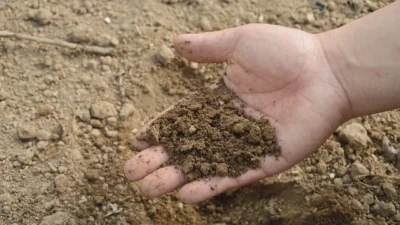
- Week 4: The Squeeze Test. Grab a handful of material from the center. It should feel like a damp, wrung-out sponge. If it’s dripping wet, add more browns and turn it. If it’s dry and crumbly, sprinkle it with water as you turn it.
By the end of the month, you’ll have established a routine and a working pile. Remember, composting basics are about progress, not perfection.
Ready, Set, Compost
Successful beginner composting at home truly comes down to a mindful balance of inclusion and exclusion. By focusing on the simple greens-and-browns recipe and respecting the short list of forbidden items, you transform waste into a valuable resource without the hassle. It’s a small, tangible step toward a more sustainable home that directly benefits your garden. The best way to learn is by doing. This weekend, grab a container for kitchen scraps and start collecting your ‘browns’—you’re already halfway there.